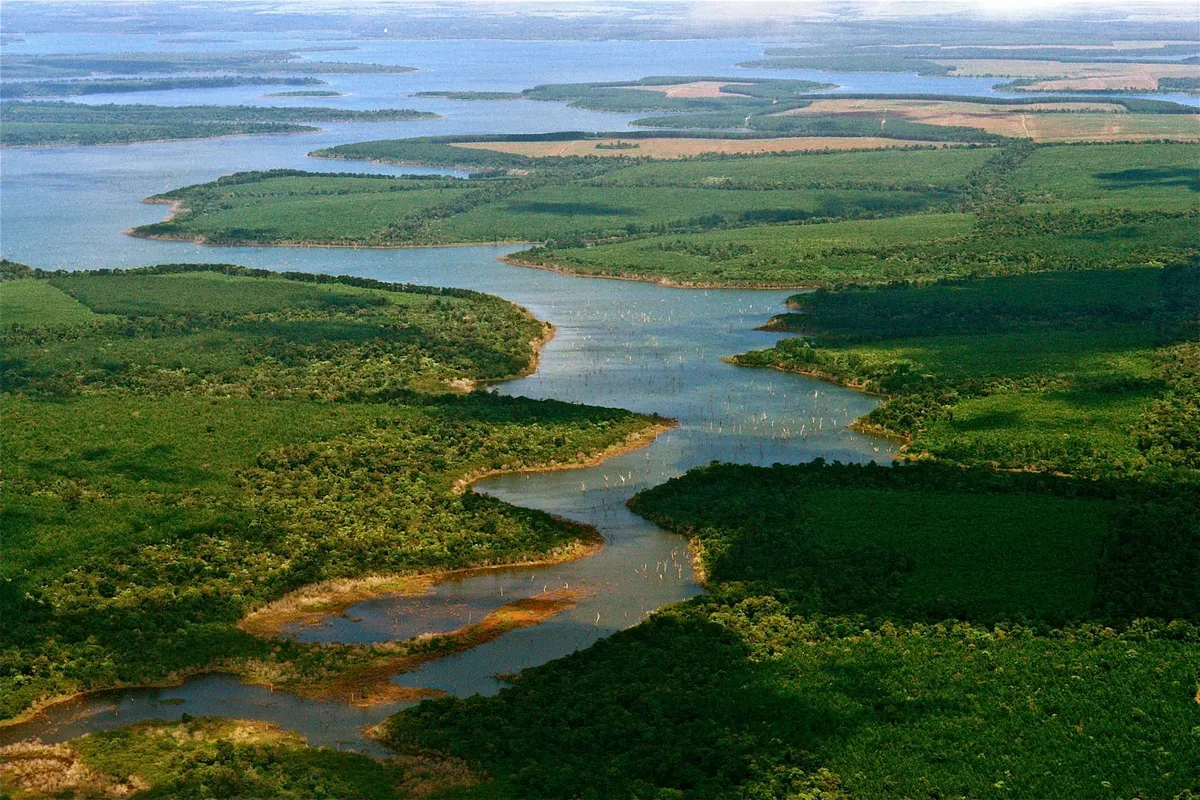
Chaco (1.12 million inhabitants, 99,633 km², capital Resistencia) is one of Argentina's least-touristed provinces and precisely for that reason one of the most authentic for travelers seeking to step off the commercial circuit. Its capital, Resistencia (291,000 residents), is officially declared "City of Sculptures" for having more than 700 public artworks on its streets, plazas and avenues — the cumulative result of the Resistencia International Sculpture Biennial, held every 2 years in July since 1988, drawing 10-15 sculptors from 30+ countries who carve live in blocks of marble, granite and Chaco hardwood (algarrobo, quebracho) under tents on Plaza 25 de Mayo, over 7 continuous days, in front of the public — it's the world's second-largest sculpture biennial, after Pietrasanta (Italy). The other major provincial draw is Chaco National Park (14,981 hectares in Capitán Solari, 115 km northwest of the capital), protecting a fragment of semi-arid Chaco forest — a critical ecosystem that lost 8 million hectares between 1990 and 2020 to agricultural expansion — with red quebracho, urunday, palo borracho, fauna such as jaguarundi, giant anteater, giant armadillo, maned wolf, and 250+ bird species. The third key dimension of Chaco is the active presence of indigenous peoples — the province has Argentina's largest indigenous population (4.7% of residents, 52,000+ people), with three main peoples: Qom (Toba, ~40,000, language taught in bilingual schools), Wichí (Mataco, ~6,000 in El Impenetrable), and Mocoví (~3,000, southern province). Respectful community tourism, textile crafts with chaguar yica, and the chance to visit communities like El Espinillo or Pampa del Indio (30 km from Resistencia) make Chaco a different cultural destination. RES Airport with daily flights from AEP (1h30). Natural connection with Corrientes capital across the General Belgrano Bridge over the Paraná (18 km, 25 min — 2-province NEA tourist circuit).
Chaco Climate (Resistencia)
| Month | Temp. | Rain | Crowds | Note |
|---|---|---|---|---|
| Jan | 22° / 35°C | 160 mm | Extreme humid summer | |
| Feb | 22° / 33°C | 150 mm | ||
| Mar | 20° / 31°C | 140 mm | ||
| Apr | 17° / 28°C | 120 mm | ||
| May | 14° / 24°C | 70 mm | ||
| Jun | 11° / 21°C | 40 mm | ||
| Jul | 11° / 22°C | 40 mm | Sculpture Biennial — peak season | |
| Aug | 13° / 24°C | 50 mm | ||
| Sep | 14° / 26°C | 90 mm | ||
| Oct | 17° / 29°C | 130 mm | ||
| Nov | 19° / 31°C | 150 mm | ||
| Dec | 21° / 33°C | 160 mm |
Distances within Chaco
| From | Distance | Flight | Bus | Drive |
|---|---|---|---|---|
| Buenos Aires (AEP) | 1015 km | 1 h 30 | 12-13 h | 11 h |
| Corrientes capital | 18 km | — | 40 min | 25 min |
| Posadas (Misiones) | 390 km | — | 5 h | 4 h 30 |
| Chaco NP (Capitán Solari) | 115 km | — | 2 h | 1 h 45 |
| Formosa | 170 km | — | 2 h 30 | 2 h |
| Salta | 990 km | — | 14 h | 12 h |
Typical Prices in Chaco (USD)
| Category | Budget | Mid-range | Luxury |
|---|---|---|---|
| 3★ hotel Resistencia (double) | USD USD 40-65 | USD USD 65-110 | USD USD 140-220 |
| Rural lodge inland Chaco | USD USD 50-80 | USD USD 90-150 | — |
| Capital hostel (dorm) | USD USD 12-22 | USD USD 25-40 | — |
| Regional lunch (chipa, chivito) | USD USD 8-12 | USD USD 14-22 | USD USD 28-45 |
| Chaco NP day excursion | USD USD 60-90 | USD USD 110-160 | USD USD 180-280 |
| Sculpture Biennial tour (July) | USD USD 15-25 | USD USD 40-65 | USD USD 90-150 |
| Car rental (per day) | USD USD 40-55 | USD USD 60-90 | USD USD 110-160 |
| Fuel (per liter) | USD USD 1.10-1.40 | — | — |
Prices April 2026. Sculpture Biennial (July) and Chamamé Festival in the capital: hotels +40-70%. Book Biennial 60+ days ahead.
The Three Tourist Zones of Chaco
1. Resistencia — City of Sculptures (capital)
See the complete Resistencia guide. 291,000 inhabitants, 700+ sculptures in public space, International Biennial every even-July (2026, 2028), Casa de las Esculturas (museum and archive), Parque 2 de Febrero (over Argüello Lagoon), Cathedral, Government House, Mercado del Pueblo, gastronomy with chivito chaqueño and chipa.
2. Chaco National Park — semi-arid Chaco forest
See the Chaco NP guide. 14,981 ha in Capitán Solari (115 km from Resistencia, RP 9). Red quebracho, urunday, palo borracho, lapacho. Jaguarundi, giant anteater, giant armadillo, 250+ bird species. Self-guided trails (Acaraguá 4 km, Cinta Larga 2 km), authorized camping, Visitors Center with park rangers. Best time: May-September.
3. El Impenetrable — indigenous peoples and Northern National Park
The northern province (General Güemes department), known as "El Impenetrable" for the dense Chaco forest cover that hinders entry. Wichí communities in Misión Nueva Pompeya and El Sauzalito. El Impenetrable National Park (created 2014, 128,000 ha — a monumental recovery by Tompkins Conservation and the Province preserving the last intact block of Argentine Chaco forest). Recommended only for travelers with their own 4x4 and remote-area experience — minimal tourism infrastructure (1 lodge in development, rural inn in Sauzalito).
How to Get to Chaco
By Air
Resistencia Airport (RES) 8 km from downtown, daily flights from AEP with Aerolíneas Argentinas (1h30, USD 80-180). Good but limited airport with 2-3 flights per day — during the Sculpture Biennial (even-July) flights rise +30-50% and you should book 60+ days ahead.
By Bus
From Retiro: 12-13 hours, USD 50-95 (Crucero del Norte, Vosa, Tigre Iguazú). Connections: Resistencia ↔ Corrientes capital 40 min (USD 4-6, crossing General Belgrano Bridge), Resistencia ↔ Posadas 5 h, Resistencia ↔ Formosa 2h30, Resistencia ↔ Capitán Solari (Chaco NP) 2 h.
By Car
From Buenos Aires: 1,015 km on RN 11 through Santa Fe and Chaco — 11 hours. Road conditions: good (RN 11 fully paved). Fuel 8-12% pricier than Buenos Aires. Rental at RES Airport USD 40-70 per day.
When to Visit Chaco
- May-September: best season. Mild dry weather (12-26°C), no mosquitoes, ideal for Chaco NP and walks, low humidity.
- July (even years): International Sculpture Biennial — peak tourism, packed city, hotels +40-70%, unique festive atmosphere.
- October-November: spring, rising heat, increasing rains, Chaco forest flora in bloom.
- December-March: extreme humid summer (32-37°C, humidity 70-85%), storms, mosquito peak. AVOID unless specifically interested in Carnival (February) or local events.
Book Chaco

Sculpture Biennial (July)
International Biennial every even year. Guided tour of the 700+ sculpture circuit.
AEP–RES Flight
Direct AEP–Resistencia flights from USD 80 one-way with Aerolíneas Argentinas.
Frequently Asked Questions about Chaco
What is the most important thing to see in Chaco?
Three distinctive attractions: (1) Resistencia, the capital officially declared "City of Sculptures" — 700+ public artworks on streets, plazas and avenues, the cumulative result of the International Sculpture Biennial held every 2 years since 1988 (the world’s second-largest sculpture biennial after Pietrasanta, Italy, hosting artists from 30+ countries who carve 10-15 sculptures live each edition); (2) Chaco National Park (14,981 ha in Capitán Solari, 115 km from Resistencia) protecting the semi-arid Chaco forest with red quebracho, urunday, palo borracho, lapacho rosado, fauna like jaguarundi, giant anteater, giant armadillo, maned wolf and 250+ bird species; (3) the indigenous communities of Qom (Toba), Wichí and Mocoví peoples — Chaco has the largest active indigenous population in Argentina, with traditional textile crafts (Qom Ethnic Group of El Espinillo, Wichí loom of El Impenetrable).
When is the Sculpture Biennial?
The Resistencia International Sculpture Biennial is held every 2 years in July (even years: 2026, 2028, 2030). Duration: 7 continuous days, generally the 2nd-3rd week of July. 10-15 invited sculptors from 30+ countries work live in blocks of marble, granite and Chaco hardwood (algarrobo, quebracho), under tents on Plaza 25 de Mayo (Resistencia center). The public observes the creative process live, talks with artists, and at the end of the week winners are chosen and all works are installed as public heritage. Top tourist attraction: 200,000+ visitors over the full week. Official site: bienaldelchaco.com.
How many days do you need in Chaco?
Minimum 4-5 days to combine Resistencia + Chaco National Park: day 1-2 Resistencia (sculpture circuit, museums, food), day 3 transfer to Capitán Solari and entry to the park, day 4 full day in the park (trails, wildlife observation), day 5 return and Qom communities (El Espinillo or Pampa del Indio, 30 km from Resistencia). For the Biennial add 4-7 days in July. Combinable with Corrientes capital (18 km across the General Belgrano Bridge over the Paraná River) for an NEA mini-circuit. Also with Formosa (170 km north) or Salta (990 km west via RN 81).
How do I get to Chaco?
Resistencia Airport (RES) 8 km from the capital center, taxi USD 6-10. Daily flights from Aeroparque (AEP) with Aerolíneas Argentinas (1h30, USD 80-180). Bus from Retiro: 12-13 hours (USD 50-95) — Crucero del Norte, Vosa, La Internacional, Tigre Iguazú. By car: 1,015 km on RN 11 (through Santa Fe and Chaco) — 11 hours. Internal connections: Resistencia ↔ Corrientes 40 min (USD 4-6 by bus, crossing the General Belgrano Bridge over the Paraná); Resistencia ↔ Capitán Solari (Chaco NP) 1h45 by car, 2h by van.
What is Chaco National Park?
Chaco National Park (created 1954) protects 14,981 hectares of semi-arid Chaco forest in the Sargento Cabral department, on the bank of the Negro River. Dominant vegetation: Chaqueño red quebracho (endangered species due to massive deforestation of the Chaco forest in recent decades — Chaco lost 8 million hectares of forest between 1990 and 2020), urunday, palo borracho, lapacho rosado, algarrobo. Fauna: jaguarundi, giant anteater, giant armadillo (endangered), maned wolf, tapir (small populations), peccary, howler monkeys, 250+ bird species (crowned eagle, red-legged seriema, field flicker). Gateway: Capitán Solari (115 km northwest of Resistencia, RP 9). Visitors Center with park rangers, self-guided trails (Acaraguá Trail 4 km, Cinta Larga 2 km), authorized camping. Best season: May-September (dry, tolerable temperatures 20-25°C daytime, fauna concentrated near waterholes).
What indigenous peoples live in Chaco?
Chaco has the largest active indigenous population in Argentina (52,000+ people, 4.7% of provincial population — the country’s highest %). Three main peoples: Qom (Toba) — the most numerous, ~40,000, communities in Pampa del Indio, El Espinillo, Resistencia outskirts. Qom language officially taught in bilingual schools. Textile crafts with chaguar fiber yica (native plant fiber) and utilitarian pottery. Wichí (Mataco) — ~6,000 in El Impenetrable (northern province, General Güemes department). Traditional loom, dyes from bark and roots. Mocoví — ~3,000, southern province. Respectful tourist visits: there is the Qom Norte Cultural Center in Resistencia and the Qom Foundation (direct purchase of crafts at fair prices). Community tourism is growing with experiences guided by community members.
How is Chaco cuisine?
NEA criollo cuisine with Guaraní, Qom and immigration influence (Italian, Croatian, Ukrainian in some towns). Typical dishes: chivito chaqueño on the spit (4-6 kg young goat, slow-roasted 4 hours over algarrobo wood), chipa (cassava starch and cheese bread, Argentine-Paraguayan staple), mbeyú (cassava-cheese pancake, also Guaraní), Paraguayan soup (corn savory cake, not actually soup), cassava stew, surubí milanesa or grilled (Paraná river fish, 80 cm to 1.5 m), pacú (also Paraná fish, grilled whole), Chaco forest honey (multi-flora native). Resistencia restaurants: La Estancia Inn (chivito), El Tinglado (grill and folk peña), Sotano (signature cuisine). Typical lunch USD 10-18, dinner with wine USD 25-45.