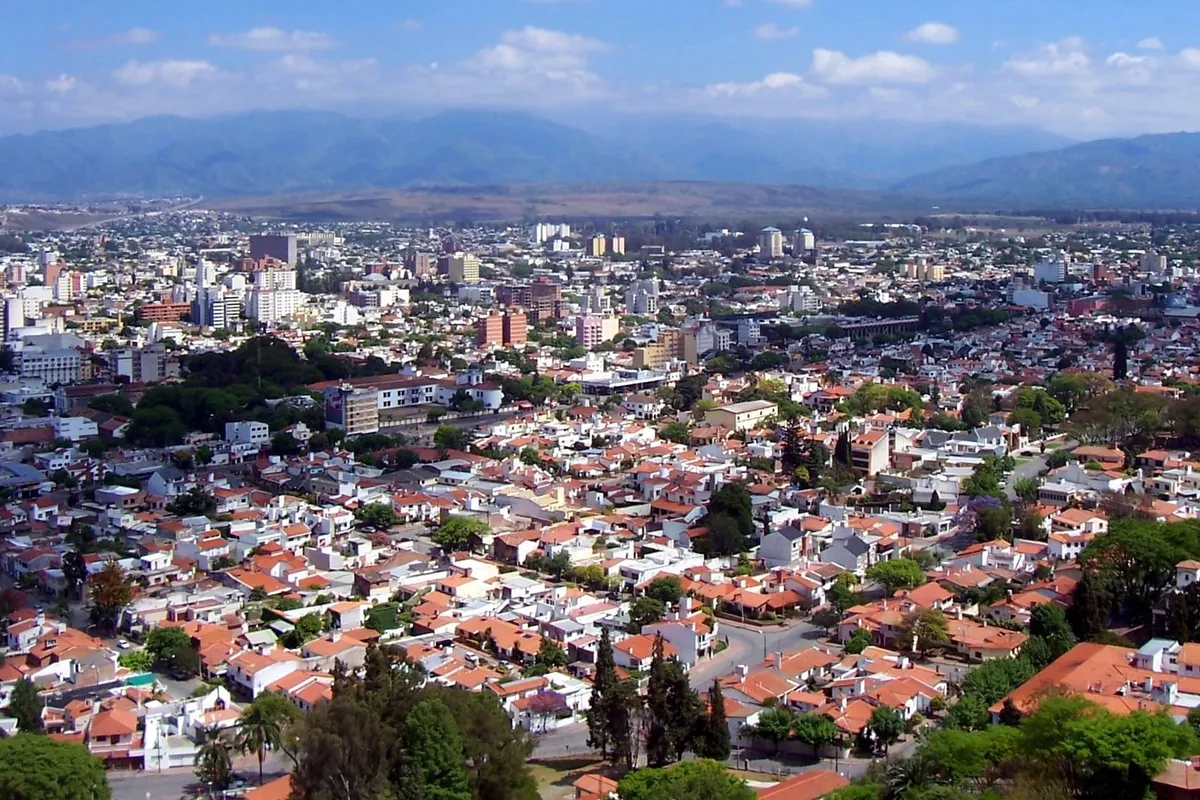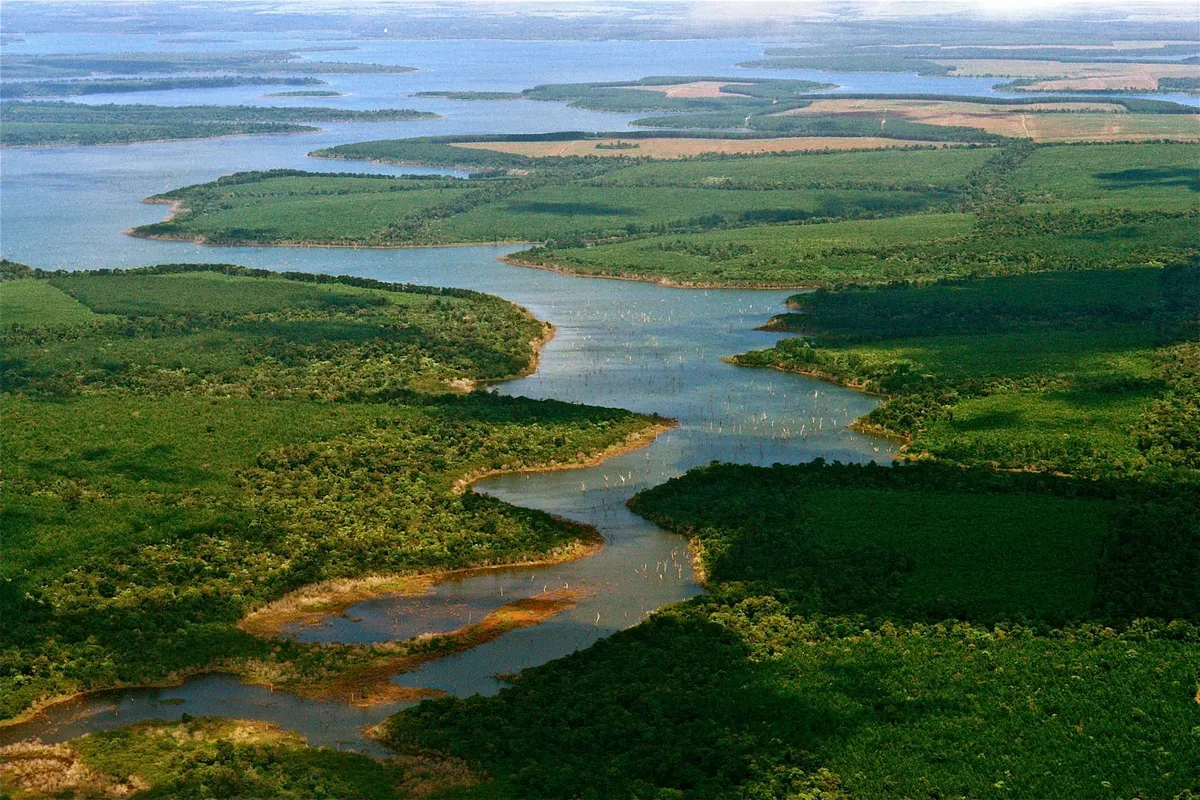
Corrientes is the heart of Guaraní Argentina — 1.12 million inhabitants, 88,199 km², with Guaraní as the second official provincial language since 2004 (the only Argentine province with such legal status), capital founded in 1588 at the confluence of the Paraná and Paraguay rivers, and a cultural identity blending the legacy of Jesuit missions, living Guaraní culture and chamamé — UNESCO Intangible Heritage since 2020. The province has three world-class attractions: the Iberá Wetlands (1.3 million-hectare provincial reserve, the planet's second-largest wetland after Brazil's Pantanal, where Tompkins Conservation and the Province rewilded the jaguar in 2021 after 70 years of local extinction, and reintroduced giant anteater, tapir, peccary, red-and-green macaw and marsh deer); the Corrientes Carnival (Argentina's biggest, running 6-8 nights between January and mid-February at the Nolo Alías Sambodrome with 70,000 capacity, with comparsas Ará Berá and Sapucay deploying 250-400 members each who invest USD 200-400,000 in costumes and floats); and Yapeyú (5,000 residents on the Uruguay River, former 1626 Jesuit reduction, birthplace of General José de San Martín — liberator of Argentina, Chile and Peru, born February 25, 1778). Beyond these: the Corrientes capital (358,000 residents, Paraná waterfront, historic core, Casino del Litoral), golden dorado sport fishing (Paso de la Patria, "National Capital of the Golden Dorado", 35.4 kg record), the National Chamamé Festival (January, 60-80,000 attendees), Jesuit ruin towns and Guaraní cuisine (chipa, mbaipy, sopa paraguaya, cassava). CNQ Airport 11 km from the capital with daily flights from Aeroparque (1h30, USD 70-180). Climate is humid subtropical: hot rainy summers (22-33°C), mild dry winters (11-23°C, best for Iberá), Carnival at peak heat.
Corrientes Climate (capital)
| Month | Temp. | Rain | Crowds | Note |
|---|---|---|---|---|
| Jan | 22° / 33°C | 160 mm | Carnival — peak season | |
| Feb | 22° / 32°C | 150 mm | Carnival continues | |
| Mar | 20° / 30°C | 140 mm | ||
| Apr | 17° / 27°C | 160 mm | ||
| May | 14° / 23°C | 110 mm | ||
| Jun | 11° / 20°C | 60 mm | ||
| Jul | 11° / 21°C | 50 mm | Best for Iberá (dry) | |
| Aug | 12° / 23°C | 60 mm | ||
| Sep | 14° / 25°C | 110 mm | ||
| Oct | 17° / 28°C | 160 mm | ||
| Nov | 19° / 30°C | 170 mm | ||
| Dec | 21° / 32°C | 170 mm |
Distances within Corrientes
| From | Distance | Flight | Bus | Drive |
|---|---|---|---|---|
| Buenos Aires (AEP) | 1020 km | 1 h 30 | 12-14 h | 11 h |
| Resistencia (Chaco) | 18 km | — | 40 min | 25 min |
| Mercedes (Iberá gateway) | 240 km | — | 3 h 30 | 3 h |
| Posadas (Misiones) | 370 km | — | 5 h | 4 h 30 |
| Yapeyú | 400 km | — | 5 h 30 | 4 h 30 |
| Iguazú | 680 km | — | 9 h | 8 h |
Typical Prices in Corrientes (USD)
| Category | Budget | Mid-range | Luxury |
|---|---|---|---|
| 3★ hotel capital (double) | USD USD 40-60 | USD USD 60-95 | USD USD 120-180 |
| Iberá lodge Mercedes (double FB) | USD USD 90-140 | USD USD 180-280 | USD USD 350-650 |
| Capital hostel (dorm) | USD USD 12-22 | USD USD 25-40 | — |
| Regional lunch (chipa, mbaipy) | USD USD 8-12 | USD USD 14-22 | USD USD 28-45 |
| Iberá boat tour (2h) | USD USD 20-30 | USD USD 40-60 | USD USD 80-120 |
| Iberá horseback (half-day) | USD USD 35-50 | USD USD 60-90 | USD USD 110-160 |
| Carnival ticket (corsódromo) | USD USD 15-25 | USD USD 30-55 | USD USD 80-150 |
| Car rental (per day) | USD USD 40-55 | USD USD 60-90 | USD USD 110-160 |
Prices April 2026. Carnival (Jan-Feb) and Iberá dry season (Jun-Aug): hotels +60-120%. Book Iberá lodges 90+ days ahead.
The Four Tourist Zones of Corrientes
1. Corrientes capital — Paraná waterfront and historic center
358,000 inhabitants, founded 1588. Costanera General San Martín (one of the loveliest urban riverwalks in Litoral, 4 km along the Paraná), Government House (1888, neoclassical), Cathedral Basilica of Our Lady of the Rosary, San Francisco Convent (1588 founding), Manuel Cabral History Museum, Plaza 25 de Mayo, Casino del Litoral, General Belgrano Bridge (to Chaco). CNQ Airport with daily flights. Cuisine: chipa, mbaipy, Paraguayan soup, fried cassava.
2. Iberá Wetlands — bases at Mercedes and Carlos Pellegrini
See the complete Mercedes guide (gateway to Iberá). 1.3 M ha provincial reserve, the planet's second-largest wetland mass. Rewilded fauna: jaguar (since 2021, 22 free individuals as of 2026), giant anteater, tapir, peccary, marsh deer, red-and-green macaw. Boats on Iberá Lagoon, horseback rides, wildlife observation, premium lodges. Best season: June-September (dry).
3. Corrientes Carnival — Argentina's largest sambodrome
See the complete Carnival guide. 6-8 nights between January and February, Nolo Alías Sambodrome (70,000 spectators), comparsas Ará Berá and Sapucay with 250-400 members each. Costumes with feathers and embroidery (USD 8,000-25,000 per member), 25-meter floats, batucadas and queens. Argentina's most important carnival, comparable to Gualeguaychú and Encarnación (Paraguay).
4. Yapeyú — birthplace of San Martín and Jesuit reduction
See the Yapeyú guide. 5,000 inhabitants on the Uruguay River, former Jesuit-Guaraní mission town founded in 1626. Birth House of San Martín (museum, free entry), Iglesia Nuestra Señora de los Reyes (rebuilt on 1626 foundations), historic vault, Plaza Sanmartiniana. National Historic Site. Patriotic ceremony on August 17.
How to Get to Corrientes
By Air
Cambá Punta Airport (CNQ) 11 km from the capital, taxi USD 8-12. Daily flights from Aeroparque with Aerolíneas Argentinas (1h30, USD 70-180). For Iberá-Carlos Pellegrini, alternative airport is Posadas (PSS, 370 km to Mercedes, 5h drive).
By Bus
From Retiro (BA) to Corrientes Bus Terminal: 12-14h, USD 50-95 (Crucero del Norte, Tigre Iguazú, Vosa). Connections: capital ↔ Mercedes (Iberá): 3h30 (USD 12-20); capital ↔ Yapeyú: 5h30; capital ↔ Posadas: 5h.
By Car
From Buenos Aires: 1,020 km on RN 12 through Entre Ríos and Corrientes — 11 hours, fully paved. From Iguazú: 680 km on RN 12 (8 hours).
When to Visit Corrientes
- January-February (Carnival): world-class event. Capital packed, hotels +60-120%. Book 60-90 days. Intense heat 32-37°C, high humidity.
- March-May: ideal shoulder season — mild humid weather, Iberá still navigable, normal prices.
- June-August: best season for Iberá (dry, 20-25°C daytime), most visible fauna, optimal observation. Carnival is over, low crowds.
- September-October: spring, wetland flora in bloom, ideal for photography.
- November-December: rising heat, intense rains, Iberá rural roads may close.
Book Corrientes

Hotel in Corrientes capital
3-4★ hotels facing the Paraná waterfront. From USD 60/night.
Iberá Lodge (Mercedes/Pellegrini)
Lodges within the wetlands, guaranteed wildlife, full board with guides.
Frequently Asked Questions about Corrientes
What is the most important thing to see in Corrientes?
Three world-class attractions: (1) the Iberá Wetlands (1.3 million-hectare provincial reserve, the world’s second-largest wetland after Brazil’s Pantanal), where the jaguar, giant anteater, tapir, peccary and marsh deer have been rewilded — base in Mercedes or Carlos Pellegrini; (2) the Corrientes Carnival in the capital (January-February, Argentina’s biggest carnival with a 70,000-capacity sambodrome and comparsas of 250-400 members investing USD 200,000+ in costumes); (3) Yapeyú (birthplace of San Martín, liberator of half a continent, with his birth-house museum and historical vault). Also: chamamé (UNESCO Intangible Heritage 2020), living Guaraní culture (the official provincial language), golden dorado sport fishing on the Paraná River and Jesuit ruins.
When is the Corrientes Carnival?
The "carnival nights" run from January to mid-February, with 6-8 nights scheduled at the Nolo Alías Sambodrome (capital), 70,000 capacity. The two historic comparsas are Ará Berá ("Bright Sky" in Guaraní) and Sapucay ("Cry" in Guaraní), with a century-old rivalry. Official program published in September the year before (carnavalcorrientes.com). Tickets USD 15-150 by night and zone. Book hotel 60-90 days ahead — capital saturates.
How many days do you need in Corrientes?
Minimum 5 days to combine capital + Iberá: day 1-2 capital (Paraná waterfront, historic center, museums), day 3 transfer to Mercedes (240 km, 3h by bus or car) or Carlos Pellegrini (310 km), days 4-5 Iberá (boats, horseback rides, wildlife). For Carnival add 3-4 nights in capital. Full provincial itinerary 8-10 days: capital + Iberá + Yapeyú (San Martín) + Paso de los Libres (Brazil border). Combinable with Misiones (Iguazú 680 km).
How do I get to the Iberá Wetlands?
Two main gateways: (1) Mercedes (240 km from Corrientes capital, 3h by bus): largest town, most hotel options, ideal base for excursions to Laguna del Iberá; (2) Carlos Pellegrini (340 km from capital, 5h by bus or 4x4): a 1,000-resident village right on Laguna del Iberá — the more expensive and exclusive option, with 5★ premium lodges (Posada de la Laguna, Rincón del Socorro). Access via Corrientes Airport (CNQ) + car/van transfer, or Posadas Airport (PSS, 370 km to Mercedes). Recommended: tourist van from Corrientes capital or your own car (rural roads require dry season, April-September).
Is Iberá safe? Do I need vaccines?
Yes, totally safe. The Wetlands are a 30+ year organized tourism destination, with lodges with professional guides, basic infrastructure (electricity, drinking water, limited internet) and security. Wild animals (jaguar, caiman, anaconda) are observed in the wild but at distance under guide. Vaccinations: not required, but yellow fever recommended (valid 10 years) if coming from an endemic zone or planning to cross to the Pantanal. Strong repellent and long pants on afternoon excursions for mosquitoes. Hydration and sunscreen essential.
What is chamamé?
Chamamé is the folk genre born in Argentina’s Litoral region and southern Paraguay, played with accordion, guitar, double bass and bandoneón, in characteristic 6/8 time, with songs in Spanish, Guaraní or both. UNESCO Intangible Cultural Heritage of Humanity (December 2020). The National Chamamé Festival is held in Corrientes capital every January (Cocomarola Amphitheatre, 12,000 capacity) — 7-9 nights with top artists: Mario Bofill, Antonio Tarragó Ros, Tránsito Cocomarola legacy, Lucas Monzón. The festival draws 60-80,000 visitors and is an excellent alternative to Carnival for those who prefer folklore over comparsas.
Why is Yapeyú important?
Yapeyú (5,000 inhabitants, on the Uruguay River) is the birthplace of General José de San Martín, liberator of Argentina, Chile and Peru — born there on February 25, 1778. Birth House of San Martín (history museum, free entry, open daily), Iglesia Nuestra Señora de los Reyes (reconstructed Jesuit-Guaraní temple, original 1626 plan), historical vault holding remains of the Liberator’s sisters. Yapeyú was earlier a Jesuit Mission founded in 1626, one of the 30 reductions of the Jesuit-Guaraní system (UNESCO declared 4 nearby ones World Heritage in 1983). The whole town is a National Historic Site. Patriotic ceremony on August 17 (San Martín’s death anniversary) draws visitors from across the country. 400 km from Corrientes capital, best combined with Misiones (Iguazú).
What is golden dorado fishing?
The golden dorado (Salminus brasiliensis) is the star sport-fishing species of Argentina’s Litoral, considered "the Paraná tiger" — reaches 30 kg in adults, fights intensely when hooked and only eats live fish (never bait). Corrientes is Argentina’s top golden-dorado destination, with bases in the capital (Paraná River), Paso de la Patria (50 km from capital, "National Capital of the Golden Dorado"), Itá Ibaté and Berón de Astrada. Fishing season: October-March. Catch & release mandatory by provincial regulation. Cost: boat + professional guide USD 200-400 per day (4-6 anglers, all gear included). Specialized lodges from USD 280/night with fishing included. Provincial all-time record: 35.4 kg.