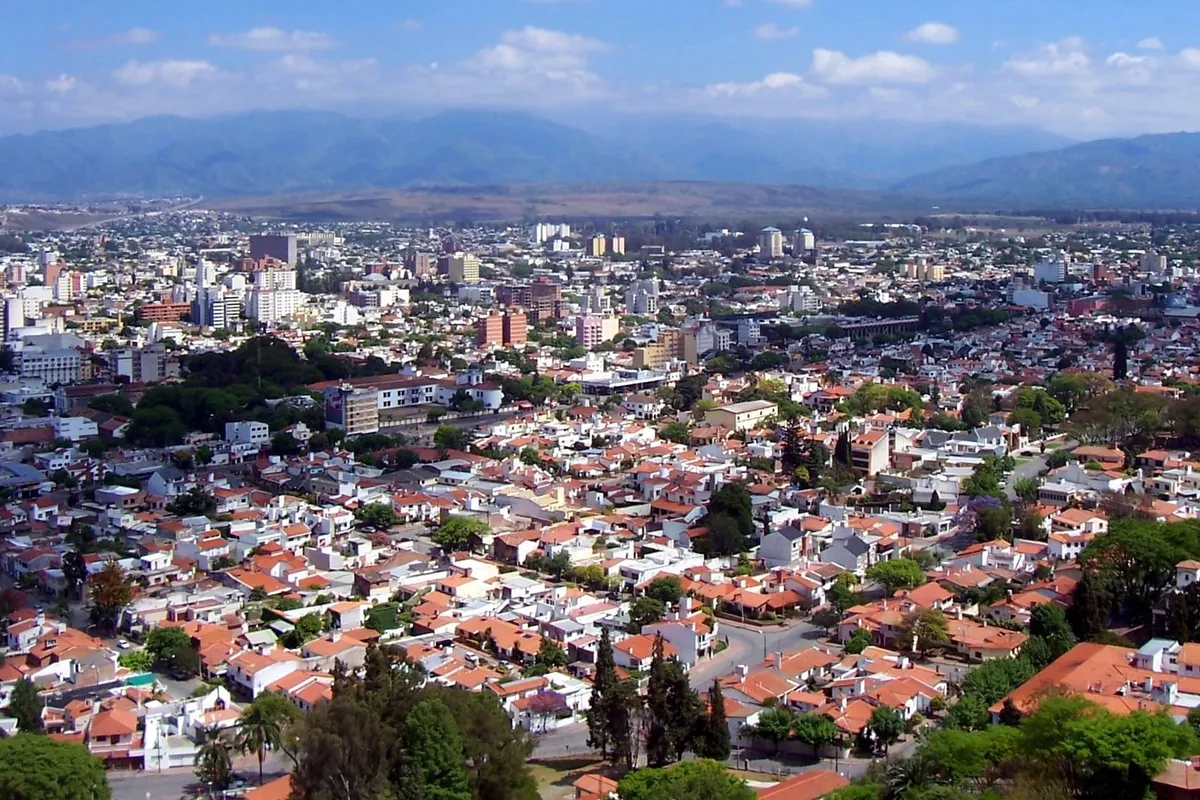
Santiago del Estero is the oldest province in present-day Argentina — its capital was founded by Francisco de Aguirre on July 25, 1553, two decades before Buenos Aires (1580), Salta (1582) and Córdoba (1573), earning it the official title of "Mother of Cities." Located in the heart of northwestern Argentina (NOA), the province covers 136,351 km², has 979,000 inhabitants (2022 Census), a subtropical arid climate with extreme summers (38-45°C) and mild dry winters, and a distinct cultural identity rooted in the chacarera — Argentina's most widespread folk genre, born on these very plains. The province's star tourist attraction is Termas de Río Hondo, 65 km northwest of the capital: a thermal resort town of 31,000 with 89 hotels (Argentina's largest thermal hotel concentration), all with their own pools fed by mineralized waters from 200-1,200 meter wells at 30-65°C. Since 2014, Termas has hosted the Argentine MotoGP Grand Prix at its International Circuit (4,806 m, 14 turns) every March, drawing 130,000-160,000 spectators. The capital, Santiago del Estero city (358,000 pop, 199 m a.s.l.), preserves the Cathedral Basilica, the Santo Domingo Convent (with the True Cross splinter brought by San Francisco Solano in 1593), the Bicentennial Cultural Center, Aguirre Park and the Forestry Museum. Cuisine is deeply criollo: locro santiagueño with tripe and white corn, tamales en chala, clay-oven empanadas and mistela. It's a less touristy province than Salta or Mendoza, which means significantly more accessible prices, unmatched value at thermal hotels, and authentic contact with the criollo culture of the Argentine Northwest.
Santiago del Estero Climate (capital)
| Month | Temp. | Rain | Crowds | Note |
|---|---|---|---|---|
| Jan | 22° / 36°C | 120 mm | Extreme summer — avoid | |
| Feb | 21° / 34°C | 110 mm | National Chacarera Festival | |
| Mar | 19° / 32°C | 90 mm | MotoGP — peak season | |
| Apr | 15° / 28°C | 40 mm | ||
| May | 11° / 24°C | 15 mm | ||
| Jun | 8° / 22°C | 8 mm | Thermal season starts | |
| Jul | 7° / 22°C | 6 mm | Argentine winter break | |
| Aug | 9° / 25°C | 8 mm | ||
| Sep | 12° / 28°C | 20 mm | ||
| Oct | 15° / 31°C | 40 mm | ||
| Nov | 18° / 33°C | 70 mm | ||
| Dec | 21° / 35°C | 110 mm |
Distances to Santiago del Estero
| From | Distance | Flight | Bus | Drive |
|---|---|---|---|---|
| Buenos Aires (AEP) | 1060 km | 1 h 50 | 13-15 h | 12 h |
| Tucumán | 165 km | — | 2 h 30 | 2 h |
| Salta | 490 km | — | 7 h | 6 h |
| Córdoba | 430 km | — | 6 h | 5 h |
| Termas de Río Hondo | 65 km | — | 1 h | 50 min |
| Catamarca (capital) | 330 km | — | 5 h | 4 h |
Typical Prices in Santiago del Estero (USD)
| Category | Budget | Mid-range | Luxury |
|---|---|---|---|
| 3★ hotel capital (double) | USD USD 35-50 | USD USD 50-80 | USD USD 90-140 |
| Thermal hotel Río Hondo (double FB) | USD USD 60-90 | USD USD 90-150 | USD USD 180-320 |
| Capital hostel (dorm) | USD USD 12-22 | USD USD 25-40 | — |
| Regional lunch (locro/tamales) | USD USD 8-12 | USD USD 14-22 | USD USD 28-45 |
| Thermal spa full-day | USD USD 18-28 | USD USD 35-55 | USD USD 80-130 |
| Bus capital ↔ Termas de Río Hondo | USD USD 4-6 | — | — |
| Car rental (per day) | USD USD 35-50 | USD USD 55-75 | USD USD 90-130 |
| MotoGP ticket (March, daily) | USD USD 45-80 | USD USD 100-180 | USD USD 250-450 |
Prices April 2026. MotoGP (March) and thermal season (June-August): hotels +50-100%. Book 60+ days ahead.
The Three Tourist Zones of Santiago del Estero
1. Termas de Río Hondo — Argentina's largest thermal resort
See the complete Termas de Río Hondo guide. 89 hotels with their own thermal pools (the country's largest concentration), mineralized waters at 30-65°C, the International Circuit hosting MotoGP every March, the Río Hondo Reservoir of 33,000 hectares (artificial lake on the Dulce River — pejerrey and golden dorado fishing), and Termas Casino (one of Argentina's largest with 1,000 slot machines and gaming tables). Peak season: June-August (cold outdoor weather + hot water) and March (MotoGP).
2. Santiago Capital — the Mother of Cities
See the complete capital guide. The first city founded (1553) in present-day Argentina. Cathedral Basilica of Our Lady of Loreto (18th century), Santo Domingo Convent (custodian of a True Cross splinter brought by San Francisco Solano in 1593), Bicentennial Cultural Center, Aguirre Park (the city's oldest, 70 hectares, artificial lake), Lucas Roselli Forestry Museum, Plaza Libertad. National Chacarera Festival in February. SDE Airport with daily flights from Aeroparque (Aerolíneas Argentinas, 1h50).
3. Loreto and the Cotton Route
The southern province around Frías and Loreto preserves a rural identity tied to cotton farming (the province's main economy from 1930-1970). Artisanal goat cheese from Loreto, carob honey, religious festivities (Loreto, patron of Santiago) in September. A barely-touristed agro-industrial route with authentic criollo charm for those seeking adventure off the beaten path.
How to Get to Santiago del Estero
By Air
Vicecomodoro Ángel de la Paz Aragonés Airport (SDE), 6 km from the capital center. Daily flights from Aeroparque (AEP) with Aerolíneas Argentinas — 1h50 duration, USD 70-180 one-way depending on advance booking. The route is profitable during MotoGP (March) — book 60+ days ahead. From Termas de Río Hondo, the airport is 65 km (60 min by car). Alternatively, Benjamín Matienzo Airport (TUC) in Tucumán is 100 km from Termas with more daily flights from Buenos Aires.
By Bus
From Retiro (Buenos Aires) to Santiago capital bus terminal: 13-15 hours, USD 55-95 (sleeper / premium suite). Operators: Andesmar, Chevallier, Cata, La Estrella, Flecha Bus. Multiple daily frequencies. Internal connections: capital ↔ Termas de Río Hondo every 30-60 minutes (1 hour, USD 4-6). Capital ↔ Tucumán: 2h30 (USD 10-15). Capital ↔ Salta: 7h (USD 30-45).
By Car
From Buenos Aires: 1,060 km on RN 9 (NOA Highway to Rosario, then National Route 9 through Córdoba and Frías) — 12 hours driving. From Tucumán: 165 km on RN 157 (2 hours). From Salta: 490 km on RN 9 (6 hours). Road conditions: good (RN 9 fully paved, dual carriageway to Rosario). Fuel pricier than Buenos Aires (+8-12%). Car rental at SDE airport: USD 40-70 per day.
When to Visit Santiago del Estero
Climate is the decisive factor — Santiago has one of Argentina's hottest summers, with absolute records of 47°C measured in the capital (January 2022).
- March (MotoGP): world-class event, packed city, hotels +50-100%, unique atmosphere. 2nd-3rd week of the month. Book 90+ days ahead.
- April-May: ideal shoulder season — mild dry weather (15-28°C), pleasant hot springs, normal prices, low crowds.
- June-August: peak thermal season. Cold outdoor weather (5-22°C, ideal contrast with pools), 70-90% occupancy, prices +20-40%. Winter holidays (July) saturated.
- September-November: mild spring weather (12-31°C), comfortable hot springs, moderate prices.
- December-February: AVOID except MotoGP. Extreme summer 38-45°C daytime, nights 25-30°C. Hot springs lose appeal (everyone wants cold water). Only recommended in February for the National Chacarera Festival.
Book Termas de Río Hondo and the Capital

Thermal Hotel (Río Hondo)
89 thermal hotels with private pool, from USD 60/night double full board.
Flight to Santiago (SDE)
Direct AEP–SDE flights 1h50, from USD 70 one-way with Aerolíneas Argentinas.
Termas + MotoGP Tour
4-day March MotoGP package: flight + thermal hotel + circuit ticket.
Frequently Asked Questions about Santiago del Estero
What is the most important thing to see in Santiago del Estero?
Termas de Río Hondo (65 km from the capital) is the central attraction — 89 hotels with their own thermal pools, mineralized water at 30-65°C from underground aquifers, and the International Termas de Río Hondo Circuit, host of the Argentine MotoGP Grand Prix every March. The capital, Santiago del Estero (the oldest city in present-day Argentina, founded 1553), preserves the Cathedral Basilica, the Santo Domingo Convent (which guards a splinter of the True Cross brought by San Francisco Solano in 1593), Aguirre Park, the Bicentennial Cultural Center and the Forestry Museum. The province is the cradle of chacarera, Argentina's most widespread folk genre, with festivals every February.
How many days do you need in Santiago del Estero?
Minimum 3 days: day 1 capital (Cathedral, Bicentennial Center, local food), day 2 transfer to Termas de Río Hondo and thermal spa, day 3 full day of hot springs + Río Hondo Reservoir (33,000-hectare artificial lake). For MotoGP (March) add 2 extra days for Friday-Saturday practice and Sunday races. Combinable with Tucumán (165 km, 2h30 by bus) in a 7-day mini NOA circuit including Tafí del Valle.
When is the best time to visit Termas de Río Hondo?
June-August is the peak thermal season — the hot water offsets the outdoor cold (5-22°C daytime, perfect for alternating thermal pools and outdoor air). March is the headline event: MotoGP (Argentine Grand Prix) fills the area — book hotels 90+ days ahead. Avoid December-February: outdoor temperatures of 38-45°C make the thermal resort unpleasant. April-May and September-November are shoulder seasons: mild weather, moderate prices, no crowds.
How do I get to Termas de Río Hondo from Buenos Aires?
Fly to Tucumán (TUC, 1h55) and transfer by bus or car (2 hours, 100 km south). Fly to Santiago del Estero (SDE, 1h50) and bus or car (50 minutes, 65 km). Direct bus from Retiro: 13-15 hours (USD 55-95, Andesmar / Chevallier). By car: 1,130 km on RN 9 (12h). For MotoGP, flights to TUC or SDE fill up — book 60+ days ahead.
What kind of thermal water does Río Hondo have?
Termas de Río Hondo features mineralized water of meteoric origin (ancient rainwater filtered through deep aquifers), with surface temperatures between 30°C and 65°C depending on the well. Composition: bicarbonate-sodium-chloride waters with calcium, magnesium, sulfates and trace lithium. Indicated (per the Argentine Thermal Association) for arthritis, rheumatism, circulatory issues, stress and skin conditions. Each hotel has its own well and depth — some draw water from up to 1,200 meters. There are individual pools in rooms (French style) and shared climate-controlled pools (Italian style).
What is chacarera and why Santiago del Estero?
Chacarera is an Argentine folk music and dance genre born in Santiago del Estero in the late 19th century. Played with guitar, bombo legüero drum and violin or accordion, in 6/8 time, danced in independent couples with an 8-figure choreography. Chacarera is to Santiago what tango is to Buenos Aires and cueca to Cuyo. Main festival: the National Chacarera Festival in February (capital). Legendary artists: Don Sixto Palavecino, Los Hermanos Ábalos, Jacinto Piedra, the Carabajal family. It's the most widespread folk music in northwestern Argentina.
Does Argentina's MotoGP return every year?
The Argentine MotoGP Grand Prix is held at the International Termas de Río Hondo Circuit (4,806 m, 14 turns) since 2014. The traditional date is the second or third weekend of March. The event draws 130,000-160,000 spectators on race Sunday and generates an economic impact of USD 70-90 million for the province. Under the current Dorna Sports contract, MotoGP at Termas is confirmed through at least 2027. Verify exact date and ticket availability at motogp.com (bookings typically open in November-December).
What to eat in Santiago del Estero?
Santiago has deep criollo cuisine — locro santiagueño (with white corn, tripe, bacon, hominy and squash), tamales en chala (minced beef and corn wrapped in husk), Santiago empanadas (clay-oven baked, knife-cut beef and hard-boiled egg), humita en chala, woodfire bread, mistela (wine with honey and spices) and aloja (fermented carob-pod drink). Top restaurants: Mishqui Punkku (capital, gourmet criollo fusion), El Patio del Indio Froilán (capital, grill and live folklore), La Casa del Folclore (Termas de Río Hondo), Don Pedro (Termas, parrilla). Goat cheese from Loreto and carob honey as souvenirs.