Argentina's Italian river city — Messi's hometown, the birthplace of the national flag, and 9 miles of Paraná waterfront
Last updated: April 2026
Rosario is Argentina's Italian river city — and its third largest, with 1.03 million inhabitants (1.43 M in Greater Rosario, 2022 census). Set on the high western bluff of the Paraná River in Santa Fe province, Rosario combines three identities no other Argentine city carries together: it is the hometown of Lionel Messi and Che Guevara, the place where Manuel Belgrano first raised the Argentine flag on February 27, 1812, and the city with the country's deepest Italian-immigration heritage after Buenos Aires (around 60% of Rosario surnames trace to Italy). The 9-mile / 15-km riverfront promenade along the Paraná is the longest and best-designed in Argentina, and the islands directly opposite the city — reachable by 15-minute river launches — offer freshwater beaches in the middle of a 30-mile-wide / 50-km-wide pre-delta ecosystem.
For US/UK travelers, the easiest way to think of Rosario is as a hybrid: it has the Italian-American cultural depth of Boston's North End or Brooklyn's Bensonhurst (pizza, pasta, Sunday family lunch as institution), the river-city character of St. Louis or Memphis on the Mississippi (a great 19th-century inland port that turned its waterfront into public space late in life), and a football-tourism appeal that's exploded since the 2022 World Cup — Rosario produced not only Messi but also Marcelo Bielsa (Leeds United, Athletic Bilbao, Argentina, the philosophical coach who reshaped how the modern game is taught). 2 days: Flag Monument + riverfront + islands + Pichincha dinner. 3 days: add the Messi route (birthplace + Newell's stadium) and the Independence Park. 5 days: museums (MACRO, Memory Museum, Castagnino), the Boulevard Oroño art-déco walk, and a side trip to San Lorenzo (San Martín's 1813 battlefield, 12 mi north). The format works as a long weekend from Buenos Aires or as a 4-hour bus stop on a longer Argentina circuit.
Top attractions in Rosario
Real traveler data: Civitatis, GetYourGuide, verified reviews — April 2026.
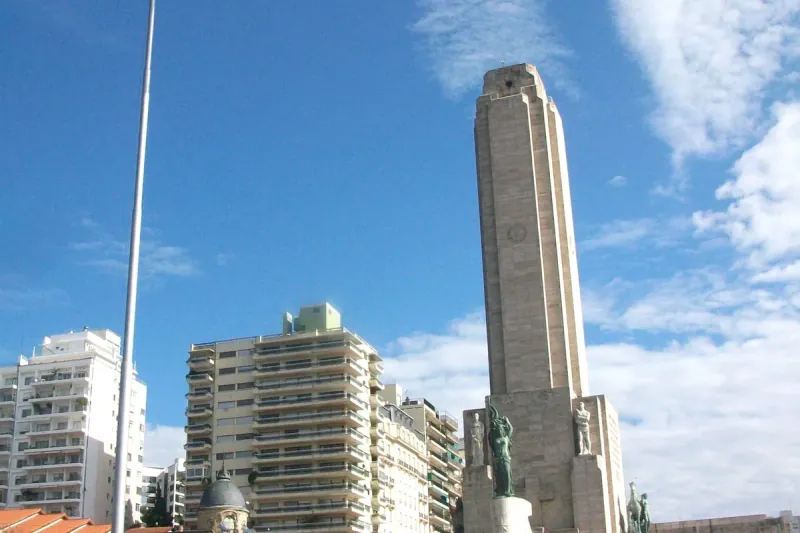
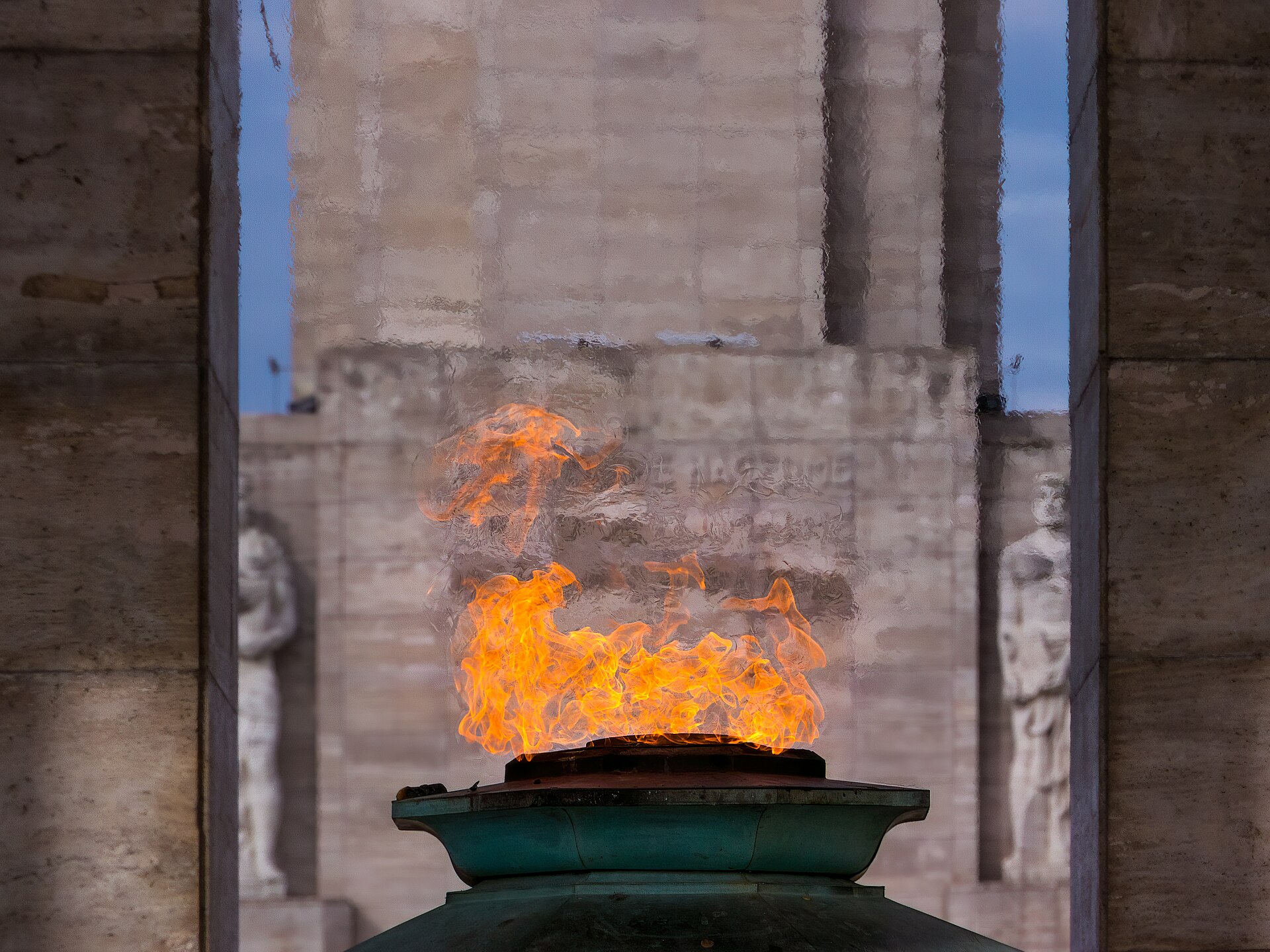
On the exact spot where Manuel Belgrano first raised the Argentine flag on February 27, 1812. A 230-ft / 70-m monumental complex inaugurated in 1957, with tower, civic plaza, propylaeum, and crypt of the unknown soldier. The tower observation deck has Paraná-and-city panoramic views. Visit 1-2 hours. <strong>Tower lift</strong>: USD 3, elevator included. Closed Mondays. For US visitors: independence was declared in Tucumán in 1816, but the FLAG was raised here four years earlier — this is Argentina's flag-raising shrine, not its independence shrine.
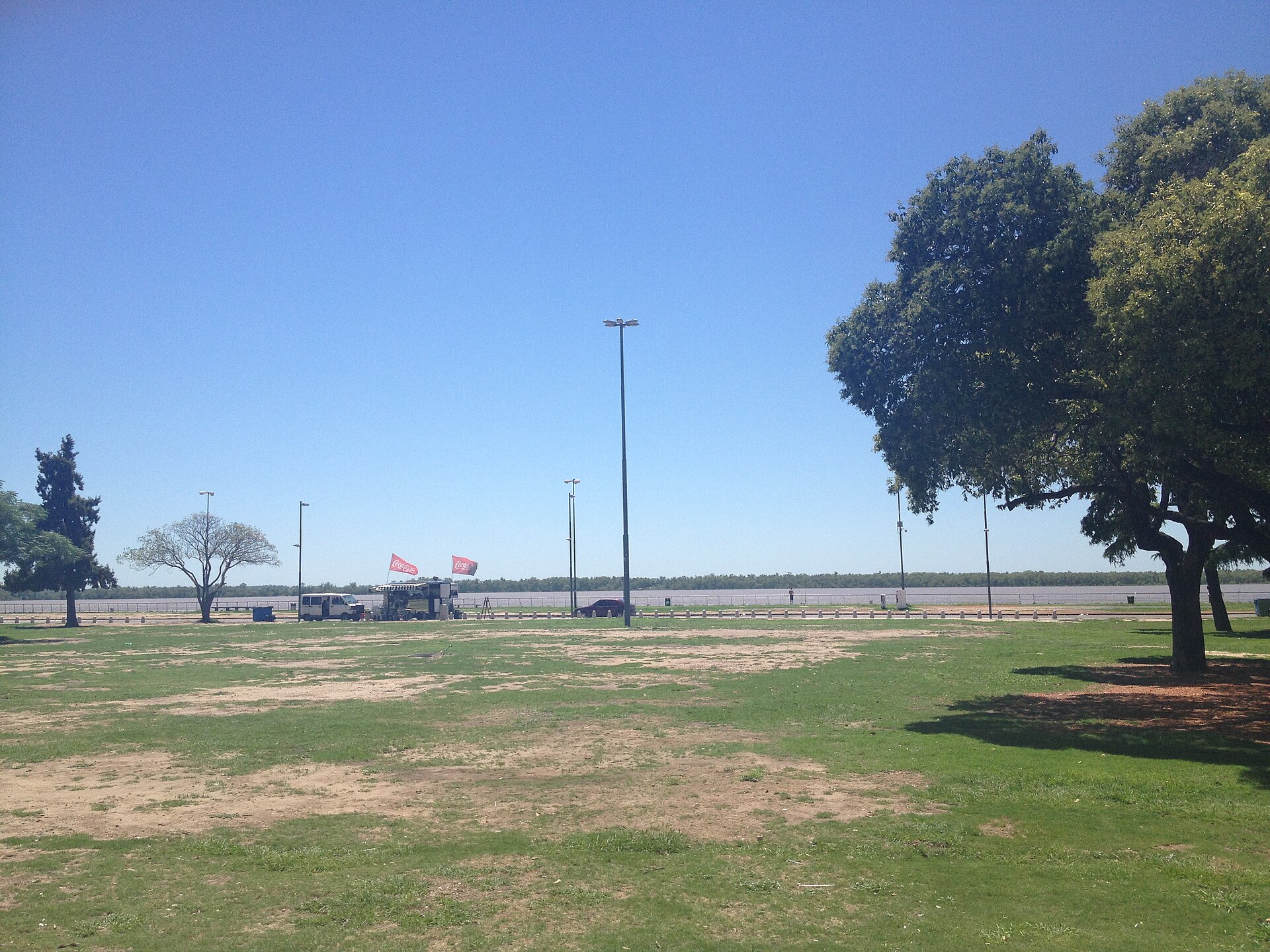
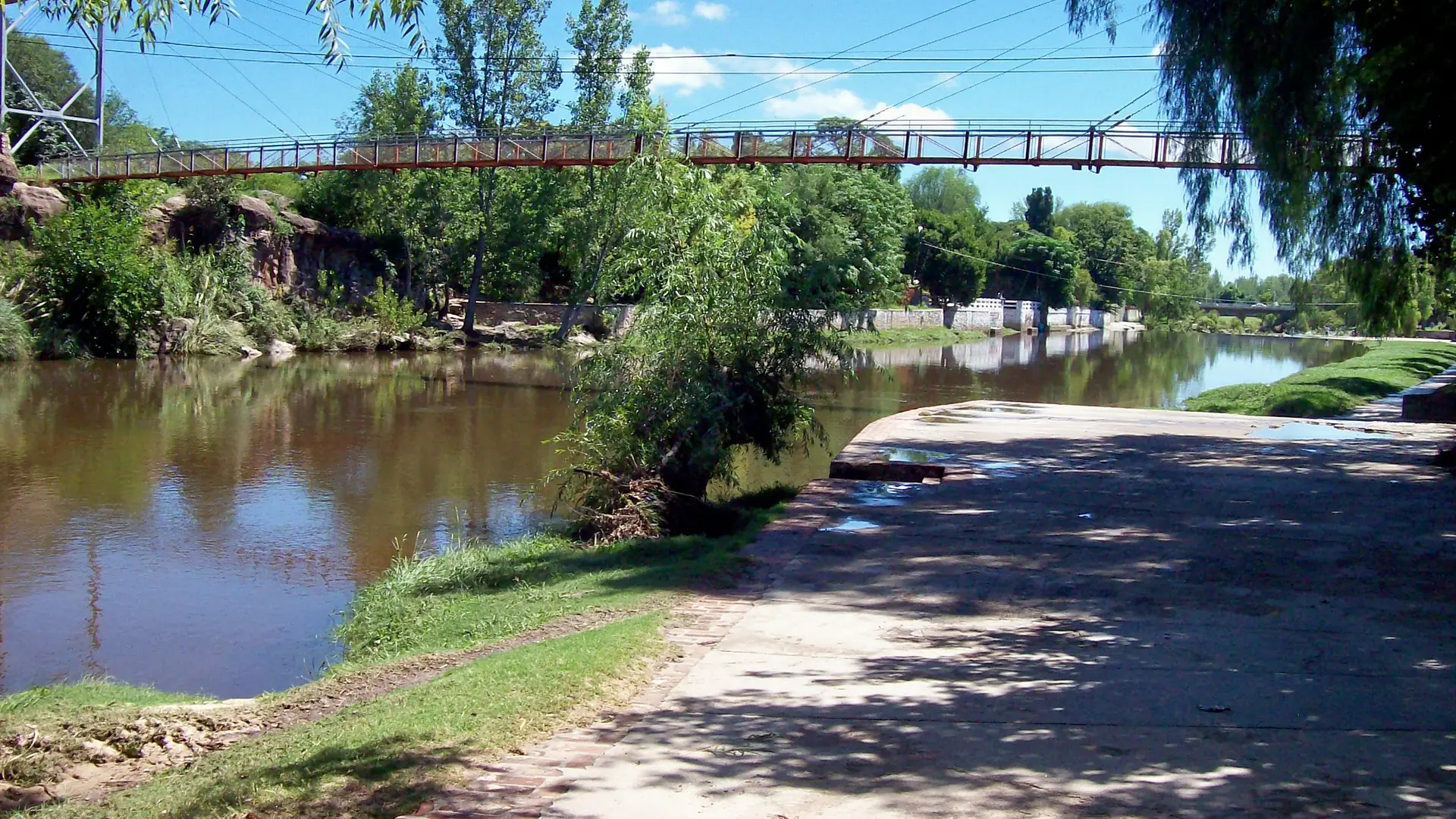
9 mi / 15 km of continuous public promenade along the Paraná — the longest in Argentina and the standout of any South American river city. Runs from Puerto Norte (the modernized old port with high-rises and waterfront restaurants) all the way down to Parque España (open-air amphitheater and the Spanish-Argentine cultural museum). Bicycle rental USD 3-5/h. Sunset over the river with the islands as backdrop is the iconic Rosario postcard. River launches to the islands depart from the Estación Fluvial in the city center.
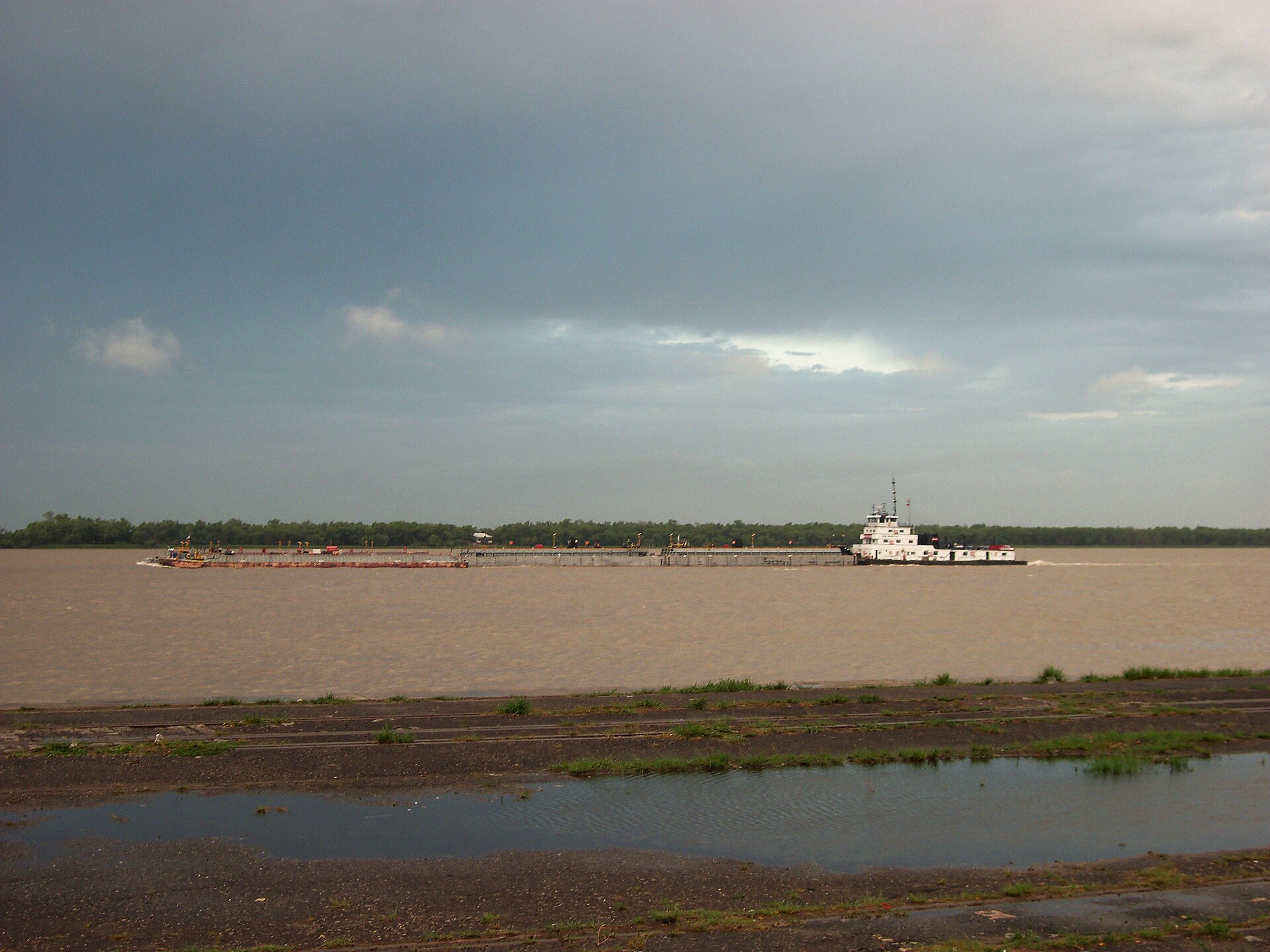
15 minutes by launch from the Estación Fluvial (Av. Belgrano y Sarmiento). Public launches USD 3-5 round trip, every 30-60 min in season. Beach huts with parrilla service, kayak rental USD 8-15/h, sandbars in summer. Peak season November to March. <strong>Bring</strong>: sunblock, water, mosquito repellent. The pre-delta ecosystem here is one of the largest in South America — comparable in scale (though not in form) to the Mississippi delta or Brazil's Pantanal. Eco-tour boats also available for birdwatchers.
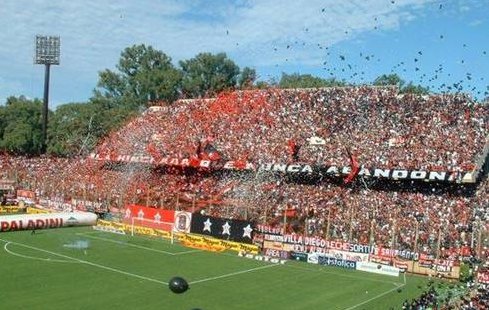
A walking-and-driving route through Lionel Messi's Rosario childhood. <strong>Birthplace</strong>: Lavalleja 525, Las Heras neighborhood (façade only — it's a private residence). <strong>Club Grandoli</strong>: where he first kicked a ball at age 5. <strong>Estadio Marcelo Bielsa (the old Coloso del Parque)</strong>: home of Newell's Old Boys, where he played the youth divisions until age 13 before Barcelona signed him. Murals across the city. For post-2022 World Cup football tourists: this is the equivalent of Maradona's Villa Fiorito for the previous generation. Guided tour USD 35-50, 3 hours.
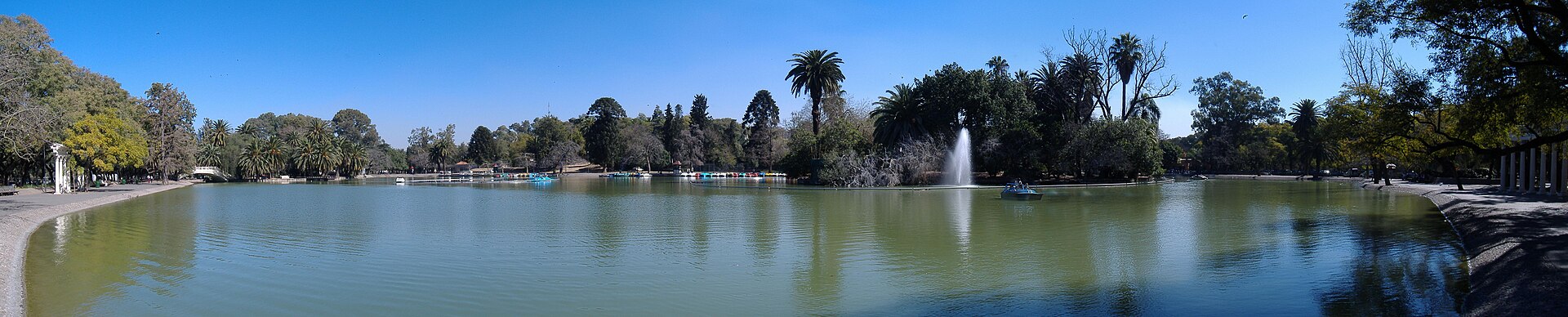
Rosario's 311-acre / 126-ha urban park, in the heart of the city. Artificial lake with paddle boats and carousel, French Garden, rose garden, and — uniquely for one urban park — both top-flight football stadiums: <strong>Estadio Marcelo Bielsa (Newell's Old Boys)</strong> and <strong>Estadio Gigante de Arroyito (Rosario Central)</strong> are walking distance apart. Walking + cycling 2-3 hours. Hippodrome, athletics track, public outdoor pool. Best urban park in inland Argentina.
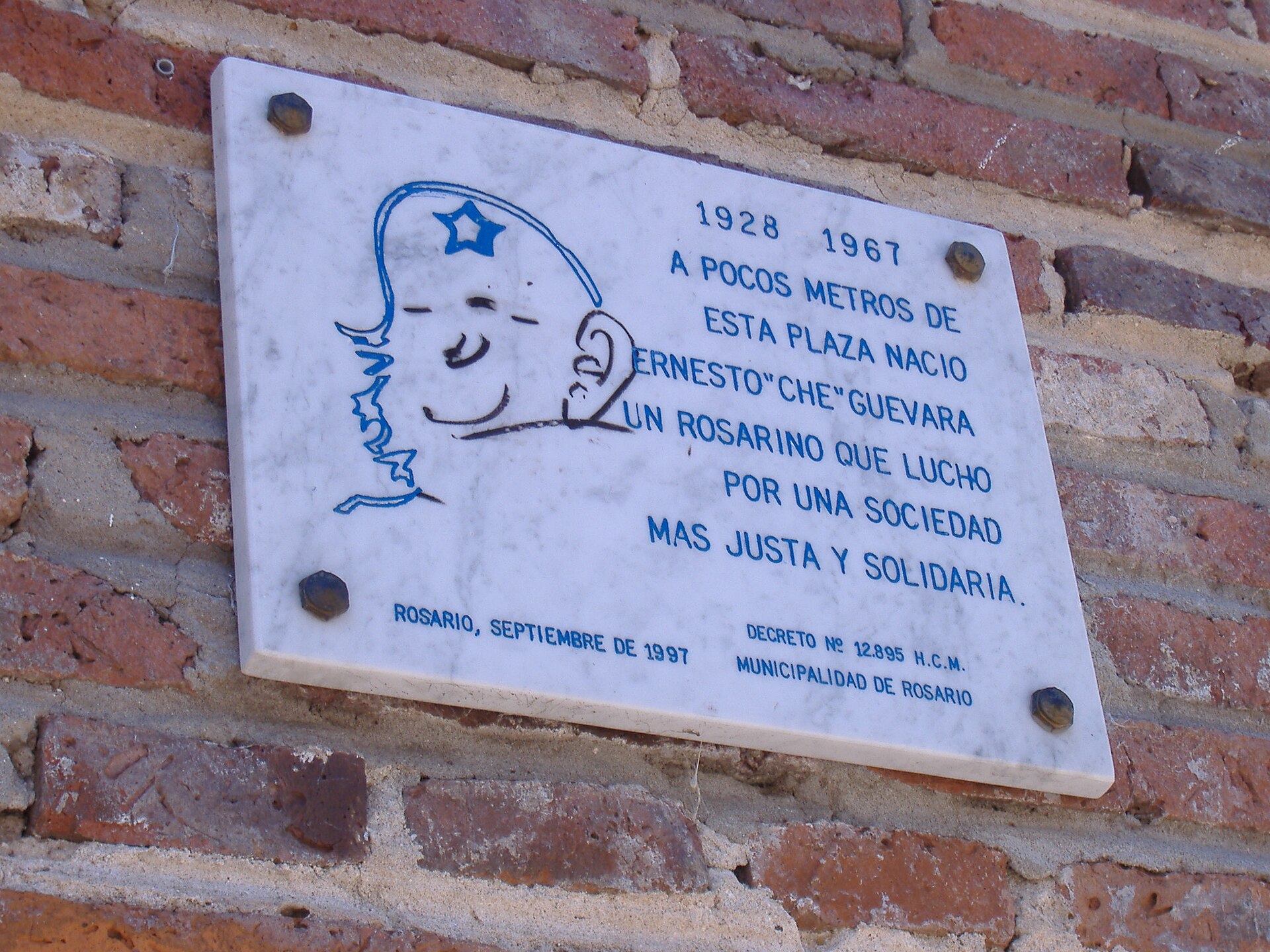
Building at Entre Ríos 480 (corner of Urquiza), where Ernesto "Che" Guevara was born on June 14, 1928. Commemorative plaque on the façade. <strong>NOT a museum</strong> (it's a private residence) — but a mandatory stop for those interested in Guevara. He was born in Rosario but raised in Alta Gracia (Córdoba) — for biography pages, use Córdoba, not Rosario. Combinable with a downtown walking tour. Visit 15 minutes.
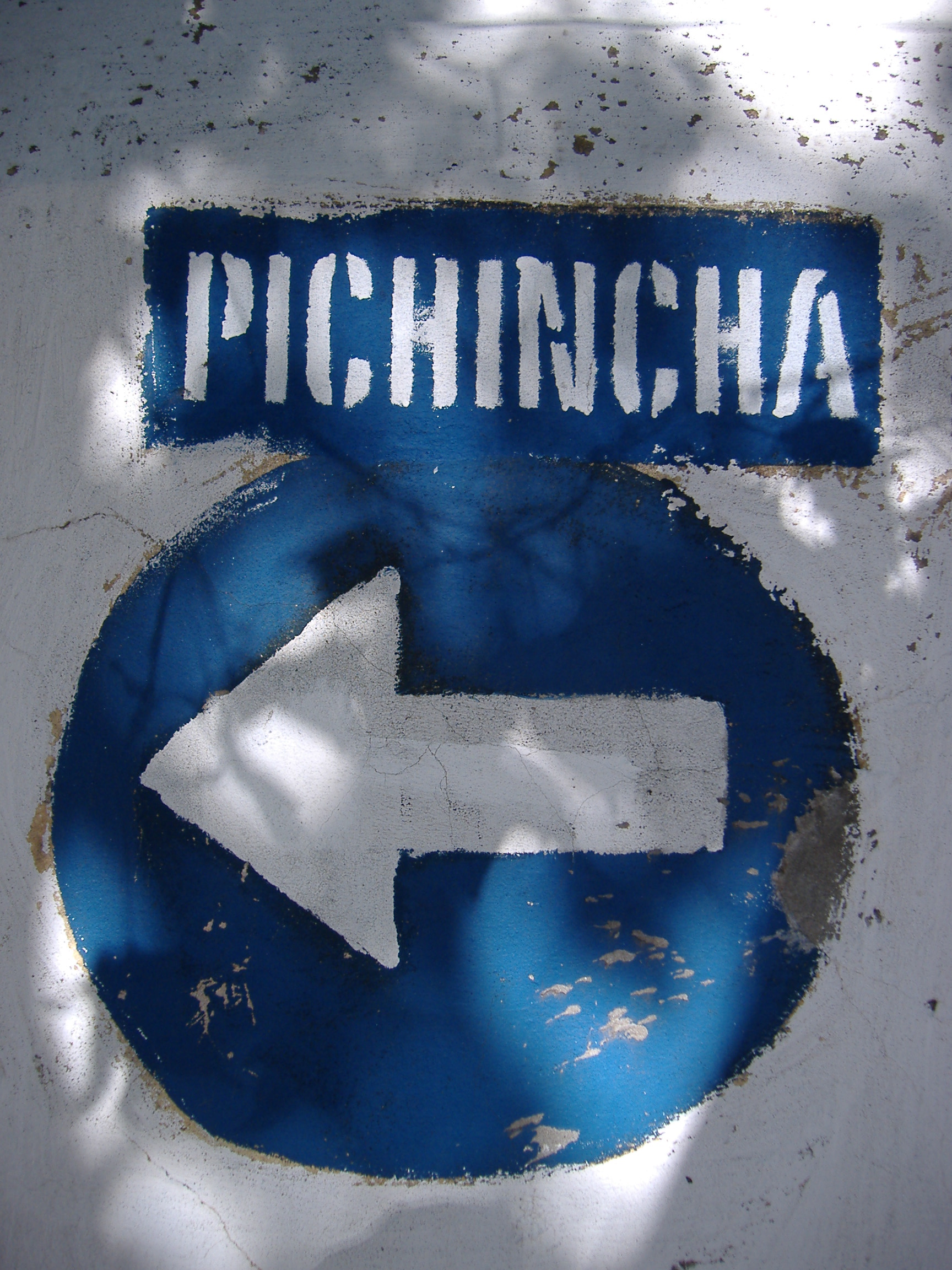
A former early-20th-century red-light district turned bohemian-gastronomic pole. The streets Brown, Ricardone, and Pichincha pack craft breweries, cocktail bars, chef-driven restaurants, and vintage shops. Active Thursday-Saturday nights. Recommended dinners at El Establo or Don Ferro, finish at a brewery. <strong>The pizza al canotto (high-edge Neapolitan-style) lives here.</strong> Comparable in feel to Brooklyn's Williamsburg or Berlin's Kreuzberg before they fully gentrified.
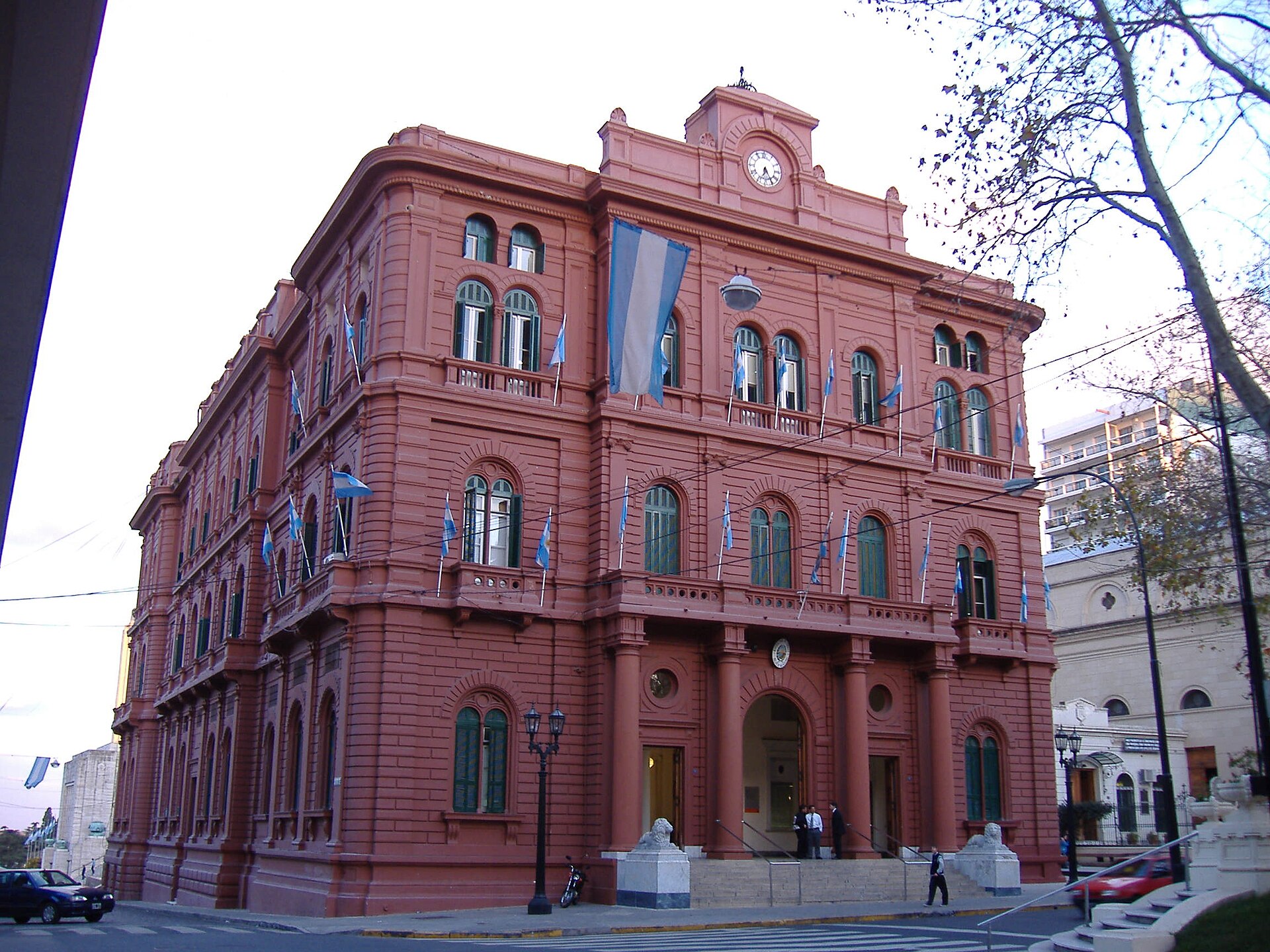
Rosario's founding square, surrounded by the Cathedral, the City Hall (Palacio de los Leones, 1898, French eclectic with eight marble lions), the Central Post Office, and the Decorative Arts Museum. 1-2 hour walk. This is downtown ground zero — the entire historic center radiates from here. 10 minutes on foot from the Flag Monument. The architecture reflects Rosario's 1880-1920 prosperity peak, when the city briefly outranked Buenos Aires in some commercial indicators.
Rosario has a temperate-humid climate similar to Buenos Aires, but with hotter, more humid summers because of the Paraná River. Hot summer (Dec-Feb, 70-90°F / 21-32°C, high humidity, afternoon thunderstorms), mild fall (Mar-May, 57-82°F / 14-28°C, ideal for the riverfront), cool winter (Jun-Aug, 45-63°F / 7-17°C, occasional frost, gray days), and golden spring (Sep-Nov, jacarandas in bloom, river breeze).
The Paraná River regulates the climate and lifts the humidity: in summer the heat index can hit 100°F / 38°C on windless days. Avoid January if possible — heat plus a half-empty city as locals decamp to the Atlantic coast. Winter has beautiful days: 63°F / 17°C with sun, walkable promenade, empty museums. The islands run at full capacity October-April (beach huts, sandbars, frequent launches).
Rosario: Flag Monument, Paraná riverfront, Pichincha, Newell's stadium
Suggested itineraries
Real routes built by locals — pick the one that fits your days.
2days
Rosario express
For travelers coming from Buenos Aires by bus or car. The essentials without rushing: Flag Monument + riverfront + islands + Pichincha dinner.
Highlights
Flag Monument
Paraná riverfront
Paraná islands
Pichincha
Pizza al canotto
Day by dayHide day by day
Day 1
Arrival + downtown
Arrive at ROS (50-min flight from BA) or terminal (4h bus from Retiro). Plaza 25 de Mayo, Cathedral, Palacio de los Leones. Lunch on pedestrian Calle Córdoba. Afternoon: Flag Monument + tower lift. Dinner in Pichincha — pizza al canotto at Morrison or El Establo.
Day 2
Riverfront + islands + return
Morning: public launch to the islands (USD 3-5, 15 min). Beach hut with river-fish lunch (sábalo grilled whole). Return 4pm. Afternoon: bike the north riverfront, sunset at Puerto Norte. Farewell dinner or return to BA.
3days
Rosario complete
Adds the Messi Route and Independence Park. Recommended length to actually feel the city.
Highlights
Flag Monument
Paraná islands
Messi Route
Independence Park
Boulevard Oroño
Day by dayHide day by day
Day 1
Arrival + Flag Monument + downtown
Plaza 25 de Mayo, Cathedral, City Hall. Flag Monument tower. Pichincha dinner.
Day 2
Islands + riverfront
Launch to the islands, lunch at a beach hut. Afternoon: bicycle the riverfront. Sunset at Puerto Norte.
Day 3
Messi Route + Independence Park
Morning: Messi Route guided tour (Las Heras birthplace, Coloso del Parque, Club Grandoli, murals). Afternoon: Independence Park, lake + Boulevard Oroño art-déco walk. Dinner on Boulevard Oroño.
5days
Rosario + surroundings
Rosario complete + side trips to San Lorenzo (San Martín's battlefield), Cayastá (ruins of old Santa Fe), or Carcarañá. For travelers with time.
Highlights
Rosario complete
San Lorenzo battlefield
MACRO + Memory + Castagnino museums
Pichincha breweries
Cayastá ruins
Day by dayHide day by day
Day 1
Arrival + Flag Monument
Downtown + Flag Monument + Pichincha dinner.
Day 2
Islands + riverfront
Full day on islands and river.
Day 3
Messi Route + parks
Messi Route morning, Independence Park + Boulevard Oroño afternoon.
Day 4
Museums + Boulevard
MACRO (contemporary art, in old grain silos on the river), Memory Museum (military-dictatorship history), Castagnino+macro. Boulevard Oroño walk. Dinner at Don Ferro.
Day 5
San Lorenzo or Cayastá
San Lorenzo (12 mi north, San Martín's 1813 battle, San Carlos convent) or Cayastá (124 mi, old Santa Fe ruins, full day). Evening flight or overnight bus to BA.
All Rosario destinations
Rosario\'s tourist circuit splits into the historic core, the riverfront-and-islands axis, and the football-and-Italian-heritage neighborhoods. Each destination has its own complete guide:
Rosario is the capital of Argentine pizza, full stop. The fugazzeta rellena (cheese-stuffed onion-topped pizza) and the fugazza are 20th-century Rosario inventions. The recent global breakout is the canotto — Neapolitan-style high-edge pizza popularized by Morrison, La Falda, and El Establo, now copied in Buenos Aires, Madrid, and Miami. Eating pizza in Rosario isn't a tourist activity — it's daily local life. For Italian-American visitors: this is closer to Naples-style than New York-style, with a softer, airier crumb.
Beyond pizza: river fish is the other local marker. Sábalo grilled whole (lean fish abundant in the Paraná, comparable in role to bluefish on the US East Coast), surubí (large catfish-relative with firm flesh), pacú baked — all from the Paraná, served in waterfront grills. Rosario also has the deepest Italian heritage in Argentina after Buenos Aires: handmade pasta (tallarines, gnocchi, ravioli with hours-long ragù), and parrillas with bife de chorizo (sirloin) and vacío (flank). Pichincha concentrates the chef-driven new wave (Don Ferro, El Establo, Anita Bistró). Boulevard Oroño has the heritage cafés — Café El Cairo, where writer-cartoonist Roberto Fontanarrosa (creator of Inodoro Pereyra) wrote at the same table for 30+ years. Dessert: alfajor santafesino (three thin layers, double dulce de leche filling, white sugar glaze) and artisan ice cream (Caterina, Punto, Aldo's).
Signature dishes
Fugazzeta rellena
Pizza with cheese inside the dough, topped with mountains of onion. A Rosario invention. Lighter, airier crumb than the porteño / Buenos Aires version.
Pizza al canotto
Neapolitan-style high-edge pizza with airy crust. Popularized in the 2010s by Morrison and La Falda. The most-discussed pizza style in Argentina right now.
Sábalo grilled whole
Paraná river fish, lean with a distinctive flavor. Served whole on the parrilla with lemon. Eaten in waterfront grills October-March.
Surubí
Large Paraná river fish, catfish family, firm flesh. Baked in white wine or grilled. Specialty in waterfront and island grills.
Handmade pasta
Tallarines, gnocchi, ravioli — the Italian-immigrant heritage made daily. Slow tomato-and-meat ragù simmered for hours. Sunday family lunch institution.
Alfajor santafesino
Three thin pastry layers, double dulce de leche filling, characteristic crusty white sugar glaze. Regional dessert from Santa Fe province.
Food experiences
Pichincha food tour — pizza, beer, parrilla
3 stops across Pichincha: pizzeria (canotto + fugazzeta), craft brewery, parrilla. 3 hours with local guide. The best one-evening intro to Rosario food.
Make handmade pasta (tallarines or gnocchi) + slow ragù from scratch. Dinner with your work paired with red wine. 4 hours with a Rosario chef. Italian heritage in practice.
Rosario was founded essentially by accretion — there's no founding-father date the way Buenos Aires has 1580 or Salta has 1582. The settlement at the bend of the Paraná grew through the 18th century and was officially recognized as a town in 1823 and as a city only in 1852. By 1900 it was the second-most-important commercial center in Argentina, briefly outranking Buenos Aires in some agricultural-export indicators thanks to the Paraná's deep-water port. The city's 19th-century identity was forged by Italian immigration: between 1880 and 1920, mass waves arrived from northern Italy (Piedmont, Lombardy, Liguria), creating a demographic substrate so dense that today around 60% of Rosario surnames trace to Italian origin. For US visitors familiar with Italian-American Brooklyn or Boston North End, the cultural texture is recognizable — Sunday family lunch, pasta as identity, the football clubs (Newell's Old Boys was founded by an Irishman with Italian partners) — but the language layer is Spanish.
Lionel Messi and Ernesto "Che" Guevara are the two globally projected figures born in Rosario. Messi (born June 24, 1987) played in the youth divisions of Newell's Old Boys from age 5 until 13, when the club could not cover the costs of his growth-hormone treatment — FC Barcelona offered to sign him and pay for the treatment. That story (extensively documented) explains why Newell's sees itself as the club that "lost" Messi for economic reasons. Messi's birthplace at Lavalleja 525 (Las Heras neighborhood) is a private residence — façade access only. Marcelo Bielsa, born in Rosario in 1955, is the other local football export who matters internationally — Leeds United fans know him as "El Loco," and his disciples include Pep Guardiola, Mauricio Pochettino, and Jorge Sampaoli. The old Coloso del Parque stadium was renamed Estadio Marcelo Bielsa in 2009 while he was still alive (rare in football). Che Guevara was born in Rosario in 1928 but raised from infancy in Alta Gracia (Córdoba) — the Rosario connection is a birthplace plaque, not a biographical site.
The National Flag Monument (Ángel Guido + José Fioravanti, inaugurated 1957) marks the exact spot where Manuel Belgrano first raised the Argentine flag — white-and-blue — on February 27, 1812, during the wars of independence. The date is a national holiday ("Flag Day") with a presidential ceremony every year in the monument's civic plaza. The 230-ft / 70-m tower has a panoramic observation deck — the best visual introduction to Rosario for any visitor. A less-known detail: the crypt of the unknown soldier inside the monument is one of Argentina's few civil funerary spaces with a permanent honor guard.
The Paraná River itself is the deepest determinant of Rosario's character. The river is roughly a mile wide / 1.5 km opposite the city, and its pre-delta ecosystem extends 30 mi / 50 km north — one of the largest freshwater wetland systems in South America. For 19th-century Rosario the river was an industrial port (grain silos, the start of the railway network) and the city largely turned its back on the water. The recovery of the riverfront for public use happened in the 1980s-90s and continues today: Puerto Norte was redeveloped from rusted grain elevators into the riverfront's most contemporary stretch, with the MACRO contemporary art museum installed inside repurposed silos. The 9-mile public promenade is the closest thing in inland South America to Chicago's Lakefront Trail or San Antonio's River Walk in scale. The islands directly opposite — Charigüé, Espinillo, La Caña — are accessible by 15-minute river launch and host beach huts, sandbars, and fishing camps that turn into sound-system day parties on summer Saturdays.
Where to stay in Rosario
Four zones. Downtown (near pedestrian Calle Córdoba and the Flag Monument, USD 30-80/night, best value). Boulevard Oroño + Pichincha (bars and restaurants, younger atmosphere, USD 50-120). North riverfront / Puerto Norte (premium with Paraná views, USD 100-200, 4-5★ hotels). Hostels downtown from USD 8-12 per bed. Most visitors choose downtown for proximity to everything.
From the US: no direct flights. Miami → BA (9h on AA) or Atlanta → BA, then 50-min domestic. Total 13-15h.
From the UK/EU: London/Madrid → BA via Madrid or São Paulo (15-18h), then domestic. Some seasonal Madrid-Rosario direct flights (check Air Europa).
By long-distance bus (most common)
Buenos Aires (Retiro) → Rosario: 4 hours, USD 10-20. Departures every 30 minutes. Andesmar, Chevallier, Flecha Bus, El Cóndor. The most-used option.
Córdoba → Rosario: 5-6 hours, USD 25-30.
Santa Fe capital → Rosario: 2 hours, USD 8.
Mendoza → Rosario: 12 hours, USD 45.
By train
Trenes Argentinos runs the Buenos Aires-Rosario line: 5-6 hours, USD 3-5 (the cheapest mainline transport in the country). Departs from Retiro a few times per week. Ideal for time-rich, budget-tight travelers. Tip: book online at trenesargentinos.gob.ar in advance — fills up.
By car
Buenos Aires → Rosario via RN 9 freeway: 181 mi / 291 km, 3 hours, toll USD 8-10. Excellent road, dual carriageway the entire way. Renting in Rosario: USD 30-45/day. NOT necessary for urban circuits (downtown and riverfront walkable; islands by launch). Useful for San Lorenzo (12 mi) or Cayastá (124 mi).
Getting around
Downtown is fully walkable. Riverfront is walkable + bikeable (rental USD 3-5/h). Uber/Cabify works well city-wide. The local "Mi Bici" public bike system has stations every few blocks. For the islands: launch only — there are no road bridges to the most-visited islands directly opposite the city.
Getting there — distances & times
From
Distance
Flight
Bus
Drive
Buenos Aires (EZE)
291 km
50 min
4 h
3 h
Córdoba
400 km
—
5–6 h
4 h
Santa Fe capital
170 km
—
2 h
1 h 30
Mendoza
900 km
1 h 30
12 h
10 h
Iguazú (IGR)
1000 km
1 h 50
14 h
12 h
Frequently asked questions
The questions travelers ask us before they go.
Is Rosario worth visiting?
Yes — Rosario is Argentina's most underrated city for international visitors. Strengths: the best pizza in the country, 9-mile riverfront along the Paraná (longest in Argentina), island beaches 15 minutes by launch, dense cultural heritage (Messi, Bielsa, Che Guevara, Manuel Belgrano), Italian-immigrant architecture, Pichincha nightlife. Best fit: travelers wanting an Argentine city experience without Buenos Aires' scale, football-tourism fans (post-2022 World Cup Messi pilgrimage), Italian-Americans interested in the parallel Argentine-Italian heritage. Limit: smaller English-speaking infrastructure than BA. Works as a long weekend from BA or as a 4-hour stop on a longer Argentina circuit.
Messi's hometown — what's actually visitable?
The Messi Route covers six stops: (1) birthplace at Lavalleja 525 (Las Heras neighborhood, façade only — private home), (2) Club Grandoli, where he first kicked a ball at age 5 and trained 1992-1995, (3) Estadio Marcelo Bielsa, home of Newell's Old Boys, where he played the youth divisions until age 13, (4) his primary school Las Heras 4045, (5) the Messi statue on the riverfront, (6) street murals across multiple neighborhoods. Guided tour USD 35-50 over 3 hours, recommended over self-guided because the locations are spread out and partly require local context. The Newell's shop sells official jerseys and youth-divisions kit. Note: there is no Messi-specific museum — Argentina has no equivalent of the Pelé Museum in Santos.
Marcelo Bielsa — why is he important?
Marcelo Bielsa (born Rosario, 1955) is the philosophical coach who reshaped 21st-century football. Career highlights: managed Argentina (1998-2004), Chile (2007-2011), Athletic Bilbao (2011-2013), Marseille (2014-2015), Lille (2017), Leeds United (2018-2022, leading them to the Premier League), Uruguay (2023-current). His disciples — Pep Guardiola, Mauricio Pochettino, Jorge Sampaoli, Diego Simeone — explicitly cite him as their primary influence. The old Coloso del Parque stadium (Newell's home, where Messi played as a kid) was renamed Estadio Marcelo Bielsa in 2009 while he was still alive — almost unheard-of in football. For UK travelers: this is "El Loco" of Leeds United fame. The stadium is the same one Messi played as a child.
Best pizza in Rosario?
For the canotto (high-edge Neapolitan style): Morrison, La Falda, El Establo in Pichincha. For the classic Rosario style (fugazzeta rellena, fugazza): El Imperio downtown (heritage spot since 1957), Pizzería La Sede, Don Pizza. Expect USD 12-20 per person for a full pizza experience. Order: a fugazzeta rellena to share + a canotto Margherita + a 1-liter beer. Lunchtime pizza is rare — Rosario eats pizza for dinner, generally after 9pm. The pizza here is closer to Naples-style than New York: softer, airier, with a chewier crumb.
How to get to Rosario from Buenos Aires?
Three options. Bus: 4 hours, USD 10-20, departures every 30 minutes from Retiro — most popular due to frequency. Train: 5-6 hours, USD 3-5, cheapest but limited frequencies. Plane: 50-minute flight, USD 35-90, 4-6 flights/day. For a long weekend: plane. For backpackers: train if you can get a ticket. For the standard middle option: bus. Driving: 3 hours on the RN 9 freeway, toll USD 8-10. The bus terminals (Retiro in BA, Mariano Moreno in Rosario) are in the city centers, so total door-to-door time often beats flying once you account for airport transfers.
Is Rosario safe for travelers?
The tourist zones are safe: downtown, riverfront, Pichincha, Boulevard Oroño, the islands. As in any major city: don't flash valuables, use Uber/Cabify at night in less central areas, avoid peripheral neighborhoods without local information. Rosario carries a national reputation for "violent city" tied to organized-crime activity in specific peripheral neighborhoods (Tablada, west zone) — but those are not tourist destinations. The city center, riverfront, and Pichincha are well-lit and patrolled. Compared to Mexico City's Roma Norte or Buenos Aires' Palermo: comparable feeling of urban safety in tourist zones.
How many days do I need in Rosario?
2 days minimum: Flag Monument + riverfront + islands + Pichincha. 3 days allows the Messi Route + Independence Park. 5 days opens up museums (MACRO, Memory, Castagnino), Boulevard Oroño, and side trips (San Lorenzo, Cayastá). Rosario runs at a faster rhythm than Salta or Mendoza — you can be efficient. As a Buenos Aires weekend escape: 2 nights is the right shape.
How much does a Rosario trip cost?
For 3 days excluding international flights: USD 250-500. Round-trip BA-ROS USD 70 (or USD 20 by bus), hotel 3-4★ USD 50/night × 2 = USD 100, food USD 20/day = USD 60, attractions USD 60, ground transport USD 30. Premium at boutique hotel in Puerto Norte with riverfront view: USD 150-250/night. Rosario runs about 25% below Buenos Aires for hotel and dining costs at equivalent quality.
When is the best time to visit?
March-May (mild fall, 57-82°F / 14-28°C) or September-November (spring, jacarandas in bloom). Avoid January-February for heat + humidity (heat index 100°F+ / 38°C+). Winter is fine if you don't need the islands (June-August, 45-63°F / 7-17°C, empty museums). For football: check the AFA calendar — the Rosario Central vs Newell's clásico is the year's event. The 2026 World Cup year has elevated Messi-tourism demand — book hotels 60+ days out for high-demand windows.
How do I get to the Paraná islands?
Public river launches from the Estación Fluvial (Av. Belgrano y Sarmiento, in the city center). Frequencies every 30-60 minutes in season (Oct-Apr). USD 3-5 round trip, 15-minute crossing. The islands have beach huts with food service (parrillas, river fish), kayak rental USD 8-15/h, sandbars in summer. Some beach huts host DJs and weekend events. Bring: sunblock, water, mosquito repellent, cash (limited card payments on the islands). Last return launches around 7-8pm in summer.
Sources & methodology
Last updated:
How we built this guide
This guide is updated quarterly (last: April 2026). Prices verified against Civitatis, GetYourGuide, Booking.com, and local operators converted to USD at the MEP exchange rate. Distances and times from Google Maps. Selection based on real visitor data and verified reviews. Official sources: Santa Fe provincial government, Ente Turístico Rosario (ETUR), INDEC. Author: Sebastián, site author, lived in Rosario for 4 years during university studies.