Talampaya UNESCO red canyons, Torrontés Riojano DOC, and the Famatina range — not the Spanish Rioja
Last updated: April 2026
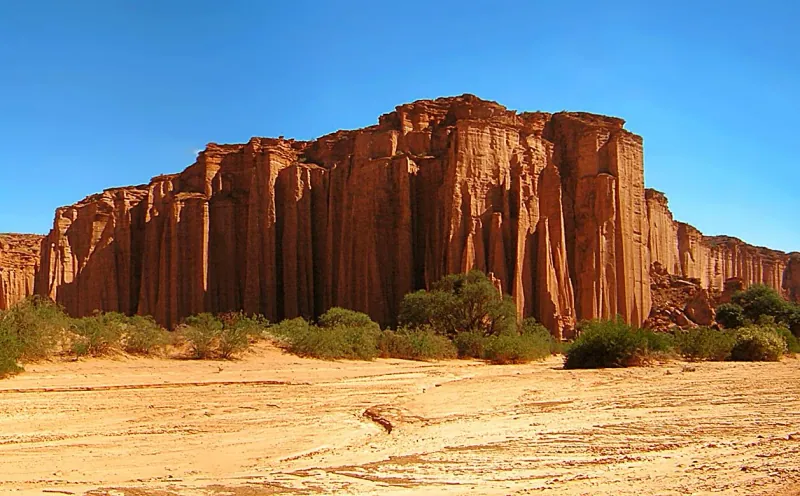
This is La Rioja Argentina — NOT the Spanish Rioja. Two regions on opposite sides of the Atlantic share the name (Spanish conquerors of the 16th century renamed the Argentine territory after their homeland), but they're entirely different destinations. Spanish Rioja: Mediterranean wine country, Tempranillo, Logroño as capital. Argentine La Rioja: a high-desert NOA province (NW Argentina) with a UNESCO World Heritage red-canyon park, the country's least-known but most distinctive wine region (Torrontés Riojano DOC at 5,000 ft / 1,500 m elevation), and one of the oldest continuously occupied colonial sites in the Americas. Talampaya National Park (UNESCO 2000) anchors the region — 215,000 hectares / 530,000 acres of vertical red sandstone canyons up to 480 ft / 145 m, Triassic-period paleontological sites, and pre-Columbian rock art. It's the geographic and biographical neighbor of San Juan's Ischigualasto (jointly listed UNESCO).
For US travelers the geological parallel is Bryce Canyon's vertical sandstone faces and Cathedral Valley in Capitol Reef country — but with a deeper paleontological yield (this is where the world's earliest dinosaurs were discovered) and zero crowds compared to Utah. The capital city, founded 1591, has the Convento de Santo Domingo (1623) — Argentina's second-oldest standing convent, seven years older than the founding of Boston in 1630. The other identity layer is Famatina, the 20,500-ft / 6,250-m mountain range that gives its name to a wine valley producing Torrontés Riojano at high altitude — Argentina's signature aromatic white grape (and an entirely different wine from Spanish Tempranillo). The provincial caudillo Facundo Quiroga ("the Tiger of the Plains," 1788-1835) plays a role in 19th-century Argentine federalism comparable to Andrew Jackson in US frontier politics: regional populist warlord, central national figure, his life inspired Sarmiento's "Facundo" (1845) — a foundational text of Argentine literature. 3 days: capital + Talampaya + Chilecito. 5 days: add Cañón Arcoíris, Cuesta de Miranda, Famatina wines. 7 days: include Laguna Brava (4,300 m altiplano, 4WD only) or combine with San Juan's Ischigualasto on the Cuyo-NOA circuit.
Top attractions in La Rioja
Real traveler data: Civitatis, GetYourGuide, verified reviews — May 2026.
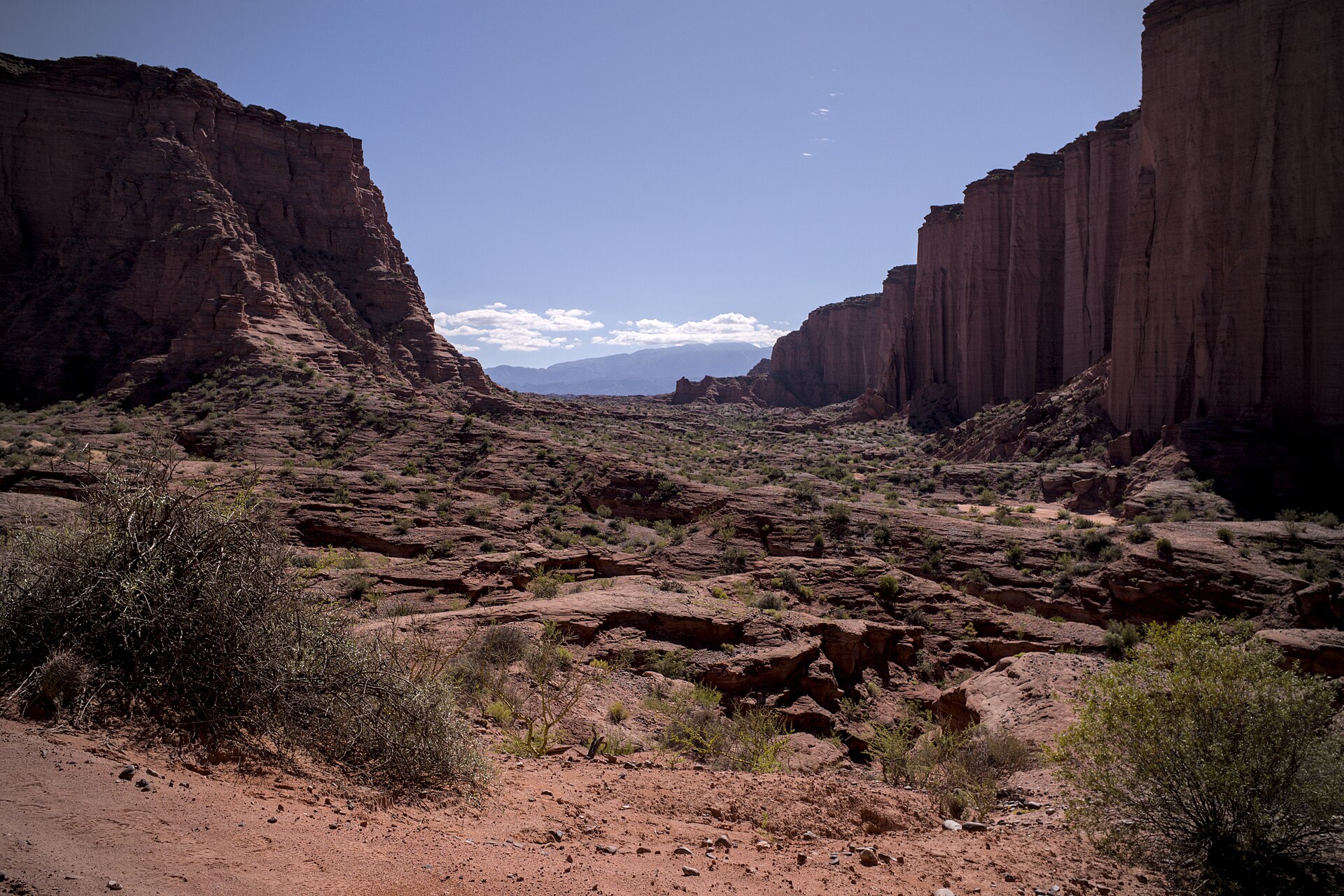
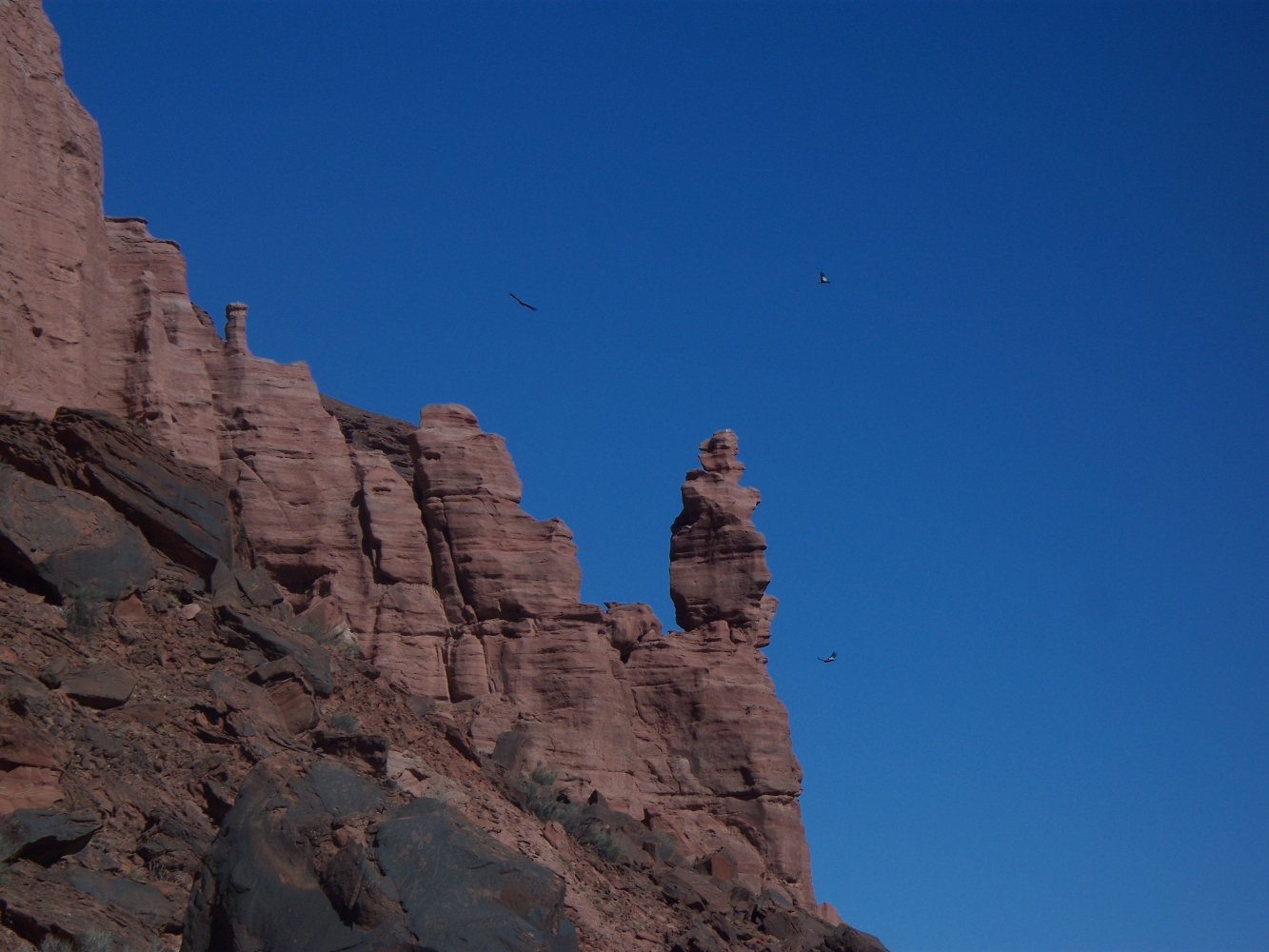
UNESCO World Heritage since 2000 (jointly listed with Ischigualasto, San Juan). 530,000 acres / 215,000 ha of red sandstone canyons with vertical walls up to 480 ft / 145 m, Triassic-era paleontological sites (230 million years), and pre-Columbian petroglyphs. <strong>Mandatory guided visit</strong> in park vehicle or your own 4WD behind ranger convoy. 4-5 hour main circuit covering Cañón de Talampaya, Cathedral, Lost City, Monk. USD 35 entry for foreigners + USD 95 with day tour from La Rioja capital or Villa Unión. Geological feel comparable to Bryce Canyon's vertical faces but with significantly deeper Triassic stratigraphy.
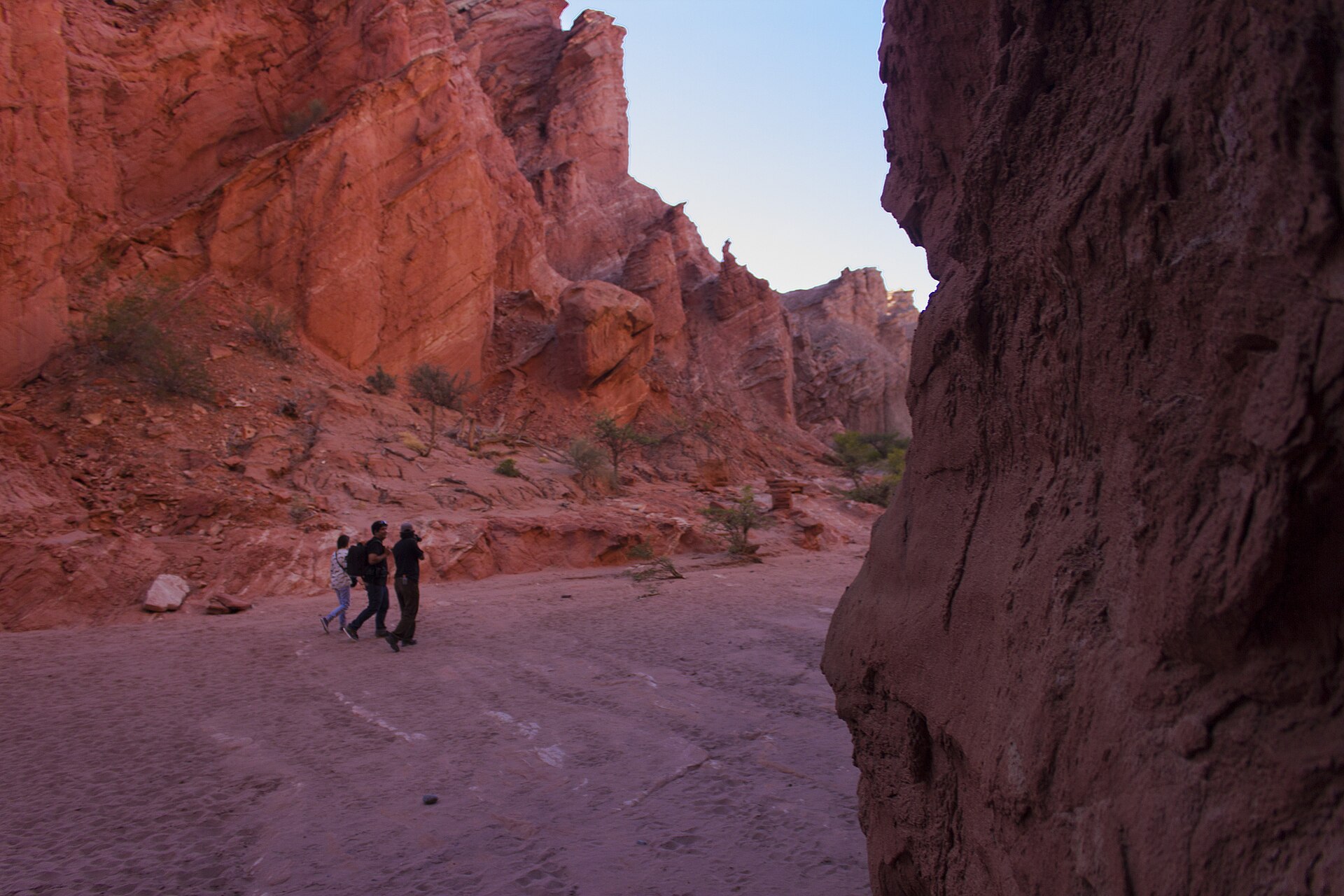
Less-visited sector of Talampaya, accessible only via 4WD tour (4-5 hours additional to the classic circuit). Walls show multicolor mineral veins (red, ochre, white, purple) from oxide deposits — "rainbow" effect strongest in mid-afternoon light. Combined classic + Rainbow tour USD 130 from Villa Unión. Overnight in Villa Unión (37 mi / 60 km from park, hotels USD 50-100) recommended for combo.
124 mi / 200 km northwest of the capital, at 3,525 ft / 1,075 m elevation. The province's second city (50,000 inhabitants), heart of the Famatina wine valley. Highlights: <strong>Cable Carril (cable car) to La Mejicana mine</strong> (1903 mining cable car, 9 stations climbing to 15,090 ft / 4,600 m, an industrial-era engineering monument), high-altitude wineries, Iglesia San Pedro. Famatina wineries day tour USD 65. The wineries here predate most Mendoza estates and are largely undiscovered by international visitors.
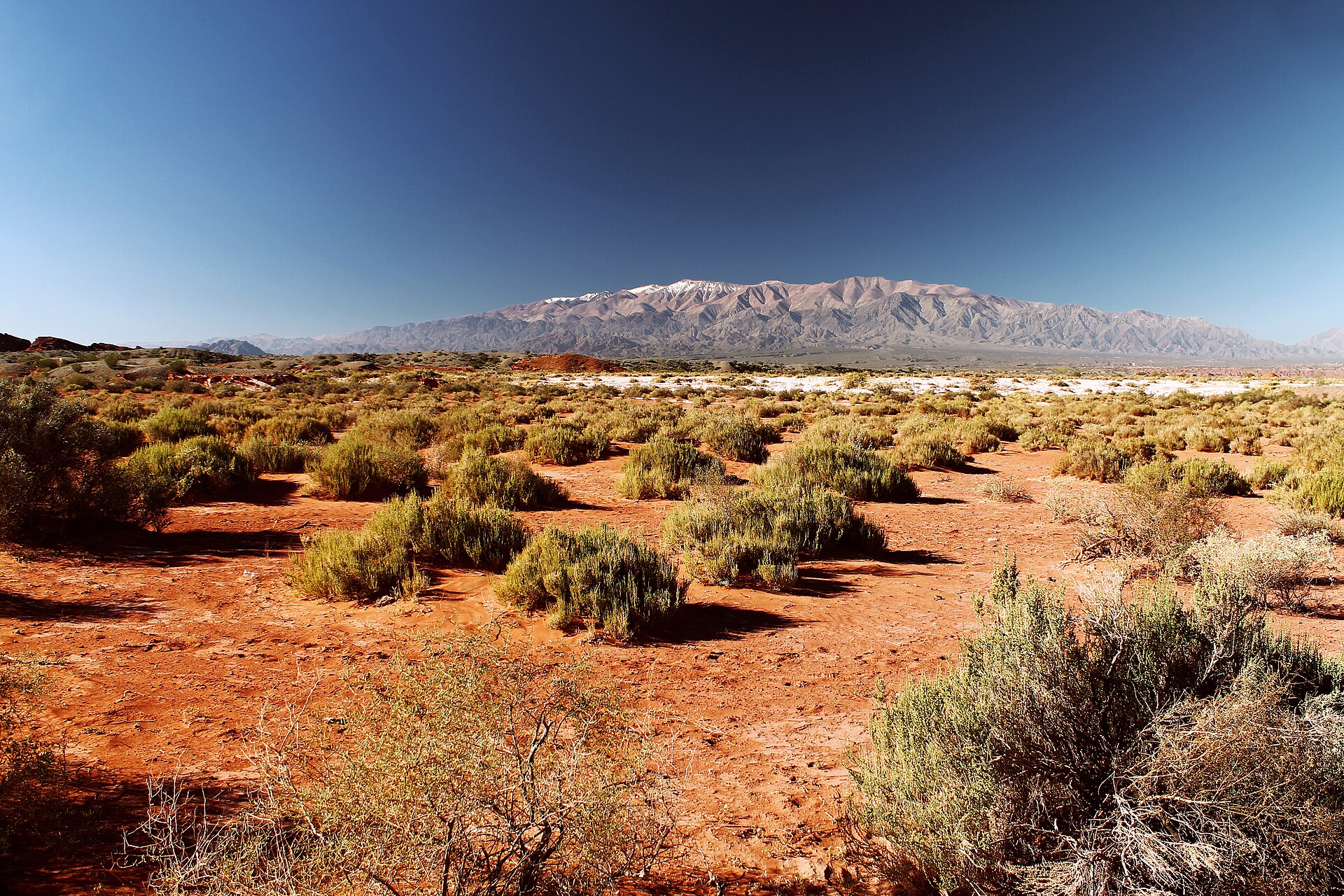
Mountain range with peaks of 18,000-20,500 ft / 5,500-6,250 m. <strong>La Mejicana mine</strong> (gold and silver, active 1903-1926, accessed via the Cable Carril cable car) is one of the most important mining heritage sites in South America. The Famatina valley wineries (Chilecito, Vichigasta) produce <strong>Torrontés Riojano DOC</strong> and Malbec at 4,920-5,580 ft / 1,500-1,700 m. For wine geeks: this is one of only two DOC (Denominación de Origen Controlada) zones in Argentina — the other is Luján de Cuyo, Mendoza. Full-day excursion from Chilecito.
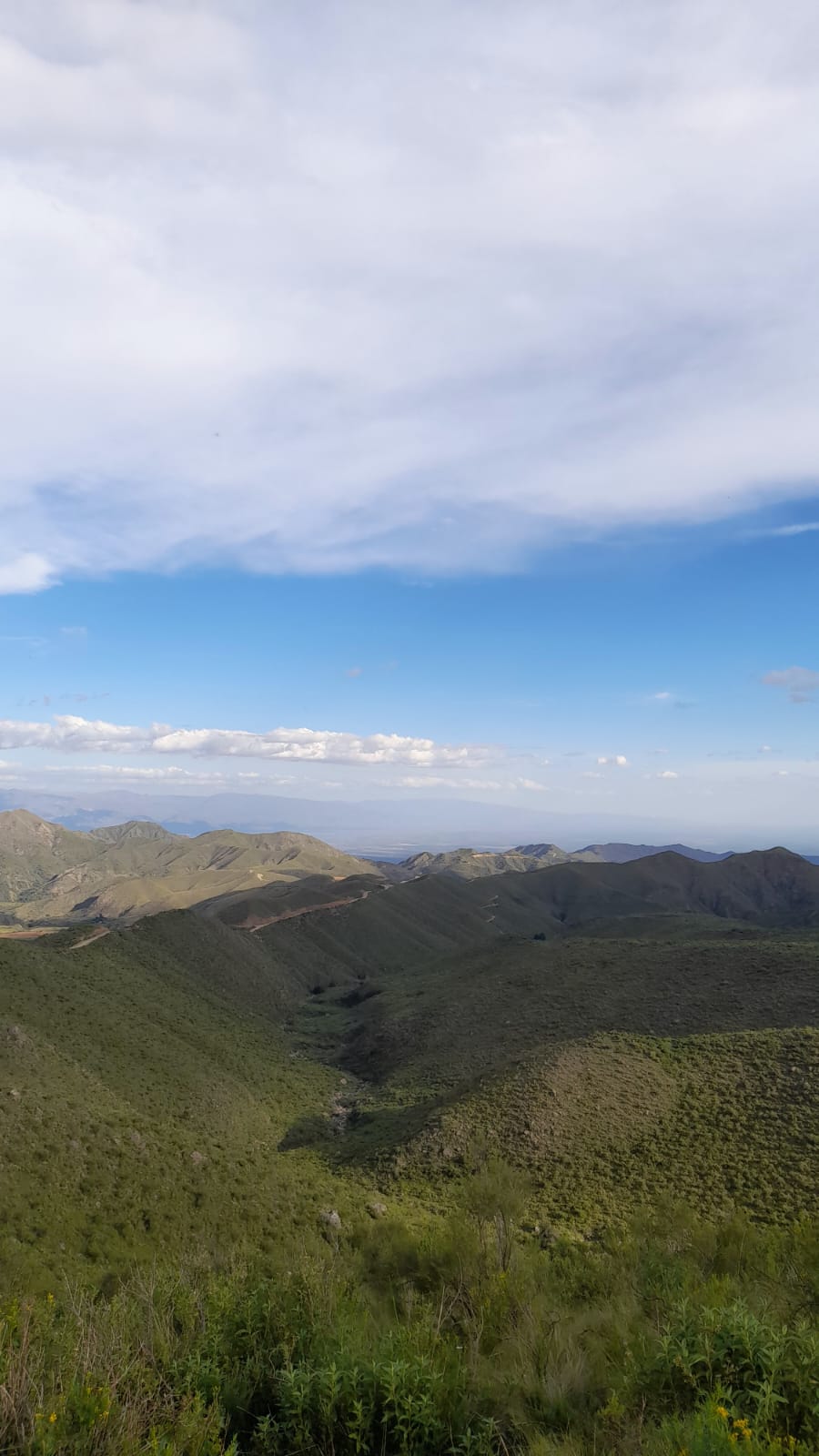
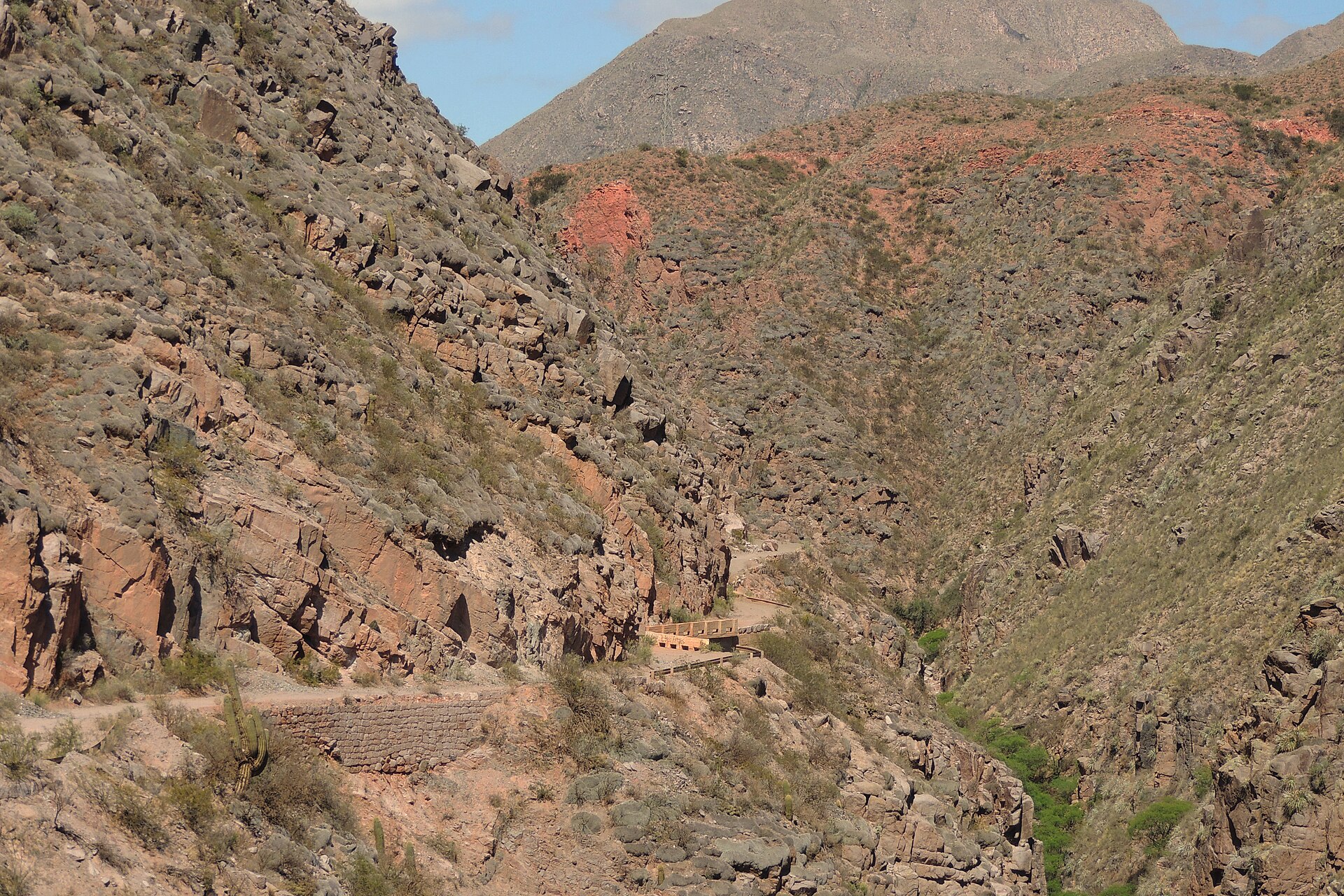
Scenic stretch of National Route 40 between Chilecito and Villa Unión, 22 mi / 35 km of switchbacks through the Velasco range with red walls and erosional formations. <strong>Condor Lookout</strong> at 6,630 ft / 2,020 m altitude. Paved (any car), about 1 hour driving. Combinable with a Talampaya tour or as the Chilecito → Villa Unión transfer route. One of the most photographed stretches of South America's Pan-American highway corridor.
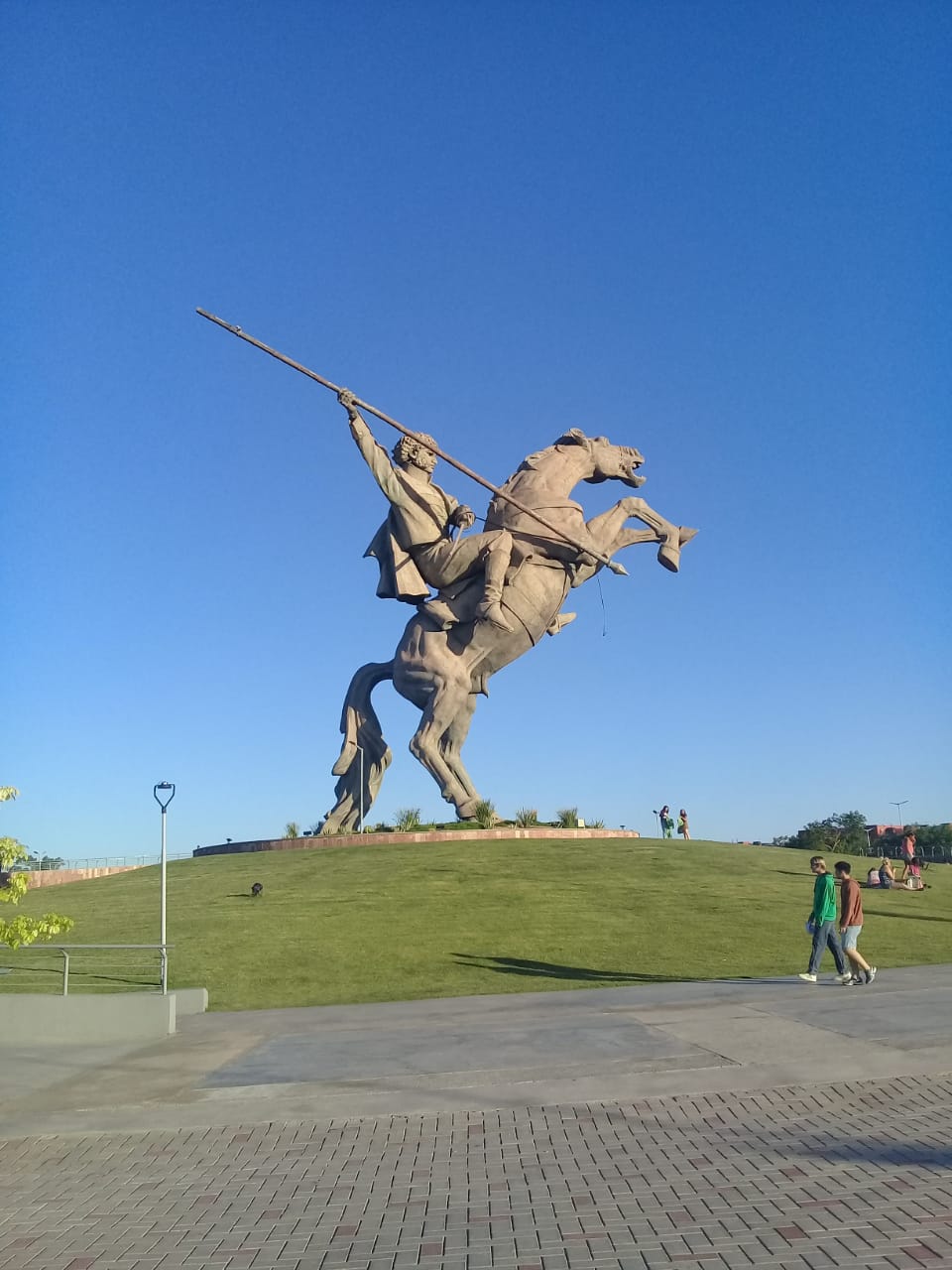
Provincial capital founded <strong>1591</strong> at 1,635 ft / 498 m. Historic center features the <strong>Convento de Santo Domingo (1623)</strong> — <em>built seven years before Boston was founded</em>, Argentina's second-oldest standing convent and a National Historic Monument. Plus Cathedral, Casa de Gobierno, Plaza 25 de Mayo. Monument to caudillo <strong>Facundo Quiroga</strong> ("the Tiger of the Plains," 1788-1835), a key figure of 19th-century Argentine federalism — comparable in cultural role to Andrew Jackson in US frontier politics. 2-3 hour walking tour. <strong>Tinkunaco</strong> festival December 31 — folkloric assemblies in the central plaza.
Provincial reserve at 14,100 ft / 4,300 m, extreme altiplano landscape. <strong>Andean flamingos</strong> (3 species — James's, Andean, Chilean), vicuñas, guanacos, Andean condor. Accessible November-March only via <strong>4WD with licensed guide</strong> from Villa Unión (124 mi / 200 km, 5 hours each way). USD 180-220 day trip including altitude insurance. <strong>Acclimatization required</strong>: minimum 24 hours in Villa Unión first. For experienced high-altitude travelers only — not for first-time mountain visitors.
Additional trail within Talampaya (mandatory 4WD with guide). Cliffs where <strong>Andean condors nest</strong> in colonies. Best viewing early morning when condors leave the cliffs to hunt thermals. Combinable with the classic circuit, adds 2-3 hours. USD 110 with 4WD tour from Villa Unión. For raptor photographers and birding-focused visitors.
La Rioja has a continental arid climate — one of the driest in Argentina. Hot summer (Dec-Mar, 70-95°F / 21-35°C, rare rain but mountain thunderstorms). Mild fall and spring (Apr-May and Sep-Nov, 57-86°F / 14-30°C — ideal). Cold sunny winter (Jun-Aug, 41-72°F / 5-22°C — peak Talampaya season for cool weather without dust haze).
Altitude changes the rules: capital at 1,635 ft / 498 m, Chilecito at 3,525 ft / 1,075 m, Famatina village at 4,890 ft / 1,490 m, Laguna Brava at 14,100 ft / 4,300 m. For Talampaya: avoid January (95-104°F / 35-40°C heat with dust), best Apr-Nov. For Laguna Brava: November-March only, accessible in 4WD with licensed guide. The capital records 2,900 hours of sun annually — Argentina's national record (tied with San Juan).
La Rioja: Talampaya UNESCO, Famatina range, Cuesta de Miranda, Laguna Brava
Suggested itineraries
Real routes built by locals — pick the one that fits your days.
3days
La Rioja essentials — Talampaya
Capital + Talampaya day trip + Chilecito. The minimum to see the UNESCO highlight.
Highlights
Convento Santo Domingo
Talampaya UNESCO
Chilecito + Cable Carril
Famatina wines
Day by dayHide day by day
Day 1
Arrival + capital
Flight BUE-IRJ. Historic center, Convento de Santo Domingo, Facundo Quiroga monument, Plaza 25 de Mayo. Dinner of cabrito (kid goat) at a local parrilla.
Day 2
Talampaya full day
Departure 6am. 137 mi / 220 km south on RP 26. Mandatory guided tour 5 hours in the park (classic circuit). Lunch in Villa Unión. Return 8pm. If you overnight in Villa Unión, you can add Rainbow Canyon the next day.
Day 3
Chilecito + wineries + flight out
Drive 124 mi / 200 km northwest. Cable Carril to La Mejicana mine. Afternoon: Famatina winery with lunch and tasting. Evening flight or return to capital.
5days
La Rioja complete
Adds Cuesta de Miranda and Rainbow Canyon to the 3-day base. The recommended length to see the province properly.
Highlights
Talampaya classic
Rainbow Canyon
Chilecito + Famatina
Cuesta de Miranda
Capital
Day by dayHide day by day
Day 1
Capital
Historic center + cabrito + Tinkunaco if Dec 31.
Day 2
Talampaya classic
Day trip to the main park circuit.
Day 3
Talampaya Rainbow Canyon
Overnight in Villa Unión, Rainbow Canyon next morning.
Day 4
Cuesta de Miranda + Chilecito
Scenic Route 40 drive to Chilecito. Cable Carril in the afternoon.
Day 5
Famatina + wineries + flight out
High-altitude winery with lunch. Drive back. Evening flight.
7days
La Rioja complete + Laguna Brava
The fullest version: adds Laguna Brava (14,100 ft / 4,300 m altiplano) and optional Ischigualasto (San Juan) connection. For adventurous travelers with time.
Highlights
Talampaya + Rainbow
Cuesta de Miranda
Chilecito + Famatina
Laguna Brava 4WD
Optional Ischigualasto extension
Day by dayHide day by day
Day 1
Capital
Arrival + historic center.
Day 2
Talampaya classic
Main circuit day trip.
Day 3
Talampaya Rainbow Canyon
Overnight Villa Unión.
Day 4
Cuesta Miranda + Chilecito
Scenic drive + Cable Carril.
Day 5
Famatina high-altitude wines
Winery + La Mejicana mine.
Day 6
Laguna Brava 4WD
Extreme day trip from Villa Unión (5h each way). Acclimatization essential. Andean flamingos and vicuñas at altitude.
Day 7
Return + optional Ischigualasto extension
If combining with San Juan: drive to Ischigualasto (124 mi / 200 km), San Juan capital, fly out from UAQ.
All La Rioja destinations
Capital and city center
La Rioja capital — Convento Santo Domingo (1623), Plaza 25 de Mayo, Facundo Quiroga monument.
La Rioja cooking centers on cabrito (kid goat) + locro + high-altitude wines. Cabrito al asador is the star (Famatina, Vinchina, and Chilecito are the most renowned zones), slow-cooked 4-5 hours over wood embers with coarse salt — different in technique from the lamb-asado of Patagonia or the beef-asado of the pampas. Locro riojano (white-corn stew with beef, tripe, and squash) is eaten on national holidays and during Tinkunaco. Riojan empanadas have minced beef, potato, and raisins — a thicker-pastry local version of the Salta-style.
Torrontés Riojano is the local marker. The province holds internationally recognized DOC (Denominación de Origen Controlada) — one of only two in Argentina (the other is Luján de Cuyo, Mendoza). Wineries in Chilecito and Famatina (San Huberto, La Riojana cooperative, Casa Viejas). For wine-geek US visitors comparing to home: closest profile is a high-altitude Albariño from Galicia or a top-tier New York Finger Lakes Riesling — but with the desert-altitude intensity of Argentine terroir. Other wines: high-altitude Malbec (1,500 m+), Bonarda, Syrah. For dessert: arrope de tuna (cactus-fruit syrup), turrones de las clarisas (nougat made by local nuns), and goat cheese. The Chaya festival (February) features empanadas, wine tastings, and a flour-and-water ritual that turns streets white.
Signature dishes
Cabrito al asador
4-5 hour slow-roasted kid goat over wood embers with coarse salt. Specialty of Famatina/Chilecito. Pairs with Torrontés white.
Locro riojano
White-corn stew with beef, tripe, and squash. National-holiday and Tinkunaco dish.
Empanadas riojanas
Thicker pastry, minced beef with potato and raisins. Oven-baked. Local variation of Salta empanadas.
Torrontés Riojano
Aromatic white wine with DOC status. Grown at 4,920-5,580 ft / 1,500-1,700 m in Chilecito and Famatina.
Arrope de tuna
Cactus-fruit (prickly pear) syrup. Traditional dessert paired with goat cheese.
Chuño
Dehydrated potato soup with cheese. Diaguita-Andean indigenous heritage.
Food experiences
Famatina valley wine tour
Visit 2-3 high-altitude wineries (San Huberto, La Riojana, Casa Viejas). Tasting flight of Torrontés DOC + Malbec + Bonarda. Optional paired lunch. 5-6 hours from Chilecito.
To repeat the disambiguation: this is the Argentine province, NOT the Spanish Rioja in Castile. La Rioja Argentina is one of the country's oldest provinces. Founded on May 20, 1591 by Juan Ramírez de Velasco, it predates Buenos Aires by 28 years. The name comes from the Iregua river of Spain's La Rioja — Spanish conquistadors founded the city on territory of the Diaguita and Huarpe peoples. The pre-colonial indigenous presence is dense: archaeological sites up to 8,000 years old at Talampaya, rock art, ceramic remains of the Aguada culture (6th-10th centuries CE). The 1591 founding makes the city seven years older than the founding of Boston (1630) and roughly contemporaneous with the founding of St. Augustine, Florida (1565), and Santa Fe, New Mexico (1610) — placing it firmly in the early-Spanish-colonial era of the Americas.
The Tinkunaco (December 31, "encounter" in Quechua) is the most important cultural festival. A religious syncretism between Catholic liturgy (procession of the Niño Alcalde — the "Mayor Child") and pre-Columbian Andean rituals: two confederations, one indigenous and one criollo, meet in Plaza 25 de Mayo and bow to each other. Argentina's only festival of this exact form, with continuous documented practice since the 16th century. The cultural parallel for Mexican-American or US southwestern travelers is the syncretism of Día de los Muertos in Oaxaca: same fusion of Catholic and indigenous, but here the focus is on a recurring civic-religious encounter rather than ancestor honoring.
The Talampaya National Park (UNESCO 2000, jointly listed with Ischigualasto, San Juan) is one of the world's most important Triassic-period paleontological sites. The first known dinosaurs (Eoraptor lunensis and Herrerasaurus ischigualastensis, 230 million years old) were discovered in the joint Ischigualasto-Talampaya formation. Talampaya's vertical red walls reach 480 ft / 145 m — formed by water erosion on sandstone over 100 million years. Park management is by the federal park service (APN) — visits are mandatorily guided. The geological feel resembles Bryce Canyon's vertical sandstone faces or the Cathedral Valley sector of Capitol Reef, but with significantly deeper Triassic stratigraphy.
The caudillo Juan Facundo Quiroga, "the Tiger of the Plains" (1788-1835), was born in La Rioja and is a central figure of 19th-century Argentine federalism. The cultural weight is comparable to Andrew Jackson in US frontier politics: a regional populist warlord, a national figure of contested reputation, his death (assassinated at Barranca Yaco, Córdoba, in an ambush still debated by historians) mirrors the violence of the Jacksonian era. Sarmiento's "Facundo: Civilization and Barbarism" (1845) — a foundational text of Argentine literature — analyzed Quiroga's life and is required reading in Argentine schools today. His monumental presence in La Rioja capital (streets, monuments, institutions) is comparable to how the Jackson statue has dominated certain southern US public spaces. Carlos Saúl Menem, Argentine president 1989-1999 and a native of nearby Anillaco, is the other Riojan figure of national consequence — his decade in power left a strong cultural imprint nationally.
Where to stay in La Rioja
Three bases: capital (USD 40-100, best for arrival/departure flights), Villa Unión (USD 50-100, the right base for Talampaya — 37 mi / 60 km from the park), Chilecito (USD 50-120, base for Famatina and high-altitude wines). Hostels USD 12-22 per bed in capital. The capital has the most hotel options; Villa Unión is essential for Talampaya overnight strategy.
Córdoba (COR) — no direct flight, 5h by bus or car.
From the US: no direct flights. Miami → Buenos Aires (9h on AA), then 2h domestic to IRJ. Total 16-18h.
From the UK/EU: London/Madrid → BA via Madrid or São Paulo (15-18h), then domestic.
By long-distance bus
Buenos Aires (Retiro) → La Rioja: 15 hours, USD 50-90. Andesmar, El Cóndor.
Catamarca → La Rioja: 2h 15, USD 12.
Córdoba → La Rioja: 6 hours, USD 30.
San Juan → La Rioja: 5 hours, USD 25 (combinable with Ischigualasto).
By car
From Buenos Aires via Routes 7 + 38: 708 mi / 1,140 km, 13h. From Catamarca via Route 38: 96 mi / 155 km, 2h. Renting at IRJ: USD 35-55/day. For Talampaya and Cuesta de Miranda: any standard rental car (paved roads). For Laguna Brava: 4WD mandatory with licensed guide.
Recommended combinations
La Rioja + San Juan (Ischigualasto): the natural Cuyo-NOA combo, joint UNESCO site. 7-10 days total. Fly BA-IRJ + drive to San Juan + fly UAQ-BA.
La Rioja + Catamarca + Salta: northwest Argentine circuit. 14+ days. Drive northbound on RN 38 + RN 9.
Getting there — distances & times
From
Distance
Flight
Bus
Drive
Buenos Aires (AEP)
1140 km
2 h
15 h
13 h
Catamarca capital
155 km
—
2 h 15
1 h 45
Córdoba
430 km
—
6 h
5 h
Chilecito (Famatina)
200 km
—
3 h
2 h 30
Talampaya NP
220 km
—
3 h
2 h 30
Mendoza
600 km
1 h 10
8 h
7 h
Typical prices by category
Category
Budget
Mid-range
Luxury
3★ hotel capital (double)
USD USD 35-50
USD USD 50-85
USD USD 100-160
Inn Chilecito/Famatina
USD USD 45-70
USD USD 80-130
USD USD 160-280
Capital hostel (dorm)
USD USD 12-22
USD USD 25-40
—
Regional lunch (locro, kid stew)
USD USD 8-12
USD USD 14-22
USD USD 28-45
Talampaya day excursion
USD USD 50-80
USD USD 90-140
USD USD 180-280
Chilecito wineries tour
USD USD 35-55
USD USD 70-110
USD USD 150-240
La Mejicana cable car (Famatina)
USD USD 18-25
—
—
Car rental (per day)
USD USD 35-50
USD USD 55-75
USD USD 90-130
Prices April 2026. Argentine winter break (July) and Chaya festival (Feb): hotels +40-80%. Book Talampaya 30+ days ahead in peak season.
Frequently asked questions
The questions travelers ask us before they go.
La Rioja Argentina vs Spain — which is which?
Two different regions sharing a name. Spanish Rioja: north of Spain, capital Logroño, Mediterranean wine country, Tempranillo grape, DOCa status. Argentine La Rioja: NW Argentina province (Cuyo-NOA), capital La Rioja City, high-desert Andean wine country, Torrontés Riojano DOC, Talampaya UNESCO World Heritage. This guide covers the Argentine one. The cities share a name because 16th-century Spanish conquistadors renamed the territory after their homeland — a common pattern across the Americas. The two regions have nothing in common beyond the name and a shared interest in viticulture (different grapes, different terroirs, different climates).
Is Talampaya worth visiting?
Yes — it's one of the most distinctive landscapes in Argentina. UNESCO World Heritage since 2000, jointly with Ischigualasto. Strengths: 480-ft / 145-m vertical red sandstone canyons, Triassic paleontological sites (where the world's oldest known dinosaurs were discovered), pre-Columbian rock art, mandatory guided 4-5 hour circuit. Geological feel: comparable to Bryce Canyon's vertical sandstone faces, but with deeper Triassic stratigraphy and zero crowds compared to Utah. Limit: requires 4-5 hour drive from a regional airport (BA-IRJ flight is 2h, then drive 220 km / 137 mi south). Best paired with Ischigualasto (San Juan) on the Cuyo-NOA circuit.
Famatina wines — what makes them different?
The Famatina valley produces Torrontés Riojano at 4,920-5,580 ft / 1,500-1,700 m elevation — Argentina's signature aromatic white grape, completely different from Spanish Rioja's Tempranillo. Profile: intense aromatic nose (closer to Albariño from Galicia or top-tier Finger Lakes Riesling than to Old World Chardonnay), high-altitude acidity, mineral-driven palate. Producers: San Huberto, La Riojana cooperative, Casa Viejas. La Rioja province has one of only two DOC (Denominación de Origen Controlada) zones in Argentina (the other is Luján de Cuyo, Mendoza). Wine geeks flying to Argentina should consider Mendoza for Malbec → San Juan for high-altitude Syrah → La Rioja for Torrontés in a 14-day Cuyo wine circuit.
Best time to visit Talampaya?
April-October (dry climate, mild days 57-86°F / 14-30°C, cool nights 41-50°F / 5-10°C — ideal for the 4-5 hour guided circuit). Peak season: July (Argentine winter break). Avoid January: extreme heat (95-104°F / 35-40°C) plus dust haze in the canyon. For Tinkunaco festival in the capital: December 31. For Chaya carnival: February. The 4-5 hour mandatory guided tour is hot in summer regardless of cloud cover — stick to fall/winter/spring windows.
Is the cable car at La Mejicana mine open?
The historic Cable Carril (1903) from Chilecito to La Mejicana mine is a partially functional industrial heritage site, not a continuous transit cable car. Visitors can visit Stations 1 and 2 in Chilecito (with interpretive panels and views of the cable infrastructure). Stations 3-9 ascending to 15,090 ft / 4,600 m at the mine are not currently accessible to general tourism. For mining heritage enthusiasts: still worth visiting Stations 1-2 and the museum. USD 18-25 entry. The full 9-station ride was the world's longest mining cable car when it operated (1903-1926).
How many days do I need in La Rioja?
3 days: capital + Talampaya + Chilecito. 5 days: add Cañón Arcoíris (Rainbow Canyon), Cuesta de Miranda, Famatina wines. 7 days: include Laguna Brava (4,300 m altiplano, 4WD only) or combine with Ischigualasto (San Juan). For wine-focused travelers: 4 days (3 in Chilecito-Famatina, 1 in capital) is sufficient for the Torrontés DOC experience without Talampaya.
Is La Rioja safe?
Yes — very safe. The capital has low crime indices. Andean villages (Chilecito, Famatina, Villa Unión) are extremely tranquil. Real precautions: refuel whenever possible in remote zones (gas stations 60-125 mi / 100-200 km apart), carry extra water in summer, do not drive at night near Talampaya (wildlife on roads), acclimatize before Laguna Brava (14,100 ft / 4,300 m). Travel insurance is wise — the closest hospital with English-speaking staff is in Catamarca (2h drive from capital), so medical evacuation logistics matter for high-altitude trips.
Do I need a 4WD?
NOT for the classic circuits. Talampaya main circuit, Cuesta de Miranda, Chilecito, capital — all paved. Any standard rental car handles these. 4WD obligatory ONLY for Laguna Brava (high-altitude road, mostly gravel) — and for that you must hire a licensed guide anyway, so the 4WD is provided. For Rainbow Canyon (Cañón Arcoíris) within Talampaya: the 4WD tour is provided by the operator. If you're not specifically going to Laguna Brava, save the 4WD upgrade.
What is the Tinkunaco festival?
December 31 festival, unique in Argentina. Religious syncretism: two confederations (one indigenous, one criollo) meet in the central plaza of La Rioja capital, exchange ceremonial bows, and re-enact the founding-era encounter between the Spanish authorities and the Diaguita peoples. The "Niño Alcalde" (Mayor Child) procession represents the Christ child in the role of mediator. National Intangible Cultural Heritage. For US visitors familiar with Día de los Muertos in Oaxaca: similar fusion of Catholic and indigenous, but framed as a recurring civic-religious encounter rather than ancestor honoring. If your trip falls over December 31, consider La Rioja capital for an experience few international tourists witness.
Sources & methodology
Last updated:
How we built this guide
This guide is updated quarterly (last: May 2026). Prices verified against Civitatis, GetYourGuide, and direct consultation with operators in Talampaya and Famatina. Distances and times from Google Maps. Selection based on real visitor data and consultation with licensed guides in Villa Unión and Chilecito. Local knowledge: Sebastián, the site author, has visited La Rioja twice (2023 and 2025), covering the full Talampaya circuit and Famatina wineries.