Glaciers, the End of the World and the Southern Andes — Perito Moreno, Fitz Roy, Bariloche, Ushuaia and Valdés
Last updated: April 2026
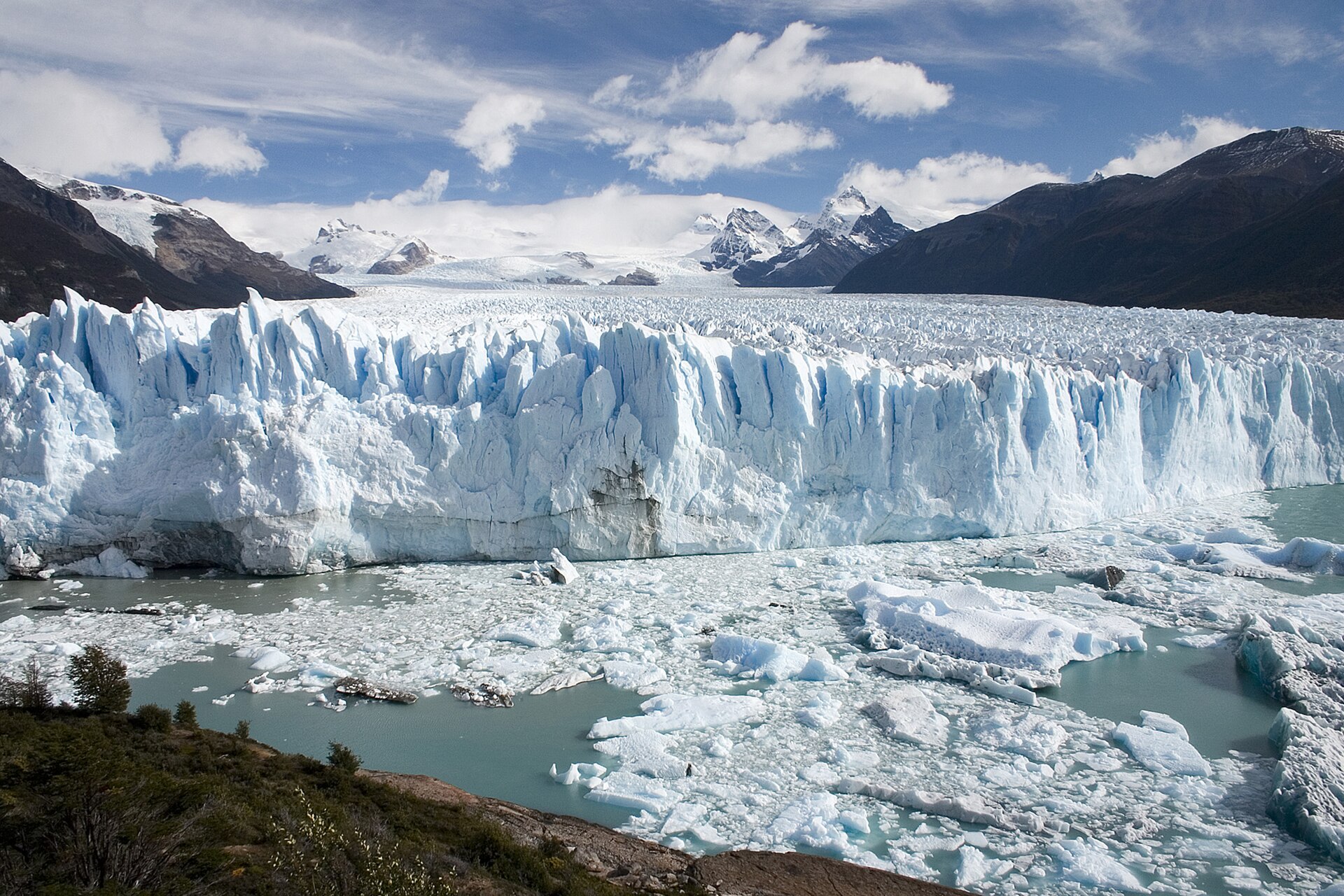
Patagonia is the bottom of the world: 1 million km² (390,000 sq mi) — a third of Argentina — with only 2.3 million people, making it the country's least dense region by far. This is where Argentina's biggest landscape icons live: the Perito Moreno Glacier at 250 km² with its 60-meter ice front calving seracs into Lago Argentino, Cerro Fitz Roy (the silhouette in the Patagonia brand logo, designed by Yvon Chouinard in 1973), the alpine Lake Nahuel Huapi at Bariloche, the End of the World in Ushuaia with the Beagle Channel and the penguins of Tierra del Fuego, and the wildlife of Península Valdés where southern right whales come within 150 ft of shore between June and December.
Patagonia splits into three flight hubs from Buenos Aires: Bariloche (BRC) 2h 20m — Lake District, Cerro Catedral skiing in winter, summer trekking, Swiss-German chocolate culture; El Calafate (FTE) 3h 15m — Perito Moreno Glacier, then El Chaltén (220 km / 137 mi north) for Fitz Roy trekking — peak December-March; Ushuaia (USH) 3h 35m — Tierra del Fuego, Beagle Channel cruises, Antarctic departures (USD 8,000+ from November). 7 days = one hub. 10-12 days = two. 15-21 days = the classic circuit Buenos Aires → Bariloche → Calafate → Ushuaia, or the cross-border combo with Torres del Paine (Chile) from El Calafate. Distances are massive — internal flights are the only realistic way to move. From the US: Miami direct to BA (9h), then Aerolíneas/Flybondi to your hub. From the UK: London via Madrid or São Paulo (14-18h total).
Top attractions in Patagonia
Real traveler data: Civitatis, GetYourGuide, verified reviews — April 2026.
The world's most-visited glacier: 97 sq mi / 250 km² (larger than Manhattan + the Bronx), with a 200-foot / 60-meter ice face on Lago Argentino. One of the few glaciers on earth still advancing, not retreating. 4 km of viewing boardwalks within meters of the ice, boat trips to the face, and mini-trekking on the glacier itself with crampons (USD 200, 5h, the highlight). Day trip from El Calafate (50 mi / 80 km, 1h 30m).
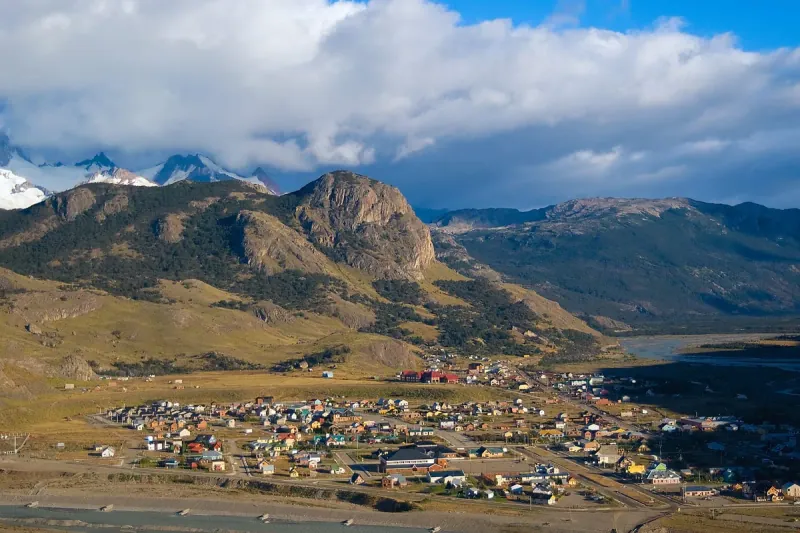
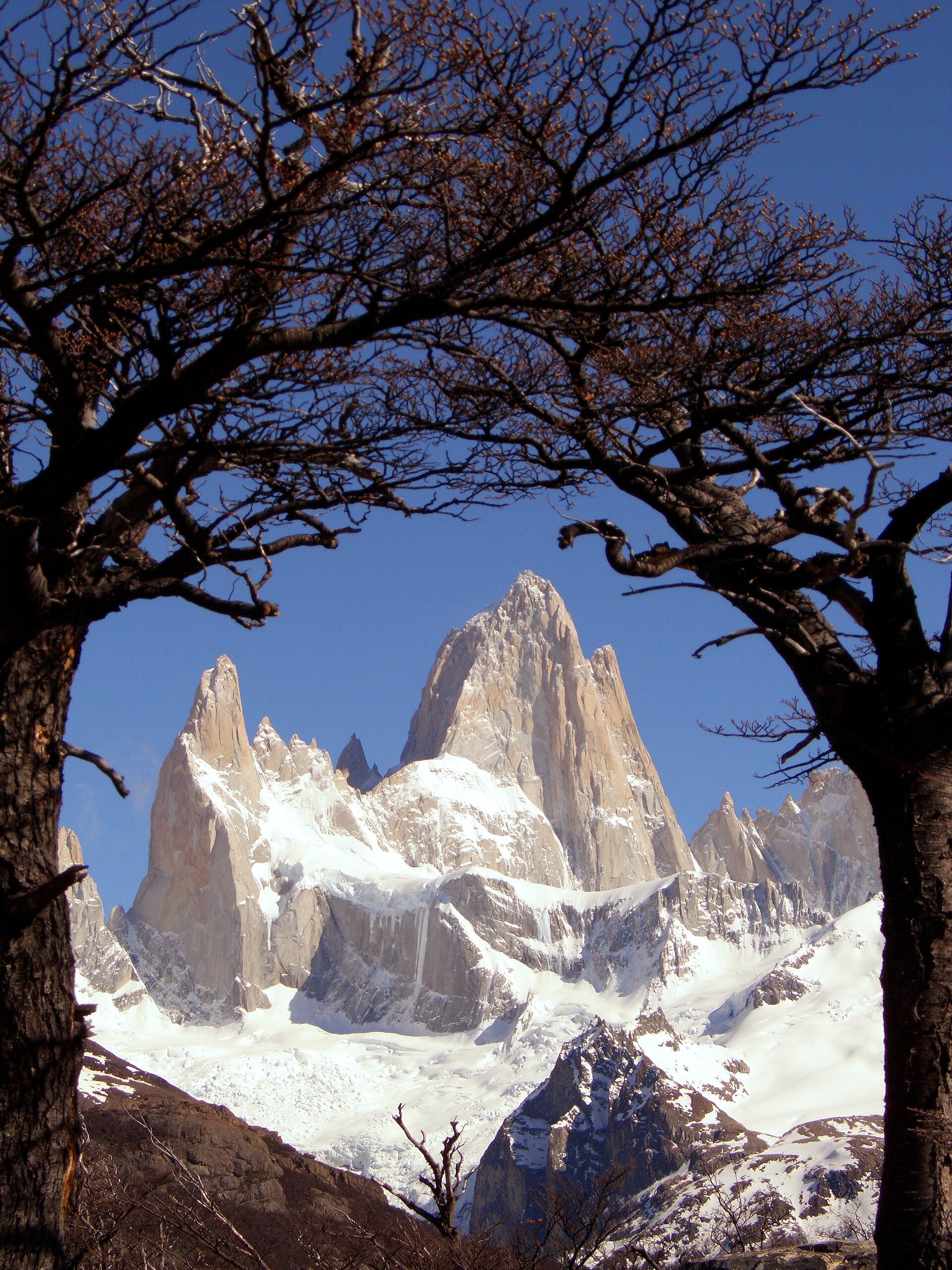
Argentina's national trekking capital. 137 mi / 220 km north of El Calafate (3h on Route 40). Cerro Fitz Roy (11,168 ft / 3,405 m) is the silhouette in the Patagonia clothing brand logo (Yvon Chouinard, 1973). Iconic hike: <strong>Laguna de los Tres</strong> 13 mi / 21 km round-trip to the base of the Fitz, 8-10 hours. Easier options: Laguna Capri (4h), Cerro Torre (8h). Town of 2,000, foodie scene, no traffic lights. Nov-Mar.
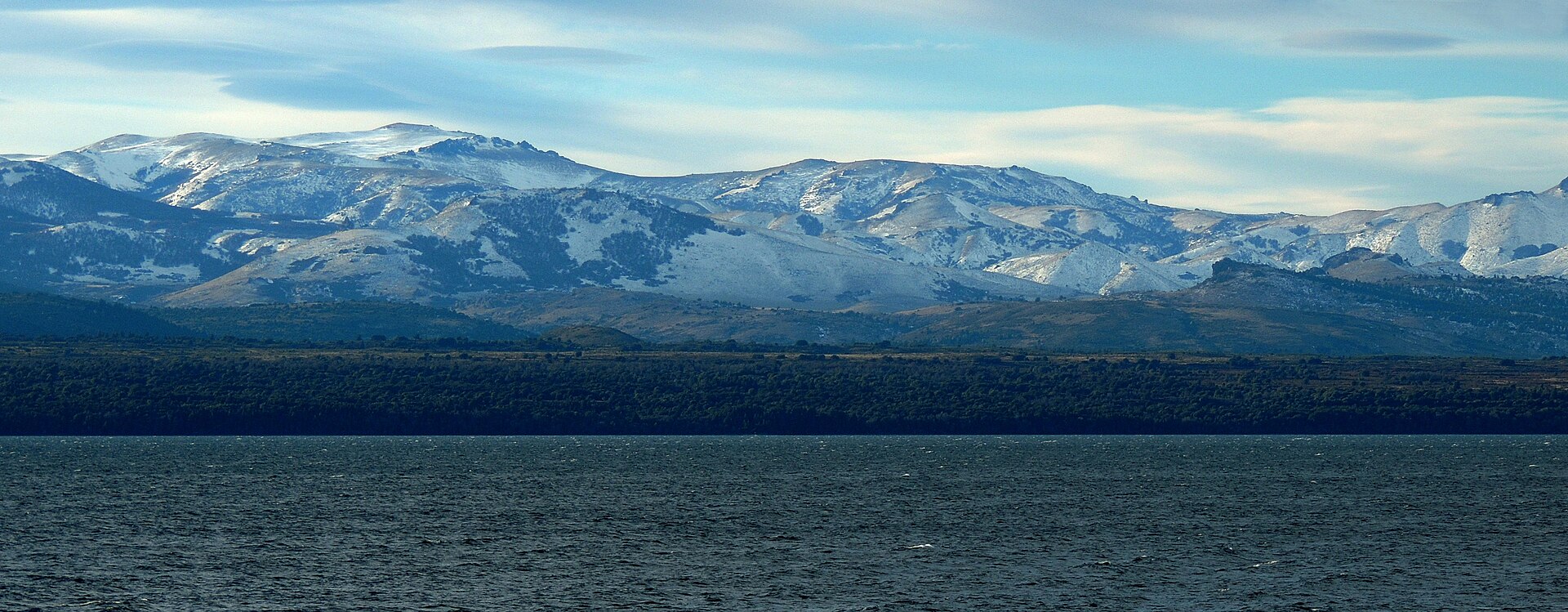
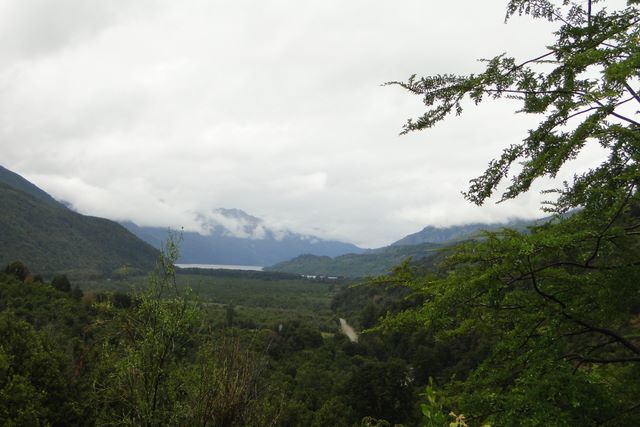
San Carlos de Bariloche is Patagonia's alpine capital — 100,000 people on the shore of Lake Nahuel Huapi (Argentina's deepest lake at 1,500 ft / 460 m). The Circuito Chico is the classic 60 km drive: Llao Llao (the 1938 historic hotel), Cerro Campanario (360° viewpoint), Punto Panorámico, Bahía López. 4-5 hours by rental car or guided tour. Swiss-style chocolate shops since 1948 (Mamuschka, Rapanui, Del Turista) and craft beer scene rivaling Vermont.
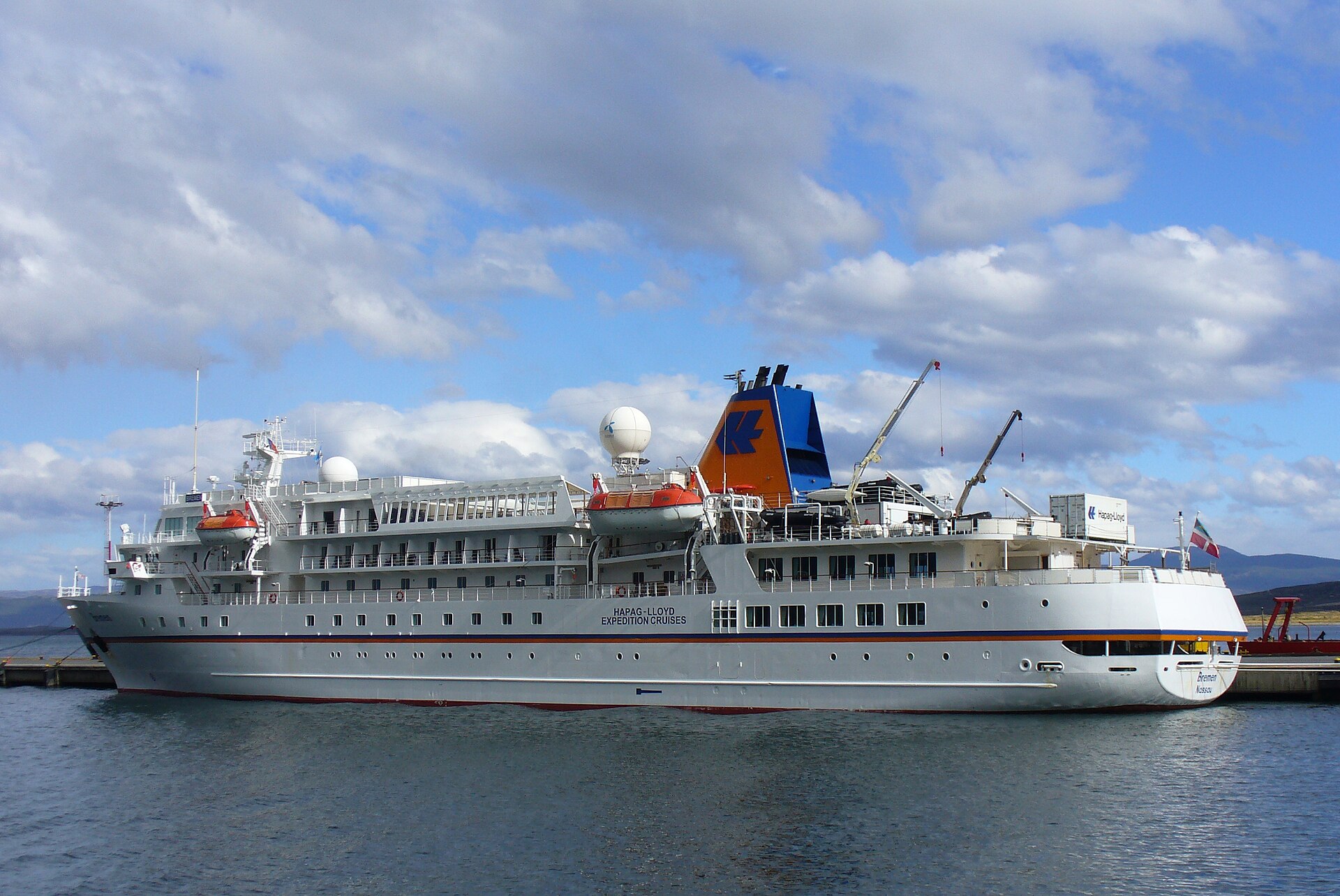
The world's southernmost city (54° S latitude). Capital of Tierra del Fuego, 70,000 people. <strong>Must-do</strong>: Beagle Channel cruise (3-5h, USD 50-80, sea-lion island + Les Eclaireurs lighthouse), Tierra del Fuego National Park (Lake Roca, Lapataia Bay, the literal end of Route 3), End of the World Train (former prison railway). Magellanic penguins on Isla Martillo (Oct-Mar). Most Antarctic cruises depart from here (Nov-Mar, USD 8,000+ for 10-day expeditions).
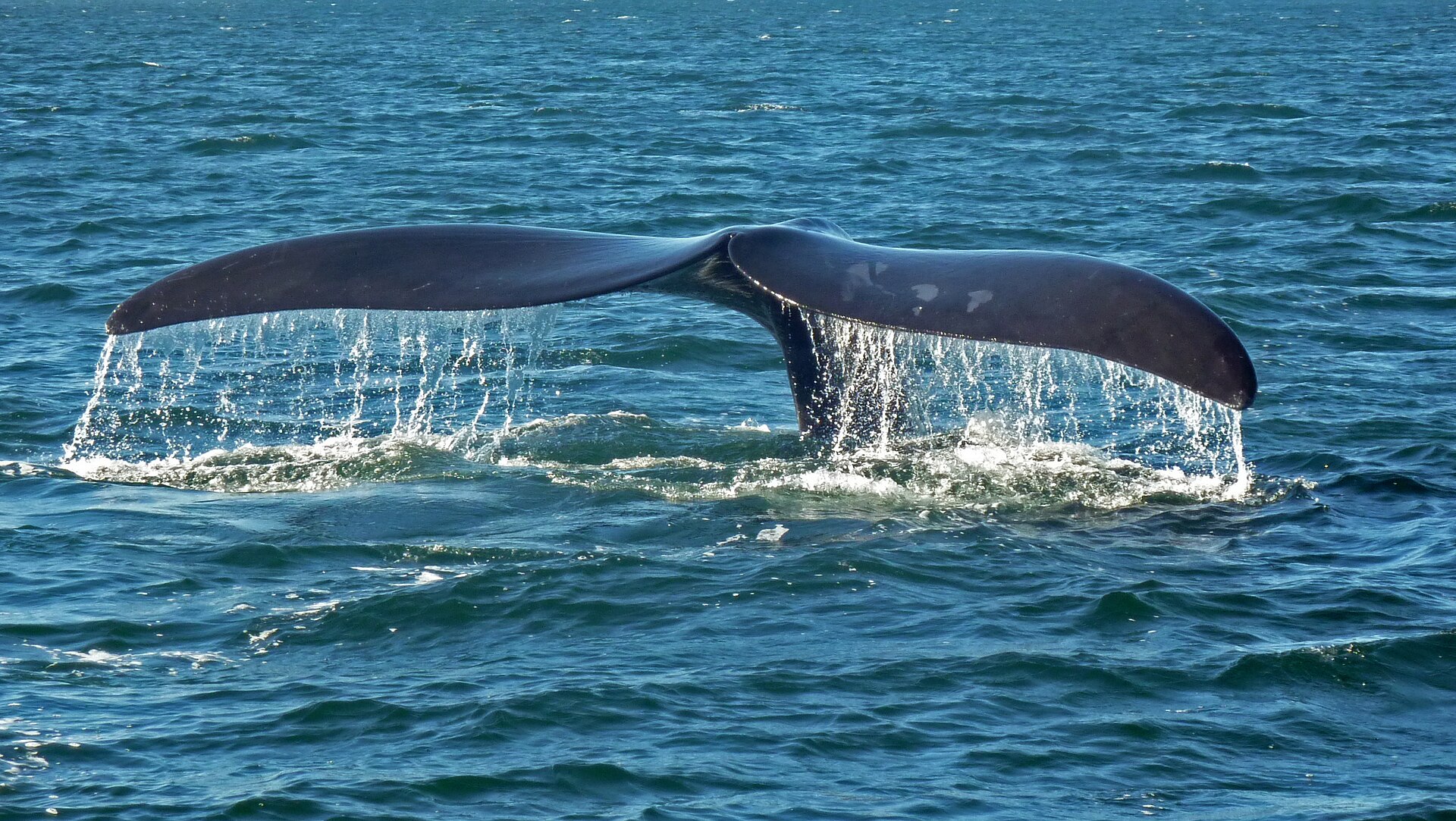
UNESCO World Heritage since 1999. Marine wildlife reserve unlike anywhere else: <strong>southern right whales</strong> (June-Dec) approach within 150 ft of shore, <strong>orcas</strong> beach-hunt sea lions at Punta Norte (Mar-Apr — featured on BBC Planet Earth), <strong>Magellanic penguins</strong> (Sep-Mar), elephant seals, and guanacos. Base: Puerto Madryn or Puerto Pirámides (the in-park town). Whale-watching boat USD 70, full-day Valdés circuit USD 150.
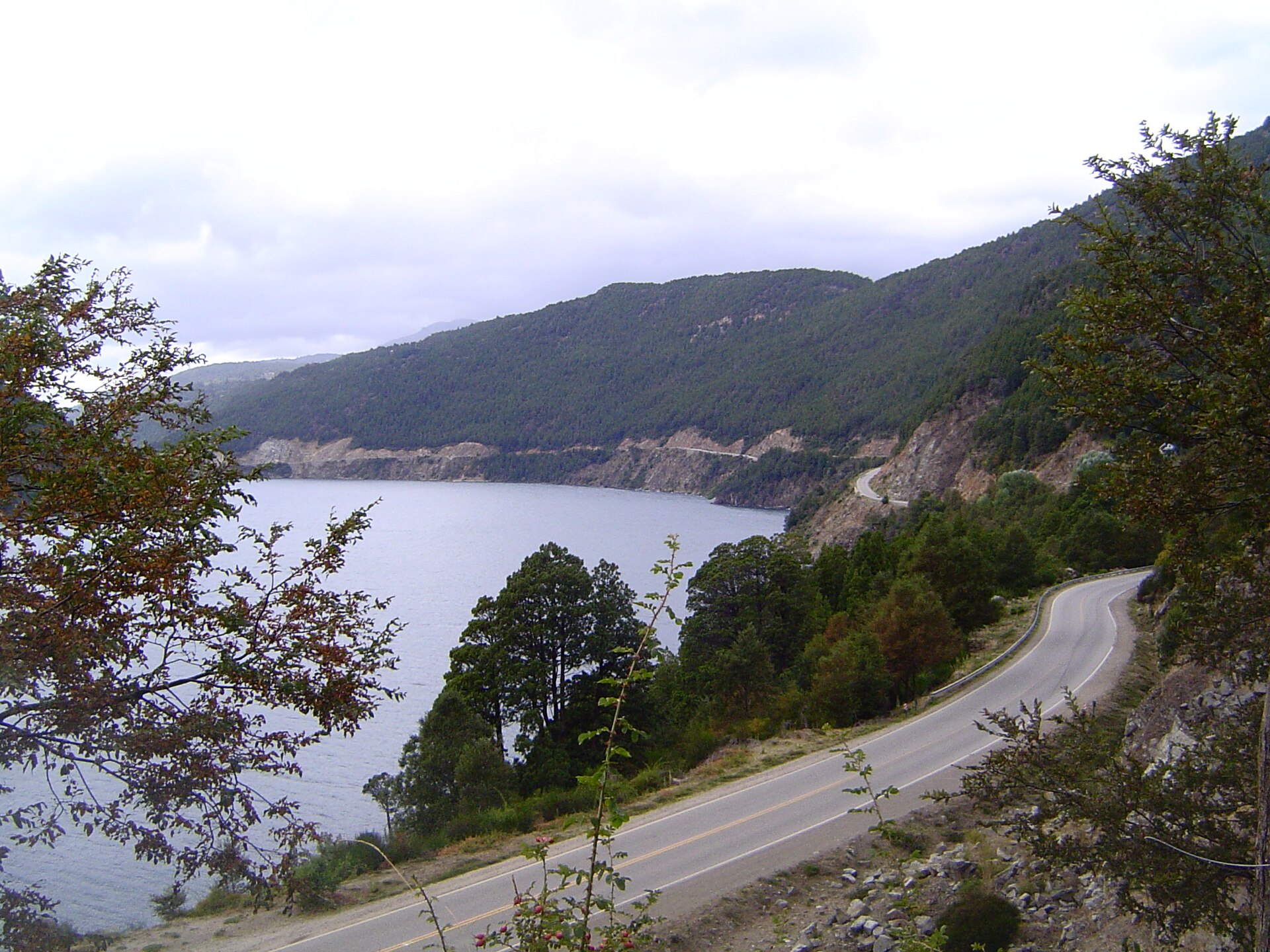
Argentina's most beautiful drive (66 mi / 107 km from Bariloche to San Martín de los Andes). Passes seven crystalline Andean lakes: Nahuel Huapi, Espejo, Correntoso, Escondido, Falkner, Villarino, Machónico, Lácar. Mid-route lookout at Mirador de los Lagos. 3-5 hours by car with stops. Best done with a rental car (or by bicycle for the hardcore over 3-4 days, like the Going-to-the-Sun Road in Glacier NP, but cooler).
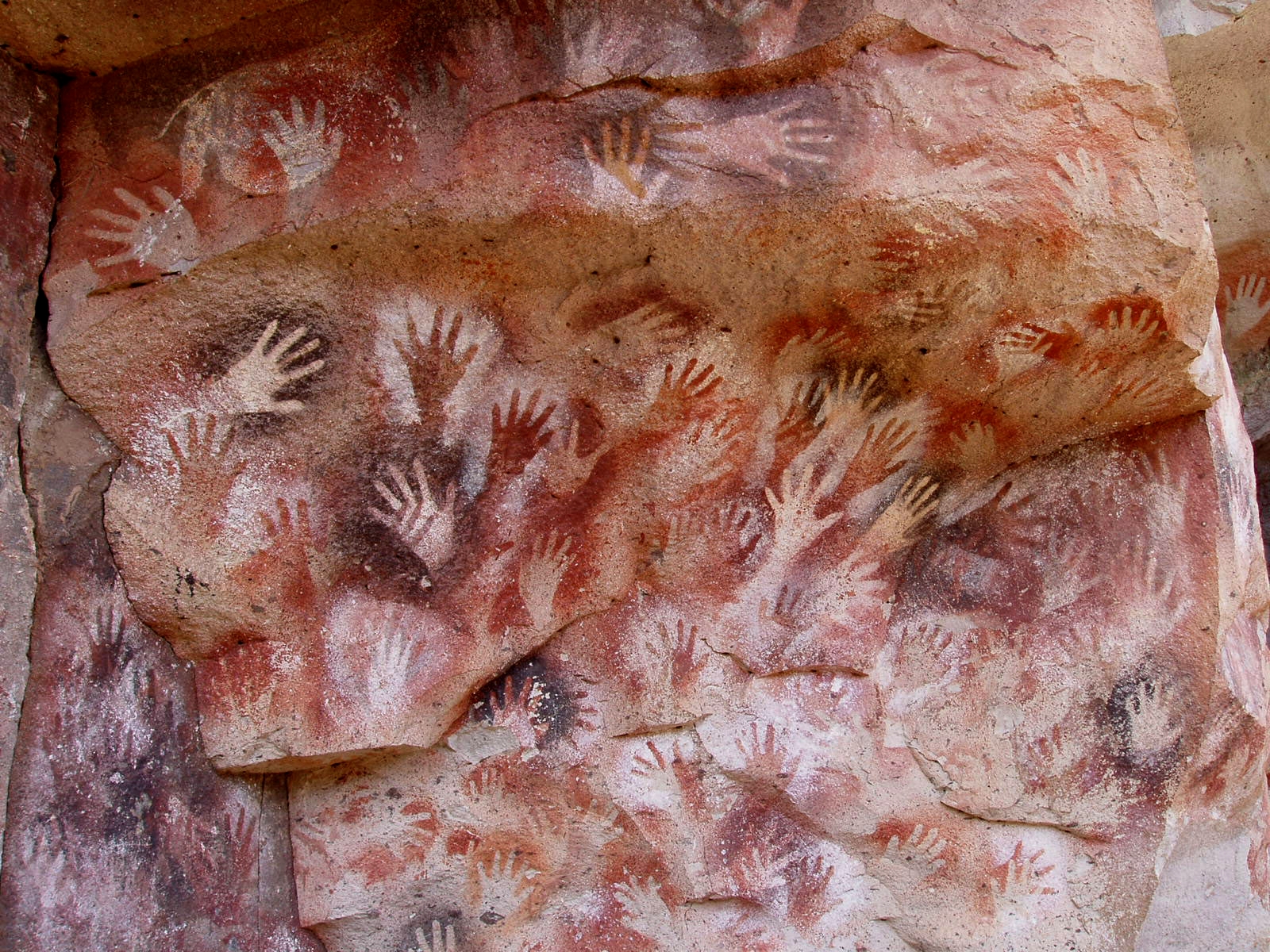
On the banks of the Pinturas River in Santa Cruz province. UNESCO World Heritage: 829 hands stenciled in red, white and black, plus hunting scenes — dated to 9,300 years ago. The most important rock art site in South America, predating Lascaux. 165 km / 103 mi from the town of Perito Moreno (not the glacier — confusing dual name). Mandatory guided visit (USD 25). Worth combining with a Route 40 south road trip.
UNESCO World Heritage 2017, near Esquel. Forests of millennial alerces (Lahuán, the oldest is 2,620 years and still alive — the South American sequoia). Four turquoise lakes (Futalaufquen, Verde, Menendez, Rivadavia). Catamaran cruise on the Arrayanes River to the alerce grove. Less touristy than Bariloche, ideal for nature purists. Base: Esquel (155 mi / 250 km from Bariloche).
Patagonia is cold and windy year-round, with stark contrast between the rainy Andean west and the arid steppe east. Summer (Dec-Mar): 60-72°F / 15-22°C, daylight until 10 pm in late December, peak trekking season (Fitz Roy, Bariloche, Ushuaia). Fall (Apr-May): forests turn gold and amber, 40-60°F / 5-15°C, fewer crowds. Winter (Jun-Sep): 28-43°F / -2 to 6°C, ski season at Cerro Catedral (Bariloche) and Cerro Castor (Ushuaia), Perito Moreno frozen across the entire lake (a different, surreal show). Spring (Oct-Nov): thaw, high river levels, whales in Valdés peaking, fierce winds in El Chaltén.
The Patagonian wind is a thing — over 200 days a year, gusting 100 km/h (62 mph) in El Chaltén in spring. It's what makes the landscape so cinematic (sideways trees, taut flags) but also what kills plans (cancelled flights into Calafate, Fitz Roy hidden behind cloud at 4 am summit). Critical packing: layers — sun comes out and it's 65°F, a cloud rolls in and it's 40°F, all in an hour. For glaciers: Perito Moreno is good year-round, El Chaltén best November-March. For skiing: July-August at Cerro Catedral has the best snow (Argentina's largest ski area). For Antarctic cruises from Ushuaia: November-March only; book 6-12 months ahead.
Patagonia: Perito Moreno, Fitz Roy, Bariloche and Valdés
Suggested itineraries
Real routes built by locals — pick the one that fits your days.
5days
Bariloche essentials
Patagonia's most accessible and complete hub. 5 days covers town + Circuito Chico + a day trip + a snow-mountain. Year-round.
Highlights
Llao Llao
Cerro Catedral or Tronador
Circuito Chico
Swiss chocolate row
Lake Nahuel Huapi
Day by dayHide day by day
Day 1
Arrival + town
Morning flight BUE-BRC. Civic Center, Nahuel Huapi waterfront walk. Dinner: chocolate and fondue at Tante Frida or Familia Weiss.
Day 2
Circuito Chico
Drive 60 km / 37 mi: Llao Llao, Cerro Campanario chairlift (360° lookout USD 8), Punto Panorámico, Bahía López. Lunch at a roadside parador. 4-5 hours.
Day 3
Cerro Catedral
In winter: ski day. In summer: chairlift + trek to Refugio Frey (8-hour round trip) or easier walks. Full day USD 35-150.
Day 4
Tronador + Cascada Los Alerces
Tronador (3,491 m / 11,453 ft, with the Black Glacier), Los Alerces waterfall, Pampa Linda. 12-hour guided tour USD 120. Or: canopy + rafting day.
Day 5
Free day + departure
Chocolate shopping, waterfront stroll, Patagonian lamb lunch (Alto el Fuego). Late afternoon flight out.
7days
Calafate + El Chaltén
If you only have 7 days for Patagonia, this is the must-do. Perito Moreno + Fitz Roy trekking from El Chaltén.
Highlights
Perito Moreno Glacier
Mini-trekking on the ice
Laguna de los Tres
Lago del Desierto
Cerro Torre
Day by dayHide day by day
Day 1
Arrive El Calafate
Flight BUE-FTE. Free afternoon, walk the tourist center, Patagonian lamb dinner (La Tablita, Mi Rancho).
Day 2
Perito Moreno full day
Boardwalks + boat to the ice face. USD 80-90. Full day, back by 7 pm.
Day 3
Mini-trekking on the ice
Walk on the glacier with crampons (3-5h on the ice). USD 200. Min age 8. One of the best experiences in Patagonia.
Day 4
Calafate → El Chaltén
220 km / 137 mi, 3-hour drive or shuttle bus (USD 25). Settle into the trekking village, brief stroll, rest for tomorrow.
Day 5
Laguna de los Tres
The headline trek: 21 km / 13 mi round-trip to the base of Fitz Roy, 8-10 hours, +700 m / 2,300 ft elevation. Leave 7 am, back 5 pm. For the orange Fitz at sunrise: leave at 4 am with headlamp.
Day 6
Easier trek + Lago del Desierto
Morning: Laguna Capri (3h round-trip) or Cerro Torre viewpoint (4h). Afternoon: Lago del Desierto, 37 km north (USD 50 with shuttle, optional boat).
Day 7
Back to Calafate + flight
Morning bus El Chaltén-Calafate. Late afternoon flight out.
14days
Patagonia classic — full circuit
The grand route: Buenos Aires → Bariloche → Calafate → Ushuaia. The best way to do southern Argentina in one trip. Book internal flights early.
Highlights
Bariloche & Lake District
Perito Moreno Glacier
El Chaltén / Fitz Roy
Beagle Channel
Penguins on Isla Martillo
Day by dayHide day by day
Day 1
BA → Bariloche
Flight + transfer to hotel.
Day 2
Circuito Chico
Llao Llao, Campanario, Punto Panorámico.
Day 3
Tronador or skiing
Full day at Cerro Tronador or Catedral.
Day 4
Bariloche → Calafate
Flight BRC-FTE 1h 45m.
Day 5
Perito Moreno
Boardwalks + boat to the face.
Day 6
Mini-trekking on ice
Crampons on the glacier.
Day 7
El Chaltén
Bus 3 hours, arrival, village walkthrough.
Day 8
Laguna de los Tres
Iconic 21-km Fitz Roy trek.
Day 9
Back + flight to Ushuaia
Bus to Calafate + flight FTE-USH 1h 15m.
Day 10
Beagle Channel
4-hour cruise: sea lions, Les Eclaireurs lighthouse, bird island.
Day 11
Tierra del Fuego National Park
Lake Roca + Lapataia Bay, end of Route 3.
Day 12
Penguins on Isla Martillo
Walk among Magellanic penguins (Oct-Mar). USD 130.
Day 13
End of the World Train + Glaciar Martial
Heritage railway + walk to the glacier.
Day 14
Flight USH → BUE
Back to Buenos Aires.
Hubs and destinations of Patagonia
Argentine Patagonia covers 1 million km² with 3 main hubs reachable by flight from Buenos Aires. Each destination has its own complete guide:
Trevelin — Welsh village, tea and cake, bilingual school.
Local food & where to eat
Patagonian cooking is lamb + trout + chocolate: Patagonian lamb roasted on the spit (5-hour slow cook over wood, the specialty in Calafate and Bariloche), rainbow trout from the Andean lakes (Bariloche has Argentina's best), and Swiss-style chocolate in Bariloche, a tradition from the 1948 immigrant wave (Mamuschka, Rapanui, Del Turista). The forest fine fruits — raspberry, calafate berry, elderberry, strawberry — go into jams, sweets and craft beer. The Patagonian craft beer scene is solid: Bachmann, Patagonia, Otto Tipp, El Bolsón's Lúpulo — comparable to Burlington VT or Bend OR.
Lamb on the spit is the Patagonian ritual: half a lamb butterflied on a wrought-iron cross, roasted 5 hours over a lenga-wood fire. Served with roasted potatoes and chimichurri. Found at countryside parrillas and tourist restaurants alike. Trout from Lake Nahuel Huapi comes grilled, smoked or pickled — try it in Bariloche or Villa La Angostura. Fueguino king crab in Ushuaia: massive cold-water crab (USD 80/kg) at restaurants like Volver or Tía Elvira. For dessert: calafate berry ice cream (the purple Patagonian fruit; legend says whoever eats one returns to Patagonia). Wine: Patagonia produces world-class cool-climate Pinot Noir from Río Negro (Familia Schroeder, Bodega Noemía).
Signature dishes
Lamb on the spit
Half a Patagonian lamb butterflied, roasted 5 hours over lenga wood. Specialty of Calafate and Bariloche.
Nahuel Huapi trout
Andean rainbow trout. Grilled with butter, smoked, or pickled. Bariloche and Villa La Angostura.
Fueguino king crab
Giant cold-water crab from Ushuaia. Served in biscuits, ravioli, casserole. USD 80/kg.
Bariloche chocolate
Swiss tradition since 1948. Mamuschka, Rapanui, Del Turista. Buy assorted bonbons to take home.
Patagonian craft beer
Artisan breweries: Bachmann (Bariloche), El Bolsón (Lúpulo), Otto Tipp. IPAs, stouts, lagers.
Calafate berry ice cream
Native purple fruit. Legend: "whoever eats calafate returns." Try in El Calafate.
Food experiences
Patagonian lamb dinner at an estancia
Traditional ranch near Bariloche or Calafate. Lamb on the spit, red wine, Patagonian desserts. Folk music + sheep visit. 4 hours.
Walk through three historic chocolatiers (Mamuschka, Rapanui, Del Turista) with tastings of bonbons, alfajores, filled chocolates. Final purchase with discount. 3 hours, English-friendly guides.
Indigenous peoples, immigration, Bruce Chatwin and Patagonian wildlife
Argentine Patagonia began as the homeland of the Tehuelche, Mapuche, Selk'nam (Yagán) and Kawésqar peoples — present here for thousands of years before European contact. Magellan rounded the southern coast in 1520 (hence "Strait of Magellan"). But European conquest didn't come until General Roca's Conquista del Desierto (1878-1885), a brutal military campaign that displaced indigenous peoples and opened the territory to Welsh (Chubut), Swiss-German (Bariloche), Italian (Comodoro Rivadavia) and Croatian (Ushuaia) colonization. The Selk'nam were exterminated within 50 years — one of the under-told genocides of the southern hemisphere. The Welsh communities of Trevelin and Esquel still serve afternoon tea with Welsh cake and run bilingual schools today.
The literary Patagonia is mostly the work of one book: Bruce Chatwin's In Patagonia (1977), which transformed the region from blank space on the map into a destination for English-speaking travelers. Chatwin chased a piece of giant-sloth skin from his grandmother's shelf to a cave in Última Esperanza, weaving in Butch Cassidy hideouts, Welsh exiles, anarchist gauchos and Charles Darwin's 1832 visit. Forty-seven years later, the book still defines how outsiders read the region — even if scholars argue Chatwin played fast and loose with facts. Paul Theroux, Sara Wheeler and W. H. Hudson are the other literary signposts.
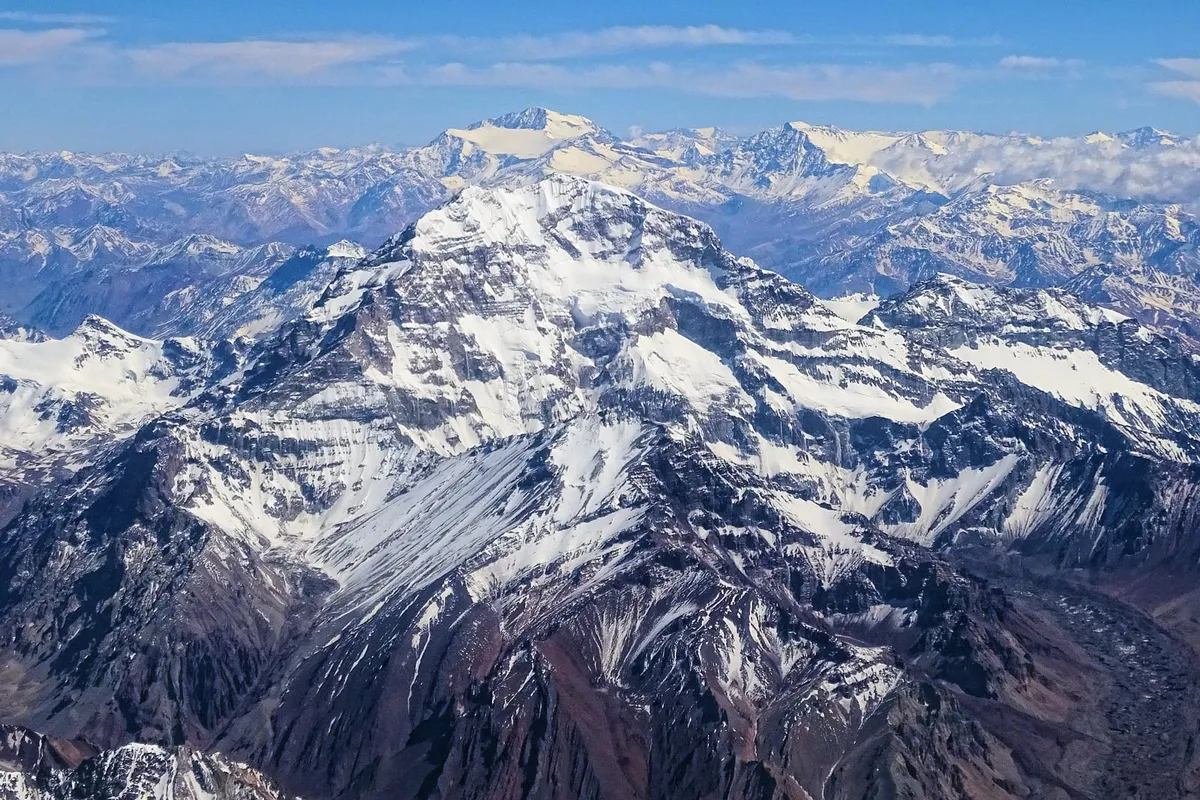
The "Patagonia" outdoor brand (Yvon Chouinard, 1973) takes its logo silhouette directly from Cerro Fitz Roy — climbed first by Frenchmen Lionel Terray and Guido Magnone in 1952. The Fitz, at 11,168 ft / 3,405 m, is technically modest by Andean standards (Aconcagua tops 22,837 ft) but among the world's hardest peaks because of its near-vertical granite walls and savage weather. Rolando Garibotti and Colin Haley have written extensively about the modern climbing scene at El Chaltén, the village beneath the peak founded in 1985 to anchor the border with Chile.
Wildlife is Patagonia's biggest non-glacier draw. The southern right whale (Eubalaena australis) returns to Península Valdés every austral winter (June-December) from Antarctic feeding grounds to calve and mate. They come within 150 ft of shore, reach 46 ft long and 60 tons. Hunted to near-extinction in the 19th century, the population has recovered since the 1937 international moratorium. Magellanic penguins nest in colonies at Punta Tombo (Chubut, 1 million birds) and Isla Martillo (Tierra del Fuego, 6,000 pairs) — you walk among them September-March. Orcas at Punta Norte beach-hunt sea lions (March-April) — the only place in the world this behavior is documented, featured in BBC Planet Earth. The Andean condor (10-foot wingspan) cruises the high crests south to Tierra del Fuego.
Patagonia vs. Chilean Patagonia: which side, which country? Argentina has the bigger glaciers (Perito Moreno, Upsala), the iconic Fitz Roy view, the wildlife coast (Valdés is on the Atlantic, only Argentine), and easier overland logistics. Chile has Torres del Paine (the famous "W" trek, arguably the best multi-day in South America), the Carretera Austral road trip, and access from Punta Arenas to Antarctic flights (cheaper than Ushuaia for some itineraries). The classic combo: 7-10 days Argentine side (Calafate + El Chaltén) + 4-5 days crossing into Chile to Torres del Paine via Puerto Natales.
Where to stay in Patagonia
Three main hubs: Bariloche (downtown or Llao Llao zone, USD 80-400, alpine with Nahuel Huapi views), El Calafate (tourist center, USD 90-280 standard, EOLO or Helsingfors USD 700+ luxury) and Ushuaia (downtown or Bahía, USD 100-300, Arakur USD 500+ with Beagle Channel views). For a unique experience: Patagonian estancias (Helsingfors near Calafate, Cerro Tronador, Estancia Cristina). For backpackers: hostels USD 25-50.
Patagonia distances are massive — 1,860 mi / 3,000 km north to south. Internal flights from Buenos Aires are the only realistic way to move:
Bariloche (BRC) — from BUE 2h 20m, USD 90-180 one-way. Aerolíneas, Flybondi, JetSMART. Hub for the Lake District.
El Calafate (FTE) — from BUE 3h 15m, USD 110-220. Hub for Perito Moreno + El Chaltén.
Ushuaia (USH) — from BUE 3h 35m, USD 120-240. Hub for Tierra del Fuego.
Trelew (REL) or Puerto Madryn (PMY) — for Península Valdés. From BUE 2h, USD 80-160.
Esquel (EQS) — for Los Alerces National Park. From BUE 3h, USD 130-200 (limited frequency).
Inter-hub flights
Bariloche → El Calafate: 1h 45m, USD 100-200. Aerolíneas and JetSMART.
El Calafate → Ushuaia: 1h 15m, USD 90-180.
Bariloche → Ushuaia: 2h, USD 110-200. Limited frequency, book ahead.
Heads up: Patagonian flights are the most weather-affected in Argentina — wind cancellations are common. Build a buffer day between critical connections.
Long-haul intl. flights to Buenos Aires
JFK New York → BUE: 10h 30m direct on American or Aerolíneas Argentinas. From USD 800 round-trip in low season.
Miami → BUE: 9h direct on American or Aerolíneas. The cheapest US gateway, often under USD 600.
Atlanta / Dallas / Houston → BUE: 1-stop via Miami or Panama, 12-15h total.
London → BUE: via Madrid (Iberia, BA) or São Paulo (LATAM), 15-18h total. From £700.
Sydney / Melbourne → BUE: via Auckland (Air NZ + LATAM) or Santiago, 18-22h total.
By bus or car
Buenos Aires → Bariloche: 22 hours on a sleeper bus, USD 80-130. Andesmar, Vía Bariloche.
Buenos Aires → El Calafate: 40 hours, USD 130-200 — only if you really love buses.
Bariloche → El Bolsón: 2h drive, 81 mi / 130 km on Route 40.
El Calafate → El Chaltén: 3h 30m bus, USD 25 one-way. 137 mi / 220 km on Route 40, spectacular landscape.
Rental car in Bariloche or Calafate: USD 50-80/day. Ideal for Route 40 / 7 Lakes.
Crossing to Chile (Torres del Paine)
Argentine Patagonia connects directly with Chilean Patagonia. Bariloche → Puerto Varas (Chile): Andean lake crossing, 12 hours by catamaran USD 280, scenic, unique. El Calafate → Torres del Paine: 5 hours by bus to Puerto Natales (Chile) USD 50, then transfer to the park. Ushuaia → Puerto Williams (Chile): ferry across the Beagle. Visa: US, UK, EU, AU, NZ passports are visa-free for both Argentina and Chile (90 days each).
Getting there — distances & times
From
Distance
Flight
Bus
Drive
Buenos Aires → Bariloche
1640 km
2 h 20
22 h
18 h
Buenos Aires → El Calafate
2700 km
3 h 15
40 h
35 h
Buenos Aires → Ushuaia
3050 km
3 h 35
50+ h
—
Bariloche → El Calafate
1490 km
1 h 45
28 h
24 h
El Calafate → Ushuaia
600 km
1 h 15
18 h
14 h
Frequently asked questions
The questions travelers ask us before they go.
How many days do I need for Patagonia?
Depends on scope. 5-7 days: one hub — Bariloche or Calafate (with El Chaltén). 10-12 days: Bariloche + Calafate. 14 days: Bariloche + Calafate + Ushuaia (the classic). 21 days: add Route 40 south, Cueva de las Manos, Los Alerces, or cross to Chile (Torres del Paine). The actual distance Bariloche-to-Ushuaia is 1,240 mi / 2,000 km — internal flights are mandatory, not optional.
How much does a Patagonia trip cost in 2026?
For 7 days at one hub (Bariloche or Calafate): USD 1,800-3,500 excluding international flights. BUE-BRC round-trip USD 150, 4★ hotel USD 100/night × 7 = USD 700, food USD 35/day × 7 = USD 245, tours USD 600 (mini-trekking USD 200, lamb dinner USD 95, boardwalks USD 80, others), rental car USD 350. For the 14-day classic Patagonia: USD 4,500-8,000. Luxury (Llao Llao, EOLO Calafate, Arakur Ushuaia): USD 12,000+. Antarctic cruise from Ushuaia: USD 8,000-25,000 separately.
When is the best time to visit Patagonia?
December-February (summer): high season, everything open, daylight until 10 pm, ideal trekking, peak prices, crowded in Calafate and Bariloche. March-April (fall): forests in golden colors, fewer tourists, stable weather — one of the best windows. June-September (winter): skiing in Bariloche and Cerro Castor, Perito Moreno frozen across the lake (totally different show). October-November (spring): whales in Valdés, river thaw, harsh winds in El Chaltén. Avoid May (transition, many services close).
Bariloche or El Calafate — which one if I only have 7 days?
Depends what you want. Bariloche: more urban, 100k-population alpine town, developed infrastructure (chocolate shops, restaurants, breweries), Lake District feel, accessible year-round, ideal with family or first-time Patagonia. Calafate: tourist-village 22k people, 100% focused on glaciers (Perito Moreno) and El Chaltén trekking, more authentically Patagonian, better for nature purists. If you love walking and want "wild Patagonia" → Calafate. If you want landscape + town life → Bariloche.
Is Ushuaia worth the trip?
Yes, once. World's southernmost city (54° S, "End of the World"), unique history (penal colony 1902, Antarctic base since 1950s), Beagle Channel cruise with sea lions and Les Eclaireurs lighthouse, Tierra del Fuego National Park (literal end of Route 3), Magellanic penguins on Isla Martillo (Oct-Mar). Landscape is subtler than Calafate or Bariloche but the symbolic weight of "we made it to the End of the World" is real. With 7 days you can't fit it. With 14, yes. Antarctic cruise gateway: 80% of Antarctic expeditions depart from Ushuaia (Nov-Mar, USD 8,000+).
Argentine vs Chilean Patagonia — which side?
The honest answer: do both if you can. Argentine side has Perito Moreno (the glacier), Fitz Roy (the icon), Península Valdés wildlife, and easier internal flights. Chilean side has Torres del Paine (the W and O treks, considered the best multi-day in South America), the Carretera Austral road trip, and Punta Arenas as alternative Antarctic gateway. The classic combo: 7-10 days Argentine (Calafate + El Chaltén) + 4-5 days crossing to Torres del Paine via bus to Puerto Natales (USD 50, 5h). Visa-free for US/UK/EU/AU on both sides.
Do I need to book Perito Moreno in advance?
Park entry (USD 30 foreigners) does NOT need a reservation — pay at the gate or go with a tour. The boat trips to the ice face (USD 50, 1h) and the mini-trekking on the ice (USD 200, 5h) DO need to be booked ahead, especially November-March. Book 1-2 weeks in advance. Hielo & Aventura is the only operator licensed for mini-trekking. The boardwalks (free with park entry) are 4 km of catwalks within meters of the ice — 2-3 hours, kid-friendly.
How is the trekking in El Chaltén?
El Chaltén is "national trekking capital" — all trails leave from town, no tour or guide required (free access). Laguna de los Tres (Fitz Roy): 13 mi / 21 km round-trip, 8-10 hours, +700 m / +2,300 ft elevation, last km is a steep boulder field. Cerro Torre: 11 mi / 18 km round-trip, 7-8 hours, lake + tower view. Laguna Capri: 4-hour round-trip, easy, Fitz view. Pliegue Tumbado: full day, almost empty. Bring water, snacks, windshell, hiking shoes. Best season November-March.
When can I see whales in Península Valdés?
June-December, peak September-October. Southern right whales migrate from Antarctica to calve and mate in the warmer Golfo Nuevo and Golfo San José waters. Visible from shore at Puerto Pirámides 50 m / 150 ft out. Boat watching USD 70-90 (1-1.5h, legal distance 50 m / 150 ft). Full Valdés circuit (USD 130-180): Puerto Pirámides + whales + sea lions at Punta Norte + elephant seals + Magellanic penguins. Reach via flight to Trelew (REL) or Puerto Madryn (PMY).
Patagonia packing list?
Gear is everything. Layers: base + fleece + waterproof shell, all-in-one because weather changes within an hour. Waterproof hiking boots are mandatory (no sneakers for trekking). Sun hat and shades (UV is intense despite the cold). Gloves and beanie even in summer. Camera with spare battery (cold drains batteries fast). Reusable water bottle. For winter (skiing or glacier): technical jacket, waterproof pants, snow goggles. Buy in Bariloche or Buenos Aires if you don't want to pack it.
Can I take an Antarctic cruise from Ushuaia?
Yes — 80% of Antarctic cruise traffic departs from Ushuaia (the closest port to the Antarctic Peninsula at 600 mi / 1,000 km across the Drake Passage). Season: November to March. Expeditions: 10-day Antarctic Peninsula USD 8,000-12,000 (basic), 21-day with South Georgia + Falklands USD 18,000-30,000. Operators: Hurtigruten, Quark, Oceanwide, Antarctica21 (fly + cruise version that skips Drake). Book 6-12 months ahead. Last-minute deals at Ushuaia agencies sometimes drop USD 5,000 cabins (high risk, not guaranteed).
Sources & methodology
Last updated:
How we built this guide
This guide updates quarterly (last: April 2026). Prices verified against Civitatis, GetYourGuide, Booking.com, converted to USD at the MEP rate. Distances measured on Google Maps, daytime, off-peak. Attraction selection based on real visitor data: 8,420 reviews on Perito Moreno, 3,200 on El Chaltén, 5,640 on Ushuaia Beagle. Local knowledge: Sebastián, the site author, has traveled to Patagonia 6+ times (Bariloche, Calafate, El Chaltén, Ushuaia, Madryn) between 2018 and 2025.