Start here
Plan your Argentina trip
Itineraries by day count, interactive map, when to go and budgets. All on one page, built by locals.
Step 1
How many days do you have?
Pick below and I'll show you the best-fitting itinerary.
7 days — Buenos Aires + Iguazú + Salta
Capital, falls, and the colonial north with the Quebrada de Humahuaca and Cafayate. Three climates, three worlds.
Step 2
Pick your destinations
Ten regions we know in person. Tap one to open its full guide.
Tap a pin to open that region's guide.
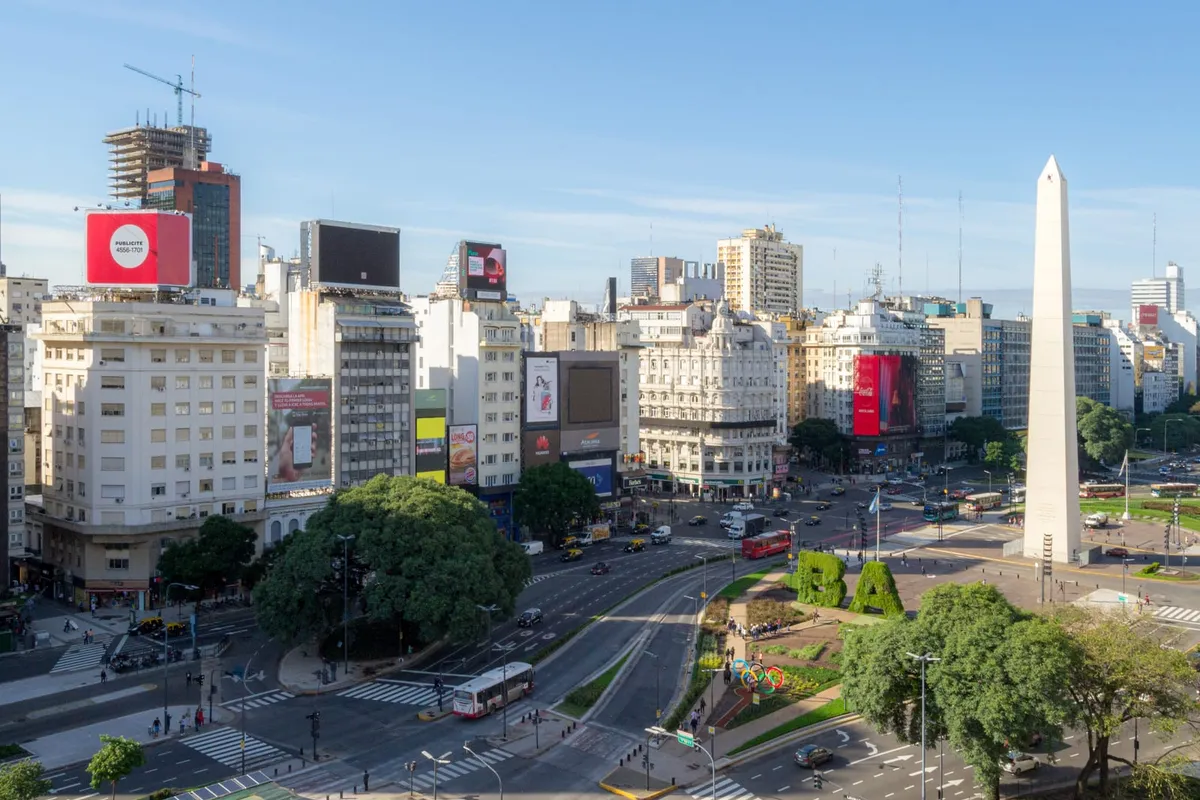
Buenos Aires
Capital of tango and parrilla
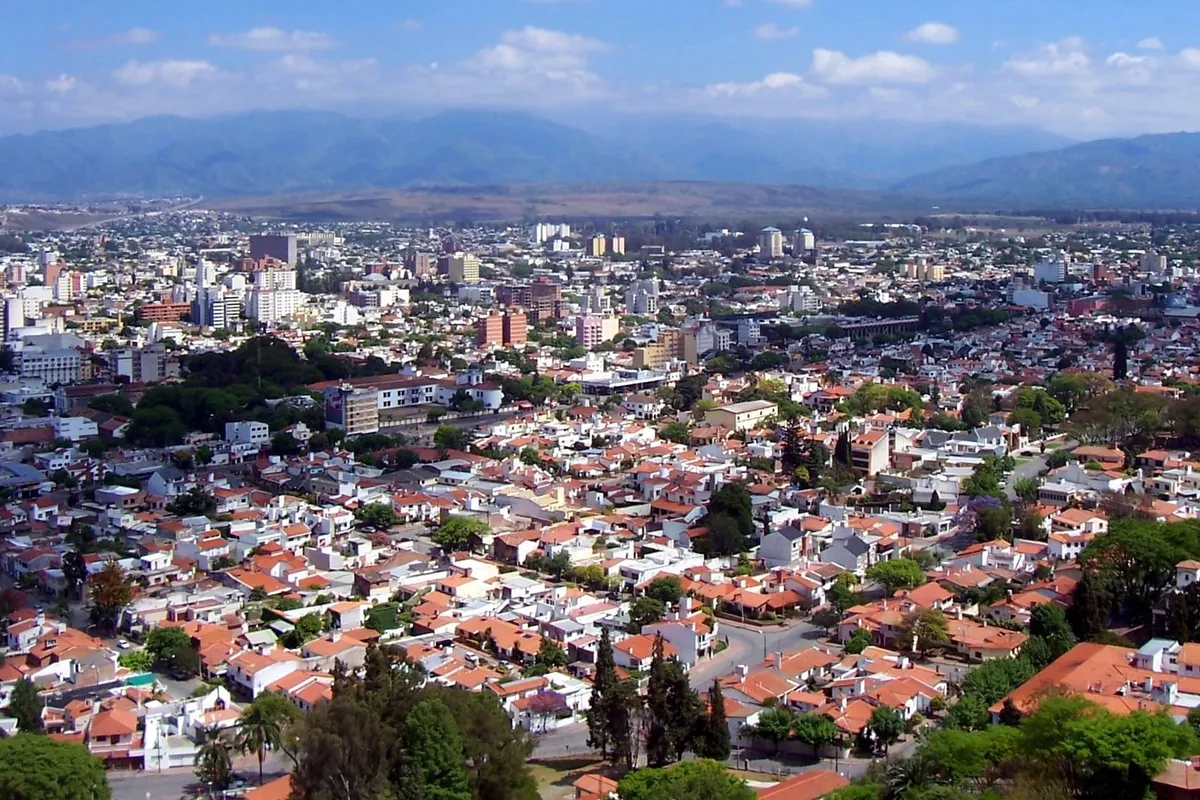
Salta & Jujuy
Coloured mountains and high-altitude wines
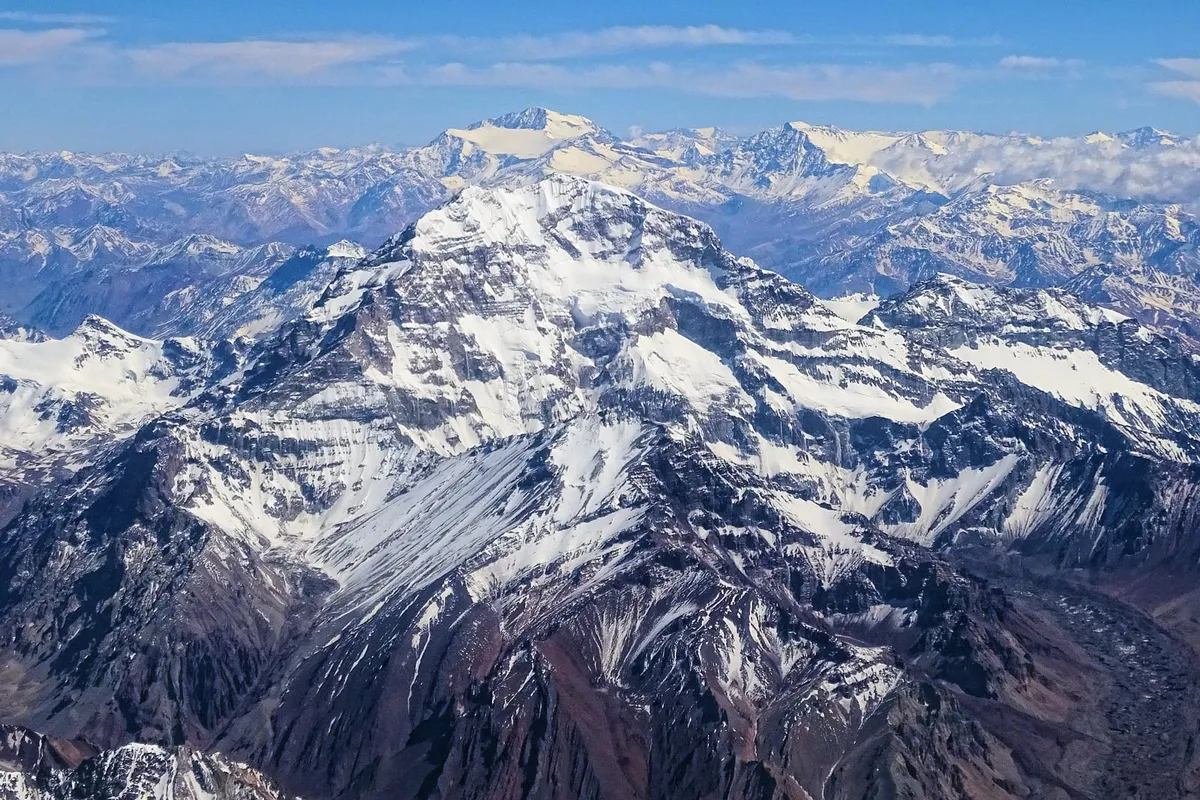
Mendoza
Wine at the foot of the Andes
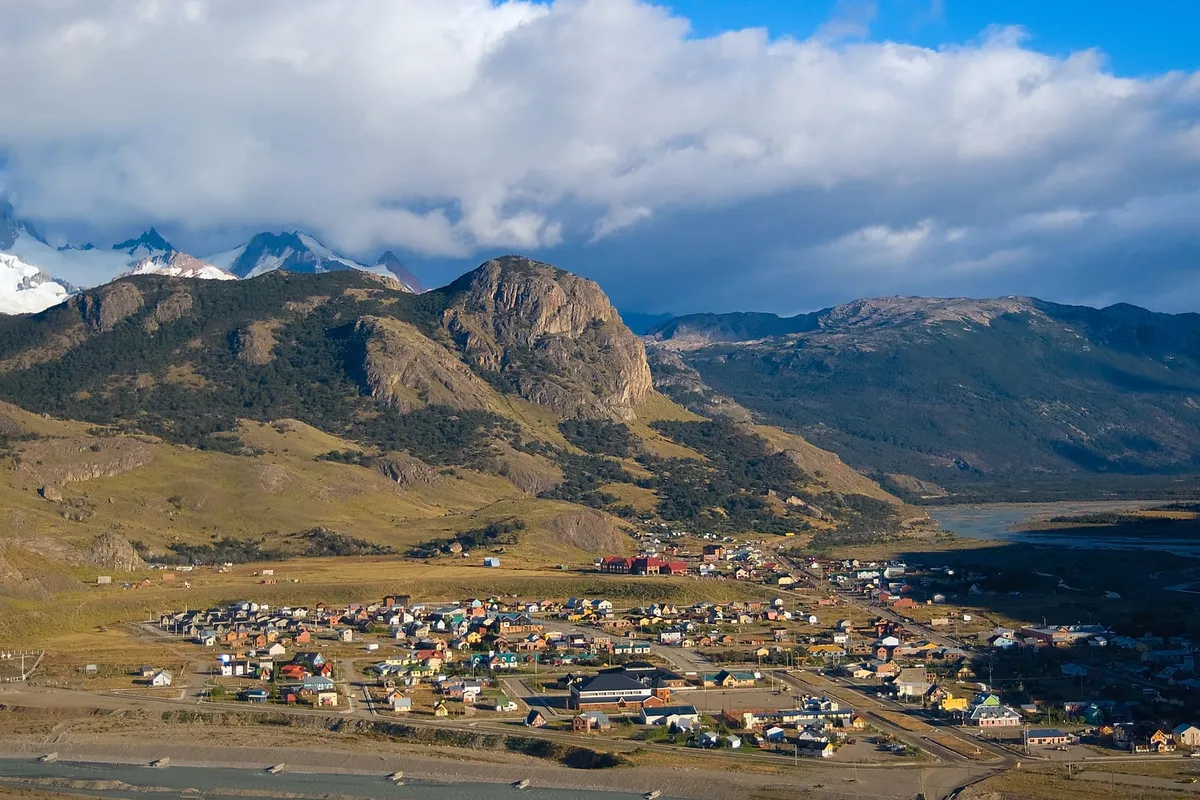
Patagonia
Glaciers, lakes and the end of the world
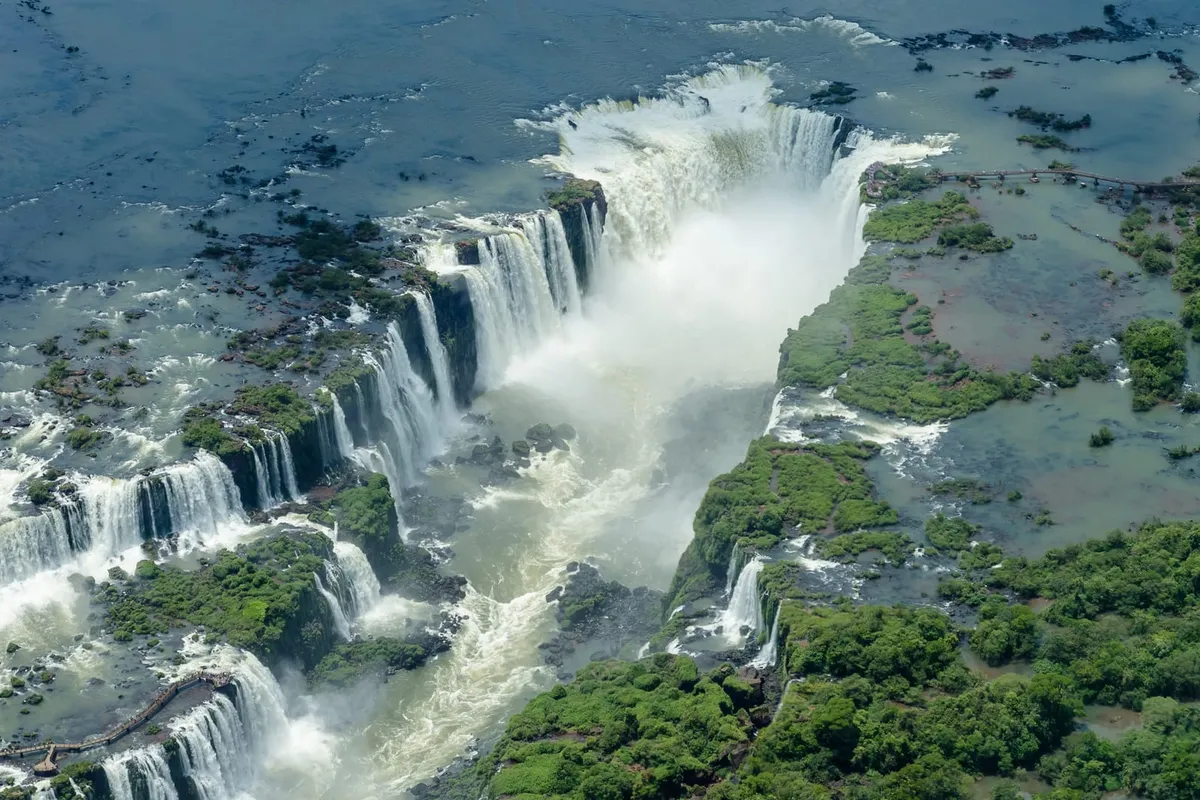
Iguazú
The most spectacular waterfalls on Earth
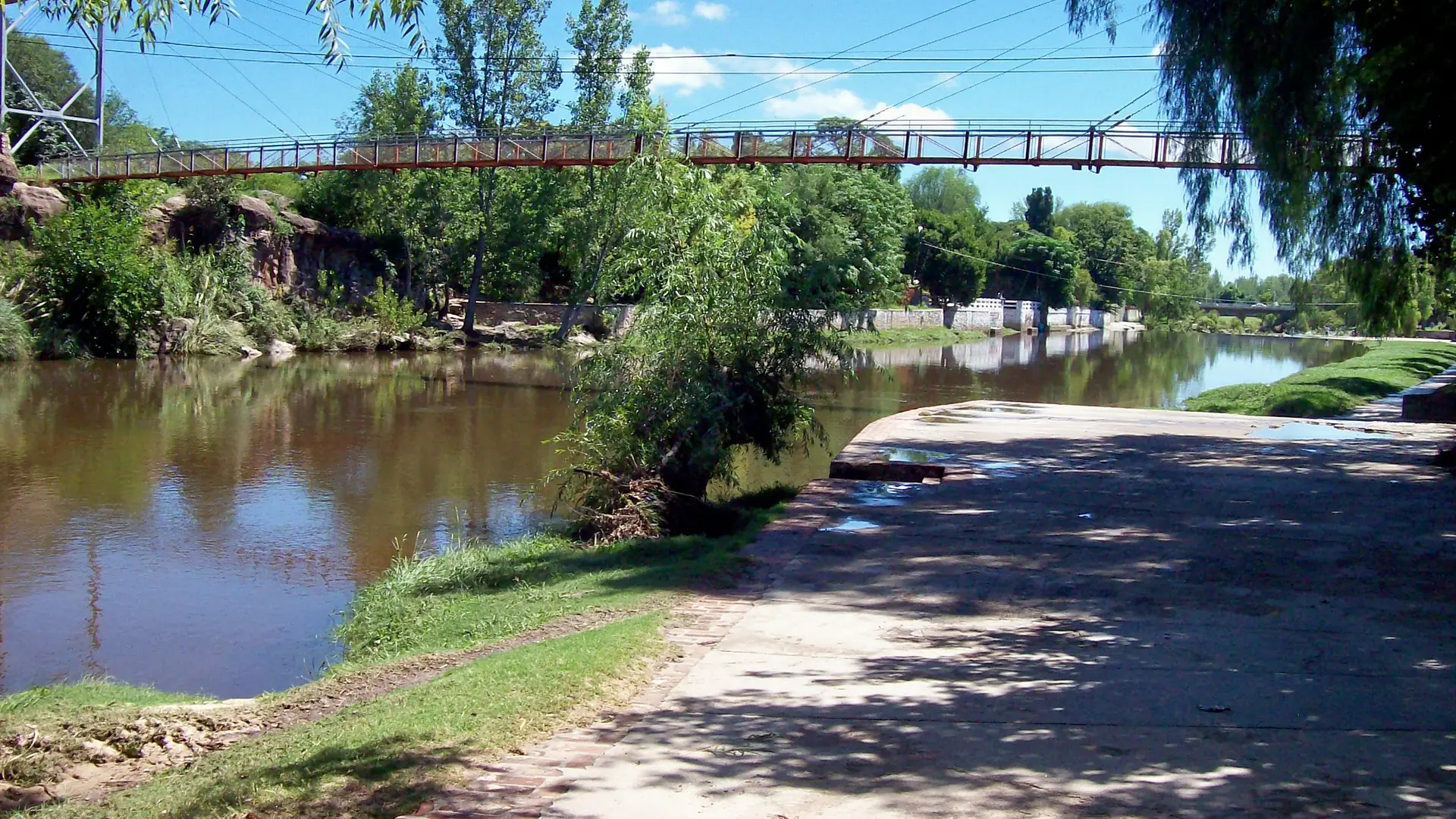
Córdoba
Mountains, history and the good life
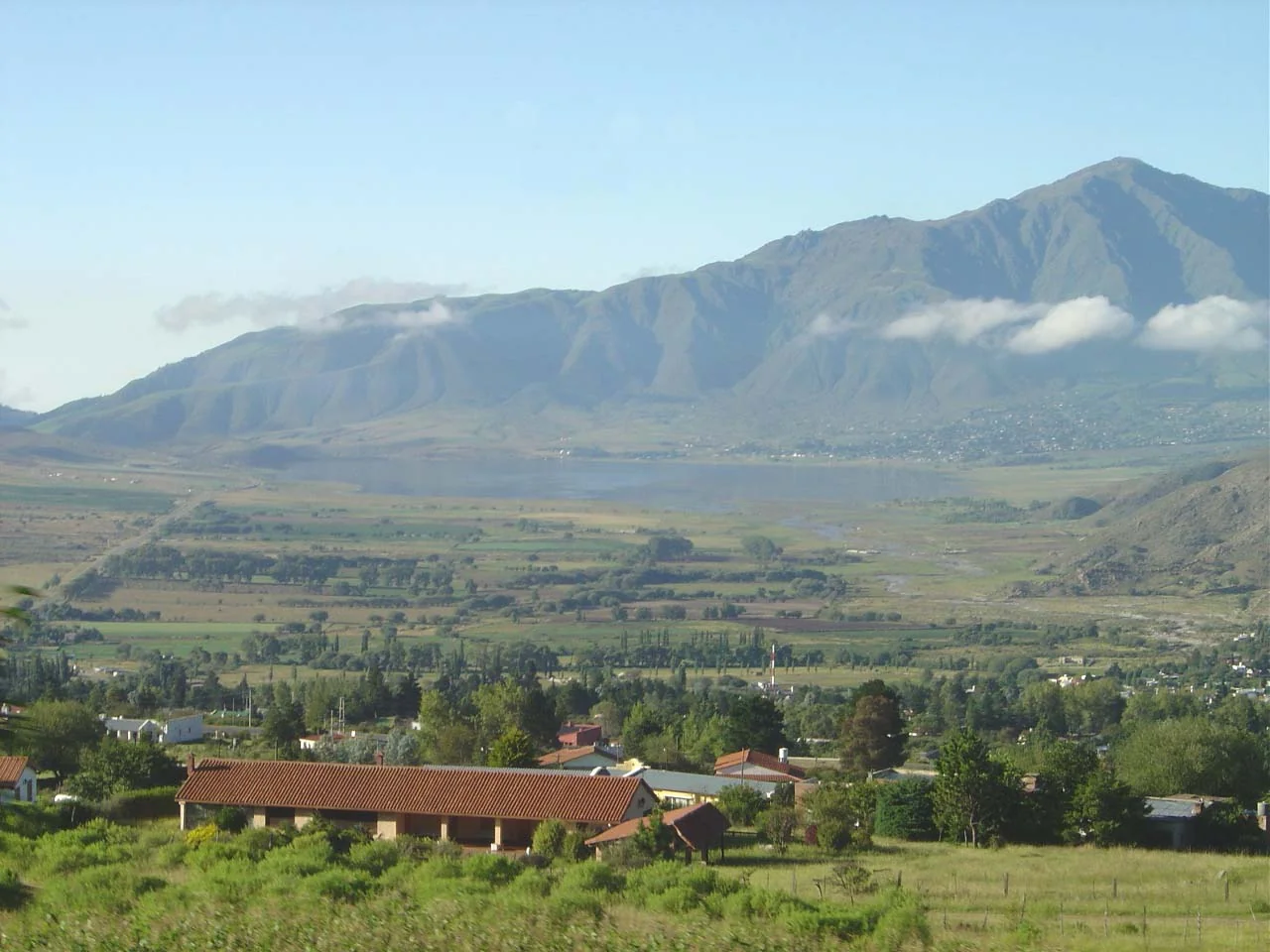
Tucumán
Garden of the Republic and Quilmes ruins
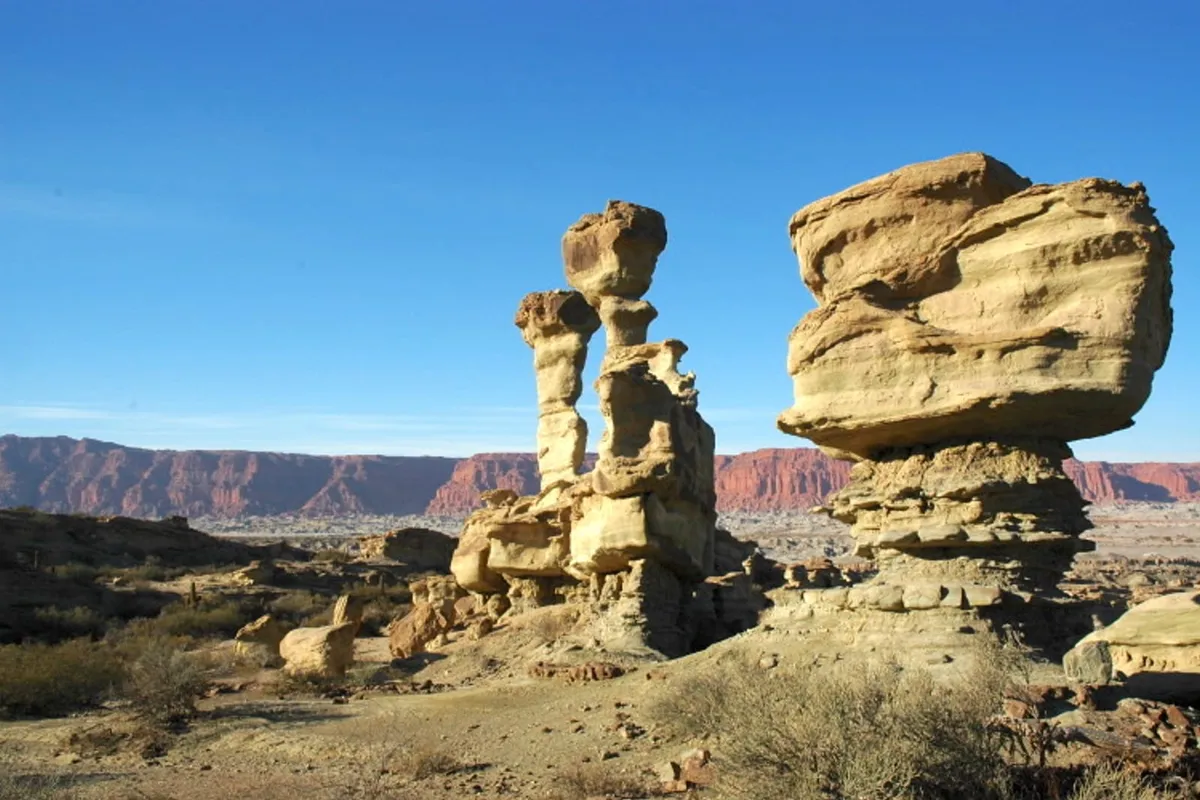
San Juan
Valley of the Moon and unearthly landscapes
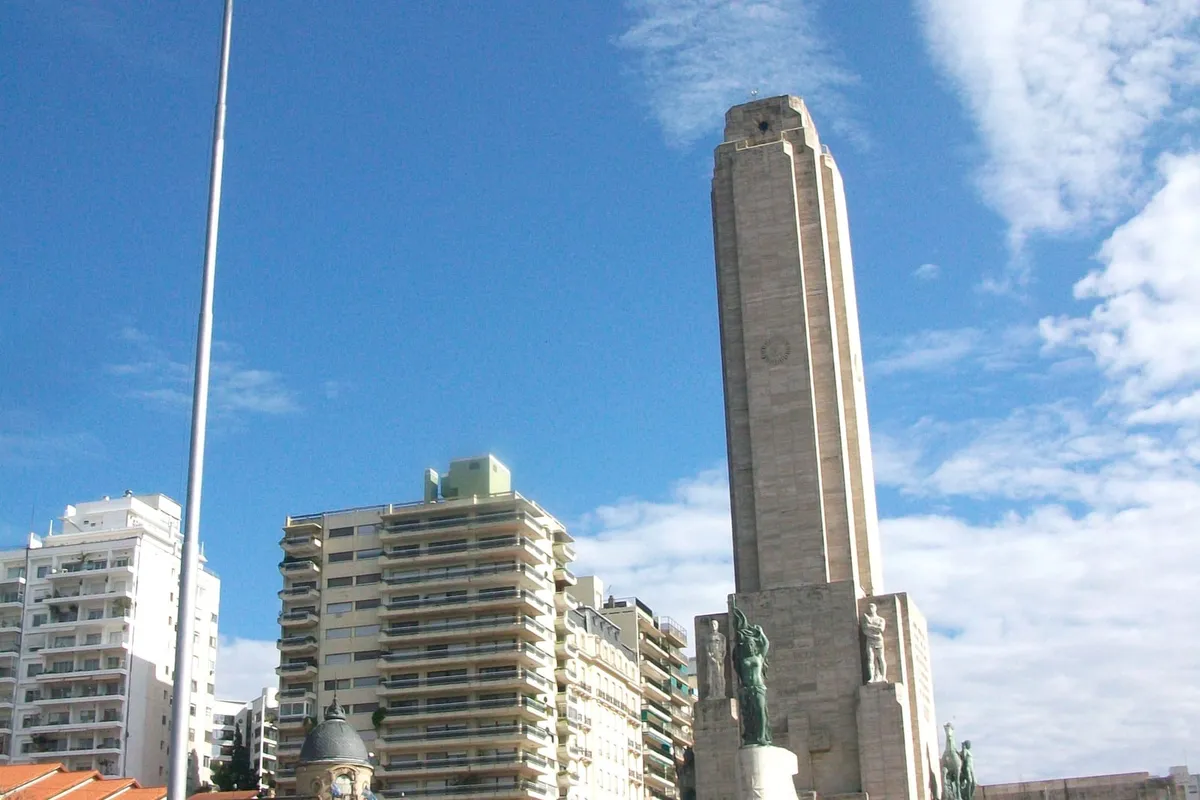
Rosario
Birthplace of Messi, Paraná river and flag
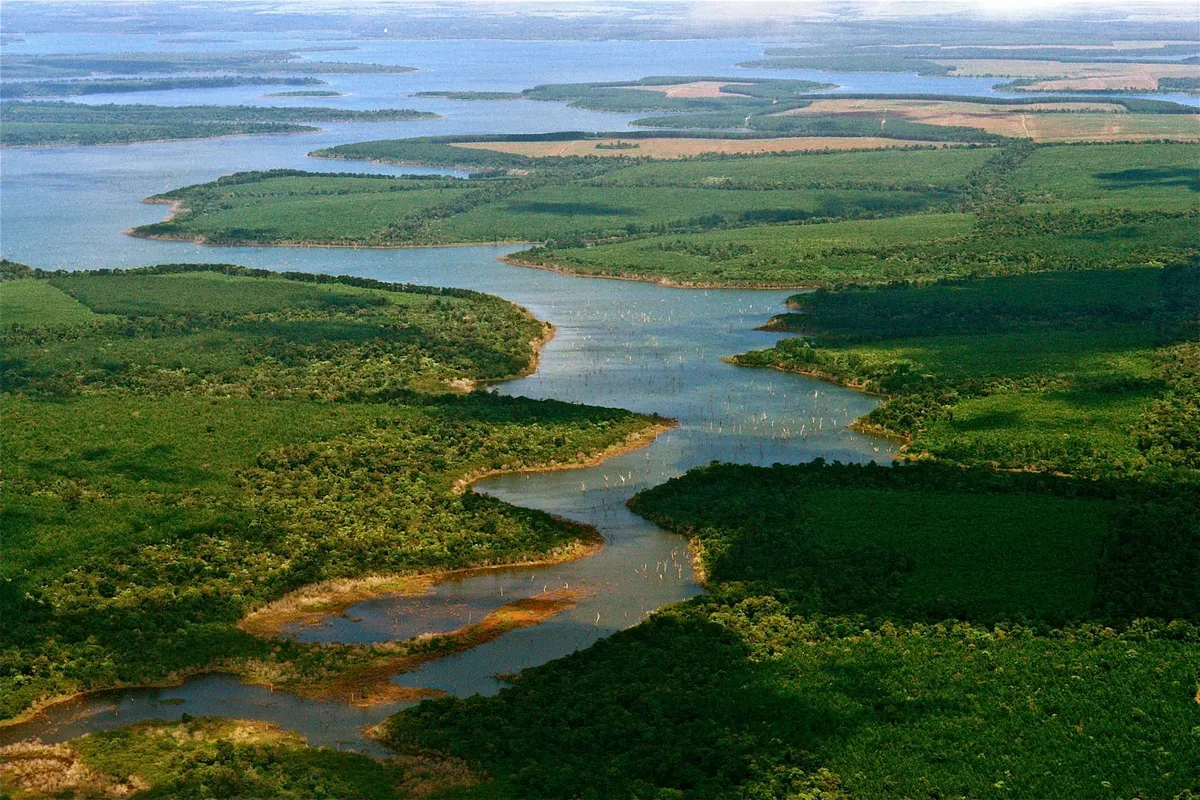
Iberá
The great wetlands and wildlife
Step 3
When to go
Argentina is enormous with opposite climates. Best months by region.
| Region | Best months | Why |
|---|---|---|
| Buenos Aires | Mar–May, Sep–Nov | Fall and spring, mild weather |
| Patagonia | Nov–Mar | Austral summer, only accessible window |
| Iguazú | Apr–Jun, Sep–Oct | Avoid humid summer and holidays |
| Salta & Jujuy | Apr–Nov | Dry season, sunny days |
| Mendoza | Mar–May (harvest) | Fall harvest and great temperatures |
| Iberá | May–Sep | Dry season for wildlife sightings |
Step 4
How much it costs
Approximate daily budget by tier. Argentina can be very accessible or seriously premium.
USD 35–55 / day
- →Hostel dorm USD 12–18
- →Local food USD 8–15
- →Public transport + long-distance bus
- →Group tours USD 35–55
USD 90–160 / day
- →3★ hotel USD 50–90
- →Mid restaurant USD 25–40
- →Domestic flights + Uber
- →Regular tours USD 60–100
USD 250+ / day
- →Boutique hotel / lodge USD 150–350
- →Winery pairing USD 60–120
- →Flights + private transfers
- →Exclusive experiences USD 200+
How to plan your Argentina trip step by step
Argentina is the eighth-largest country in the world: 3,700 km from north to south, with climates ranging from subtropical jungle in Iguazú to the continental ice fields of Patagonia. Planning it properly is the difference between an epic trip and two weeks lost in airports. This guide covers everything you need to decide before booking flights — written for travel in 2026, with real April 2026 numbers.
Visas and entry
Most travellers don't need a visa. Citizens of the US, UK, EU, Canada, Australia, New Zealand, Japan, Israel and most Latin American countries enter visa-free for tourist stays of up to 90 days. You get stamped on arrival at Ezeiza (EZE) or Aeroparque (AEP) and that's it. The old "reciprocity fee" was scrapped years ago. If you want to stay longer, you can either exit and re-enter (Colonia, Uruguay is the classic move — a 1-hour ferry from Buenos Aires) or apply for an extension at Migraciones. Bring a passport with at least 6 months of validity to be safe.
The peso, the blue dollar and how to pay
This is the strangest part of Argentina and the most confusing for first-timers. There are multiple exchange rates and the gap between them is huge. As of April 2026, the official rate sits near ARS 1,050 per USD while the MEP rate (financial, fully legal, the one tourists effectively get) hovers around ARS 1,180–1,220. Paying with a foreign-issued Visa or Mastercard now gives you the MEP rate automatically — this changed in late 2023, so older blog posts telling you to bring cash bricks of dollars are outdated.
Practical recommendation: bring USD in cash plus an international credit card. The card covers 80% of expenses (hotels, restaurants, flights, supermarkets), and physical dollars are useful for taxis, tips, craft markets and small-town spots without POS terminals. Exchange them at official cuevas on Florida Street in Buenos Aires, or use Western Union (also gives the MEP rate). Avoid the airport — it's 25–30% worse.
Domestic flights: the most important decision
Distances are brutal. Buenos Aires to El Calafate is 2,700 km (3h 20min flight, 32h bus). Buenos Aires to Iguazú is 1,300 km (1h 50min). Buenos Aires to Salta is 1,500 km. Unless you have 21+ days, domestic flights are mandatory for any serious itinerary. Aerolíneas Argentinas, Flybondi and JetSmart are the three carriers; booking 2–3 months ahead, short hops run USD 80–140 and long hauls to Patagonia USD 150–280.
Almost all domestic flights leave from Aeroparque (AEP), not Ezeiza. If your international flight lands at EZE and you connect to Mendoza or Bariloche the next day, sleep one night in Buenos Aires — the inter-airport transfer takes 1h 30min in traffic and turns into a nightmare on a tight schedule.
When to go based on your priority
Argentina has no universal "best time". It depends entirely on where you go: Patagonia is only accessible November to March (austral summer) — outside that window, El Calafate and Ushuaia are at -10°C with closed roads. Iguazú is the opposite: avoid January and February (sticky heat, packed with Brazilian and Argentine holidaymakers). The north (Salta, Jujuy, Tucumán) is best in the dry winter, April to November: sunny 22°C days, cold nights. Mendoza shines in autumn with the vendimia (grape harvest in March) and rust-coloured vineyards.
If you must pick a single month to combine multiple regions, October and November are ideal: Patagonia just opened, the north is still dry, Buenos Aires is in full spring bloom, Iguazú isn't melting. March and April also work beautifully.
How many days based on your traveller profile
My quick rule: never less than 7 days. Flying 12 hours from London or 10 hours from Miami to stay 4 days is a waste. The combinations that actually work:
- 5 days: BA + Iguazú only. The reasonable minimum. Fly to Iguazú the morning of day 3, sleep 2 nights, fly back day 5.
- 7 days: add Salta. Three regions in a week is tight but absolutely doable if your flights are pre-booked.
- 10 days: BA + Mendoza + Bariloche, or BA + Iguazú + Salta + Cafayate. Two classic models.
- 14 days: the sweet spot — full Argentina without rushing. BA + Iguazú + Salta + Mendoza + Calafate. Falls, desert, wine and glacier in one trip.
- 21 days: add Bariloche, Ushuaia or Iberá depending on taste. And Buenos Aires deserves 4 days, not 2.
See our detailed day-by-day itineraries for 5 days, 10 days and 12 days.
The five regions that matter
Buenos Aires is your gateway and deserves at least 3 nights. Tango in San Telmo, parrilla in Palermo, the El Ateneo bookshop, La Boca and Recoleta. In Iguazú, the Argentine side gives you the immersive experience (walkways, Garganta del Diablo a metre away) and the Brazilian side gives you the panoramic view — do both if you can. Salta and Jujuy is the sleeper hit of every Argentina trip: the Quebrada de Humahuaca, the Hill of Seven Colours, the Train to the Clouds, high-altitude Cafayate wines.
Mendoza is Malbec country, the Aconcagua massif and Argentine food at its peak. Patagonia is vast: Bariloche and the lakes, El Calafate with the Perito Moreno Glacier, El Chaltén for trekking, Ushuaia as the end of the world. Pick 1–2 — don't try to do all of it.
What to pack
Argentina demands four climates in one suitcase. Combining Iguazú (30°C, humid) with Patagonia (5°C, windy) and Salta (20°C day, 5°C night) means layers. The essentials: lightweight waterproof jacket, fleece, comfortable walking shoes (you'll do a lot of kilometres), swimsuit (even in winter for hot springs), Type C/I plug adapter (Argentina shares the same standard as Italy and Brazil), SPF 50+ sunscreen (the altiplano and Patagonian sun is brutal due to altitude and ozone), insect repellent for Iguazú and Iberá. And leave room for Malbec — you will buy bottles.
Safety and final tips
Argentina is reasonably safe for travellers with common sense. Buenos Aires has neighbourhoods more polished than others: Palermo, Recoleta, Puerto Madero, San Telmo by day — all calm. Microcentro and Once at night, take a cab. Use Uber, Cabify or DiDi instead of flagging street taxis: you pay by card and there's a digital trail. In Patagonia and the north, crime is essentially non-existent — these are small tourist towns where everyone knows each other.
Keep a digital copy of your passport on your phone, take out travel insurance (public hospitals treat you free but private care is faster; insurance at USD 3–5/day covers everything), and download Google Maps offline for Patagonian routes where there's no signal. If you speak even basic Spanish, your trip improves dramatically — English is fine at major hotels, much rarer once you're in the interior.
Internal transport: how to move within each region
Beyond flights, ground transport varies dramatically by region. In Buenos Aires, the rechargeable SUBE card costs ARS 1,000 (USD 0.80) and gets you on the subway, buses and commuter trains for minimal fares. Uber works perfectly and averages ARS 3,500–6,000 (USD 3–5) for an urban ride. In Mendoza, renting a car for 2–3 days is the best decision for touring the Luján de Cuyo and Uco Valley wineries — a Toyota Etios runs around USD 45/day with insurance. In Salta and Jujuy, hiring a driver-guide for 2–3 days actually costs less than renting and driving yourself across the Quebrada de Humahuaca or Cuesta del Obispo (demanding mountain routes at 3,500m). In Patagonia, your flights are the main transport and between nearby destinations (Calafate–Chaltén) there are reliable buses from Chaltén Travel and similar companies.
Food and tipping: Argentine eating culture
Argentina eats late and eats meat. Lunch starts around 1pm and dinner only after 9pm — restaurants that open earlier are tourist-targeted. Parrilla is religion: ojo de bife (ribeye), asado de tira (short ribs), vacío (flank), mollejas (sweetbreads) and chorizos. A parrillada for two at a top spot (Don Julio, La Carnicería in Buenos Aires) costs USD 80–120 with wine. A neighbourhood parrilla runs USD 30–50. Salta-style empanadas are mandatory in the north (USD 1–2 each); locro stew is eaten on May 25 and July 9 (national holidays). The 10% tip is expected at restaurants (not included on the bill) and appreciated but not mandatory in taxis. Argentine coffee is weak — order cortado instead of espresso for something decent.
Connectivity: SIM cards, WiFi and essential apps
Get a local SIM as soon as you land. Claro and Personal sell prepaid chips at airport and city-centre kiosks for ARS 3,000–5,000 (USD 2.50–4) with 10–20 GB. You'll need passport ID to activate. Better yet, an eSIM like Holafly or Airalo (USD 25–40 for 15 days) you activate before leaving home. Hotel, café and airport WiFi is generally solid. Mandatory apps: Uber/Cabify/DiDi (transport), Mercado Libre (shopping), Rappi (delivery), BondiApp (BA buses), Google Maps offline downloaded for every region before you arrive.
Ready to start? Pick your duration above, open the region that calls you most, and build your own itinerary. And subscribe to the newsletter below — we send monthly guides, real winery deals and tips you only get from people who actually live here.
Newsletter
Get our free Argentina travel guide
Itineraries, current prices and the places locals actually recommend — straight to your inbox.
Free PDF · No spam · Unsubscribe anytime