World's 2nd-largest wetland, the heart of Argentina's jaguar rewilding
Last updated: April 2026
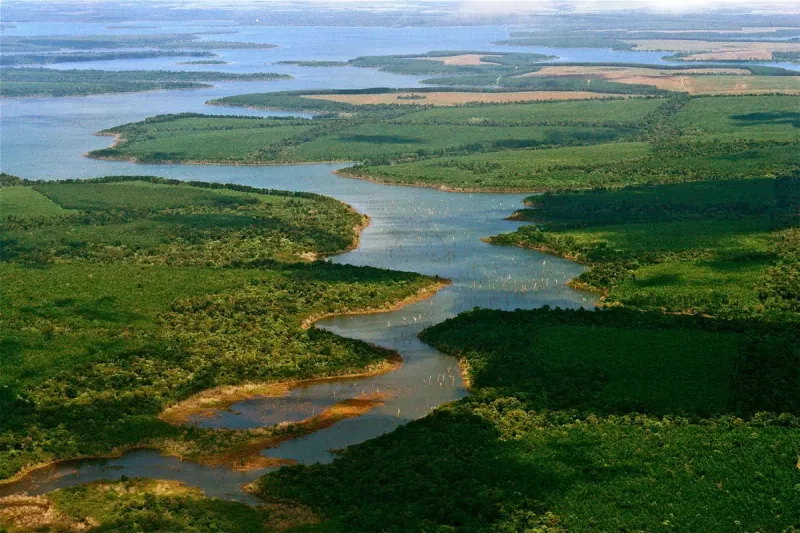
The Iberá Wetlands are the second-largest wetland system on Earth (after Brazil's Pantanal): 1.3 million hectares / 3.2 million acres of lagoons, marshes, floodplains, and wet grasslands in the heart of Corrientes province, northeastern Argentina. To put it in scale for North American visitors: Iberá is roughly three times the area of Florida's Everglades National Park. What makes it different from any other wildlife destination on the continent is the most ambitious rewilding program in the Americas — led by Rewilding Argentina (the foundation Doug Tompkins, founder of The North Face, and his wife Kris McDivitt Tompkins, former CEO of Patagonia, built into the largest private conservation effort in South America). Since 2007 the program has successfully reintroduced jaguar (the apex predator absent from Corrientes for 70+ years), giant anteater, red-and-green macaw, giant otter, pampas deer, and collared peccary.
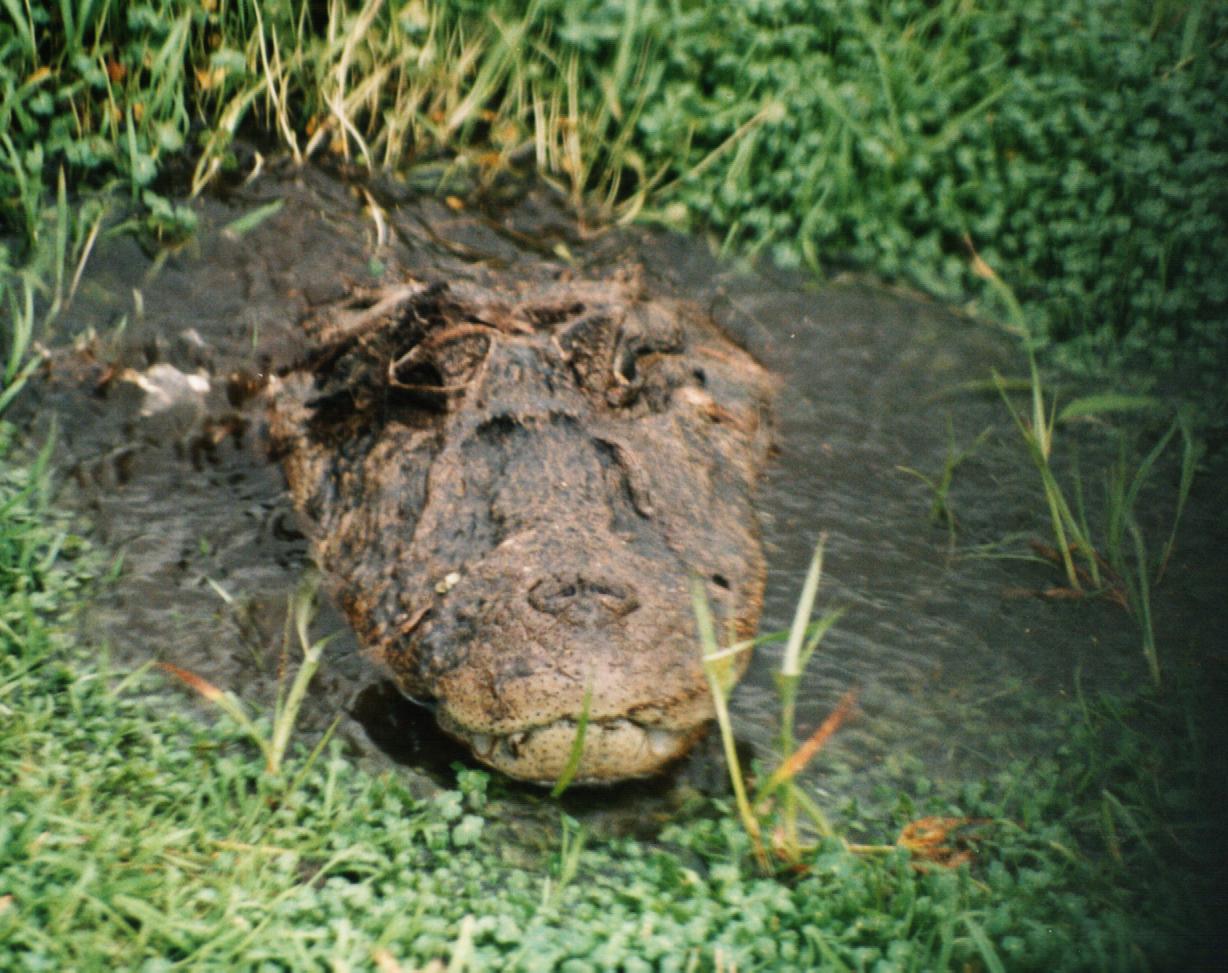
For US conservationists this should ring a bell: it's the closest thing in South America to Yellowstone's wolf reintroduction (1995) — same trophic-cascade ambition, same private-public collaboration model, same multi-decade horizon. The result today is the best place in Argentina to see wildlife in the open: capybaras everywhere (the world's largest rodent — yes, the meme animal, all over Iberá in herds of 30-50), caimans sunning on every shore, marsh deer (the largest deer in South America), howler monkeys, and 360+ bird species for serious birders. The base village is Colonia Carlos Pellegrini, ~800 inhabitants, where every lodge specializes in guided wildlife immersion. 2 days: launch safari + night walk. 3 days: add horseback ride + dawn birding. 4 days: stargazing (zero light pollution, Milky Way visible to the naked eye) plus the Yaguareté Corá portal (the jaguar-rewilding visitor center). Off-the-grid: limited cell signal, lodge-only WiFi — embrace it.
Iberá Wetlands experiences
Real visitor data: Civitatis, GetYourGuide, direct lodge consultation. Verified April 2026.
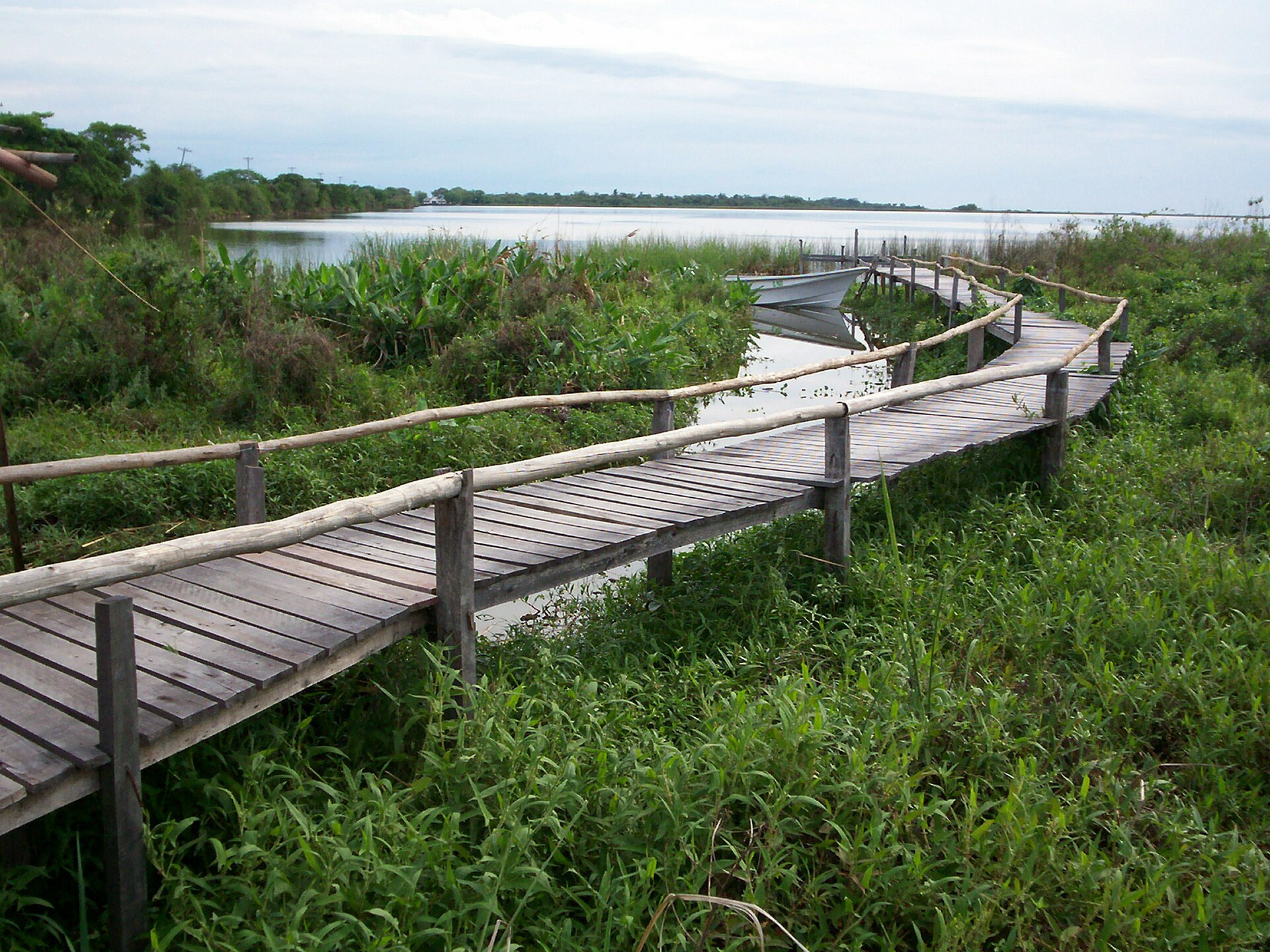
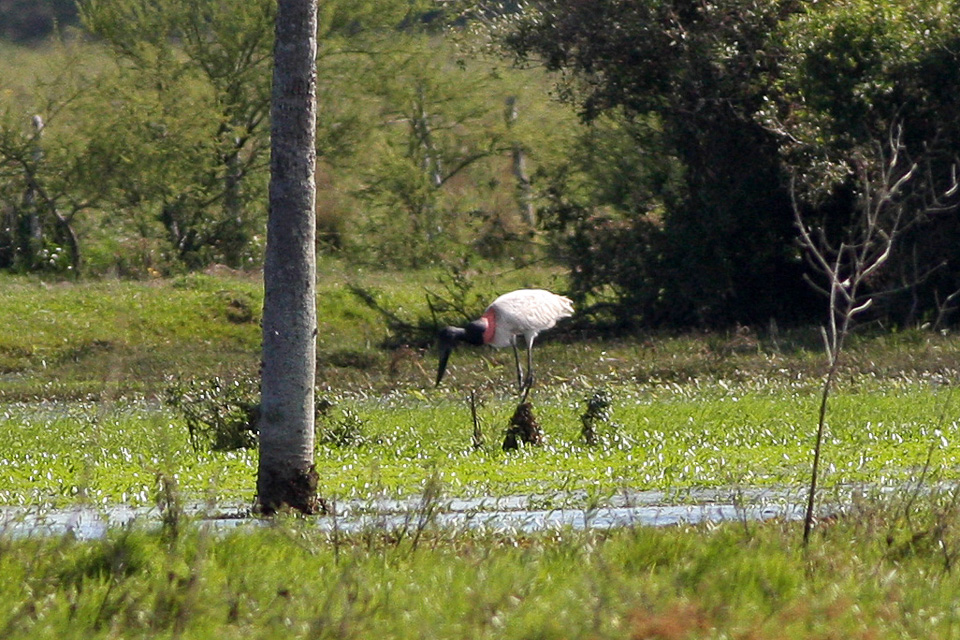
The classic Iberá experience: 2-3 hours by motor launch on the main lagoon, watching capybaras on the banks, caimans sunning, and aquatic birds (jabiru — South America's tallest stork at 4.6 ft / 1.4 m, snowy egret, American wood stork) — and, with luck, the marsh deer. Departures dawn and dusk (peak wildlife activity windows). Included in lodge full-board packages. Standalone tour USD 35-50 per person.
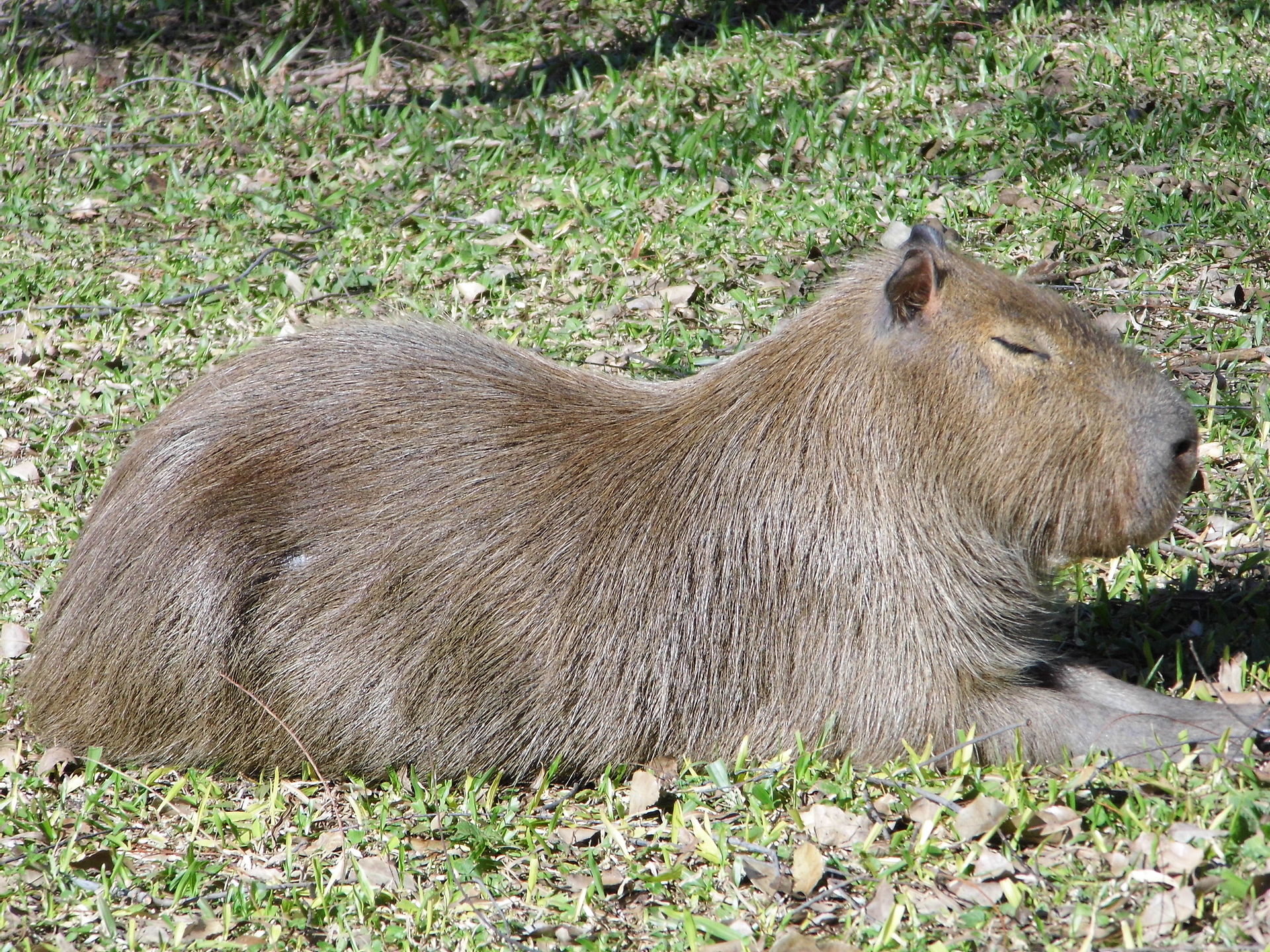
The capybara (<em>Hydrochoerus hydrochaeris</em>) is the world's largest rodent — up to 145 lbs / 65 kg and 4 ft / 1.3 m long. Iberá hosts thousands. You'll see them on every launch ride or horseback excursion: sunning on banks, grazing, swimming in family groups. Highly social, gentle, no threat to humans. The internet meme (the unbothered capybara) is real here — they tolerate humans at remarkably close range. Best viewing: mid-afternoon and sunset. The cultural symbol of Iberá and Corrientes province.
Local guide leads a 1.5-2 hour walk on Visitor Center trails or estancia paths with red-filtered flashlights (red preserves animal night vision). You'll see caimans whose eyes glow orange, raccoons, skunks, owls, agoutis, occasionally river otters. Immersion in the soundscape of the wetland after dusk: frog choruses, nightjars, distant howler monkeys. Most bookable activity to feel the ecosystem rather than just see species. USD 25-35.
Iberá is a birder's paradise: 360+ documented species (more than the entire UK), eBird-verified. Iconic species: jabiru (4.6 ft / 1.4 m tall, the tallest stork in South America), wood stork, snowy egret, roseate spoonbill, smooth-billed ani, yellow cardinal, southern screamer. Dawn-led excursions (best light + activity), 4-5 hour walks with telescope and binoculars. Most lodges have an in-house birding specialist. With dedicated birding guide: USD 80-120.
Ride with local <em>gauchos correntinos</em> through grasslands and marsh edges. 3-4 hours, calm pace, beginner-friendly. River crossings, capybara and bird sightings from horseback (different angle than the launch). Mate and chipá (cassava cheese rolls) breaks. The riding tradition here is older and quieter than Patagonia's — fewer tourists, more local color. USD 50-75.
The marsh deer (<em>Blastocerus dichotomus</em>) is the largest deer in South America (up to 330 lbs / 150 kg). Endangered across most of its historic range, Iberá hosts one of the largest healthy populations (~3,000 individuals). Sightings happen on lagoon launches at first light. Shy animal — requires an experienced guide. Females with fawns are the most moving sight. A flagship species for the wetland's recovery story.
Iberá is one of very few places in Argentina with effectively zero light pollution. Milky Way visible to the naked eye, Starlink satellite chains, Southern Cross, Centaurus, Magellanic Clouds. Lodges offer evening sessions with telescope or simply blankets on the dock. Best on new moon. Usually included free with full-board lodge packages, USD 30 with astronomy guide. For US visitors used to Eastern light pollution this is a revelation — comparable to Big Bend, Texas, in dark-sky quality.
The portal of the jaguar-rewilding program at Concepción del Yaguareté Corá. Rewilding Argentina has reintroduced 6+ jaguars since 2021 — the first wild jaguar population in Corrientes in 70+ years. The visitor center has interpretation panels, behind-the-scenes views of acclimation enclosures, and field staff briefings. <strong>You will NOT see wild jaguars on a day trip</strong> — they're 6-8 individuals across 1.85 million acres, mostly nocturnal. But you can see them in pre-release enclosures and learn the science up close. Drive 1.5h from Pellegrini, full-day excursion USD 120-180.
Iberá has a humid subtropical climate. Hot, humid summer (Dec-Feb, 72-91°F / 22-33°C, heat index 100°F+ / 38°C+, brutal mosquitoes, daily storms). Cool, ideal fall (Mar-May, 63-86°F / 17-30°C, wildlife active, mosquitoes drop). Dry, cool winter (Jun-Aug, 50-70°F / 10-21°C, the underrated peak season — caimans and capybaras sun on shores, no mosquitoes). Spring (Sep-Nov, 57-86°F / 14-30°C, migrant birds returning, wildlife active again).
Summer (Dec-Feb) is a bad idea. Industrial-grade mosquitoes, sticky 100°F+ heat with 80% humidity, daily downpours. Skip unless you're a hardcore birder coming for migrants. Winter (Jun-Aug) is the best-kept secret for wildlife photography: clear skies, animals visible sunning themselves, zero mosquitoes, cool nights but manageable. The locals' winter (their dry season) is your ideal window. The lodges remain open year-round but most North American visitors avoid summer for good reason.
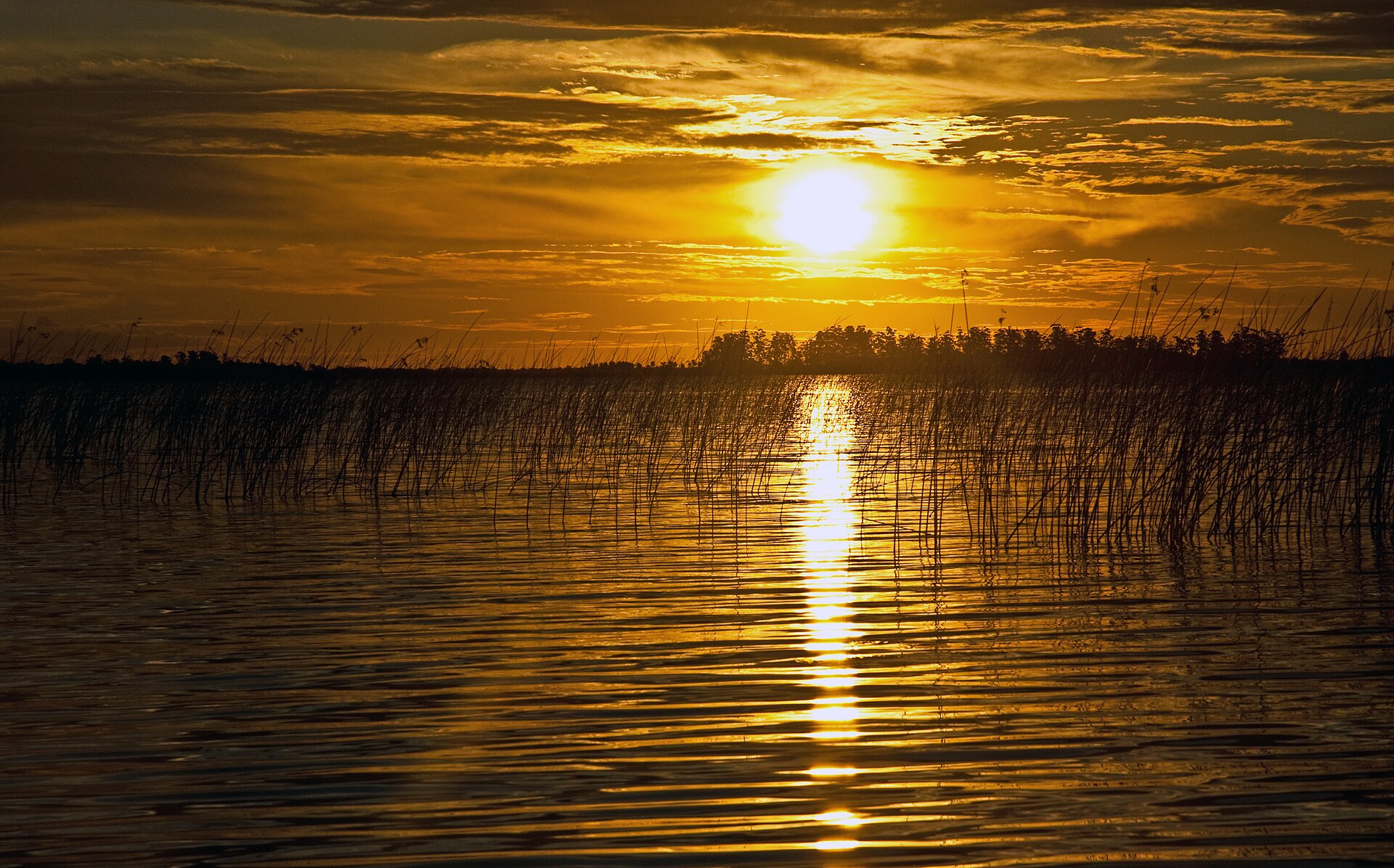
Iberá: capybaras, caimans, the main lagoon and sunset over the marshes
Suggested itineraries
Real routes built by locals — pick the one that fits your days.
2days
Iberá express
The fast version: one night in Pellegrini with launch safari + night walk. For travelers stopping over between Iguazú and Buenos Aires.
Highlights
Laguna Iberá launch
Night walk
Capybaras + caimans
Sunset on the dock
Day by dayHide day by day
Day 1
Arrival + sunset
Arrive Pellegrini at midday (4-5h transfer from Mercedes or PSS). Lodge check-in. Afternoon: launch safari 4-7pm on the main lagoon, sunset on the dock. Dinner at lodge.
Day 2
Night walk + departure
Pre-dawn walk 5-7am (caimans, wetland soundscape). Late breakfast. Midday: transfer back to PSS/CNQ. NOT recommended unless you're actively passing through — the round-trip transfer cost rarely justifies a single night.
3days
Iberá complete
The recommended length: two full nights in lodge with all classic experiences. The best of Iberá without rushing.
Highlights
Lagoon launch
Night walk
Estancia horseback
Dawn birding
Stargazing
Day by dayHide day by day
Day 1
Arrival + launch safari
Pellegrini midday. Lunch. Launch safari 4-7pm on the lagoon. Sunset + dinner.
Day 2
Horseback + night walk
Morning: horseback ride 9am-12pm through estancias and floodplains. Afternoon free / siesta. 6pm: guide-led wildlife briefing. Night: night walk 9-11pm.
Day 3
Dawn birding + departure
Pre-dawn birding 5:30am (jabiru, roseate spoonbill, southern screamer). Back at 9am for late breakfast. Midday transfer to airport.
4days
Iberá deep dive
For serious wildlife watchers and birders: three nights in Pellegrini plus a Yaguareté Corá portal day (jaguar rewilding) or secondary-portal exploration. Best April-October only.
Highlights
Pellegrini complete
Yaguareté Corá rewilding
Premium birding
Stargazing
Local estancia immersion
Day by dayHide day by day
Day 1
Arrival + launch
Lagoon launch + sunset.
Day 2
Horseback + night walk
Corrientes estancias by day, wetland soundscape by night.
Day 3
Dawn birding + Yaguareté Corá
Birding 5:30-9am. 1.5h drive to Yaguareté Corá. Guided visit to acclimation enclosures and rewilding interpretive center. Return 6pm.
Day 4
Free morning + departure
Flexible morning: extra horseback, repeat launch for missed species, photography. Midday transfer to airport.
Iberá portals and zones
Main portal
Colonia Carlos Pellegrini — Base village (~800 inhabitants), all main lodges, launch on Laguna Iberá.
Secondary portals
San Cosme y Damián — Southern access, fewer visitors, howler monkey viewing.
Concepción del Yaguareté Corá — The center of the jaguar rewilding program (Rewilding Argentina).
San Miguel — Eastern access, local Guaraní communities.
Iberá cooking is Guaraní + Corrientes-criollo. The Guaraní heritage runs deep here — Corrientes is the only Argentine province with Guaraní as a co-official language. Daily staples: chipá (cassava-and-cheese roll, pre-Columbian, breakfast and snack go-to), sopa paraguaya (despite the name, NOT a soup — it's a savory cornmeal-and-cheese cake, similar in role to cornbread in the US South), and mbeyú (crispy cassava-starch flatbread cooked in a skillet with melted cheese).
The other column is parrilla correntina (Corrientes-style barbecue): flank steak, ribs, offal grilled over quebracho hardwood embers — the wood imparts the signature flavor. Drink: tereré — cold mate with citrus juice (grapefruit or lemon), unique to Corrientes-Paraguay-southern Brazil. Locals drink it all day in summer. River fish at lodges: surubí (large catfish-relative) grilled, pacú baked, dorado from the Paraná. Dessert: dulce de mamón (papaya in cane-sugar syrup) and arrope de caña. Important: in Pellegrini, dinner is served at the lodge — every lodge has its own restaurant; outside the village there are no independent restaurants. Full-board lodge packages (USD 80-250/person/night) include breakfast + lunch + tea + dinner. The food is part of the immersion.
Signature dishes
Chipá
Cassava-flour-and-cheese roll, Guaraní heritage, eaten at breakfast and afternoon tea. Closest US analog: cheesy biscuit / pão de queijo (which is Brazilian and shares the same Guaraní root).
Sopa paraguaya
Savory cornmeal-and-cheese cake, despite the name not a soup. Substantial side dish, accompaniment to grilled meats.
Mbeyú
Crispy cassava-starch flatbread with melted cheese, cooked in a skillet. Tereré accompaniment.
Surubí grilled whole
Large Paraná catfish-relative, firm flesh. Grilled with lemon and salad. The fish of the wetland.
Tereré
Cold mate with grapefruit or lemon juice. Corrientes-Paraguay tradition. Drunk all summer long.
Dulce de mamón
Papaya cooked in cane-sugar syrup. Served with white country cheese. Traditional dessert.
Food experiences
Full-board lodge stay
Stay with breakfast, lunch, afternoon tea and dinner at Iberá lodges (Rincón del Socorro, Posada de la Laguna, Ñande Retá). Corrientes cooking with local produce, river fish, parrilla. Usually includes 2-3 guided activities/day.
At a Pellegrini estancia: chipá-making class (knead and bake), lunch with traditional Corrientes asado + tereré + sopa paraguaya. 3-4 hours with local family.
Boat fishing (dorado, surubí, pacú) for 4-5h with guide. Mandatory release of large catches. Smaller catch grilled at riverside hut. Connection to the river.
The Iberá Wetlands are the product of a unique geological event: the Paraná River abandoned this channel about 8,000 years ago, leaving behind a giant depression (125 mi / 200 km long by 60 mi / 100 km wide) which, with no drainage outlet, filled with rainfall and groundwater. The name "Iberá" comes from Guaraní i berá: "shining water." The wetland is rainfall-fed and receives no tributary rivers — every drop that exits (via the Río Corriente at the southern edge) is of pluvial origin. This hydrological singularity gives the system its remarkable biodiversity: 350+ bird species (more than all of central Europe), 85 mammals, 63 reptiles, 35 amphibians, 200 fish.
The protected area combines the Iberá National Park (created 2018, 482,000 acres / 195,094 ha) and the Iberá Provincial Park (created 1983, 1.37 million acres / 553,000 ha) — total: 1.85 million acres / 750,000+ ha of maximum-protection landscape. To put that in scale: Iberá protected lands are roughly the size of Delaware, or about 2.5x Yellowstone's core. Unlike Yellowstone, however, Iberá is largely untouched by visitors — Pellegrini receives roughly 30,000 tourists annually, compared to Yellowstone's 4+ million.
The rewilding program is what makes Iberá unique on a global scale. Started by Douglas Tompkins (founder of The North Face, in business with Yvon Chouinard of Patagonia) in the 1990s and continued by his widow Kris McDivitt Tompkins (former Patagonia CEO) after his death in 2015, Tompkins Conservation reintroduced locally extinct species:
Jaguar: 6+ individuals released since 2021 — the first wild jaguar population in Corrientes in 70+ years. Documented births in 2022 and 2023. Genetic diversity managed through breeding-pair selection from Brazil.
Giant anteater: 100+ individuals released since 2007, now a self-perpetuating population.
Red-and-green macaw: reintroduced in 2015 after a 100-year local absence. Critical given that Argentina has lost most of its parrot diversity.
Giant otter: released in 2021 — first time in Argentina in 40+ years. The species had been considered functionally extinct in the country.
Pampas deer, collared peccary, lowland tapir: all in various stages of reintroduction, with multi-decade horizons.
For US conservationists this is the closest contemporary parallel to Yellowstone's wolf reintroduction (1995): same trophic-cascade ambition, same multi-decade horizon, same private-public hybrid model. The difference is scale of land — Iberá protected area is several times larger than Yellowstone's core — and the breadth of species (Yellowstone primarily restored wolves; Iberá is reintroducing an entire predator-prey assemblage).
The socioeconomic transformation of Pellegrini is the human-side success story. The village was, in the 1990s, mostly poachers and illegal fishermen. Today its 800 inhabitants live almost entirely from ecotourism. The lodges (some private, some Rewilding Argentina-operated) directly employ ~40% of the local labor force. The former poachers are now naturalist guides — the most successful conservation-driven social transformation case in South America. For US visitors used to debates about whether conservation costs jobs: the Iberá example is data for the opposite case. The model has been studied at Yale F&ES and Stanford's Bill Lane Center.
Where to stay — Iberá lodges
Iberá is a destination of ecotourism lodges, not standard hotels. Premium: Rincón del Socorro (Tompkins Conservation, USD 250-450/person/night full-board), Posada de la Laguna (USD 180-280), Hostería Ñande Retá (USD 150-220). Mid-range: Hostería del Iberá (USD 120-180), Aguapé Lodge (USD 100-160). Pellegrini municipal campground USD 15-25/night. Booking 60-90 days ahead is essential in high season (April-October). Most lodge rates include breakfast + lunch + tea + dinner + 2-3 guided activities/day.
Posadas (PSS) — direct from Buenos Aires, 1h35, USD 80-120 one-way (Aerolíneas Argentinas). Then 5-hour road transfer (210 mi / 340 km) via RN 12 and RP 40 — the last 50 mi / 80 km are gravel.
Corrientes (CNQ) — direct from Buenos Aires, 1h30, USD 75-110 (Aerolíneas, Flybondi). Then 5-hour transfer (205 mi / 330 km) via Mercedes.
From the US: no direct connection. Miami → Buenos Aires (9h, AA) or Atlanta → BA, then 1h35 domestic to PSS, then 5h drive. Total: 18-22h from US East Coast.
From Europe: Madrid/London → Buenos Aires (~14h), then domestic + drive. Total: 22-26h.
Private transfer from airport to Pellegrini: USD 100-180 one-way (private vehicle, recommended). Shared shuttle: USD 30-50 (some lodges arrange this). Coordinate with your lodge before arrival — they handle most of the logistics.
By long-distance bus
Buenos Aires (Retiro) → Mercedes (Corrientes): 12-14 hours, USD 50-70. Andesmar, Crucero del Norte. From Mercedes to Pellegrini: 3 hours on local minibus (USD 15-25). Total ~16 hours each way. Only worth it for budget-strict, time-rich travelers.
By car
Buenos Aires → Pellegrini: 685 mi / 1,100 km, ~12 hours with stops. Via RN 12 to Mercedes, then RP 40 (last 50 mi / 80 km are gravel). Standard rental cars manage in dry season; 4WD recommended in rainy season (Oct-Mar). Posadas → Pellegrini: 210 mi / 340 km, 5h. Iguazú → Pellegrini: 425 mi / 680 km, 10h (combinable with Iguazú visit).
Recommended combinations
Iberá + Iguazú: the classic NEA Argentina combo. 3 days Iberá + 2 days Iguazú = 5 days total. Fly BA-PSS-IGR-BA, or BA-IGR-BA with overland ground transfer between.
Iberá + Brazilian Pantanal: for serious wildlife photographers. Cross to Bonito (Brazil) via Posadas-Encarnación-Asunción-Bonito (complex logistics). Minimum 10 days. Most travelers pick one or the other.
Getting there — distances & times
From
Distance
Flight
Bus
Drive
Buenos Aires (EZE)
1100 km
—
14 h
12 h
Mercedes (Corrientes)
120 km
—
3 h
2 h 30
Corrientes (CNQ)
330 km
1 h 30 to CNQ
6 h
5 h
Posadas (PSS)
340 km
1 h 35 to PSS
6 h
5 h
Iguazú
680 km
—
12 h
10 h
Frequently asked questions
The questions travelers ask us before they go.
Where can I see capybaras in Argentina?
Iberá Wetlands, hands-down. Capybaras (the world's largest rodent — yes, the meme animal, up to 145 lbs / 65 kg) live throughout the wetland in herds of 30-50. Every launch ride or horseback excursion will produce dozens of sightings, often at very close range (these are the famously unbothered capybaras of internet fame). Best viewing: mid-afternoon and sunset. Capybaras are also occasional in Esteros del Pantanal (Brazil) and parts of Misiones, but Iberá has the densest, most accessible populations in the country. For US visitors: the closest parallel in scale is the Florida Everglades for alligators — but Iberá capybaras are visible at much closer range.
Is Iberá worth visiting?
Yes — for wildlife travelers, conservation enthusiasts, and birders, Iberá is one of the most rewarding destinations in South America. Strengths: world's 2nd-largest wetland, the largest active rewilding program in the Americas (Tompkins Conservation), 360+ bird species, capybaras at close range, jaguar reintroduction, zero light pollution for stargazing, off-the-grid digital detox, deep cultural heritage (Guaraní). Best fit: travelers comfortable with a 4-5h ground transfer beyond a domestic flight, willing to commit 3+ days, valuing wildlife immersion over urban tourism. Skip if: you're short on time, you need constant cell signal, or you don't enjoy slow contemplative travel.
Iberá vs Pantanal Brazil — which one?
Different experiences, complementary. Pantanal (Brazil) is roughly 15x larger (60,000-75,000 sq mi vs Iberá's 5,000), more famous, has better jaguar viewing odds (Pantanal is the world's #1 wild-jaguar destination), and more international tourism infrastructure. Iberá is smaller but more concentrated — wildlife is more visible because it's less spread out. Iberá has zero risk of the seasonal wildfires that hit Pantanal in 2020 and 2024. Iberá is roughly half the cost of Pantanal lodges. For wild jaguar sightings: Pantanal. For everything-else wildlife (capybaras, marsh deer, birds), social transformation story, and rewilding science: Iberá. Hardcore wildlife travelers do both — minimum 12-14 days combined.
Best time to visit Iberá wetlands?
April-May (fall, mild temperatures, active wildlife, mosquitoes drop) or September-October (spring, migratory birds returning). For wildlife photography: July-August (winter dry season) is the underrated best window — clear skies, animals visible sunning themselves, zero mosquitoes, cool nights. Avoid December-February: extreme heat (heat index 100°F+ / 38°C+), industrial-grade mosquitoes, daily storms. Book lodges 60-90 days ahead for high season.
Can I see jaguars in Iberá?
Wild jaguar sightings in Iberá are rare — the program has reintroduced 6+ individuals across 1.85 million acres, and they're mostly nocturnal and elusive. Standard tours do NOT guarantee sightings. For the best chance: visit the Yaguareté Corá portal, where Rewilding Argentina staff manage the program — you can see jaguars in pre-release acclimation enclosures and learn the science up close. Other felines (puma, jaguarundi) are easier. Iberá's real attraction is the abundance of capybaras, caimans, marsh deer, and birds — not the jaguar. For jaguar viewing odds, go to Brazil's Pantanal (Porto Jofre, Pousada Piuval).
Is Iberá expensive?
More expensive than the Argentine average. A full-board lodge with included activities runs USD 80-250/person/night depending on category. Camping at the municipal site (USD 15-25/night) plus standalone activities (USD 30-80 each) is possible but you lose the immersive experience. Main cost driver: logistics (private transfer USD 100-180 each way). Total 3-day mid-range lodge: USD 600-900 all-inclusive per person. Backpacker camping version: USD 250-400. Premium (Rincón del Socorro): USD 1,200-1,800. Internationally compared: cheaper than Brazil's Pantanal, similar to Costa Rica's Tortuguero or Botswana's Okavango Delta on a price-per-night basis.
Do I need a guide?
Yes — for most excursions (launch safari, night walk, horseback, park trails) a guide is mandatory. These are protected areas with regulated visitor activity. Lodges include guides in their packages at no extra cost. For a self-guided walk in the village of Pellegrini and short Visitor Center trails: no guide needed. For secondary portals (San Cosme y Damián, Yaguareté Corá): always with guide. Most lodge guides speak English at intermediate level; book a dedicated English birding guide if you're a serious birder (request 2-4 weeks ahead).
Is there cell signal in Pellegrini?
Limited. The village has Movistar and Personal coverage in central zones (intermittent). Lodges outside the village (Rincón del Socorro, Hostería del Iberá) have WiFi but no cell signal. Some lodges have Starlink (stable). Treat it as digital detox — it's part of the experience. If you must stay reachable: check signal status with your specific lodge before booking, or buy a local Movistar SIM in Posadas/Corrientes that works in some Pellegrini areas.
What should I pack?
Essential: DEET-based repellent (40%+ — cheap repellents do not work here), light-colored long-sleeve clothing (mosquitoes prefer dark), sun hat, SPF 50+ sunscreen, polarized sunglasses (water glare is intense), 8x42 or 10x42 binoculars, closed hiking shoes, swimwear (some lodges have pools). Helpful: red-filter headlamp (night walks), camera with 200mm+ telephoto for wildlife, spare batteries. NOT needed: rubber boots (lodges provide them for excursions that require them).
Is Iberá safe?
Yes — extremely safe. Pellegrini is a small town (~800 inhabitants), everyone knows each other, criminality is essentially zero. Lodges are private supervised areas. Real risks: mosquitoes (dengue/chikungunya transmission possible in summer — DEET mandatory), intense sun (dehydration), pit vipers (yarará in grasslands — wear closed footwear on walks), caimans (don't approach, they're territorial). Capybaras and reintroduced jaguars pose no normal-condition threat to humans. Travel insurance is wise, but more for the Argentine medical evacuation logistics (the closest hospital is in Mercedes, 3h away) than for personal-safety concerns.
Sources & methodology
Last updated:
How we built this guide
This guide is updated quarterly (last: April 2026). Wildlife information verified against Rewilding Argentina, Iberá National Park (official), and eBird for bird counts. Prices verified against Civitatis, GetYourGuide, and direct consultation with 4 main lodges. Distances and times from Google Maps. Selection curated from real visitor reviews and consultation with Pellegrini-based guides. Local knowledge: Sebastián, the site author, has visited Iberá twice (2023 and 2025) and maintains direct contact with regional guides.