Argentina's least-visited NOA province — Andean puna, lithium frontier, and the national capital of the poncho
Last updated: April 2026
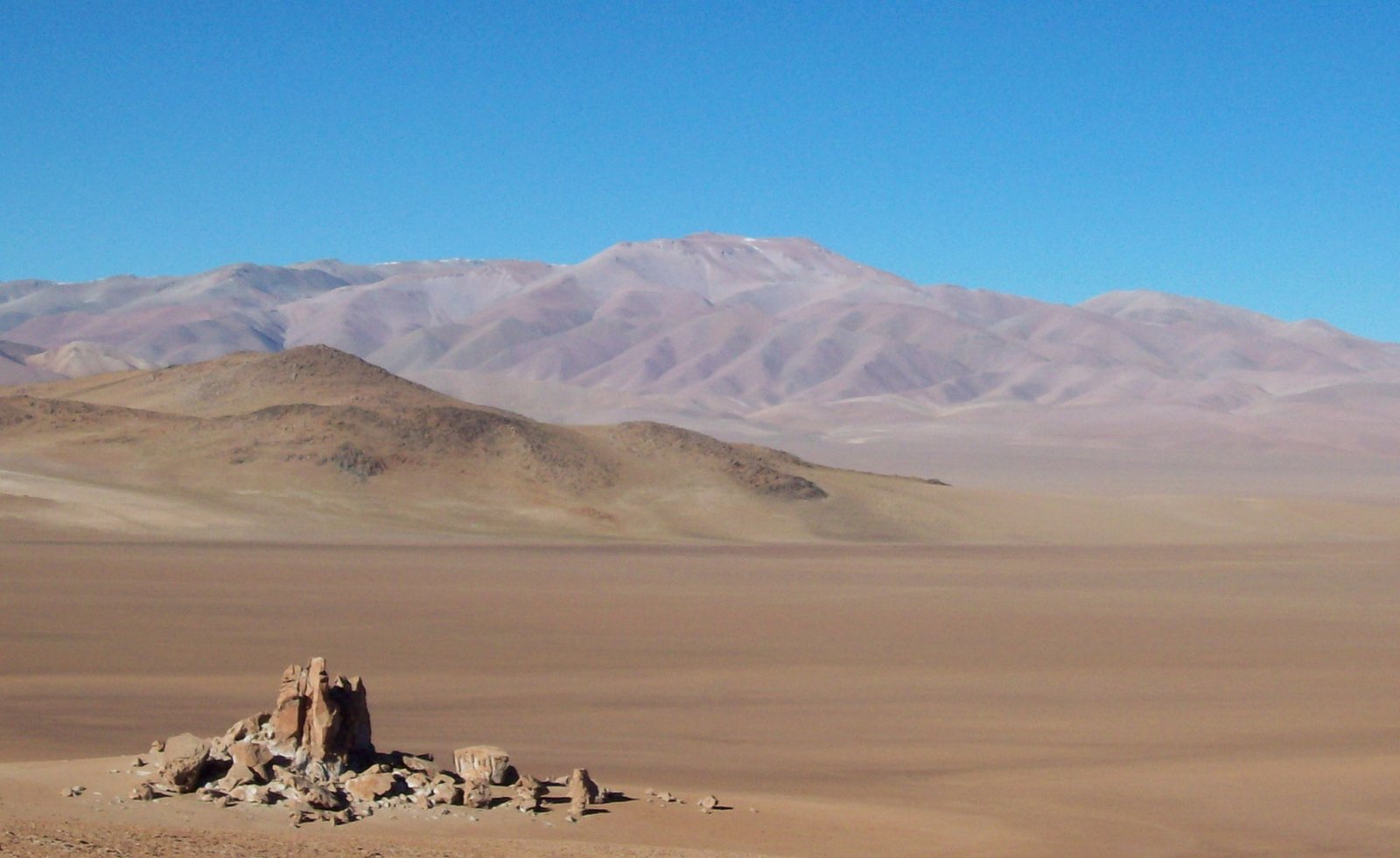
Catamarca is Argentina's least-visited province by international travelers — and that's the point. This is the deep NOA (Noroeste Argentino), a high-desert and high-Andean province where you can drive for hours through landscapes that would be national parks anywhere else. The headline geography: Antofagasta de la Sierra (Andean village at 10,800 ft / 3,300 m, comparable to Leadville Colorado, the highest US incorporated city), the Salar del Hombre Muerto (one of the world's largest lithium-extraction salt flats, the Tesla-Panasonic-Volkswagen supply chain story made geographic), the Volcán Galán caldera (35 km / 22 mi diameter — comparable to California's Long Valley Caldera at 32 km, just rougher and unstudied by general tourism), and the Famatina-adjacent Fiambalá valley with hot springs at 1,500 m and high-altitude vineyards growing Tannat and Malbec at 5,500 ft / 1,700 m.
The other identity layer is human: Belén is the national capital of the Argentine poncho — pre-Columbian weaving technique still practiced today (vicuña fiber ponchos take 6-9 months on a hand loom and sell for USD 800-2,500), the Ruta del Adobe in Tinogasta (six 18th-19th century mud-brick churches, the closest South American parallel to the adobe missions of New Mexico and southern Colorado — Mesa Verde and Chaco Canyon comparison stand here for the pre-Columbian dimension via El Shincal, the southern Inca outpost), and the Catedral Basílica de la Virgen del Valle in the capital — a Marian shrine that draws 100,000+ pilgrims annually, comparable in popular devotion intensity to Mexico's Our Lady of Guadalupe (familiar to Mexican-American travelers and the broader Hispanic Catholic culture in the Southwest US). For US visitors increasingly aware of the "Lithium Triangle" (Argentina-Chile-Bolivia, where roughly 60% of world lithium reserves sit), Catamarca is the Argentine corner — the supply-chain story behind your Tesla, your iPhone, your home solar battery. 3 days: capital + Cuesta del Portezuelo + Fiambalá. 5 days: add Belén + Tinogasta. 7 days: include Antofagasta de la Sierra (with mandatory altitude acclimatization) and optionally the Hombre Muerto salt flat (4WD only).
Top attractions in Catamarca
Real traveler data: Civitatis, GetYourGuide, verified reviews — May 2026.
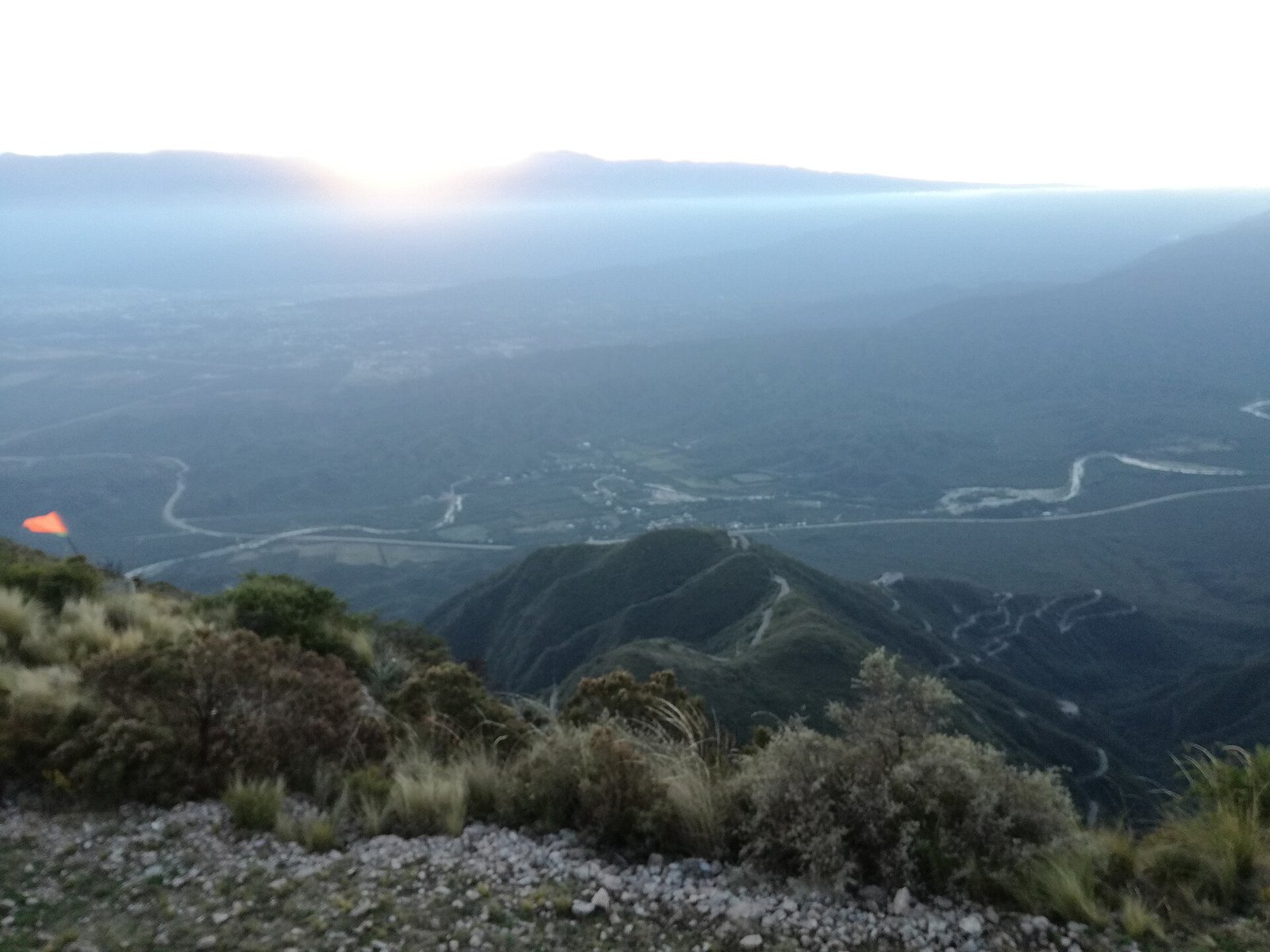
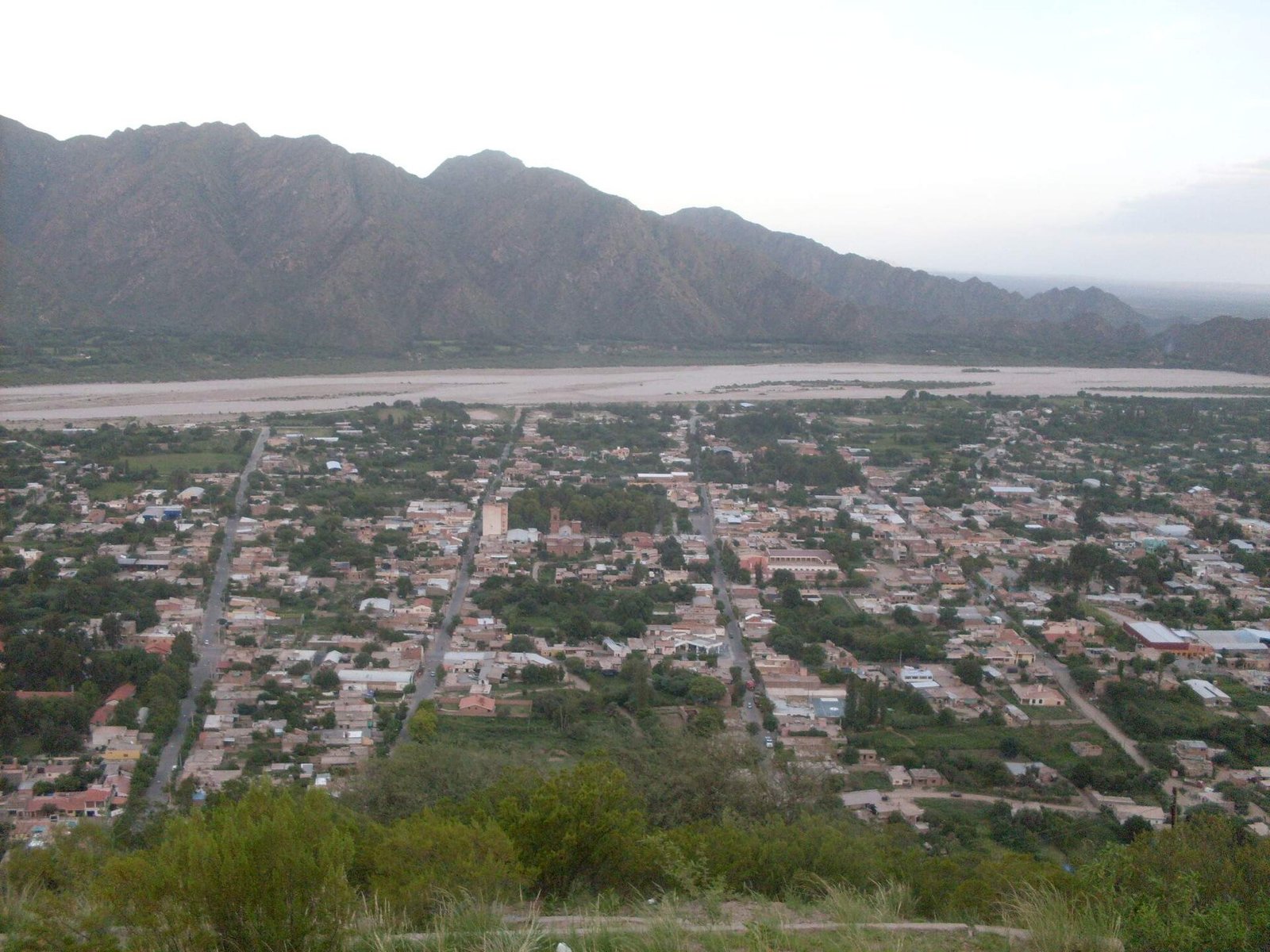
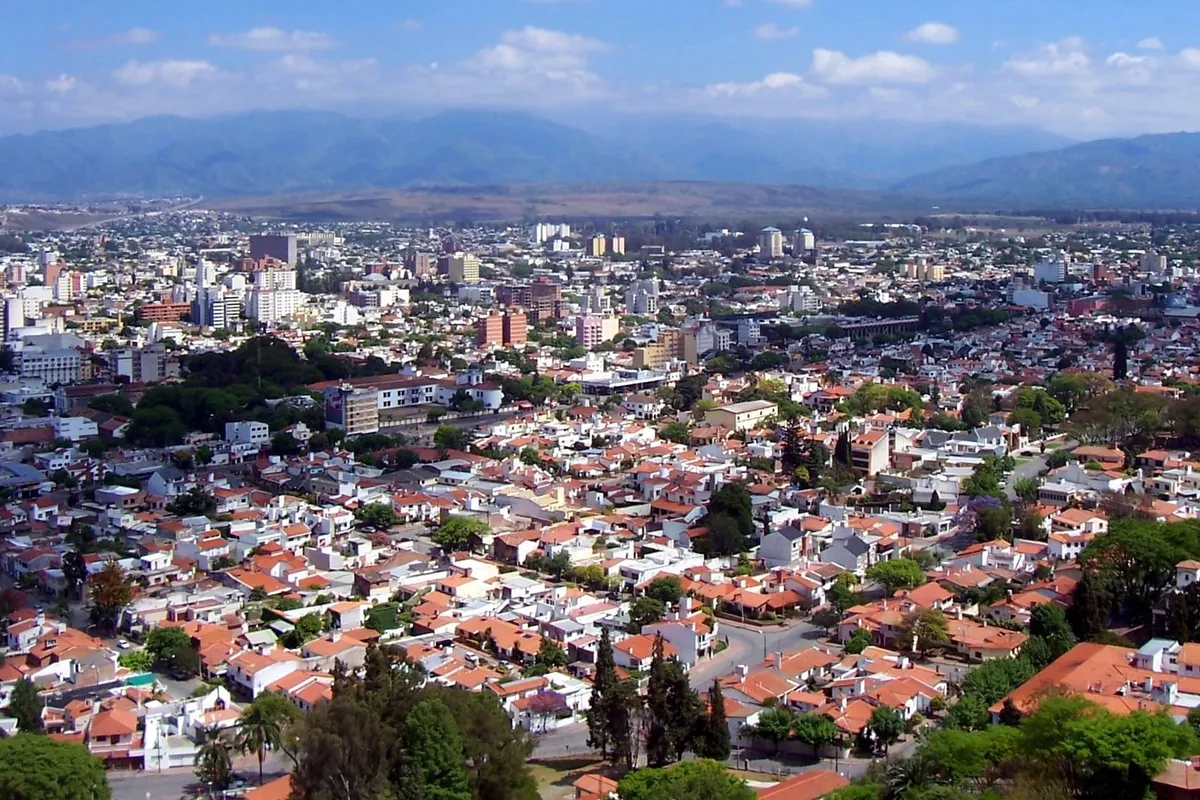
Mountain pass lookout over the Valle Central de Catamarca, at 5,510 ft / 1,680 m. Switchback section of Route 38, 4-mile / 7-km scenic drive. <strong>180° valley view</strong> with the capital at the bottom and the Sierra de Ambato. Best light: sunset. 30 min drive from the capital. <strong>FREE</strong>, open 24/7. The closest US analog is the Apache Trail in Arizona for the curve drama and high-desert backdrop.
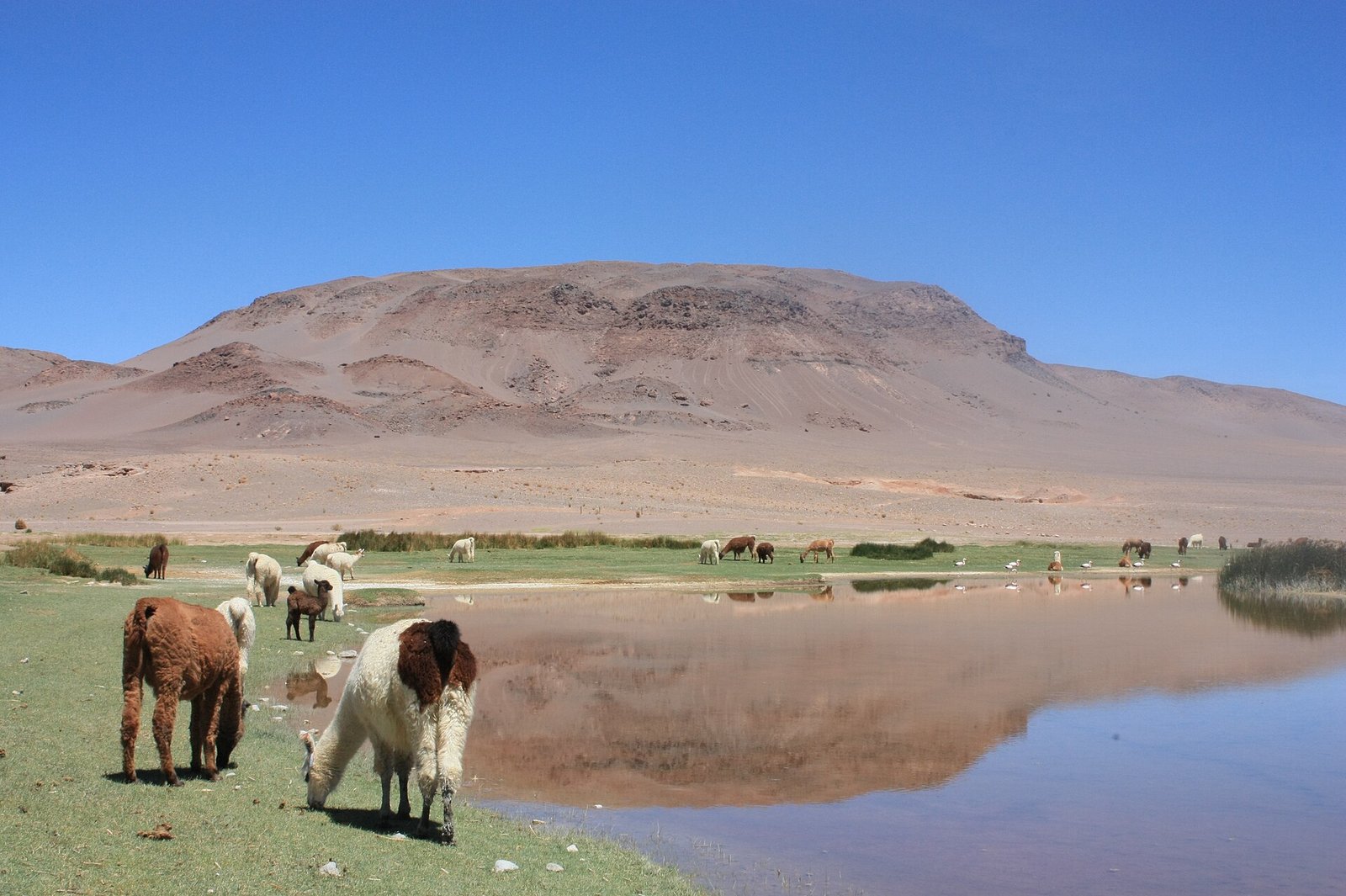
Andean village at 11,320 ft / 3,450 m, 342 mi / 550 km northwest of the capital. Access 7-8h drive (paved + last 60 mi gravel). Highlights: <strong>Salar de Antofalla</strong>, flamingo lagoons, vicuñas, pre-Columbian ruins, and some of the clearest skies on Earth for astrotourism. Guided 4WD tour from Belén or Fiambalá USD 250-380 (3-4 days). <strong>Acclimatization mandatory</strong>. For altitude scale: this is comparable to Leadville, Colorado (10,150 ft) — slightly higher, much remoter, and integrated into a working Andean community rather than a ski-tourism town.
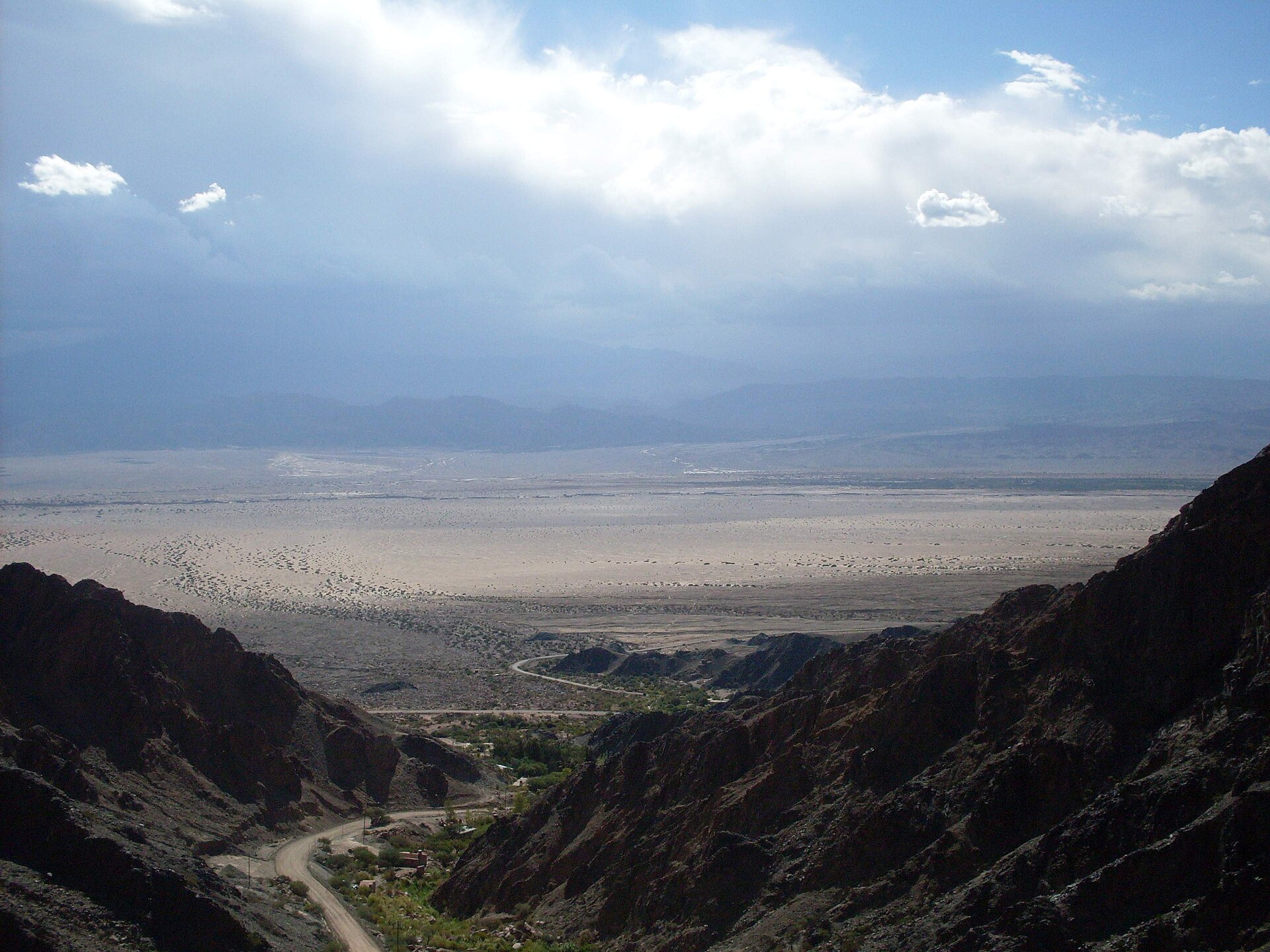
199 mi / 320 km northwest of the capital, at 4,950 ft / 1,510 m. <strong>Termas de Fiambalá</strong>: 14 stepped natural pools in a quebrada (100-122°F / 38-50°C), spa, thermal lodging. <strong>Fiambalá wineries</strong>: extreme terroir where Malbec, Tannat and Torrontés ripen at 5,580 ft / 1,700 m on sandy soils. Bodega Don Diego, Aimé, and Saleta. Day trip USD 75 + extras. The "Death Valley meets Napa" hook is unironic — the Fiambalá basin gets 100°F+ summer days yet produces structured Tannat. Best base for Antofagasta and the Salar del Hombre Muerto.
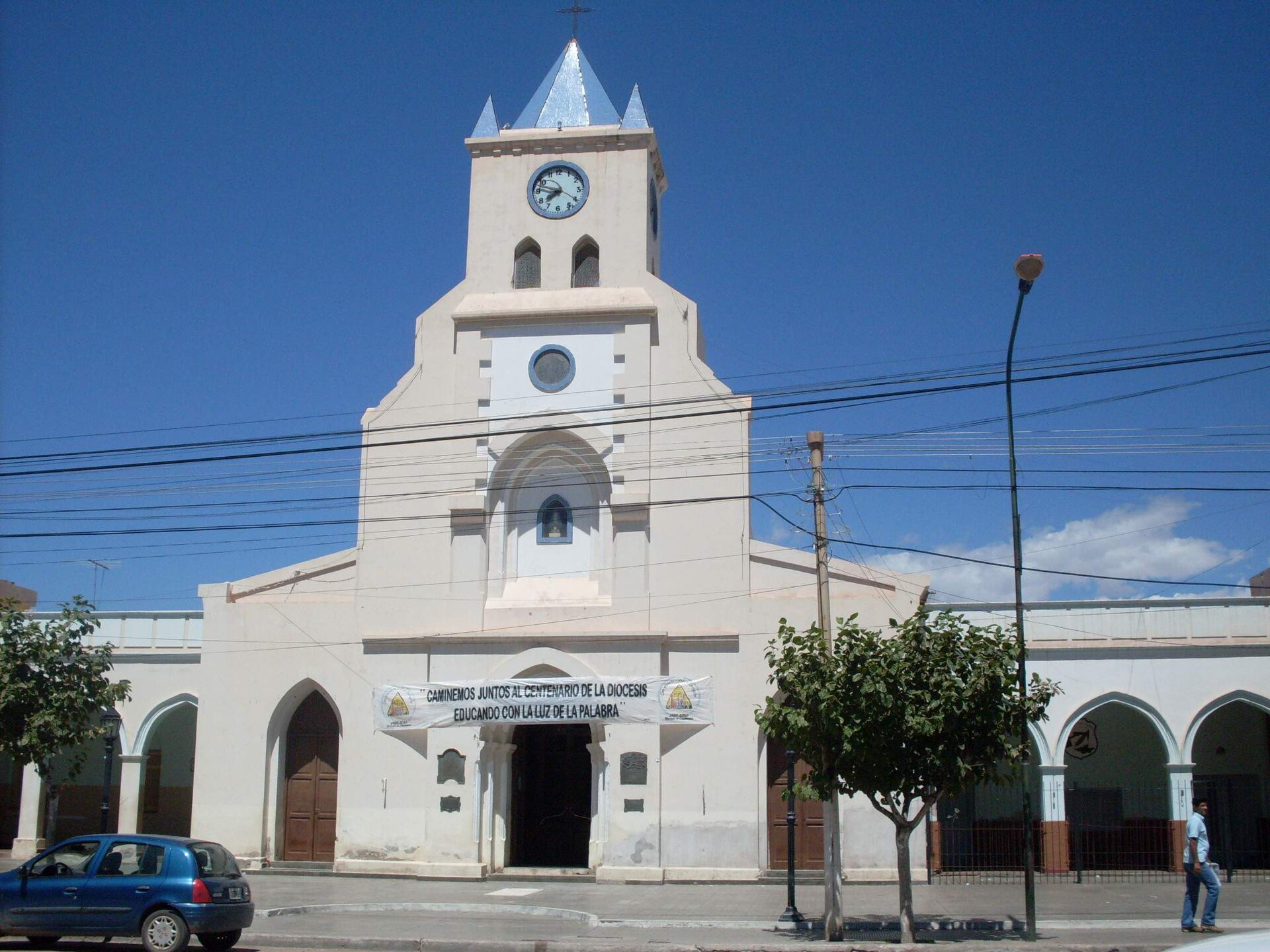
Town of 12,000 inhabitants at 4,100 ft / 1,250 m, 174 mi / 280 km west of the capital. <strong>National capital of the poncho</strong>: artisan looms working with vicuña, llama, and sheep fiber using pre-Columbian techniques (Belén culture, 10th-15th centuries). Buy a poncho directly from the loom for USD 80-400 depending on fiber (vicuña is the world's finest natural fiber, 12 microns, comparable in role to alpaca but rarer). <strong>National Poncho Festival</strong> in July. Iglesia Nuestra Señora de Belén. Combinable with Tinogasta + Fiambalá on a 3-pueblos circuit.
Town at 3,940 ft / 1,200 m, 155 mi / 250 km west of the capital. <strong>Ruta del Adobe</strong>: six 16th-18th century mud-brick churches and chapels listed as national heritage. For US visitors familiar with the New Mexico mission churches (Las Trampas, Chimayó, Acoma): the Catamarca adobe route is the closest South American parallel — same building tradition (sun-dried mud brick, hand-plastered exteriors), same colonial Spanish-Catholic identity, and similar level of preservation. <strong>Wineries</strong> less famous than Fiambalá but high quality. Scenic drive on Route 60, excellent paved surface.
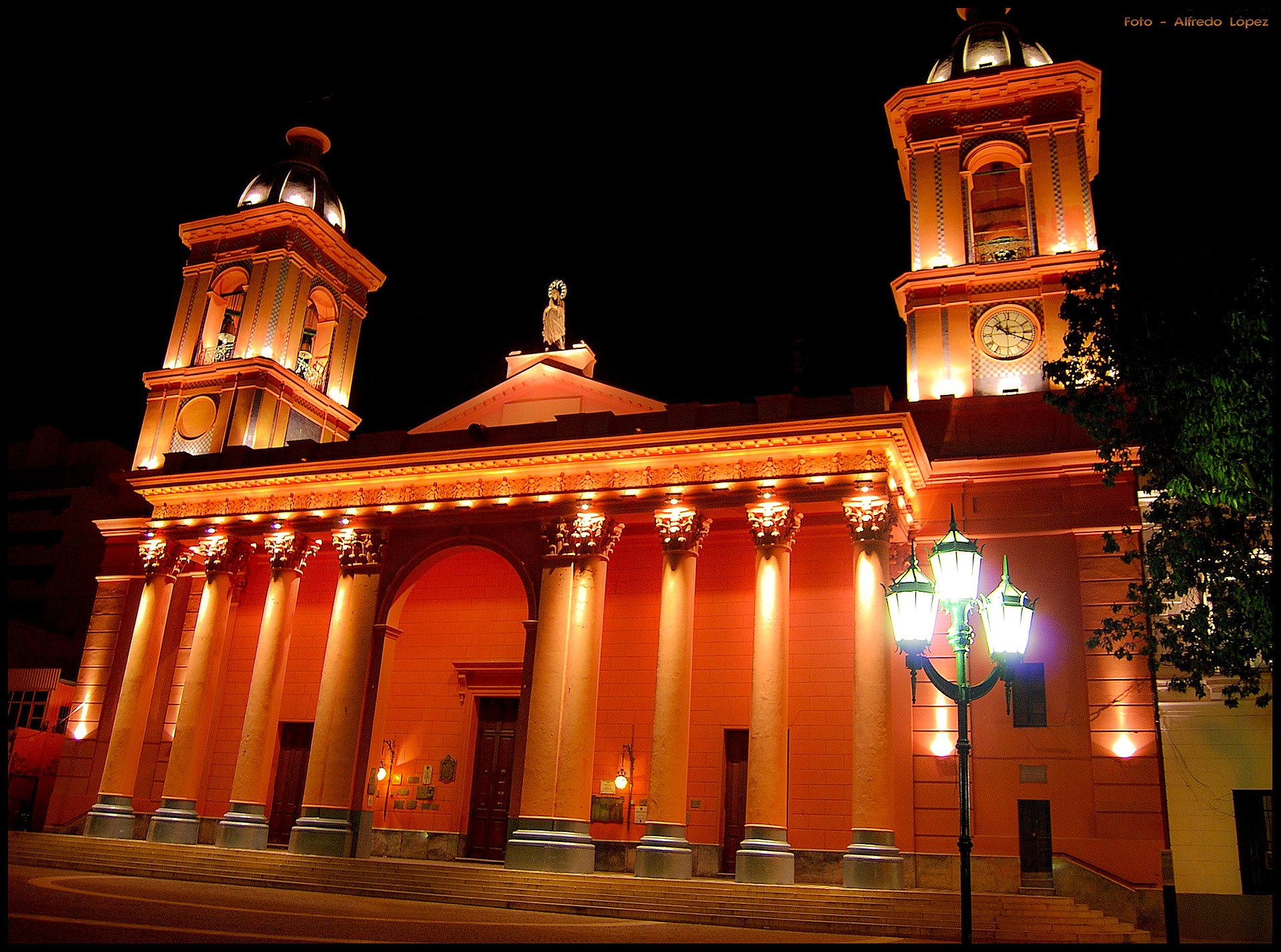
Cathedral Basilica in San Fernando del Valle de Catamarca (capital). <strong>Argentina's most-visited Marian shrine after Luján</strong>. Image of the Virgin (a 38-cm polychrome carving) found in 1620 by indigenous people in a grotto. Mass pilgrimages: <strong>April</strong> (Easter) and <strong>December 8</strong> (Immaculate Conception). For US visitors: comparable in popular devotion intensity to Our Lady of Guadalupe at Tepeyac, Mexico City — same fusion of pre-Columbian spirituality and Catholic veneration, same scale of pilgrim flow. 30 min visit, free. Cornerstone of the historic center.
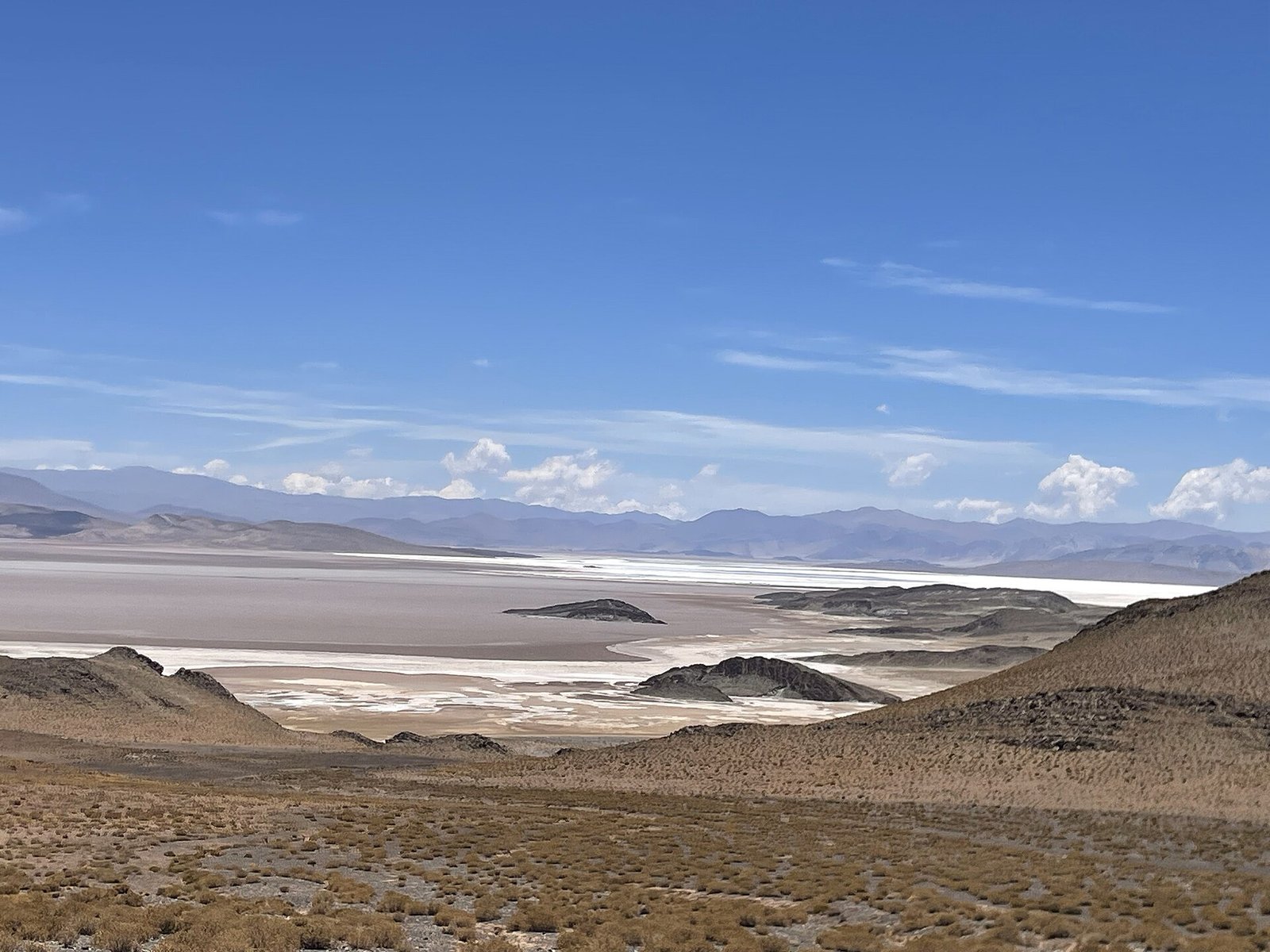
Salt flat at 13,120 ft / 4,000 m altitude on the Catamarca-Salta border. <strong>One of the largest lithium reserves on Earth</strong> (active extraction by Livent and partners — the supply chain behind your Tesla, your iPhone, and your home solar battery). The "Lithium Triangle" (Argentina-Chile-Bolivia) holds roughly 60% of global lithium reserves. Surreal high-altitude landscape: white salt flat with hexagonal polygons, view to Volcán Galán and Antofalla, vicuñas. 4WD with guide from Antofagasta de la Sierra (124 mi / 200 km, 6h round trip). Experienced high-altitude travelers only.
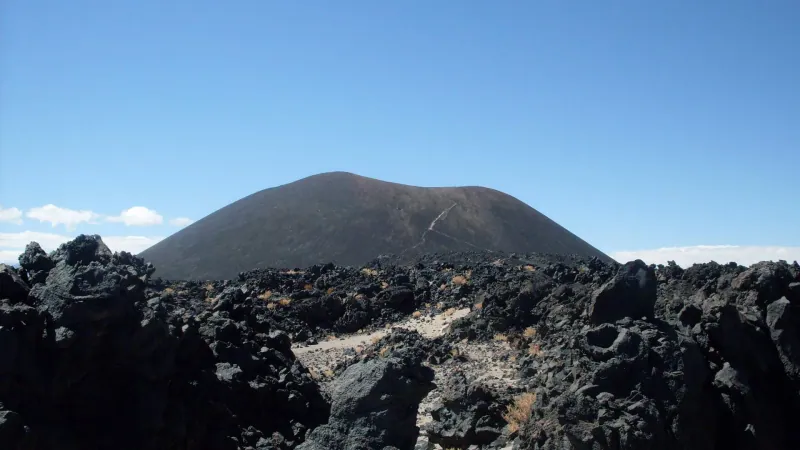
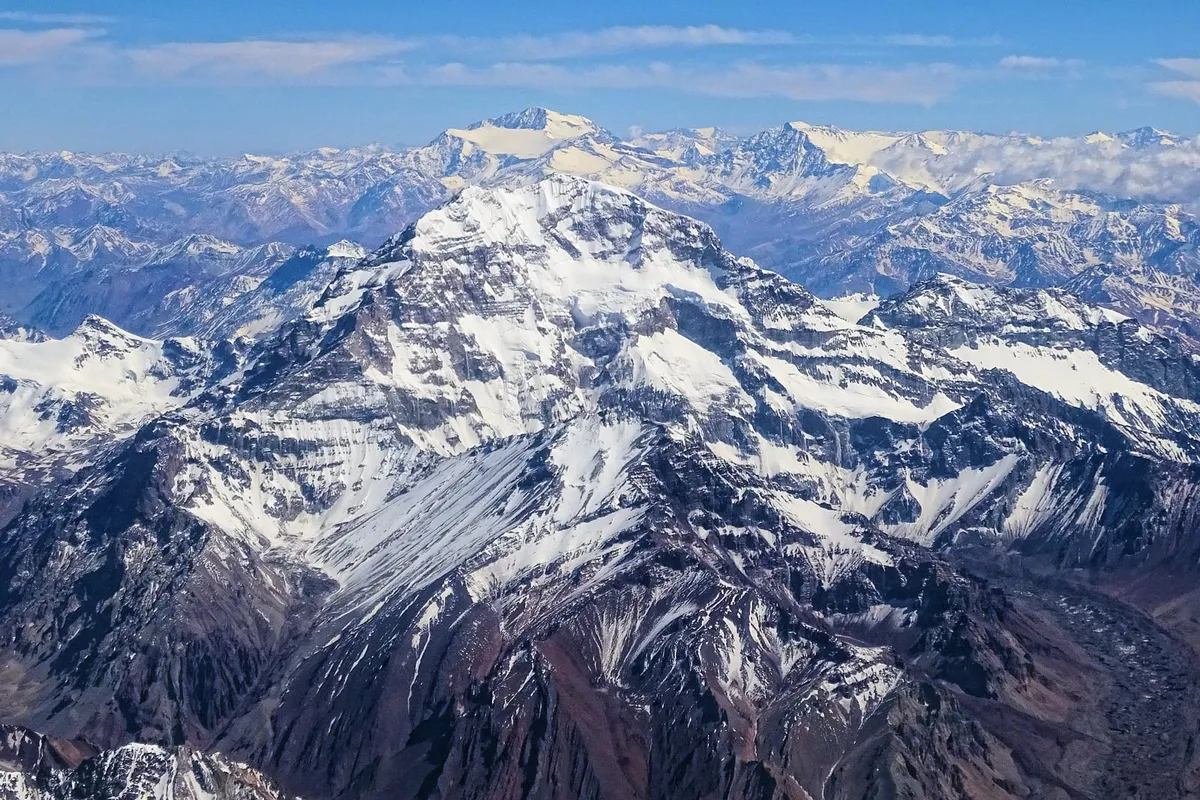
One of the <strong>largest volcanic calderas on Earth</strong> (35 km / 22 mi diameter, peak at 19,400 ft / 5,912 m). For geological scale: comparable to <em>California's Long Valley Caldera (32 km)</em> — slightly larger, much higher, and basically unvisited by general tourism. Active geysers and fumaroles, high-altitude lagoons, vicuñas. Specialized 4WD expedition + experienced guide from Antofagasta de la Sierra (112 mi / 180 km, 8h). Complex logistics, requires altitude experience. For serious photographers and adventurers willing to commit to a multi-day puna trip.
Catamarca has a continental dry climate with significant daily temperature swings. Hot summer in valleys and capital (Dec-Mar, 68-95°F / 20-35°C, brief afternoon thunderstorms). Mild fall and spring (Apr-May and Sep-Nov, 54-82°F / 12-28°C — ideal). Dry sunny winter in valleys (Jun-Aug, 41-72°F / 5-22°C); on the Catamarca puna (Antofagasta, Hombre Muerto), nights drop below freezing year-round.
Altitude rules: capital at 1,800 ft / 545 m, Belén at 4,100 ft / 1,250 m, Tinogasta at 3,940 ft / 1,200 m, Fiambalá at 4,950 ft / 1,510 m, Antofagasta de la Sierra at 11,320 ft / 3,450 m, Salar Hombre Muerto at 13,120 ft / 4,000 m. For the puna: acclimatization mandatory — minimum 24h at intermediate altitude (Belén or Fiambalá), avoid alcohol day one, hydrate aggressively. For Poncho Festival in July: book hotels 60+ days ahead.
Catamarca: Cuesta del Portezuelo, Andean puna, Fiambalá and Belén
Suggested itineraries
Real routes built by locals — pick the one that fits your days.
3days
Catamarca essentials
Capital + Cuesta del Portezuelo + Fiambalá. The minimum for first-time visitors.
Highlights
Basílica Virgen del Valle
Cuesta del Portezuelo
Fiambalá hot springs
High-altitude wines
Day by dayHide day by day
Day 1
Arrival + capital
Flight BUE-CTC. Historic center, Basílica Virgen del Valle, Plaza 25 de Mayo. Sunset at Cuesta del Portezuelo. Dinner of cabrito (kid goat) at a local parrilla.
Day 2
Fiambalá hot springs + wines
Drive 199 mi / 320 km northwest on Routes 38 + 60. Termas de Fiambalá in the morning (4h in pools). Lunch in town. Afternoon: Fiambalá winery with Tannat tasting. Overnight in thermal lodging.
Day 3
Return + flight
Morning at the winery or extra hot springs. Drive back. Evening flight or overnight in capital.
5days
Catamarca + Belén + Tinogasta
Adds Belén (poncho) and Tinogasta (Ruta del Adobe). Recommended length for the craft and colonial heritage.
Highlights
Capital
Cuesta Portezuelo
Belén poncho
Tinogasta adobe
Fiambalá hot springs
Day by dayHide day by day
Day 1
Capital + Cuesta
Historic center + sunset Portezuelo.
Day 2
Belén — capital of the poncho
Drive 174 mi / 280 km. Artisan looms, poncho purchase, Cóndor Huasi museum.
Day 3
Tinogasta — Ruta del Adobe
Drive 43 mi / 70 km south of Belén. Six 16th-18th century churches.
Day 4
Fiambalá hot springs + wineries
Drive 31 mi / 50 km northwest of Tinogasta. Hot springs + high-altitude winery.
Day 5
Return + flight
Drive 199 mi back to capital. Evening flight.
7days
Catamarca complete + Antofagasta de la Sierra
The extreme version: Catamarca puna + Antofagasta + Salar del Hombre Muerto. Acclimatization mandatory. For experienced high-altitude travelers only.
Highlights
Capital
Belén + Tinogasta + Fiambalá
Antofagasta de la Sierra
Salar Hombre Muerto
Puna skies
Day by dayHide day by day
Day 1
Capital
Arrival + Basílica + Cuesta Portezuelo.
Day 2
Belén
Looms, museum, Iglesia Nuestra Señora.
Day 3
Tinogasta
Ruta del Adobe + wineries.
Day 4
Fiambalá
Hot springs + high-altitude wineries. Acclimatization at 1,510 m.
Day 5
Antofagasta de la Sierra
Drive 4-5h north on Route 43 (paved + gravel). Overnight at 11,320 ft. Salar Antofalla, flamingo lagoons.
Day 6
Salar del Hombre Muerto
4WD with guide, day trip 6h. Only if you acclimatized properly.
Catamarca cooking centers on cabrito (kid goat) + locro + high-altitude wines. Cabrito al asador is the central dish (Tinogasta and Belén specialties), 4-5 hour slow cooking over wood embers. Locro catamarqueño features lima beans, tripe, beef, and squash — a lighter version than the Riojano. Empanadas catamarqueñas are oven-baked, thin pastry, minced beef with green onion and cumin — distinct from Salta-style.
Fiambalá wines: extreme terroir at 4,920-5,580 ft / 1,500-1,700 m where Malbec ripens under unique conditions (hot days, cold nights, sandy soils). Bodegas Don Diego, Aimé, Saleta. High-altitude Tannat is the local surprise — the Uruguayan grape produces structured wines at Fiambalá that wine geeks should track (think the inverse of Mendoza Malbec dominance — Tannat-from-altitude as a niche signature). For dessert: dulce de cayote (a small pumpkin candied in cane-sugar syrup), turrones de las clarisas (cloistered-nun nougat), goat cheese. To drink: vino patero (foot-pressed peasant wine) in Tinogasta and Belén — closer in spirit to Georgian qvevri wines than to industrial winery output.
Signature dishes
Cabrito al asador
Tinogasta/Belén specialty. 4-5h slow-roasted on a wood-ember cross with coarse salt. Pairs with high-altitude Malbec.
Locro catamarqueño
Stew with lima beans, tripe, beef, and squash. Lighter than the Riojano version.
Empanadas catamarqueñas
Thin pastry, minced beef with green onion and cumin, oven-baked. Distinct from Salta-style.
Tannat de Fiambalá
High-altitude red (5,580 ft / 1,700 m). Uruguayan grape with unique expression on Catamarca's sandy soils.
High-altitude Malbec
Bodegas Don Diego, Aimé, Saleta. Different from Mendoza style: more austere, firmer tannins.
Dulce de cayote
Small pumpkin candied in cane-sugar syrup. Traditional dessert paired with goat cheese.
Food experiences
Fiambalá high-altitude wine tour
Visit 2 high-altitude wineries (Don Diego, Aimé). Tasting flight of Tannat + Malbec + Torrontés. Lunch in Fiambalá. 5 hours from capital or overnight.
Diaguitas, the Belén poncho, and the Virgen del Valle
Catamarca holds one of the densest indigenous heritages in Argentina. Before the Spanish conquest, the Diaguita-Calchaquí peoples lived in the valleys, the Atacameños on the puna, and the Belén culture (10th-15th centuries) in the west. The province is rich in archaeological sites: pucará fortresses, funerary urns, rock art. The Belén culture left ceramic work of exceptional technical quality, displayed at the Museo Cóndor Huasi (Belén town). For US visitors familiar with the pueblos and pre-Columbian cultures of the American Southwest: the Catamarca-Diaguita parallel runs from El Shincal de Quimivil (a southern Inca outpost on the western edge of the empire, comparable in role to Mesa Verde's Ancestral Puebloan center or to the Chaco Canyon great-house complex in their respective civilizations) all the way to the contemporary weaving traditions still alive in Belén.
The Catamarca poncho is Argentine Cultural Heritage. The artisan looms in Belén use vicuña fiber (the world's finest natural fiber at 12 microns — finer than cashmere, finer than the best merino wool, valued at USD 600+/kg of raw fiber), llama, and sheep, with pre-Columbian techniques transmitted matrilineally since the 15th century. A vicuña poncho from Belén can take 6-9 months on a hand loom and cost USD 800-2,500 in domestic markets, more abroad. The National Poncho Festival (15 days in July, provincial capital) brings together Diaguita-Calchaquí artisans from the entire region — comparable in cultural weight to the Santa Fe Indian Market for the US Southwest, but focused specifically on textile arts rather than the broader Native art spectrum.
The Virgen del Valle is the religious marker. The image (a 38-cm polychrome carving) was found in 1620 by indigenous people in a grotto of the Valle Central — a foundational legend that pairs structurally with Mexico's Virgin of Guadalupe at Tepeyac (1531) in its fusion of pre-Columbian sacred geography and Catholic devotion. Crowned in 1891, declared patroness of the NOA. Mass pilgrimages in April (Easter) and December 8 bring 100,000+ devotees to the capital. It's the most-visited Marian shrine in Argentina after Luján (Buenos Aires). For US Latino travelers: this is the Argentine equivalent of the Guadalupe pilgrimage culture — same intensity, same syncretism, same demographic depth.
The contemporary economy of Catamarca is increasingly tied to lithium. The Salar del Hombre Muerto holds one of the world's largest reserves; Livent (now part of Arcadium Lithium) and other operators extract for the EV battery and consumer electronics supply chain — Tesla, Ford's F-150 Lightning, your iPhone, your home solar battery. The "Lithium Triangle" (Argentina-Chile-Bolivia) holds roughly 60% of global identified lithium resources; Argentina is the regional leader in foreign investment access (vs Bolivia's state-controlled approach and Chile's established but mature operations). Mining coexists with active socio-environmental conflicts over water use in arid zones — a tension that mirrors the Western US debate over copper, lithium, and rare earth mining around tribal and ranching communities. For US travelers reading this in 2026: Catamarca is the geography behind the lithium-supply-chain story increasingly covered in business and policy press.
Where to stay in Catamarca
Three bases: capital (USD 35-90, best for arrival flights + Cuesta Portezuelo), Fiambalá (USD 50-150 with thermal lodging — the right base for high-altitude wines and onward Antofagasta logistics), Belén (USD 35-70, base for craftsmanship and looms). Hostels USD 12-22 in capital. For Catamarca puna: simple lodging in Antofagasta de la Sierra (USD 50-90, limited options, book ahead).
From the US: no direct flights. Miami → Buenos Aires (9h on AA), then 1h50 domestic to CTC. Total 16-18h.
From the UK/EU: London/Madrid → BA via Madrid or São Paulo (15-18h), then domestic.
By long-distance bus
Buenos Aires (Retiro) → Catamarca: 14 hours, USD 50-90.
Tucumán → Catamarca: 3 hours, USD 15.
La Rioja → Catamarca: 2h 15, USD 12 (combinable with Talampaya).
Córdoba → Catamarca: 6 hours, USD 30.
By car
From Buenos Aires via Routes 9 + 38: 714 mi / 1,150 km, 13h. Renting at CTC: USD 35-55/day. For Catamarca puna (Antofagasta, Hombre Muerto): 4WD mandatory + licensed guide. For valleys (Belén, Tinogasta, Fiambalá): any standard car. Paved RN 38 and RN 60 are in good condition.
Recommended combinations
Catamarca + La Rioja: natural NOA combo. 7-10 days total. Drive between (2h 15 by bus).
Prices April 2026. Poncho Festival (July): hotels +60-100%. Antofagasta de la Sierra requires 4WD + guided tour, NOT a DIY drive. Buy ponchos at the official fair (avoid tourist traps).
Frequently asked questions
The questions travelers ask us before they go.
Where is Catamarca, Argentina?
Catamarca is a province in northwest Argentina (NOA), bordering Chile to the west, Salta to the north, Tucumán and Santiago del Estero to the east, and La Rioja to the south. Capital: San Fernando del Valle de Catamarca, 714 mi / 1,150 km northwest of Buenos Aires. Provincial population: ~430,000. The province is the seventh-largest in Argentina by area and one of the least visited by international tourists — which is part of its appeal for travelers who've already done Salta, Mendoza, or Patagonia and want a less crowded NOA experience.
Is Catamarca worth visiting?
Yes — for travelers comfortable with off-the-beaten-path destinations and willing to invest 5+ days. Strengths: deep Andean experience (Antofagasta de la Sierra at 11,320 ft / 3,450 m, Salar del Hombre Muerto at 13,120 ft / 4,000 m), authentic poncho craftsmanship in Belén, hot springs + high-altitude vineyards in Fiambalá, the Marian devotion of the Virgen del Valle, and the lithium-frontier geography that's increasingly relevant to global supply-chain narratives. Limits: thinner tourism infrastructure than Salta or Mendoza, fewer English-speaking guides, requires more independent travel skills. Best fit: travelers on their second or third trip to Argentina, wine-and-craft enthusiasts, high-altitude adventurers.
How high is Antofagasta de la Sierra?
Antofagasta de la Sierra sits at 11,320 ft / 3,450 m — slightly higher than Leadville, Colorado (10,150 ft, the highest US incorporated city). For comparison: Cusco, Peru is at 11,150 ft, and La Paz, Bolivia at 11,975 ft. Mandatory acclimatization: spend at least 24 hours at intermediate altitude (Belén at 4,100 ft or Fiambalá at 4,950 ft) before driving up. Avoid alcohol the first day, hydrate aggressively, watch for altitude-sickness symptoms. The Salar del Hombre Muerto (13,120 ft / 4,000 m) is even higher — only attempt with proper acclimatization and a guide.
Catamarca vs Salta — which to visit?
Different propositions. Salta: better infrastructure, more international tourism, Cafayate wine valley, Tren a las Nubes, Quebrada de Humahuaca UNESCO. The conventional NOA introduction. Catamarca: less crowded, deeper Andean immersion (Antofagasta de la Sierra at 11,320 ft is higher and remoter than anything in Salta's tourist circuit), poncho craftsmanship in Belén, lithium-frontier geography. Best fit: first-time NOA visitors → Salta. Repeat visitors or off-the-beaten-path seekers → Catamarca. Combo: Salta (7 days) + Catamarca (5 days) is the natural 12-day NOA circuit.
Where do I buy an authentic poncho?
In Belén, directly from the loom. Belén Artisan Market has a wide selection. For pure vicuña fiber (the most expensive): scheduled visits to home-workshops. Prices: sheep wool USD 80-150, llama USD 150-300, vicuña USD 600-2,500. Avoid tourist stalls selling "ponchos" that are industrial knockoffs — the "Tejido a Mano Belén" seal guarantees authentic handwoven craftsmanship. The National Poncho Festival (15 days in July) is the best moment to see the full range — comparable in cultural significance to the Santa Fe Indian Market for the US Southwest, but textile-focused.
Is Catamarca safe?
Yes — very safe. Capital and valley towns (Belén, Tinogasta, Fiambalá) have low crime indices. Real risks: on the puna (Antofagasta, Hombre Muerto) the threat is altitude — proper hydration, no alcohol day one, no exertion in the first 24h. In valleys: refuel whenever possible (gas stations 50-95 mi / 80-150 km apart), carry extra water. Travel insurance is wise — the closest hospital with English-speaking staff is in Tucumán (3h drive from capital).
Catamarca or La Rioja for wines?
Different. La Rioja has Torrontés Riojano DOC (aromatic white from Famatina/Chilecito). Catamarca-Fiambalá has high-altitude Tannat and extreme Malbec (5,580-ft / 1,700-m terroir on sandy soils). For aromatic whites: La Rioja. For powerful, lesser-known reds: Catamarca-Fiambalá. Ideal combo: 2 days in each, doable as a single Cuyo-NOA wine circuit since they're 2h apart by car or bus.
What is the National Poncho Festival?
15-day festival in July in the provincial capital. Concentrates Diaguita-Calchaquí artisans from Catamarca, Salta, Jujuy, and La Rioja. 600+ stalls with weavings, ceramics, silver. Folk shows every night (zamba, chacarera, cueca dance). Argentina's largest craft festival. Book hotels 60-90 days ahead. For comparative scale: think Santa Fe Indian Market plus Albuquerque International Balloon Fiesta in attendee volume, but textile-focused.
Sources & methodology
Last updated:
How we built this guide
This guide is updated quarterly (last: May 2026). Prices verified against Civitatis, GetYourGuide, Booking.com, and direct contact with local operators. Distances and times from Google Maps. Selection based on real visitor data and consultation with licensed guides in Belén and Fiambalá. Catamarca has thinner international tour-partner coverage than Tier 1 regions; some tours require direct contact with local operators (especially for puna and Volcán Galán expeditions).