Where Argentina was born in 1816 — Casa Histórica, Quilmes pre-Columbian ruins, the cloud forests of the Aconquija
Last updated: April 2026
Tucumán is the birthplace of Argentina. On July 9, 1816 — exactly 40 years after the American colonies signed their own declaration in Philadelphia — a congress of 33 representatives from the United Provinces of the Río de la Plata met in a colonial townhouse in San Miguel de Tucumán and declared independence from the Spanish Empire. That townhouse, the Casa Histórica, still stands and remains Argentina's civic equivalent of Independence Hall: schoolchildren visit on pilgrimage, presidents inaugurate here, the room itself is preserved as it was that afternoon. Tucumán is Argentina's smallest province (8,696 sq mi / 22,524 km²) but one of its most layered: in 125 mi / 200 km you cross three ecosystems — pampas plain, subtropical cloud forest (yungas) on the slopes of the Aconquija mountains, and high Calchaquí valleys at 6,500 ft / 2,000 m where the pre-Columbian Quilmes built the largest indigenous city in present-day Argentina.
San Miguel de Tucumán is the capital — 600,000 people, the country's fifth-largest city, with a colonial historic core, the most prestigious empanadas in Argentina (the empanada tucumana received protected geographic indication in 2018), and a strong NOA folk-music scene. Tafí del Valle, 80 mi / 130 km west, is reached via the spectacular Quebrada de los Sosa — a road that climbs 4,900 ft / 1,500 m in 37 mi / 60 km through tunneled cloud-forest gorges into a high alpine valley with 129 pre-Columbian standing stones (menhirs) preserved in an open-air park. From there, another hour through the Calchaquí valleys reaches the Quilmes ruins: a 30-hectare pre-Columbian city that housed 5,000 people from around 800 AD, resisted Spanish conquest for 130 years (1561-1665), and whose forced deportation to Buenos Aires after defeat is one of the foundational tragedies of Argentine indigenous history. 3-day trip: city + Tafí. 5 days: add Quilmes + Amaicha + yungas. 7 days: pair with Salta in a complete Northwest circuit.
Top attractions in Tucumán
Real traveler data: Civitatis, GetYourGuide, verified reviews — April 2026.
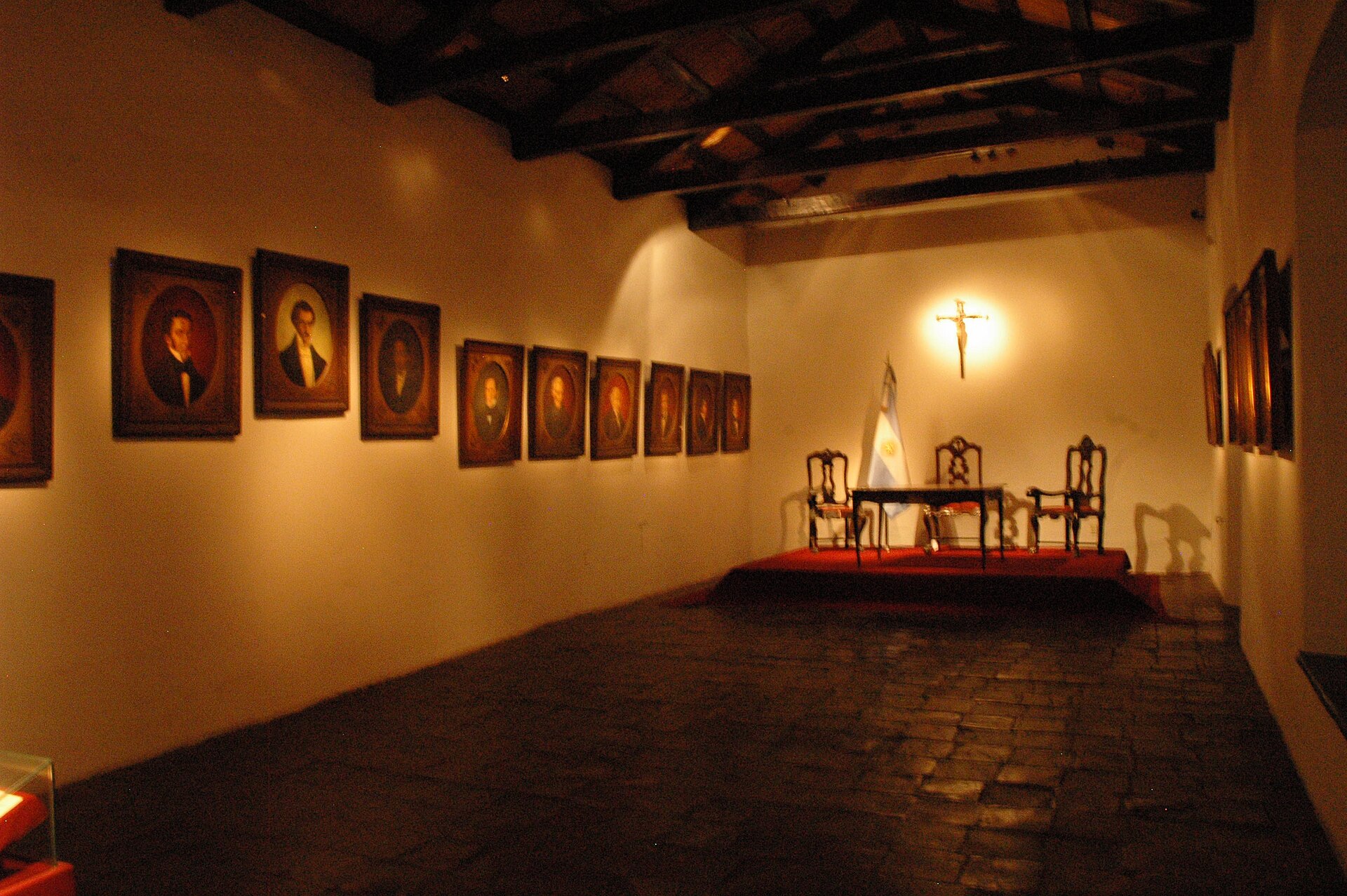
The colonial townhouse where on <strong>July 9, 1816</strong>, 33 representatives signed Argentina's Declaration of Independence — exactly 40 years after the equivalent moment in Philadelphia. The Hall of the Sworn Oath ("Salón de la Jura") is preserved as it was that afternoon, with the original portraits of the 33 congressmen. National Heritage Site, with a museum on the broader independence movement, original artifacts (swords, banners, signed documents). 1-hour guided tour, USD 8 entry. The single most important civic monument in Argentina — ranks alongside Independence Hall in Philadelphia or Versailles' Hall of Mirrors as a continental founding site.
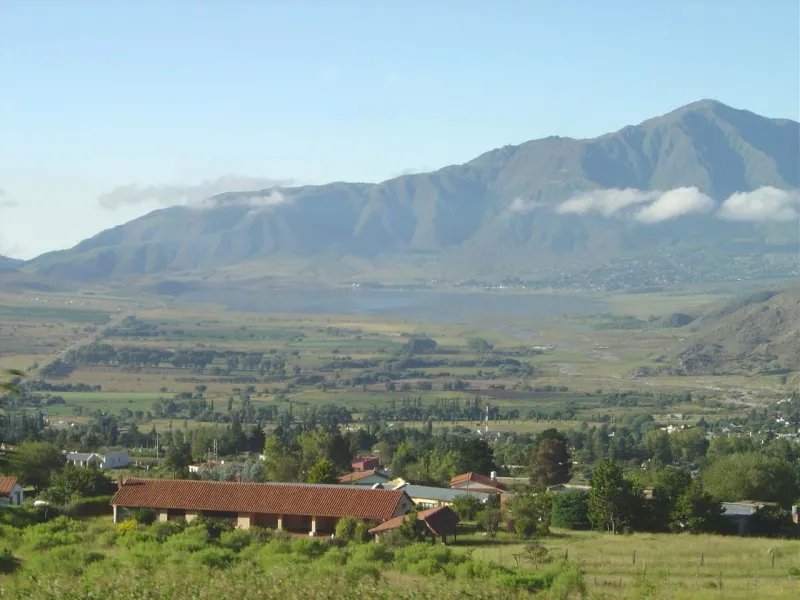
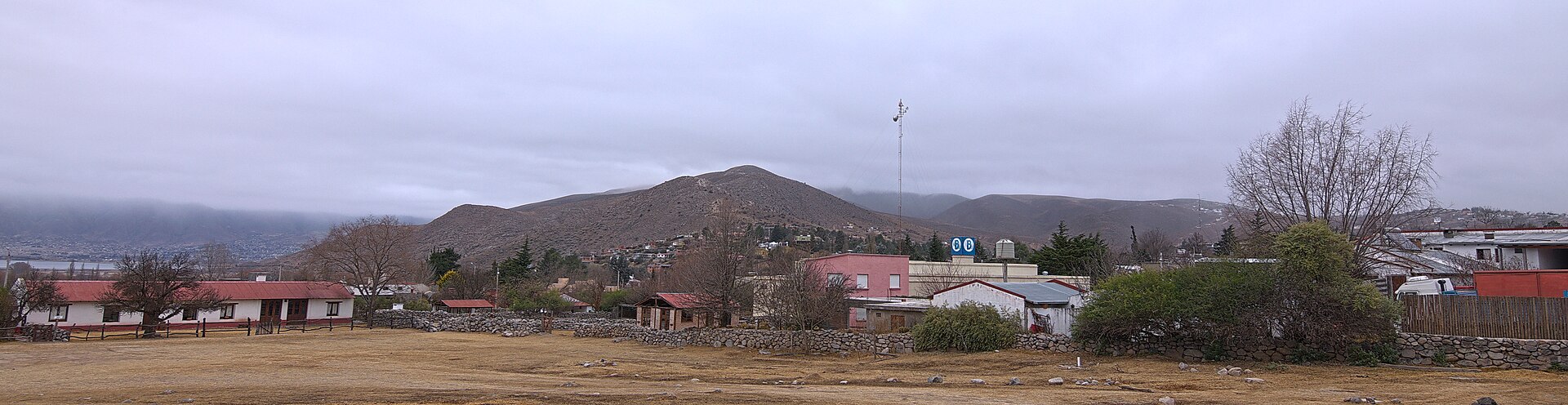
80 mi / 130 km west of the capital at 6,500 ft / 2,000 m, in the Tucumán Calchaquí valleys. Town of 14,000 with a reservoir lake (La Angostura), pre-Columbian art museum, the 1718 Jesuit Capilla La Banda, and a famous artisan market. The <strong>Reserva Los Menhires</strong> preserves 129 pre-Columbian standing stones (menhirs) in an open-air archaeological park — moved here from various Calchaquí sites for protection. Cool year-round (snow possible in winter at higher elevations). Reached via the spectacular <strong>Quebrada de los Sosa</strong> (climbs 4,900 ft / 1,500 m in 37 mi / 60 km through cloud-forest tunnels).
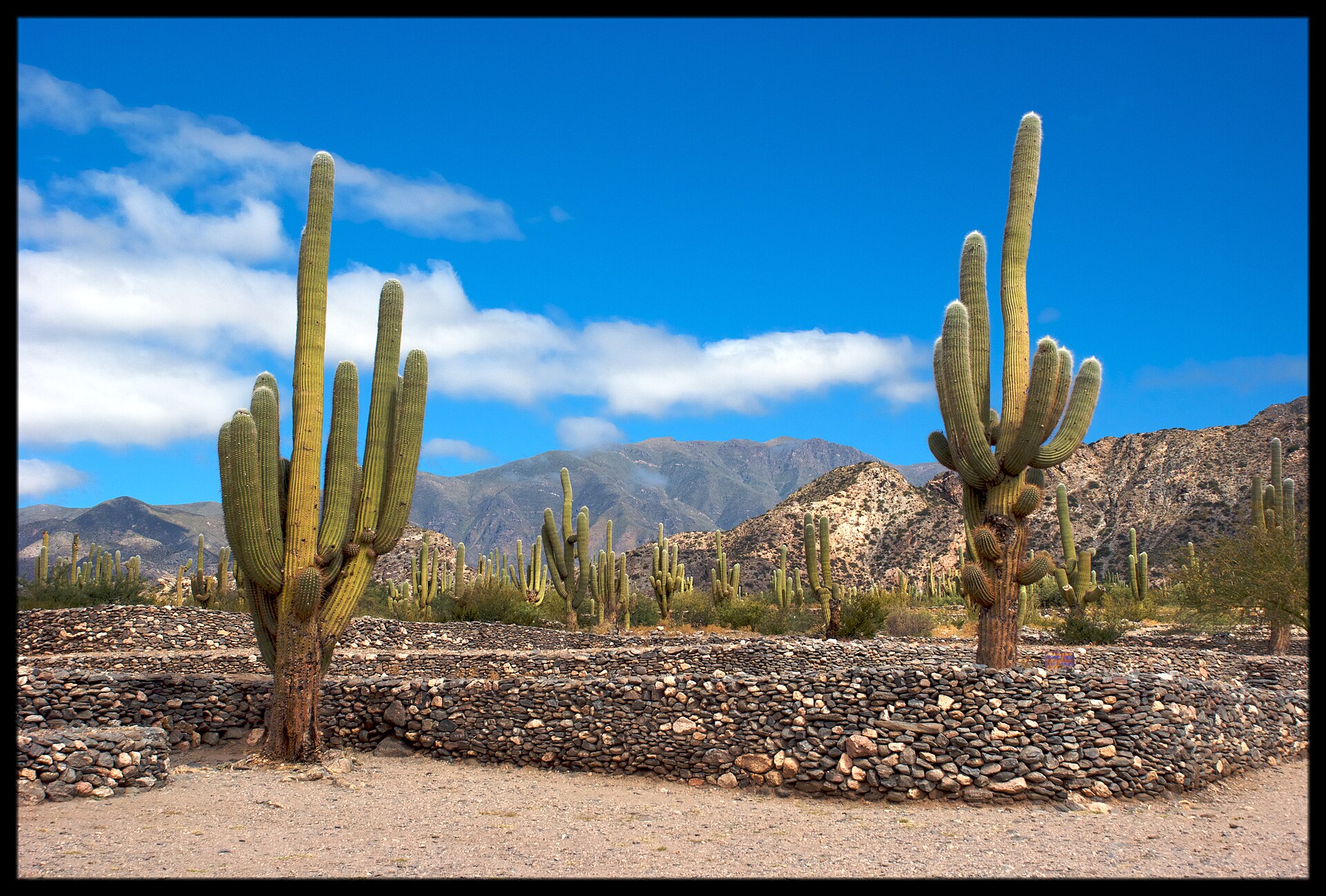
110 mi / 175 km west of the capital (via Tafí + Amaicha). The <strong>largest indigenous city in present-day Argentina before Spanish contact</strong>: 5,000 inhabitants over 30 hectares at 4,000 ft / 1,200 m altitude, founded around 800 AD. The Diaguita-Quilme civic center had perimeter walls, circular dwellings and grain-storage chambers. <strong>The Quilmes resisted Spanish conquest for 130 years</strong> (1561-1665, the Calchaquí Wars — the longest indigenous resistance in present-day Argentine territory) before defeat and forced deportation 950 mi / 1,500 km to Buenos Aires. Argentina's tentative UNESCO list. USD 8 entry + local guide.
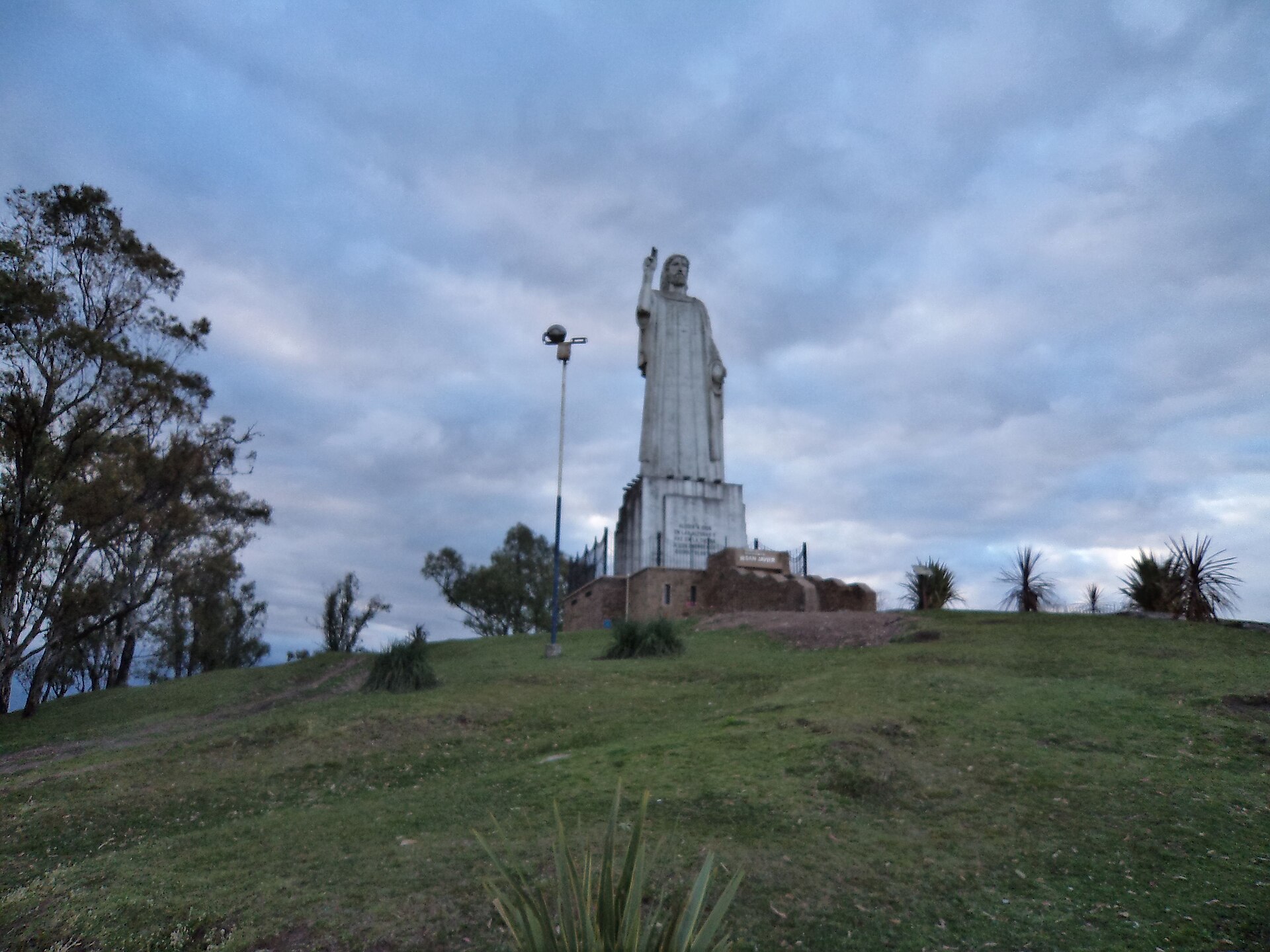
15 mi / 25 km west of San Miguel. A 5,900 ft / 1,800 m peak with views over the Tucumán plain and the Aconquija range. At the summit: the <strong>Cristo Bendicente</strong> ("Blessing Christ"), a 92-foot / 28-meter statue, one of the largest representations of Christ in South America. Drive up by the winding asphalt road (1h, multiple lookouts at 4,000 ft and 5,000 ft). On clear days you see the snow-capped Aconquija on the horizon. A classic Tucumán day trip — locals come up for asado on weekends.
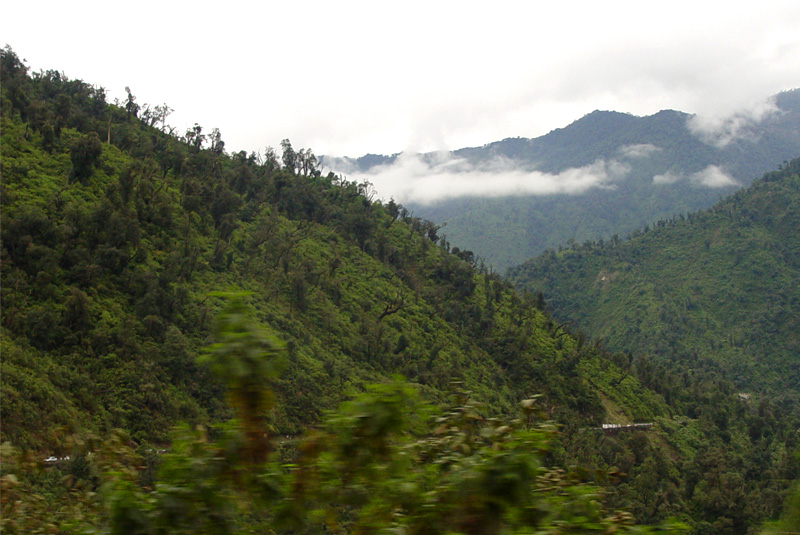
19 mi / 30 km northwest of the capital. Inside Sierra de San Javier Park (UNESCO Biosphere Reserve). Easy 2.5-mile / 4-km trek to a 26-foot / 8-m waterfall with a clear swimming pool below. <strong>Subtropical cloud forest</strong> with orchids, tree ferns, capuchin monkeys, toucans (one of the few accessible cloud-forest experiences in Argentina that doesn't require a 2-day expedition). Picnic + swim half-day. Best season: March-November (heavy rain in summer can close trails).
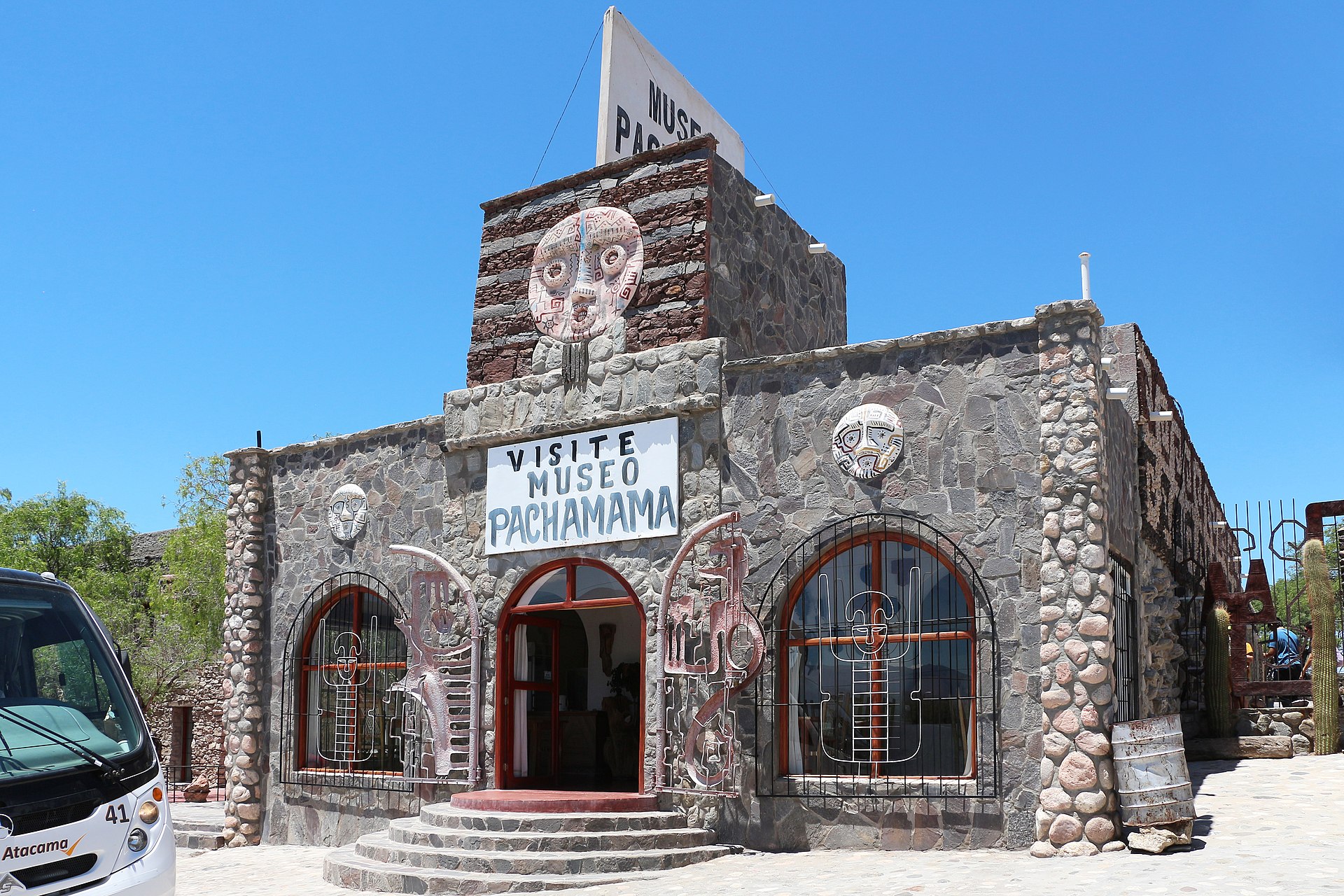
80 mi / 130 km west of the capital, at 6,500 ft / 2,000 m. A Diaguita indigenous community with living tradition: the <strong>Pachamama (Mother Earth) National Festival</strong> takes place here the first half of February — one of the most important indigenous-heritage events in Argentina. The Pachamama Museum (designed by artist Héctor Cruz) is unique architecture. High-altitude wineries (Las Arcas, El Esteco) produce Torrontés and Malbec at 2,000 m. Pairs with Quilmes in the same day (15 mi apart). USD 65 with full tour from San Miguel.
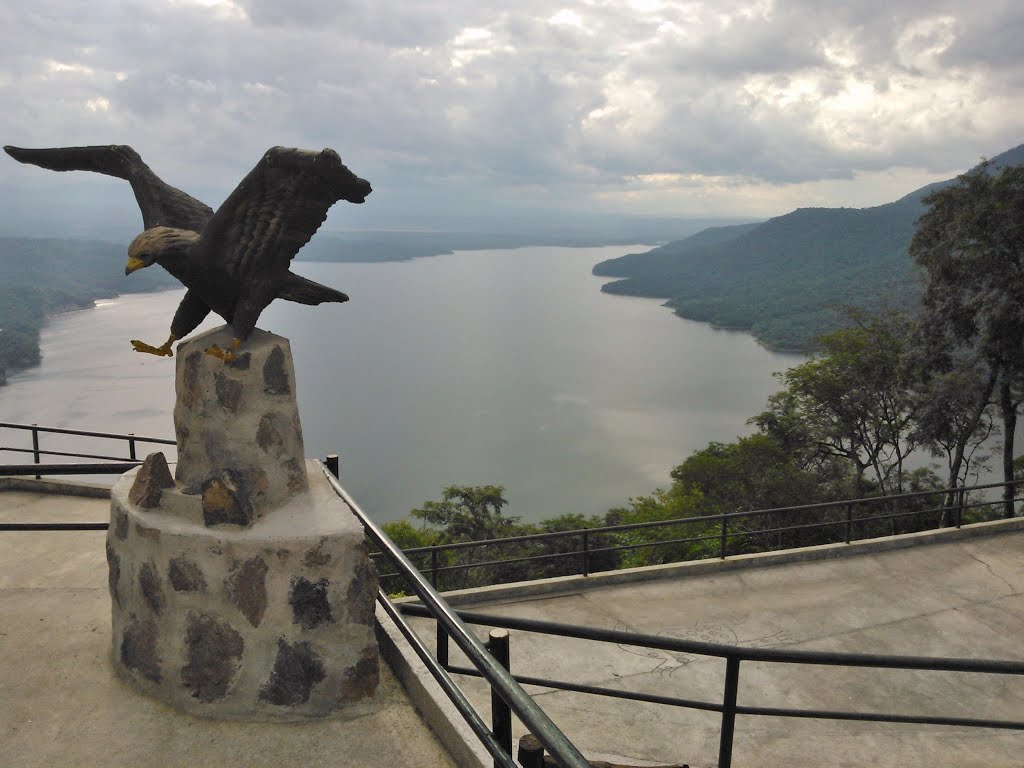
15 mi / 25 km north of San Miguel. A 9-km² artificial lake surrounded by yungas. Boating, fishing (pacú, dorado), waterside picnic. A relaxed family-day option, often combined with Aguas Chiquitas Reserve in the same outing. Free access; lakeside concession USD 8.
1-2 day tour through the Tucumán Calchaquí valleys: Tafí del Valle + Amaicha + Quilmes + (optionally) Cafayate in Salta. Quebrada de los Sosa cloud-forest climb + altitude wineries + pre-Columbian sites + Diaguita villages. Combinable with Salta to make a full Northwest circuit. USD 95 day trip from San Miguel; USD 195 with overnight in Tafí.
Tucumán has a subtropical climate that varies sharply with altitude: hot humid summer in the lowlands and city (Dec-Mar, 66-88°F / 19-31°C, daily afternoon storms in the yungas, mosquitoes), mild fall (Apr-May, 57-77°F / 14-25°C — the best window), cool dry winter (Jun-Aug, 46-71°F / 8-22°C in the city, frost in the high valleys), and flowering spring (Sep-Nov, 59-84°F / 15-29°C, the rosy lapacho trees explode in bloom). Tafí del Valle and Amaicha at 6,500 ft / 2,000 m+ run 9-27°F / 5-15°C cooler than the city year-round — bring layers if you go up.
The Quebrada de los Sosa between the city (1,475 ft / 450 m) and Tafí del Valle (6,500 ft / 2,000 m) is one of the most dramatic ascents in Argentina — leaving the subtropical cloud forest, passing through river-tunnel cuts, and emerging onto high pampa. Summer brings afternoon cloud and mist (drive carefully) but the green tunnels are unforgettable. Winter gives clear-sky days with the snow-capped Aconquija on the horizon. The rosy lapachos (Handroanthus impetiginosus, the provincial tree) bloom in September — for three weeks the entire province turns pink, a Northwest postcard found nowhere else in South America at this scale.
Tucumán: Casa Histórica, Tafí del Valle, Quilmes ruins and Cerro San Javier
Suggested itineraries
Real routes built by locals — pick the one that fits your days.
3days
Tucumán essentials
Historic city + Cerro San Javier + Tafí del Valle. The express version, ideal for weekend escape or NOA add-on.
Highlights
Casa Histórica
Cerro San Javier
Tafí del Valle
Quebrada de los Sosa drive
Day by dayHide day by day
Day 1
City and Casa Histórica
Morning: guided tour of the Casa Histórica (1h), Plaza Independencia, Cathedral, Cabildo. Lunch on Tucumán empanadas at Pichuleo or La Casa de las Empanadas. Afternoon: Casa Padilla (19th century), San Francisco church. Evening: dinner with live folk music ("peña") on Calle Maipú.
Day 2
Cerro San Javier + yungas
Morning: drive up to the Cristo Bendicente (1h), lookouts, lunch at the summit. Afternoon: descent + stop at Aguas Chiquitas Reserve for a yungas walk + waterfall swim. Back to the city for dinner.
Day 3
Tafí del Valle full day
Leave by 8am via the Quebrada de los Sosa (4,900 ft climb in 37 mi). Arrive Tafí 10:30am. Reservoir + Capilla La Banda + Reserva Los Menhires (129 pre-Columbian standing stones). Lunch on goat or Calchaquí empanadas. Afternoon: artisan market. Descent at sunset (the gorge in golden light is the trip's photo). Late return or evening flight.
5days
Tucumán complete + Quilmes
Adds Quilmes (largest pre-Columbian city in Argentina) + Amaicha (Pachamama Museum) + a yungas day. The right length to know Tucumán properly.
Highlights
Casa Histórica
Tafí del Valle overnight
Amaicha + Pachamama
Quilmes ruins
Yungas + waterfall
Day by dayHide day by day
Day 1
Historic city
Casa Histórica + Plaza Independencia + Casa Padilla + folk-music dinner on Maipú.
Day 2
Cerro San Javier + Cadillal
Morning at San Javier + Cristo. Afternoon: El Cadillal reservoir (picnic).
Day 3
Tafí del Valle overnight
Climb via Quebrada de los Sosa. Reservoir + menhirs + Capilla La Banda. Boutique hotel in Tafí.
Day 4
Tafí → Amaicha → Quilmes
Drive 37 mi north on Route 40 to Amaicha. Pachamama Museum + altitude wineries. Lunch. Afternoon: Quilmes ruins (25 mi). Return to Tafí or continue to Cafayate (Salta) for the NOA combo. If returning to the city: 4h afternoon drive.
Day 5
Yungas + flight out
Morning: trekking + waterfall swim at Aguas Chiquitas. Lunch in the yungas. Afternoon free for souvenir shopping (sugar-cane sweets, regional crafts). Evening flight out.
7days
Tucumán + Salta NOA combo
The complete Northwest circuit: Tucumán + Cafayate + Salta capital. Two provinces, one trip — the right way to see Argentina's NOA.
Highlights
Tucumán Casa Histórica
Tafí + Quilmes
Cafayate (Salta) wineries
Quebrada de las Conchas
Salta capital
Day by dayHide day by day
Day 1
San Miguel de Tucumán
Casa Histórica + historic city.
Day 2
Cerro San Javier + Cadillal
Cristo Bendicente + lake afternoon.
Day 3
Tafí del Valle overnight
Quebrada de los Sosa + reservoir + menhirs.
Day 4
Amaicha + Quilmes + Cafayate
Cross into Salta province after Quilmes. Arrive Cafayate at sunset.
Day 5
Cafayate wineries
High-altitude bodegas (Etchart, Domingo Hermanos, El Esteco). Quebrada de las Conchas (Garganta del Diablo, El Anfiteatro).
Day 6
Cafayate → Salta capital
Via Cachi (Route 40 scenic) or direct (Route 68). Arrive Salta capital evening.
Day 7
Salta capital + flight out
Cerro San Bernardo, MAAM museum (Inca child mummies), Plaza 9 de Julio. Flight SLA → BUE evening.
All Tucumán destinations
Argentina\'s smallest province but with three ecosystems (pampas plain, yungas cloud forest, Calchaquí valleys). Each destination has its own complete guide:
Tucumán cooking centers on three pillars: empanadas, locro, and tamales, all in the Northwest tradition with strong Italian-immigrant overlay (Calabria, Liguria) on a Spanish-Andean base. The empanada tucumana received Protected Geographic Indication (IGP) in 2018 — Argentina's first IGP for an empanada. The recipe: knife-cut beef matambre (no food processor allowed under the IGP), diced potato, onion, cumin, optional bacon, paprika. Fried in beef fat or oven-baked. The pastry is thinner than the Salta version. Pichuleo, La Casa de las Empanadas, and El Aljibe are the three institutions in San Miguel.
Tamales tucumanos are bigger than the Salta version, wrapped in corn-husk (chala, not banana leaf), filled with beef and ground white corn, steamed for 3 hours. Locro tucumano adds toasted peanuts and a hot sauce — spicier than the Córdoba version. Cabrito al asador (slow-roasted goat on a wooden cross) is the specialty in Tafí and the Calchaquí valleys. Bondiola con maní: pork shoulder in peanut sauce, a regional signature. Caña con ruda (sugarcane spirit infused with rue leaves) is drunk every August 1 — a pagan protective tradition with pre-Hispanic roots. Altitude wines: nearby Cafayate (Salta) is world-famous for Torrontés, but Amaicha's own bodegas (Las Arcas, El Esteco satellite) press their wines at 6,500 ft / 2,000 m altitude.
Signature dishes
Empanada tucumana (IGP 2018)
Knife-cut beef matambre, diced potato, onion, cumin, paprika. Fried in beef fat or baked. Thinner pastry than the Salta version. Argentina's only IGP-protected empanada.
Tucumán tamales
Bigger than Salta version. Wrapped in corn husk, filled with beef + ground white corn. Steamed 3 hours.
Locro tucumano
Northwest variant with toasted peanuts and hot sauce. The patriotic dish for May 25 and July 9 (independence day at the Casa Histórica).
Cabrito al asador
Slow-roasted kid goat on a wooden cross — specialty in Tafí del Valle and the Calchaquí valleys. 4-5 hour cook over wood embers. Pair with regional red.
Caña con ruda
Sugarcane spirit steeped with rue leaves. Drunk every August 1 — pre-Hispanic protective tradition. Bitter, strong.
Bondiola con maní
Pork shoulder in peanut sauce — a Tucumán regional signature, with locro or potato on the side.
Food experiences
San Miguel empanada-house tour
Visit 3 institutional empanada houses in Tucumán: Pichuleo, La Casa de las Empanadas, El Aljibe. Compare 6 styles + regional drink. 3 hours. The most flavorful introduction to Tucumán cooking — and to Argentina's only IGP-protected empanada.
Slow-roasted goat 4-5 hours at a working family estancia in Tafí del Valle. Multi-course traditional meal: cabrito + Calchaquí salad + cayote-jam dessert + regional red. 3-4 hours including transfers.
Bodega Las Arcas or El Esteco satellite at 6,500 ft / 2,000 m in Amaicha del Valle. Vineyard walk + 5-wine tasting + regional cheese-and-charcuterie board. Drive through the Calchaquí valleys included. 3 hours.
4-hour hands-on workshop. Make IGP-spec empanadas tucumanas (knife-cut beef, no food processor) and corn-husk tamales the traditional way. Dinner with your own work + regional wine. Recipes to take home.
Diaguita country, the 1816 declaration, and the Argentine Northwest
Tucumán is Diaguita country before anything else. The pre-Columbian peoples — Diaguita, Calchaquí, Quilme — settled here from around 200 AD with sophisticated agricultural development (terraced cultivation, irrigation systems), urban architecture (Quilmes housed 5,000 people at 4,000 ft / 1,200 m altitude), rock art, and ceramics. They resisted Spanish conquest for 130 years in what historians call the Calchaquí Wars (1561-1665) — the longest sustained indigenous resistance in the territory of present-day Argentina. When the Quilmes were finally defeated, they were forcibly marched 950 mi / 1,500 km to a deportation site near Buenos Aires (the brewery brand "Quilmes" takes its name from that place — an irony rarely registered). The deportation decimated the population. Today there are about 5,000 recognized Quilme-Diaguita descendants in the province, and the Pachamama tradition remains vital in Amaicha — the National Pachamama Festival every February draws thousands.
The Spanish founding of San Miguel de Tucumán dates to 1565 (Diego de Villarroel, originally at Ibatín, relocated in 1685 to the present site after malaria epidemics). Through the 18th century, the city was a key node on the Royal Road between Upper Peru (Potosí silver) and Buenos Aires. Sugar, mules, and leather moved through. But the event that defined the city was July 9, 1816: the Congress of Tucumán declared independence from Spain. Among the 33 signatories were Manuel Belgrano (the soldier who designed the Argentine flag, an economist trained in Spain who had read Adam Smith and the French physiocrats), Juan Martín de Pueyrredón, and the men who would shape the new nation. The choice of Tucumán was deliberate — it was the geographic and commercial center of the territory declaring independence, midway between the rebel Buenos Aires and the still-royalist Upper Peru.
The 19th and 20th centuries in Tucumán are the centuries of sugar cane. From 1880, large-scale sugar mills (ingenios) transformed the pampa plain at the foot of the Aconquija. Italian immigrants from Calabria and Liguria, plus Spanish migrants, settled in to work the harvests. The provincial economy revolved around sugar — and when the Onganía military regime closed eleven mills in 1966 (the so-called Operativo Tucumán), the province entered a structural crisis that has shaped half a century of its politics. Many of those ingenios are still standing as industrial-archaeology sites; the Hotel del Casco at Ingenio San Pablo has been converted into a luxury boutique hotel in original 19th-century brick buildings.
Modern Tucumán identity blends three forces: indigenous (Diaguita roots, vital in the Calchaquí valleys, present in cooking and ritual), Spanish-Italian (the demographic majority, the productive force behind sugar), and creole-NOA (zamba and chacarera folk dance, a strong "peña" live-music scene — the four-block stretch of Calle Maipú in San Miguel hosts a dozen folk-music venues). The rosy lapacho trees (Handroanthus impetiginosus, the provincial tree) bloom in September: for three weeks, the entire city dresses in pink. It is the postcard of the Argentine Northwest, found at this density nowhere else in South America.
Where to stay in Tucumán
Three options: San Miguel center (close to Casa Histórica, 3-4★ hotels USD 50-150, walking distance to the historic core), Yerba Buena (residential zone north of the city, USD 60-160, quiet), Tafí del Valle (alpine boutiques, USD 80-200, ideal overnight before Quilmes + Amaicha day). For a unique experience: a converted 19th-century sugar mill (Hotel del Casco at Ingenio San Pablo, 5★, USD 250+).
Salta → TUC: 35 min, USD 85+. The fast option for a Salta+Tucumán combo.
Córdoba → TUC: 1 h, USD 90+.
Mendoza → TUC: 2 h, USD 120+.
From the US: no direct flights. Miami → BA (9h on AA) or Atlanta → BA (10h on Delta), then 1h 45m domestic. Total 14-17h.
From the UK/EU: London/Madrid → BA via Madrid or São Paulo (15-18h), then 1h 45m domestic.
By long-distance bus
Buenos Aires (Retiro) → Tucumán: 14 hours, USD 50-90. Andesmar, La Veloz del Norte. Cama-suite class includes meal and near-flat reclining seat — Argentine long-distance buses are more comfortable than European equivalents.
Salta → Tucumán: 4 hours, USD 20.
Córdoba → Tucumán: 11 hours, USD 50.
Cafayate → Tucumán via Tafí: 5-6 hours, USD 25 — scenic drive through Quebrada de los Sosa.
By car
From Buenos Aires via Route 9: 770 mi / 1,240 km, 14-16 h. From Salta via Route 9 north: 185 mi / 300 km, 4 h. Renting in Tucumán: USD 35-55/day. You don't need a 4x4 — Tafí del Valle, Amaicha, and Quilmes are paved. For Quebrada de los Sosa: drive up in the morning (best light), descend at sunset (cinematic).
Getting around
For the capital: the entire historic core (Casa Histórica + Plaza Independencia + Cathedral) is walkable in 30 min. For Cerro San Javier: taxi USD 25 round-trip. For the Calchaquí valleys: rented car is ideal (USD 35-55/day). Buses run too: city-Tafí 4-5/day USD 12 (3h), Tafí-Amaicha-Quilmes 1/day USD 15. Without a car, an organized tour USD 75-95/day. Stay-tip: stay downtown for the city portion (walking distance to everything), pick up a car at the airport before heading to Tafí.
Getting there — distances & times
From
Distance
Flight
Bus
Drive
New York (JFK)
8500 km
11 h via Buenos Aires
—
—
Miami (MIA)
7100 km
9 h + 2 h domestic
—
—
Madrid (MAD)
10000 km
13 h via Madrid + AR domestic
—
—
Buenos Aires (EZE)
1240 km
1 h 45
14–16 h
—
Salta
300 km
—
4 h
3 h 30
Córdoba
570 km
—
7 h
6 h
Frequently asked questions
The questions travelers ask us before they go.
Is Tucumán worth visiting?
Yes, but with context. Strengths: the Casa Histórica (Argentina's Independence Hall — single most important civic site in the country), the largest pre-Columbian city in Argentina (Quilmes ruins), accessible cloud forest (yungas), Argentina's only IGP-protected empanada. The 130-year Calchaquí Wars indigenous resistance is one of the great untold stories of the Americas. Limits: less spectacular than Salta or Iguazu for a first-time visitor with limited time, less developed tourist infrastructure than Mendoza, fewer English-speaking guides. Best as: 3-5 day add-on between Buenos Aires and Salta in a Northwest circuit, or for travelers on their second or third Argentine trip.
Tucumán vs Salta — which should I prioritize?
If you only have one Northwest stop and it's your first time, choose Salta: better tourist infrastructure, the major hits (Cafayate, Salinas Grandes, Quebrada de Humahuaca, Tren a las Nubes), more English-language services. Choose Tucumán if you want something more authentic, less touristed, with focus on independence history (Casa Histórica) and cloud-forest accessibility (yungas a 30-minute drive). Best option: combine both — fly into either, rent a car, do a 7-10 day NOA loop. They're different and complementary, not redundant.
How many days do I need for Tucumán?
3 days: city + Tafí del Valle + Cerro San Javier. 5 days: add Quilmes + Amaicha + a yungas day. 7 days: combine with Cafayate (Salta) in a complete Calchaquí valleys / NOA circuit. For Tucumán alone, 5 days is ideal — the province is small but the high valleys take time. Tucumán is the perfect entry point to the Northwest before Salta.
Casa Histórica Tucumán — what to expect?
The original colonial townhouse where the Argentine Declaration of Independence was signed on July 9, 1816. The "Hall of the Sworn Oath" is preserved as it was that afternoon — original portraits of the 33 signatories, period furniture, original signed parchment in the museum next door. National Heritage, 1-hour guided tour, USD 8 entry. Open Tue-Sun 9am-7pm. Schoolchildren visit on pilgrimage; sitting presidents inaugurate here every July 9. Civic equivalent of Independence Hall in Philadelphia or the Palais Bourbon as a continental founding site.
Tafí del Valle altitude — should I worry?
No. Tafí is at 6,500 ft / 2,000 m — comparable to Denver, Colorado, or Mexico City. Most travelers feel nothing more than mild shortness of breath on first exertion. The drive up via Quebrada de los Sosa is gradual (4,900 ft climb in 37 mi), giving the body time to adjust. Real altitude issues start above 9,800 ft / 3,000 m — Tafí doesn't reach that. Quilmes ruins are at 4,000 ft / 1,200 m, no issue at all. Drink water, take it slow on the first day, no special preparation needed.
How much does a Tucumán trip cost?
For 5 days: USD 600-1,100 excluding international flights. Round-trip BA-TUC USD 180, hotel 3-4★ USD 50/night × 5 = USD 250, food USD 25/day × 5 = USD 125, car rental USD 175, tours USD 200. Tucumán is the most affordable region in the Argentine Northwest — hotel rates run noticeably below Salta or Jujuy. Luxury at Hotel del Casco (a converted 19th-century sugar mill, 5★): USD 250+/night, total USD 2,500-3,500.
When is the best time to visit Tucumán?
March-May (mild fall + decreasing rains + ideal weather) or September-November (spring + the rosy lapacho bloom in September is unique to the Northwest). For July 9 at the Casa Histórica: Argentine Independence Day, full national ceremony — book hotels 3+ months out. For the Pachamama Festival in Amaicha: first half of February. Avoid January (peak Argentine domestic crowds, extreme humidity in the city) and December (highest rainfall).
Quilmes ruins — what makes them important?
The largest pre-Columbian city in present-day Argentina: 5,000 inhabitants at peak, 30 hectares, founded around 800 AD at 4,000 ft / 1,200 m altitude. The Diaguita-Quilme civic center had perimeter walls, circular dwellings, grain storage. Resisted Spanish conquest for 130 years (1561-1665, the Calchaquí Wars — longest indigenous resistance in present-day Argentine territory). After defeat, the entire population was forcibly deported 950 mi / 1,500 km to a settlement near Buenos Aires (where the brewery brand "Quilmes" takes its name — a colonial-era irony rarely registered). The site is on Argentina's tentative UNESCO list. Visit with local Quilme guide (1.5h), USD 8 entry.
Yungas Tucumán vs Salta — what's the difference?
The yungas (subtropical cloud forest) extend from Salta through Tucumán along the Andes' eastern slopes. Tucumán yungas (Sierra de San Javier Park, Aguas Chiquitas Reserve) are more accessible — 30 minutes from the city, half-day trekking + waterfall swim. Salta yungas (Calilegua and El Rey National Parks) are larger and wilder, but require multi-day commitment and a guide. For a short trip with limited time, Tucumán yungas deliver the experience without the logistics. For an immersive cloud-forest experience, Salta is better.
Is Tucumán safe for tourists?
Generally yes. The capital has safe areas (historic center, Yerba Buena to the north) and zones to skip after dark (Barrio Mate de Luna, San Cayetano). Crime is property theft, not violence. The province and the sierra towns (Tafí, Amaicha, Quilmes) are very safe — small communities, low crime. Standard precautions: don't flash phones on city buses, use Uber after dark, don't walk with valuables in unfamiliar neighborhoods. Driving tip: refuel before the Quebrada de los Sosa — the next station is 37 mi / 60 km up in Tafí.
Sources & methodology
Last updated:
How we built this guide
This guide updates quarterly (last: April 2026). Prices verified against Civitatis, GetYourGuide, Booking.com converted to USD at the MEP rate. Distances and times measured on Google Maps in daytime, off-peak. Attraction selection based on real visitor data: 1,840+ reviews on the Casa Histórica (Civitatis), 1,420 on Tafí del Valle (GetYourGuide), 980 on Quilmes. Historical sources: Casa Histórica National Museum, Comunidad India Quilmes (CIQME) primary documentation, Universidad Nacional de Tucumán historical archive.