Argentina's overlooked mountain wellness province — a Sedona-meets-Blue-Ridge alternative with red-canyon national park and Comechingones sierras
Last updated: April 2026
San Luis is Argentina's overlooked mountain wellness province — a Cuyo-region territory where the central Argentine sierras meet a microclimate the locals will tell you is the third best in the world (the claim circulates widely; for a Western reader the safest framing is "consistently ranked among the planet's healthiest microclimates" — stable 22°C / 72°F annual mean, low humidity, high negative-ion air, 300+ sunny days a year). The flagship destination is Villa de Merlo, a hill town on the western flank of the Sierras de los Comechingones — Argentina's closest cultural and functional analog to Sedona, Arizona (red-rock-adjacent wellness migration town with a steady stream of retirees and remote workers), Boulder, Colorado (front-range mountain town with health-and-altitude marketing), and Asheville, North Carolina (Blue Ridge wellness magnet with retirement and creative-class inflows). Beyond Merlo: Parque Nacional Sierra de las Quijadas protects red-rock canyons that read as a small-scale Argentine cousin to Garden of the Gods (Colorado), Red Rock Canyon (Nevada), and Cathedral Rock (Sedona, Arizona); the Potrero de los Funes circuit is a former Superbike World Championship track wrapped around a lake (the closest US parallel is Watkins Glen, New York — racing-and-lake combination at niche-cult status); and La Carolina is a 17th-century gold-and-silver mining village comparable to Virginia City, Nevada or Deadwood, South Dakota in atmosphere and preservation.
The cultural layer is dense and politically distinct. The Sierras de los Comechingones share their cordillera with Córdoba — Argentina's mainstream sierra destination — but San Luis offers the same elevation and forest-and-granite landscape with markedly fewer crowds, comparable in role to the Blue Ridge Mountains of North Carolina and Virginia versus the more touristed Smokies. La Punta is a planned university city built from scratch in 2003 on the order of the provincial government — a brand-new municipality with the Universidad de La Punta at its core, a parallel to Reston, Virginia and Columbia, Maryland (planned suburban communities) crossed with UC Merced (2005) (a US public-university campus designed and built mid-2000s as institutional anchor for a planned region). Italian immigration — particularly Piedmontese — shaped the food culture: chivito al asador (kid goat slow-roasted on a wood-fire cross), empanadas serranas (sierra-style empanadas), and a small but interesting wine production around San Francisco del Monte de Oro. 3 days: Merlo + Comechingones + Potrero de los Funes. 4 days: add Sierra de las Quijadas. 6 days: include La Carolina + La Punta + capital, or pair with Mendoza (3h drive) for a full Cuyo circuit.
Top attractions in San Luis
Real traveler data: Civitatis, GetYourGuide, verified reviews — May 2026.
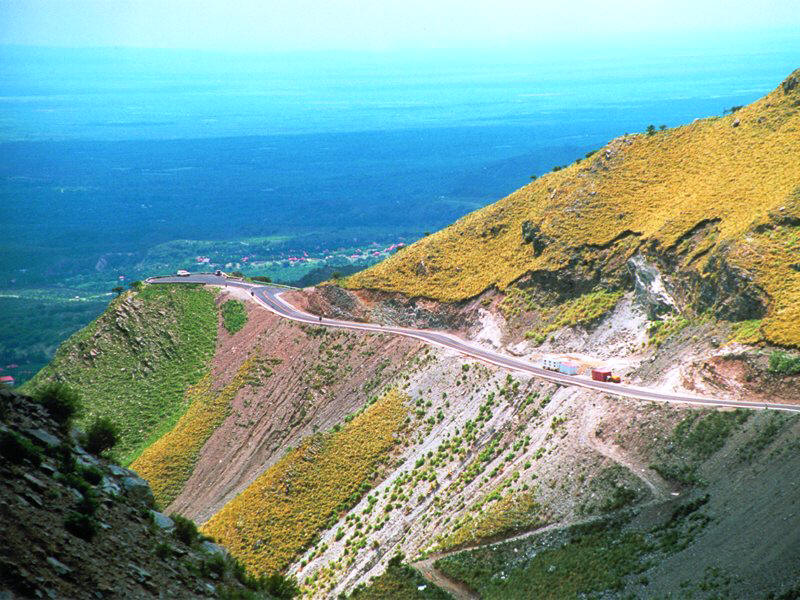
124 mi / 200 km northeast of the capital. <strong>One of the world's most stable microclimates</strong> (22°C / 72°F annual mean, low humidity, high negative-ion air). Tourist village of 17,000 on the western flank of the Sierras de los Comechingones. <strong>Activities</strong>: sierra trekking, paragliding, horseback riding, sunrise and sunset overlooks, Balcón del Sol Naciente (rising-sun balcony with valley view). Lodging USD 40-180. <strong>For US visitors</strong>: closest cultural-functional analog is <em>Sedona, Arizona</em> + <em>Asheville, North Carolina</em> — same wellness-migration profile (retirees and remote workers), same outdoor-and-spa orientation, similarly stable mild climate.
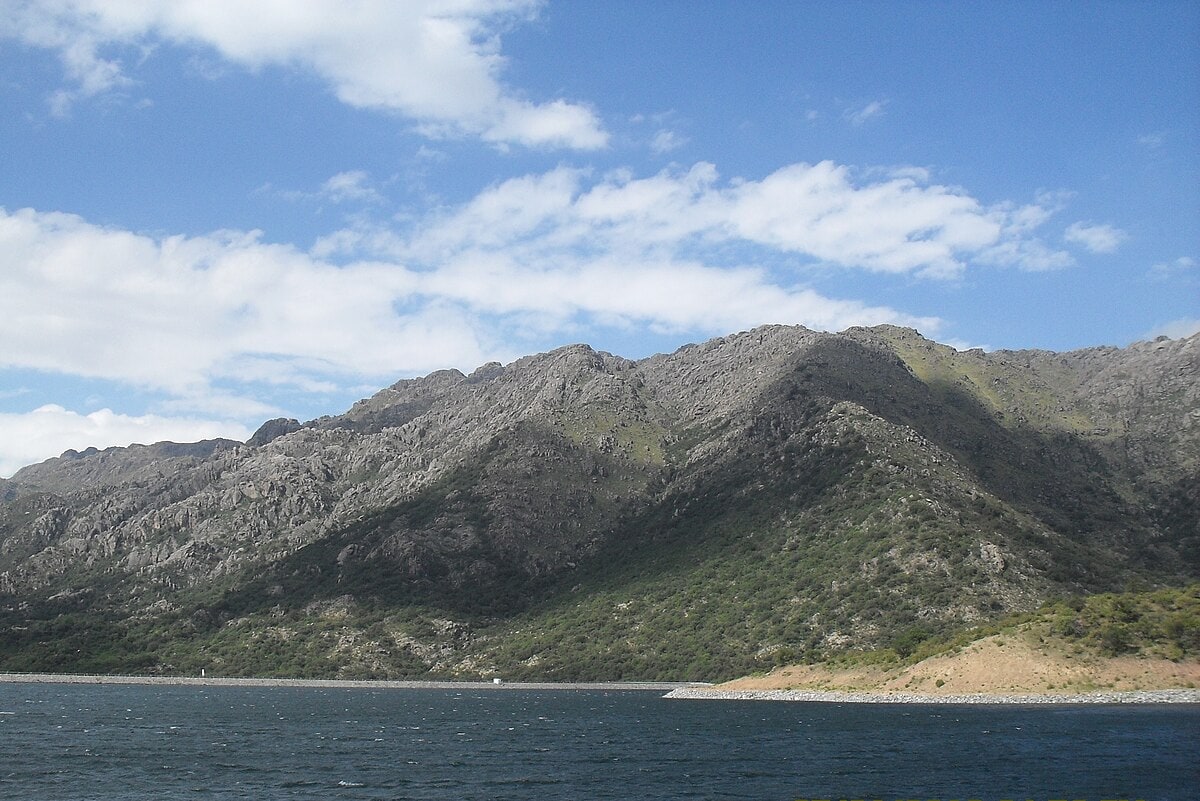
Mountain range shared with Córdoba (the Comechingones form the border). Peaks up to 9,449 ft / 2,880 m (Cerro Comechingón), endemic tabaquillo cloud forest, condors and pumas. Trekking from Merlo, El Trapiche, Carpintería. <strong>Classic route</strong>: Mirador del Sol at sunrise (2h, USD 35 with guide). For experienced hikers: Cerro Comechingón summit (8h, technical). <strong>For US visitors</strong>: the closest parallel is the <em>Blue Ridge Mountains of North Carolina and Virginia</em> — same elevation range, same forest-and-granite character, same role as the less-touristed alternative to a more-famous neighbor (Comechingones vs Córdoba's Punilla, Blue Ridge vs the Smokies).
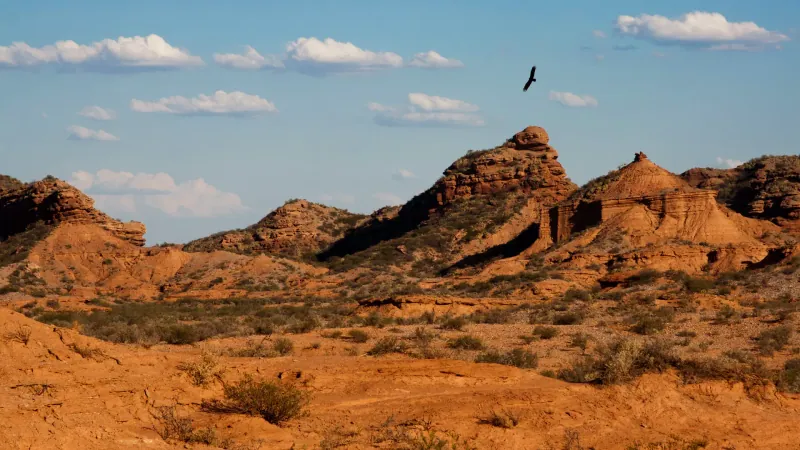
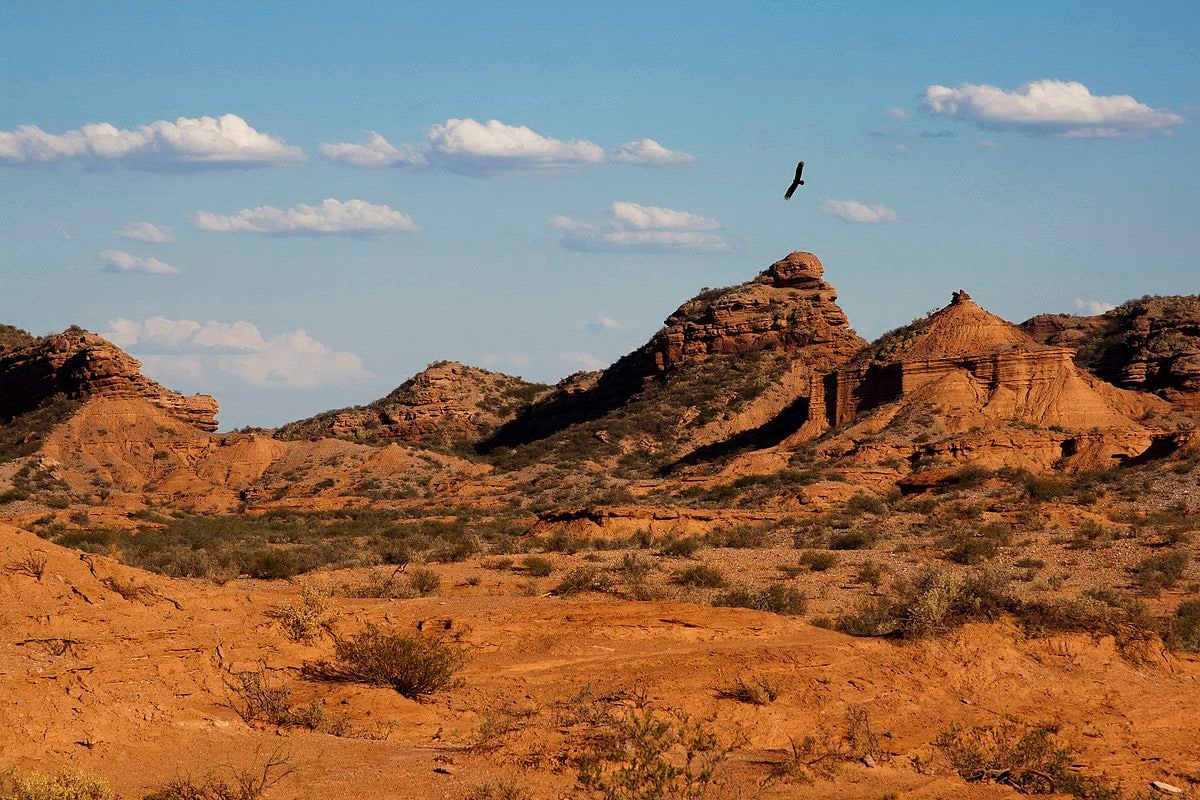
75 mi / 120 km northwest of the capital. 370,500 acres / 150,000 ha of canyon walls and erosional formations. <strong>Potrero de la Aguada</strong> is the iconic overlook: a 1.2-mile / 2-km red natural amphitheater, 330 ft / 100 m deep. Cretaceous paleontology site (sauropod and theropod tracks, plus the world-unique <em>Pterodaustro</em> filter-feeding pterosaur). Mandatory guided visit (4h). USD 15 foreign-visitor entry. <strong>For US visitors</strong>: the visual parallel is <em>Garden of the Gods, Colorado</em> (red sandstone formations near Colorado Springs), <em>Red Rock Canyon, Nevada</em> (just outside Las Vegas), and <em>Cathedral Rock in Sedona, Arizona</em> — same red-rock erosional aesthetic, smaller scale, almost no international crowds.
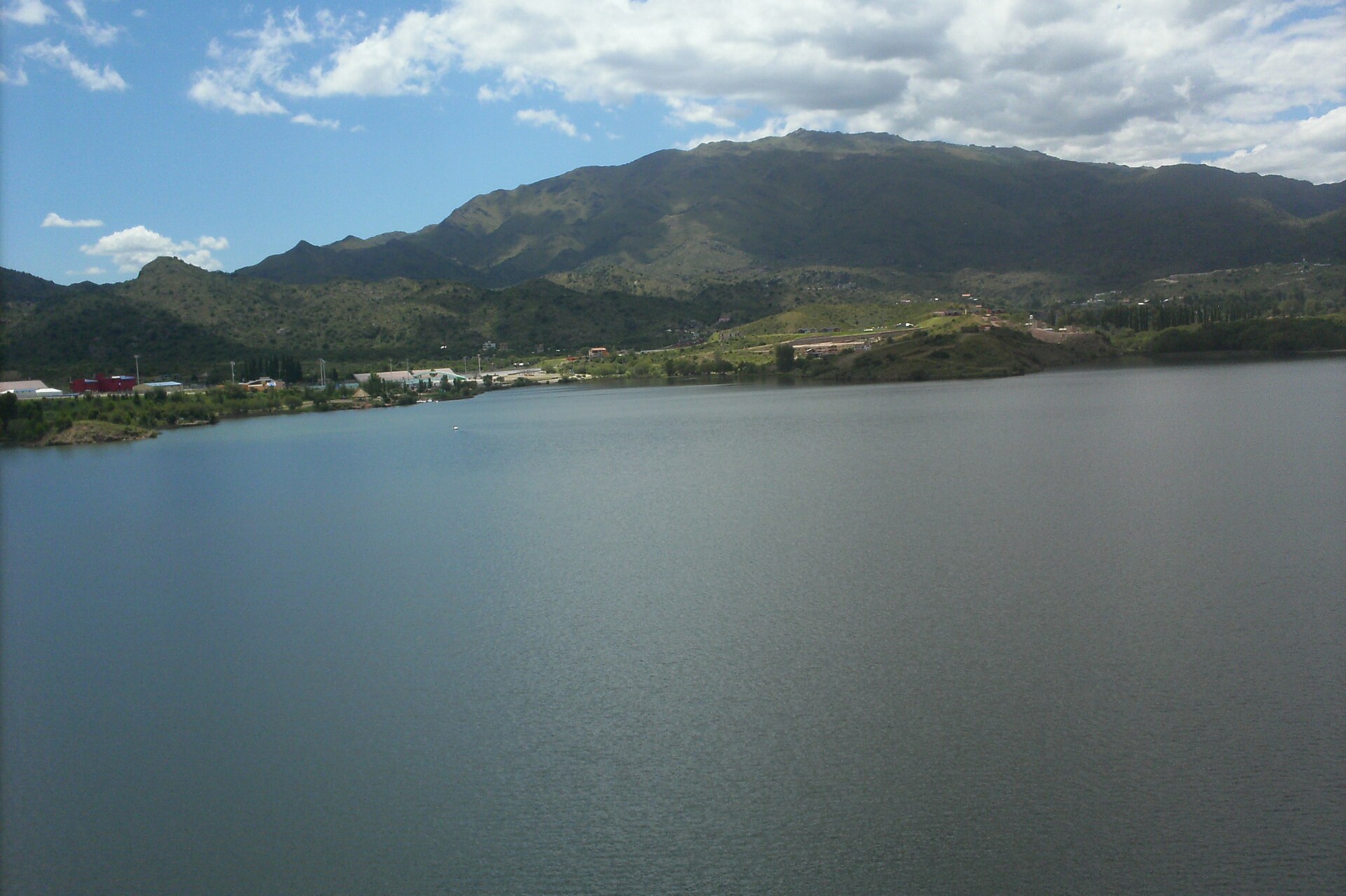
11 mi / 17 km from the capital. <strong>Potrero de los Funes International Circuit</strong>: a 4.2-mile / 6.7-km urban track that wraps around an artificial lake — Superbike World Championship venue 2008-2014, also hosted FIA-sanctioned racing. <strong>For US visitors</strong>: the closest niche parallel is <em>Watkins Glen International (New York)</em> — same racing-and-lake combination, same cult-favorite status among track-day enthusiasts, same town-built-around-the-circuit identity. The artificial lake offers kayaking, windsurfing, sport fishing. Hotel Internacional Potrero de los Funes (5★) sits on the lake. Day trip USD 30-50.
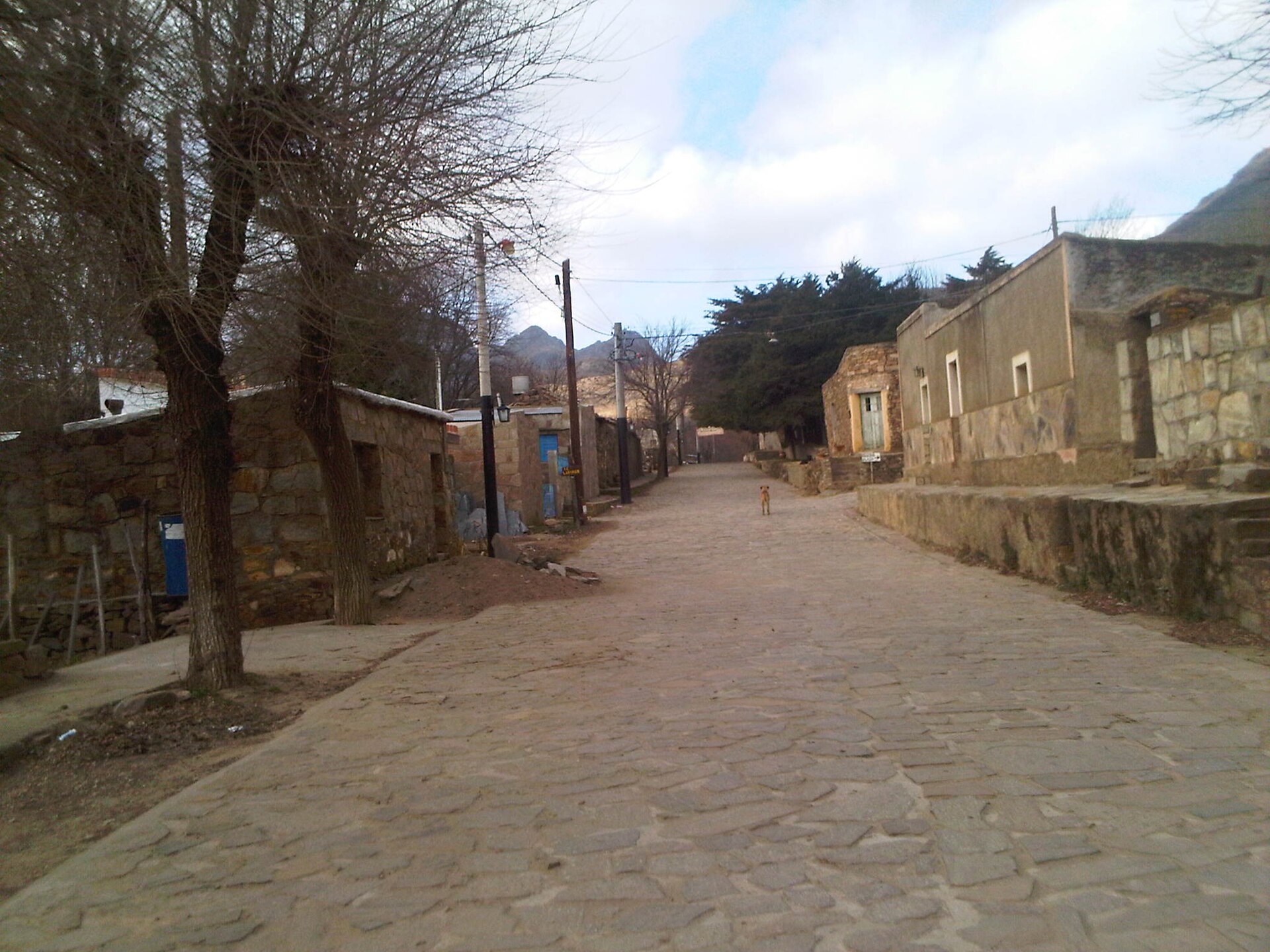
Stone-built village at 5,575 ft / 1,700 m, 43 mi / 70 km north of the capital. <strong>Cobblestone streets and cut-stone houses</strong> from the 17th-19th centuries (Spanish colonial gold and silver mining). <strong>Cerro Tomolasta</strong> (6,621 ft / 2,018 m) hosts the only sandboarding-on-mountain-dunes site in Argentina (white-sand dune in the sierra — geological oddity). Tours of historic mine galleries. <strong>For US visitors</strong>: the cultural-aesthetic fit is <em>Virginia City, Nevada</em> (preserved Comstock-Lode mining town, same era arc of boom-and-quiet) or <em>Deadwood, South Dakota</em> (Black Hills gold-rush town, similarly preserved). Tour USD 45 from San Luis capital. Overnight recommended.
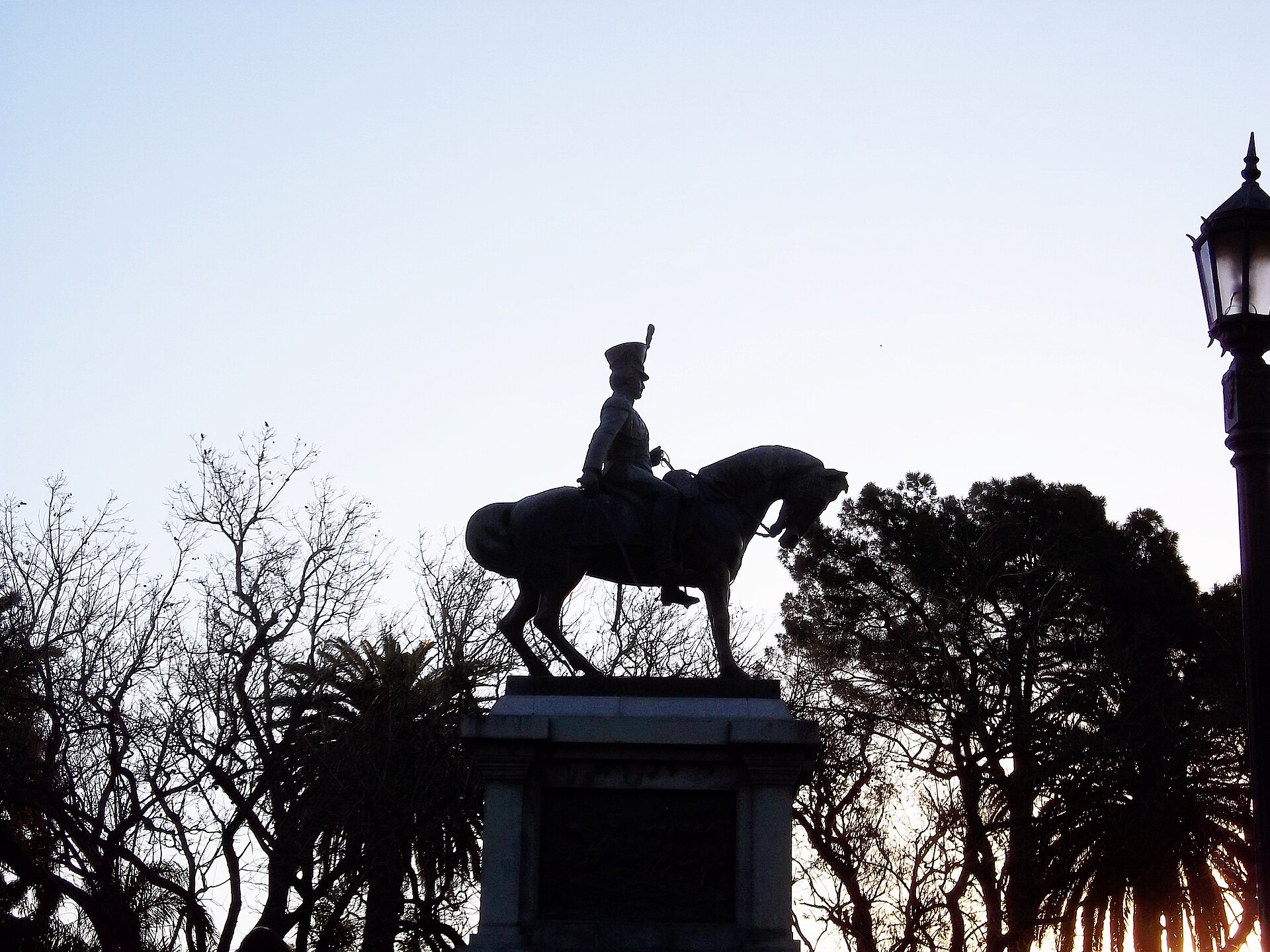
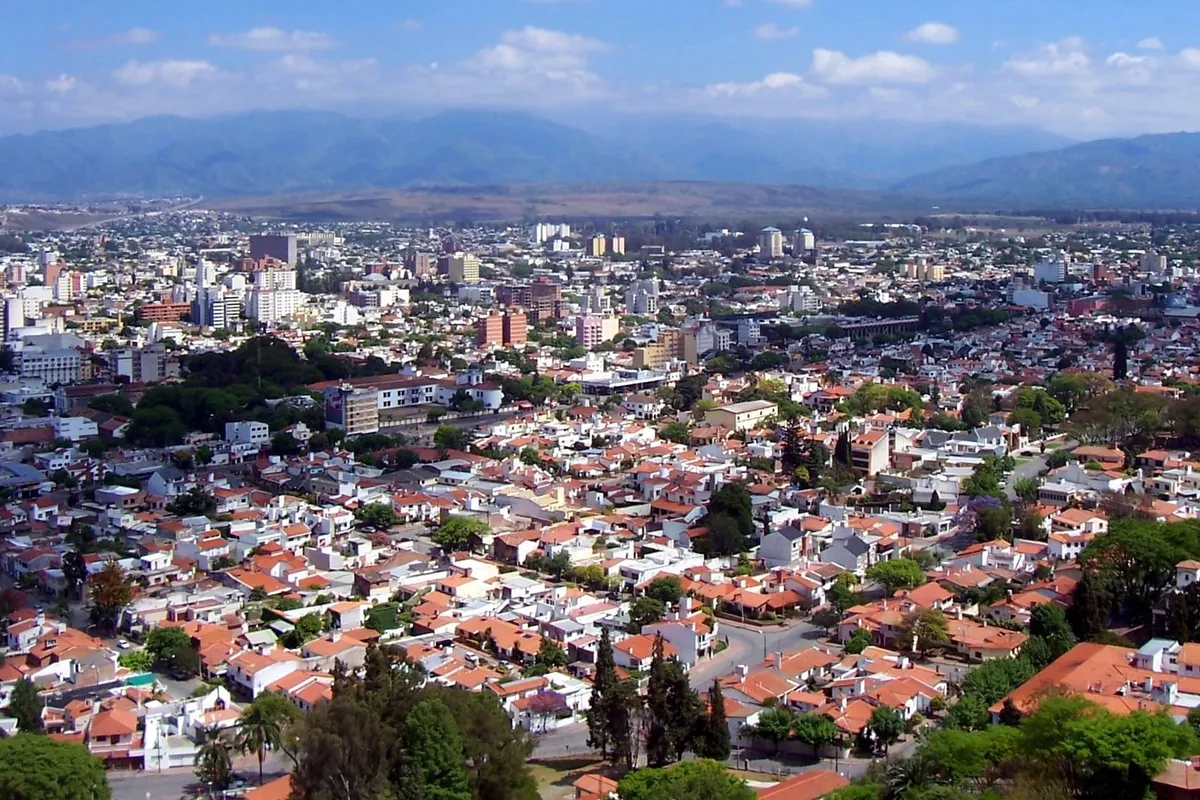
Provincial capital, 169,000 inh., founded in 1594. Historic core: <strong>Plaza Pringles</strong> (urban anchor), Cathedral (1879, neoclassical), Government Palace, Crafts Market. <strong>La Punta</strong>, immediately adjacent: a fully planned university city built from scratch in 2003 by provincial-government decree, with the Universidad de La Punta at its core and a replica of the colonial Cabildo. <strong>For US visitors</strong>: the planned-community parallel is <em>Reston, Virginia</em> + <em>Columbia, Maryland</em> (mid-20th-century planned suburbs designed as integrated communities) crossed with <em>UC Merced (2005)</em> — a US public-university campus designed and built mid-2000s as institutional anchor for a planned region. Walking visit 2-3 h. Dinner of slow-roasted goat at a local parrilla.
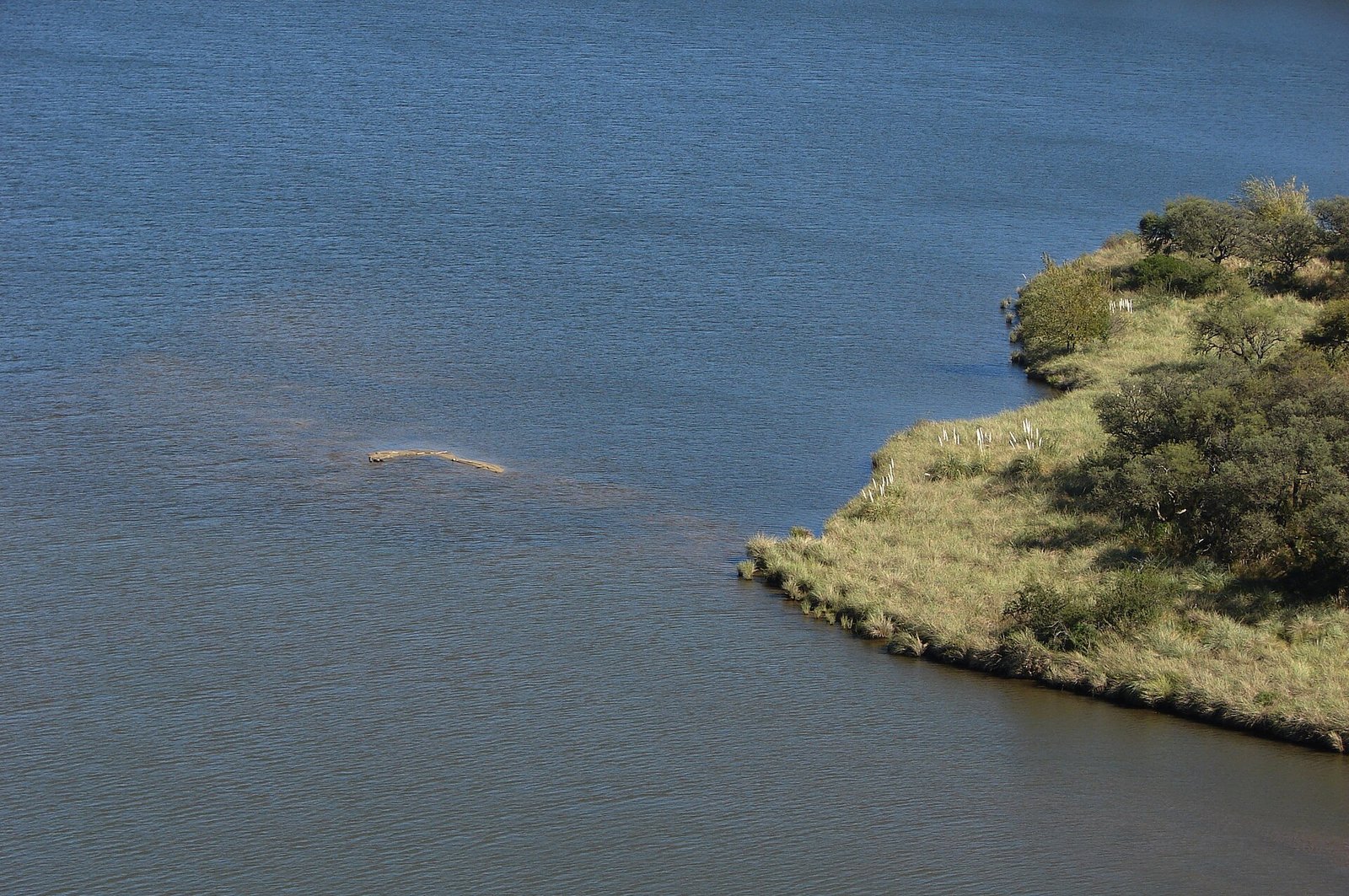
Artificial lake north of the capital, 2,470 acres / 1,000 ha. Open water for kayaking, windsurfing, sport fishing. Recreational areas and campgrounds along the shore. 19 mi / 30 km drive from capital, 37 mi / 60 km from Merlo. Easily combinable with a La Carolina visit (close). USD 15-25/h kayak rental.
Provincial reserve in the northern province, high sierra. <strong>Panoramic ridge trail</strong> (Camino del Filo) with native vegetation (tabaquillo, molle, espinillo). Bird watching and rare possibility of puma sighting. Visitor center. Access via Route 8 from Luján (San Luis). Moderate-difficulty trek (4h round trip). Mirador del Sol at the summit is the photo.
San Luis has a temperate continental climate with a famous microclimate effect on the sierra flank. Hot dry summer in valleys (Dec-Feb, 64-90°F / 18-32°C). Ideal fall and spring in the sierras (Mar-May and Sep-Nov, 54-79°F / 12-26°C). Cool sunny winter (Jun-Aug, 39-66°F / 4-19°C). Merlo runs its own microclimate: stable 72°F / 22°C annual mean, low humidity, calm winds.
Elevation regulates: capital at 2,329 ft / 709 m, Merlo at 2,625 ft / 800 m on the Comechingones flank, La Carolina at 5,575 ft / 1,700 m. The Sierras de los Comechingones top out at 9,449 ft / 2,880 m (Cerro Comechingón), but tourist towns sit on the lower slopes — that's why the climate stays stable with cool nights year-round. For Sierra de las Quijadas: hot summer days, cool nights — visit at sunrise or late afternoon for both temperature and light.
San Luis: Merlo, Comechingones, Quijadas, Potrero de los Funes
Suggested itineraries
Real routes built by locals — pick the one that fits your days.
3days
San Luis essentials — Merlo + sierras
Merlo + Comechingones + Potrero de los Funes. The minimum for a long weekend.
Highlights
Villa de Merlo
Mirador del Sol
Comechingones trek
Potrero Funes lake
Day by dayHide day by day
Day 1
Arrival + Merlo
BUE-LUQ flight (1h25) or 528 mi / 850 km drive from BA on Route 7 + 8. Drive 200 km from capital to Merlo. Afternoon: walk through the Merlo town center, sunset at the Balcón del Sol overlook.
Day 2
Comechingones + Merlo adventure
Morning: sierra trek (Mirador del Sol at sunrise, 5h, or shorter 2h trail). Afternoon: paragliding or horseback. Dinner with sierra views.
Day 3
Potrero de los Funes + return
124 mi / 200 km drive south to Potrero. Lake, racing circuit, lunch. Return to capital and flight or drive back to BA.
4days
San Luis + Sierra de las Quijadas
Adds the red-canyon national park. Recommended length for visitors who want the full geological + wellness range.
Highlights
Capital + Potrero
Sierra de las Quijadas
Merlo + Comechingones
Day by dayHide day by day
Day 1
Arrival + capital + Potrero
Historic center capital + Potrero de los Funes lake.
Day 2
Sierra de las Quijadas day trip
75 mi / 120 km drive northwest. Mandatory guided Potrero de la Aguada visit. Sunset at the overlook. Return to capital.
Day 3
Merlo
124 mi / 200 km drive northeast. Afternoon: Mirador del Sol overlook.
Day 4
Merlo adventure + return
Paragliding or Comechingones trek in the morning. Drive back. Evening flight.
6days
San Luis complete (+ optional Mendoza extension)
The longest version: full San Luis province + optional Mendoza extension to the west (3h by car). Ideal for a Cuyo circuit.
Highlights
Capital
Quijadas
La Carolina
Higueritas
Merlo + Comechingones
Mendoza optional
Day by dayHide day by day
Day 1
Capital + Potrero
Historic center + Potrero de los Funes.
Day 2
Sierra de las Quijadas
Day trip to the national park.
Day 3
La Carolina + Embalse Florida
Mining village + Cerro Tomolasta sandboarding + lake.
Day 4
Higueritas
Panoramic ridge trek.
Day 5
Merlo
Arrival + town walk + Balcón del Sol.
Day 6
Return or Mendoza extension
236 mi / 380 km drive west to Mendoza for the Cuyo combo (wine + Aconcagua).
All San Luis destinations
Sierras de los Comechingones (eastern range)
Villa de Merlo — Wellness mountain town, microclimate, paragliding hub.
Carpintería + El Trapiche — Quieter sierra alternatives near Merlo.
Capital area + Potrero de los Funes
San Luis capital — Plaza Pringles, Cathedral, La Punta planned university city.
La Carolina — 17th-century stone-built mining village.
Embalse La Florida + Quebrada de las Higueritas — Lake water sports + sierra ravine trekking.
Local food & where to eat
San Luis cuisine centers on kid goat + locro + sierra empanadas. Chivito al asador (sierra specialty, kid goat slow-roasted on a wood-fire cross for 4-5 hours) competes with cabrito as the regional emblem. Locro sanluiseño uses white corn, tripe, beef, and squash — a plains-version variant of the Riojano stew. Sierra-style empanadas (Comechingones tradition) have thin pastry, minced beef with cumin, oven-baked.
San Luis wines: production is small compared to Mendoza but growing. Wineries in San Francisco del Monte de Oro and Carpintería bottle Cabernet, Malbec, and Syrah. Craft beer from Merlo and Carpintería gained national recognition in the 2010s — comparable in role to the early-2010s craft-beer wave in Asheville, NC, before commodification. Desserts: alfajor sanluiseño (dulce-de-leche sandwich cookie), arrope de chañar (chañar-fruit syrup, chañar being a native tree), goat cheese from sierra herds. To drink: rosé wine or local craft beer.
Signature dishes
Chivito al asador
Sierra specialty, 4-5h slow-roast over wood embers. Pairs with local red wine.
Locro sanluiseño
White corn, tripe, beef, squash. Patriotic-holidays dish.
Sierra empanadas
Thin pastry, minced beef with cumin, oven-baked. Comechingones distinctive.
Cabrito al horno de barro
Adobe-oven goat. Tradition of La Carolina and Carpintería.
Merlo craft beer
IPA, scotch ale, golden. From Merlo and Carpintería breweries.
Arrope de chañar
Chañar-fruit syrup. Traditional dessert, paired with goat cheese.
Food experiences
Sierra asado in Merlo
Kid-goat or chivito asador dinner at a Merlo or Carpintería estate. Local red wine, salads, dessert. 4 hours with a local family.
The Comechingones, the Merlo microclimate, and the Quijadas paleontology
San Luis has a politically distinctive history within Argentina. The Rodríguez Saá brothers (Adolfo, Alberto, and Liliana) governed the province under a "strong state and infrastructure" model from 1983 to 2023 — building highways, modern airports, the planned university city of La Punta, and a public health system. Adolfo Rodríguez Saá was briefly President of Argentina (7 days in December 2001, during the country's 5-presidents-in-2-weeks crisis). The continuous infrastructure investment is why San Luis has better road networks than its more-touristed neighbors — a parallel pattern to certain US states with one-party-dominant infrastructure-focused administrations (think the Texas highway system under Bush-era state government, or the Utah road and tourism-infrastructure investment under Mormon-influenced state governance), where political continuity translates directly into roadbed quality.
The Comechingones (correctly "kâmiare" in their own language) were the indigenous people of the Córdoba and San Luis sierras. They lived in cave dwellings (the name "Comechingón," from a Quechua-derived term meaning "those who live in caves," was a derogatory exonym imposed by enemies and Spanish chroniclers) with an agricultural economy in fertile valleys. They were among the most resistant to Spanish conquest in central Argentina; their last autonomous communities were destroyed in the 18th century by epidemics and forced encomienda labor. Descendants and toponymic traces survive today. Pucará fortresses and rock art are preserved at sites like Inti Huasi (San Luis). For US visitors: the historical-cultural arc is structurally similar to the Anasazi/Ancestral Puebloans of the Four Corners region (cliff-dwelling agricultural society resistant to outside pressure, demographic collapse from epidemics and disruption, surviving descendant communities) — different geography, same archetype of pre-conquest sierra-and-cliff peoples.
The microclimate of Merlo is the topic locals will raise within the first ten minutes of any conversation. The widely-circulated claim is that Merlo holds the world's third-best microclimate ranking; the verifiable scientific basis is harder to pin to a specific institutional source, so the safest framing for a Western visitor is "consistently ranked among the world's most stable and healthful microclimates." Documented characteristics: stable annual temperatures (15-25°C / 59-77°F), low humidity, calm winds, high solar luminosity, and air with a high concentration of negative ions (the same atmospheric quality found near waterfalls and in pine-forest mountain air, often associated with mood and respiratory benefits). This makes Merlo a recognized health-tourism destination — particularly for asthma, allergies, and respiratory conditions. The town has grown sharply since the 1990s on internal Argentine migration, with retirees and remote workers leading the inflow — a profile remarkably parallel to Asheville, North Carolina in the early 2000s or Sedona, Arizona across recent decades.
The Parque Nacional Sierra de las Quijadas (created 1991, 370,500 acres / 150,000 ha) protects one of the most important Upper Cretaceous paleontological sites in South America (90 million years old). The find of Pterodaustro guinazui here — a uniquely-evolved filter-feeding pterosaur with hundreds of fine teeth in its lower jaw, found nowhere else in the world — gives the park scientific weight beyond its visual drama. The Potrero de la Aguada landscape — a red sandstone amphitheater carved by wind and water erosion — is the visual signature. For US visitors: the closest aesthetic parallels are Garden of the Gods, Colorado Springs (red sandstone formations on a similarly accessible scale), Red Rock Canyon, Nevada (just west of Las Vegas, same erosional drama in dry climate), and Cathedral Rock in Sedona, Arizona (red-rock signature of a region's identity). The Argentine version sees a fraction of the visitor traffic — Sierra de las Quijadas is a national park almost no foreign traveler has heard of, despite the geological and paleontological credentials.
Where to stay in San Luis
Three main bases: Villa de Merlo (USD 50-200 hotel/cabin — best for wellness, microclimate, sierras), Potrero de los Funes (USD 60-220, lake + circuit, premium options), and San Luis capital (USD 35-90, business hotels, best base for Sierra de las Quijadas day trips). Hostels USD 12-22 in capital and Merlo. La Carolina has small guesthouses (USD 40-90) for mining-village overnighters.
Brigadier Mayor César Cesáreo Ojeda Airport (LUQ) is 3 mi / 5 km from downtown — 10 min taxi/Uber, USD 6. Direct flights:
Buenos Aires (AEP) — 1 h 25, from USD 80 one-way (Aerolíneas Argentinas, JetSMART). 1-2 daily flights.
From the US: no direct flights. Miami → Buenos Aires (9h on AA), then 1h25 domestic to LUQ. Total 16-18h.
From the UK/EU: London/Madrid → BA via Madrid or São Paulo (15-18h), then domestic.
By long-distance bus
Buenos Aires (Retiro) → San Luis: 10-11 hours, USD 40-70. Andesmar, Chevallier.
Mendoza → San Luis: 3-4 hours, USD 20.
Córdoba → San Luis: 5-6 hours, USD 25.
Capital → Merlo: 3 hours, USD 15.
By car
From Buenos Aires via Route 7: 528 mi / 850 km, 9-10 h total. Excellent road, divided highway most of the way. Rental at LUQ: USD 30-45/day. Any standard car works — the entire province has high-quality pavement thanks to sustained provincial highway investment. For Sierra de las Quijadas and La Carolina: any car (paved roads). For Merlo: any car.
Recommended combinations
San Luis + Mendoza: full Cuyo-region combo. 7-10 days total. 3 h drive between capitals.
San Luis + Córdoba sierras: cross-cordillera circuit. 6-8 days, 2-3 h between Comechingones and Calamuchita.
Getting there — distances & times
From
Distance
Flight
Bus
Drive
Buenos Aires (AEP)
790 km
1 h 30
10 h
8 h 30
Mendoza
260 km
50 min
3 h 30
3 h
Córdoba
430 km
—
5 h
4 h 30
Merlo (Comechingones range)
200 km
—
3 h
2 h 30
Potrero de los Funes
18 km
—
30 min
20 min
Villa de la Quebrada
95 km
—
1 h 30
1 h 15
Typical prices by category
Category
Budget
Mid-range
Luxury
3★ hotel capital (double)
USD USD 35-55
USD USD 55-90
USD USD 110-180
Merlo hotel/cabin (double)
USD USD 50-80
USD USD 90-150
USD USD 180-350
Potrero de los Funes hotel
USD USD 60-90
USD USD 110-180
USD USD 220-400
Capital hostel (dorm)
USD USD 12-22
USD USD 25-40
—
Regional lunch (kid roast)
USD USD 10-15
USD USD 18-30
USD USD 35-55
Merlo + sierras day tour
USD USD 35-55
USD USD 70-110
USD USD 150-240
Bajada del Sol excursion
USD USD 18-30
USD USD 40-65
—
Car rental (per day)
USD USD 35-50
USD USD 55-75
USD USD 90-130
Prices April 2026. Summer (Dec-Feb) and winter break (July): Merlo hotels +60-100%. Book Merlo 60+ days ahead in peak season.
Frequently asked questions
The questions travelers ask us before they go.
Where is San Luis, Argentina?
San Luis is a province in central-west Argentina, part of the Cuyo region (alongside Mendoza and San Juan). Capital: San Luis City, on the eastern side of the Sierras de San Luis. Provincial population: 508,000 (2022 census). Land area: 76,748 km² / 29,632 sq mi. The province is sandwiched between Córdoba (east), Mendoza (west), La Pampa (south), and La Rioja (north). From Buenos Aires, the fastest way is a 1h25 flight to LUQ; the alternative is a 9-10h drive on Route 7.
Is San Luis worth visiting?
Yes — and underrated for international visitors. Strengths: Villa de Merlo (one of the world's most stable microclimates, comparable to Sedona AZ for wellness profile), Sierra de las Quijadas red-canyon national park (small-scale Garden of the Gods), excellent road infrastructure (best in Cuyo region), short distances within province, family-friendly logistics, low crime. Limits: thinner English-speaking infrastructure than Mendoza or Buenos Aires, fewer foreign visitors (you'll be in mostly Argentine and Brazilian company), no skiing (sierras too low). Best fit: travelers seeking a quieter mountain destination than Bariloche, retirees and remote workers exploring South American wellness destinations, road-trip enthusiasts, families with kids 8-16.
What's special about Villa de Merlo's microclimate?
Merlo is consistently ranked among the world's most stable and healthful microclimates — the local claim of "third best globally" circulates widely (the OMM/WMO citation is hard to pin to a specific institutional document, so the safer framing for a careful reader is "among the planet's most stable microclimates"). Documented characteristics: stable annual temperatures (15-25°C / 59-77°F), low humidity, calm winds, high solar luminosity, and air with a high concentration of negative ions. Recognized health benefits: asthma, allergies, respiratory conditions. This is why Merlo became a wellness-migration destination similar in profile to Asheville, North Carolina or Sedona, Arizona in the United States.
Is Sierra de las Quijadas worth the drive?
Yes, if you have time for a 4-hour mandatory guided visit. Little-known among international tourists but visually striking: the Potrero de la Aguada is a 1.2-mile / 2-km red natural amphitheater, 330 ft / 100 m deep. Aesthetically comparable in scale to Garden of the Gods, Colorado Springs, in dryness to Red Rock Canyon, Nevada, and in geological signature to Cathedral Rock, Sedona. Cretaceous paleontology site (the Pterodaustro filter-feeding pterosaur is unique to here). Mandatory guided visit. USD 15. Combinable with La Carolina (37 mi / 60 km).
San Luis vs Córdoba sierras — which to visit?
Different propositions. Córdoba (Punilla, Calamuchita, Traslasierra valleys) is the consolidated mainstream destination: more options, more visitors, boutique mountain villages (La Cumbre, Mina Clavero, La Cumbrecita). San Luis (Comechingones, Merlo, Quijadas) is less crowded, certified microclimate at Merlo, better road infrastructure. For first-time sierra travelers: Córdoba. For repeat visitors or quieter alternative: San Luis. Combo ideal: cross from Calamuchita to Comechingones (2h drive) for both. The closest US analog to the choice is the Smokies versus the Blue Ridge: same range, different reputation, both worth the time.
Is San Luis good for families with kids?
Excellent. Merlo's stable microclimate (no extreme heat or cold) + Sierra de las Quijadas as safe adventure + Potrero de los Funes lake (kid-friendly water sports) + Cerro Tomolasta sandboarding (unique in Argentina). Short distances, family-oriented infrastructure (hotels with pools, restaurants with kids' menus). One of Argentina's top destinations for families with preteens — the closest US equivalent in profile would be family-oriented Sedona-and-Asheville visits: outdoor-active without altitude or technical demand.
Is San Luis safe for US visitors?
Yes — one of Argentina's safest provinces. Sierra towns (Merlo, Carpintería, La Carolina) are extremely calm. The capital has low crime indices. Real risks are practical: in the sierras carry extra water (summer heat), avoid driving at night in fauna-active zones (foxes always, pumas rare), acclimatize if pushing high altitude (Cerro Comechingón at 9,449 ft / 2,880 m). Travel insurance recommended; the closest hospital with English-speaking staff is in Mendoza or Córdoba (3-5 h drive).
What sports and activities are available?
Wide range. In sierras (Merlo, Comechingones): hiking, paragliding, horseback riding, mountain biking, climbing. On lakes (Potrero, Florida): kayaking, windsurfing, sport fishing, water-skiing. In La Carolina: sandboarding on Cerro Tomolasta — the only sierra-mountain-dune sandboarding site in Argentina. In Quijadas: canyon trekking. NO skiing (sierras are too low — for that, you'd need Bariloche or Las Leñas). NO whitewater (no major rivers in the province).
Sources & methodology
Last updated:
How we built this guide
This guide is updated quarterly (last: April 2026). Prices verified against Civitatis, GetYourGuide, Booking.com, and direct contact with local operators (Merlo, La Carolina, Quijadas). Distances and times from Google Maps. Selection based on real visitor data and consultation with licensed guides in Merlo and Sierra de las Quijadas. San Luis has thinner foreign-tourist coverage than Tier 1 regions; some experiences require direct contact with local operators. The "third-best microclimate in the world" claim is widely circulated locally; for editorial precision we frame it as "consistently among the world's most stable microclimates," noting the verifiable characteristics (22°C / 72°F annual mean, low humidity, calm winds, high negative-ion air) without overstating institutional certification. Author Sebastián has visited San Luis 3 times (Merlo, Comechingones, Quijadas).