Gateway to the Andean Northwest — colonial city, Torrontés wines, and UNESCO landscapes
Last updated: April 2026
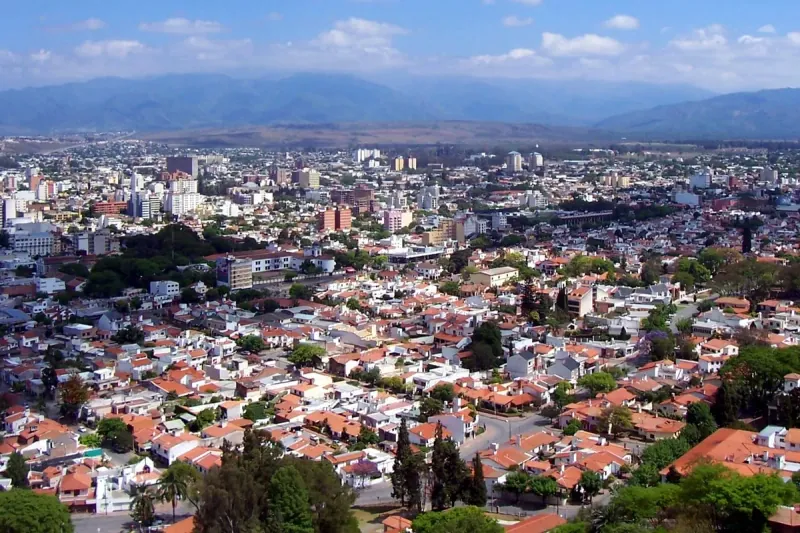
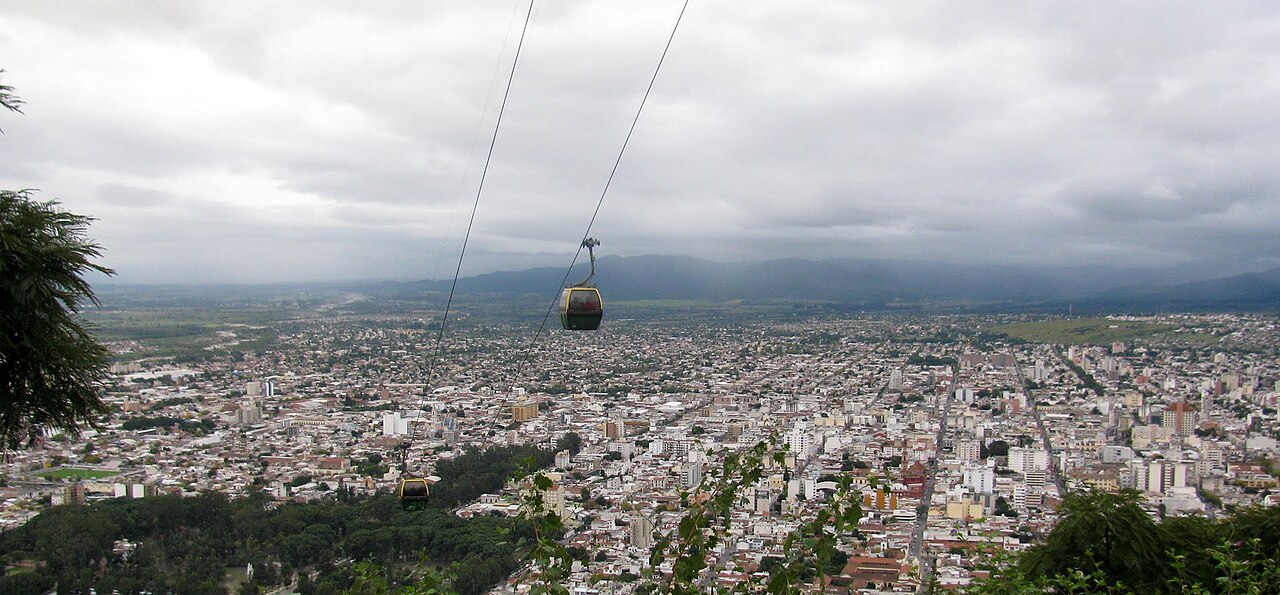
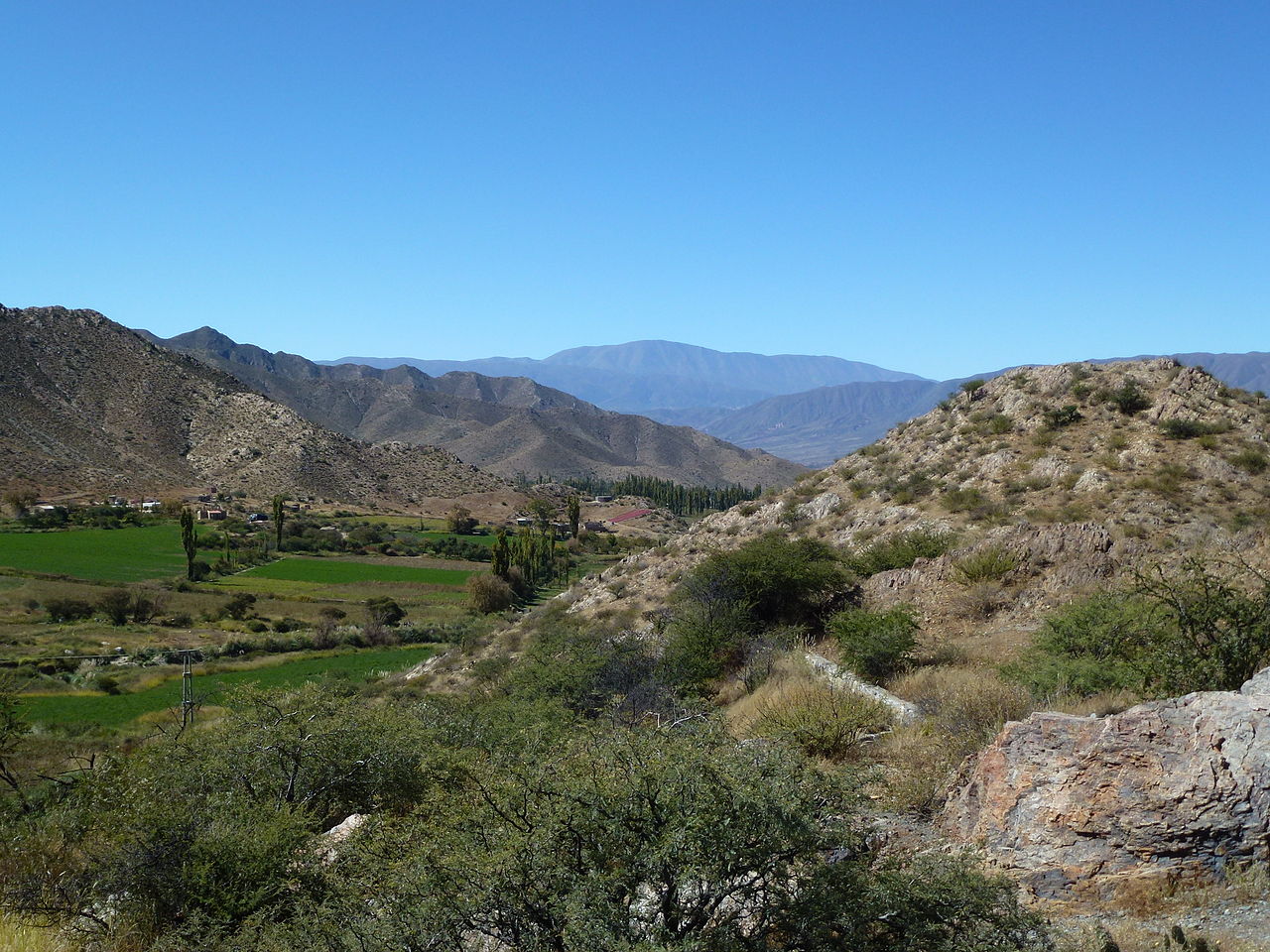
Salta is the most beautiful city in northern Argentina — that's what every traveler says. Colonial cobblestone streets with pastel facades, "peñas" (folkloric dinner clubs with live music), and the San Bernardo hill that you ride up by cable car for a 360° view of the Lerma Valley from 1,454 m / 4,770 ft. But Salta isn't just the capital. It's the gateway to Argentina's Northwest (NOA): from here you reach Cafayate (high-altitude Torrontés vineyards at 1,700 m), the UNESCO Quebrada de Humahuaca (multicolored mountains in Jujuy), the Salinas Grandes salt flats (3,450 m of endless white), and Cachi (the most photogenic Andean village in the country).
What makes Salta special is that it's authentic: not packaged for tourists. Food comes out of clay ovens — empanadas salteñas with broth inside, locro, tamales tied with corn husks — paired with wines that grow where vines shouldn't. Andean culture lives alongside Spanish colonial heritage in a way Buenos Aires can't match. With 3 days you can do Salta capital + Cafayate. With 7, add Quebrada de Humahuaca + Salinas Grandes. With 10, cross to San Pedro de Atacama (Chile) or Uyuni (Bolivia). Best cost-experience ratio in Argentina.
Top attractions in Salta and the NOA
Real traveler data: Civitatis, GetYourGuide, verified reviews — April 2026.
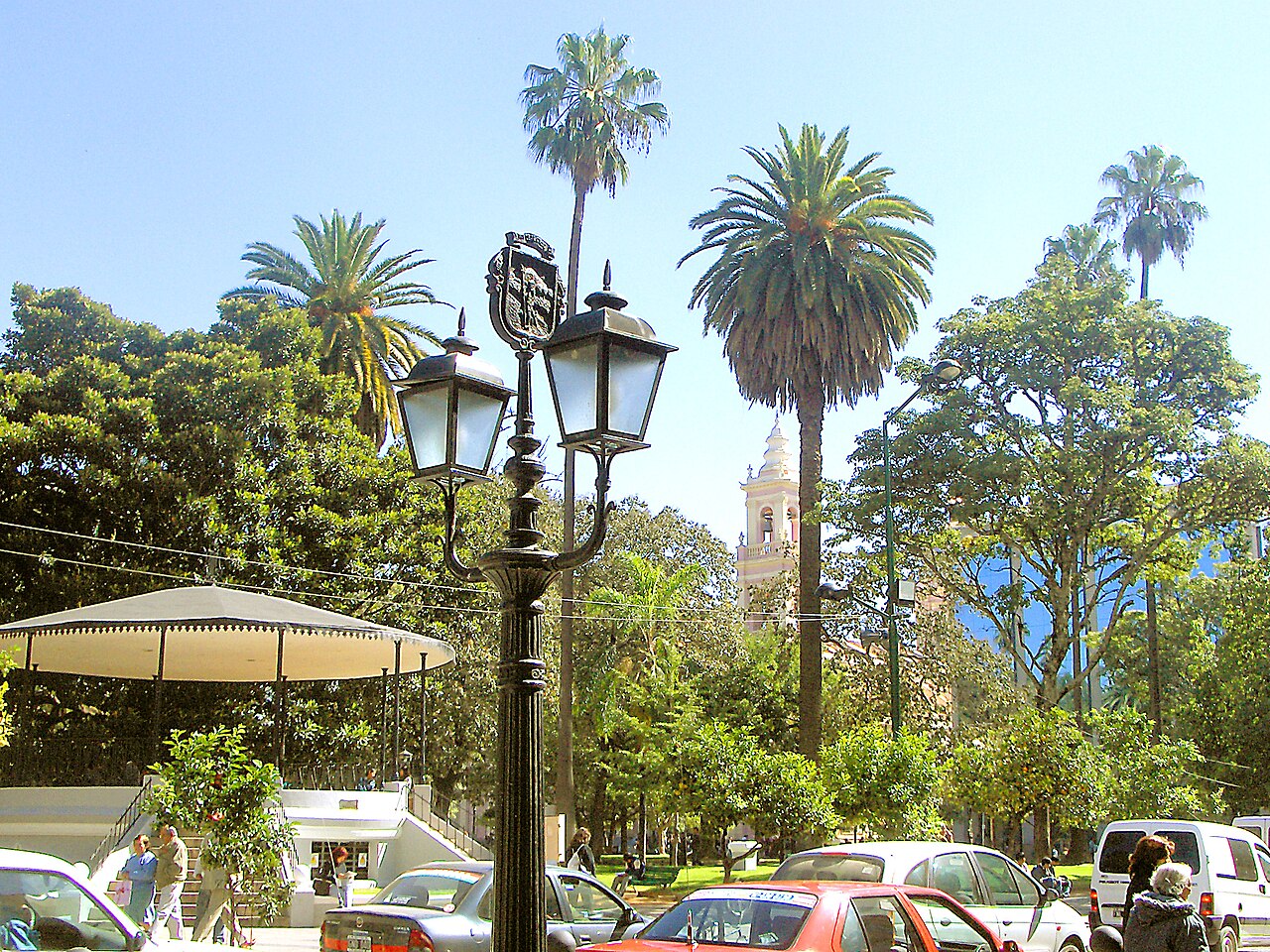
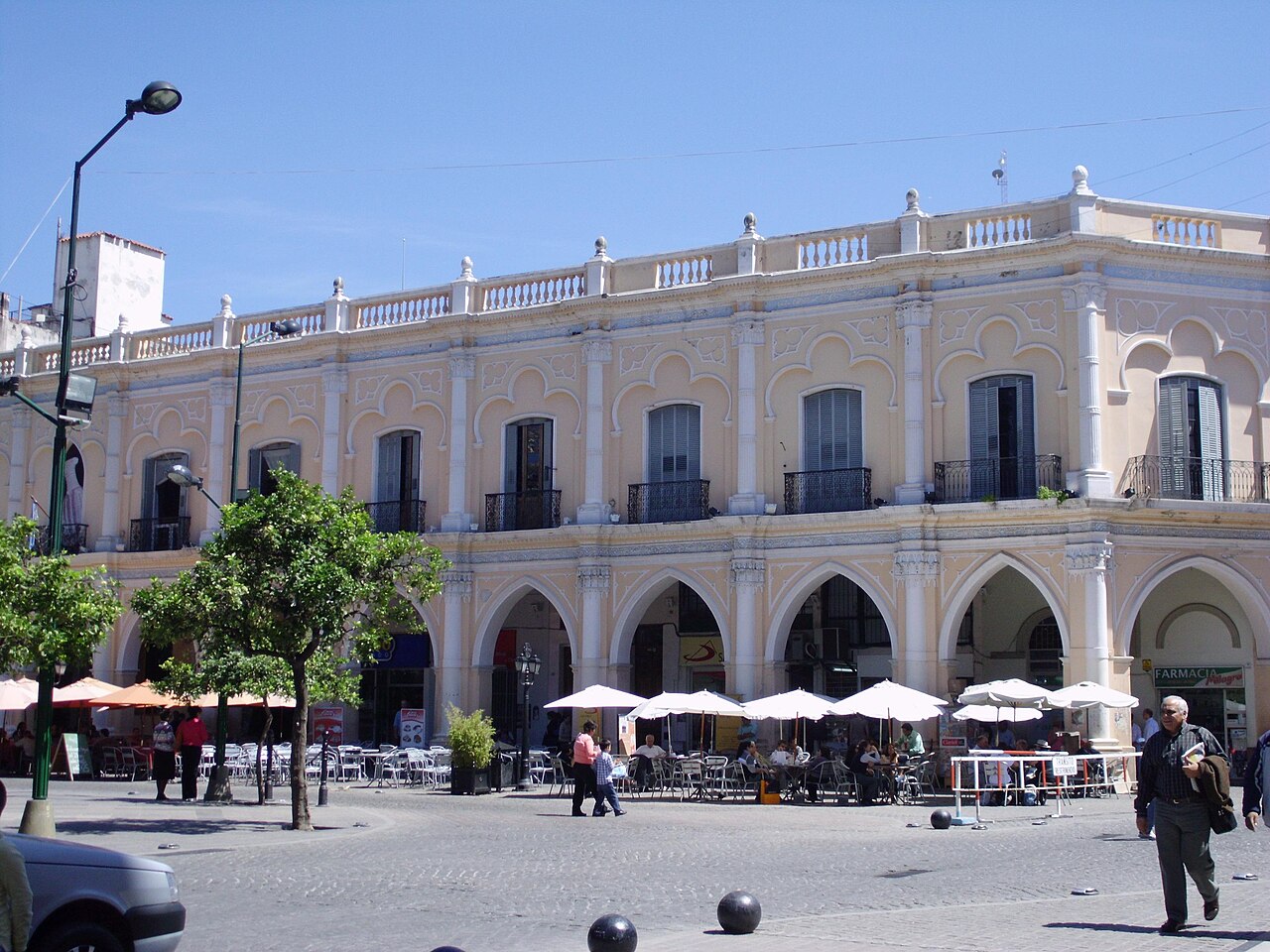
The best-preserved colonial heart in northern Argentina. Catedral Basílica, Cabildo (museum), Iglesia San Francisco with its 54 m bell tower. 2-3 hour walking tour. Golden hour lights the facades pink and ochre — perfect for photos.
Houses the Children of Llullaillaco — three Inca mummies found at 6,739 m, the highest ritual offering ever discovered. One is displayed at a time in a controlled chamber. One of the most fascinating museums in Argentina.
1,454 m above Salta, 360° view of the Lerma Valley. 8-minute ride up, gardens and panoramic deck at the top. Alternative: 1,070 steps via the staircase. Over 400,000 ascents per year.
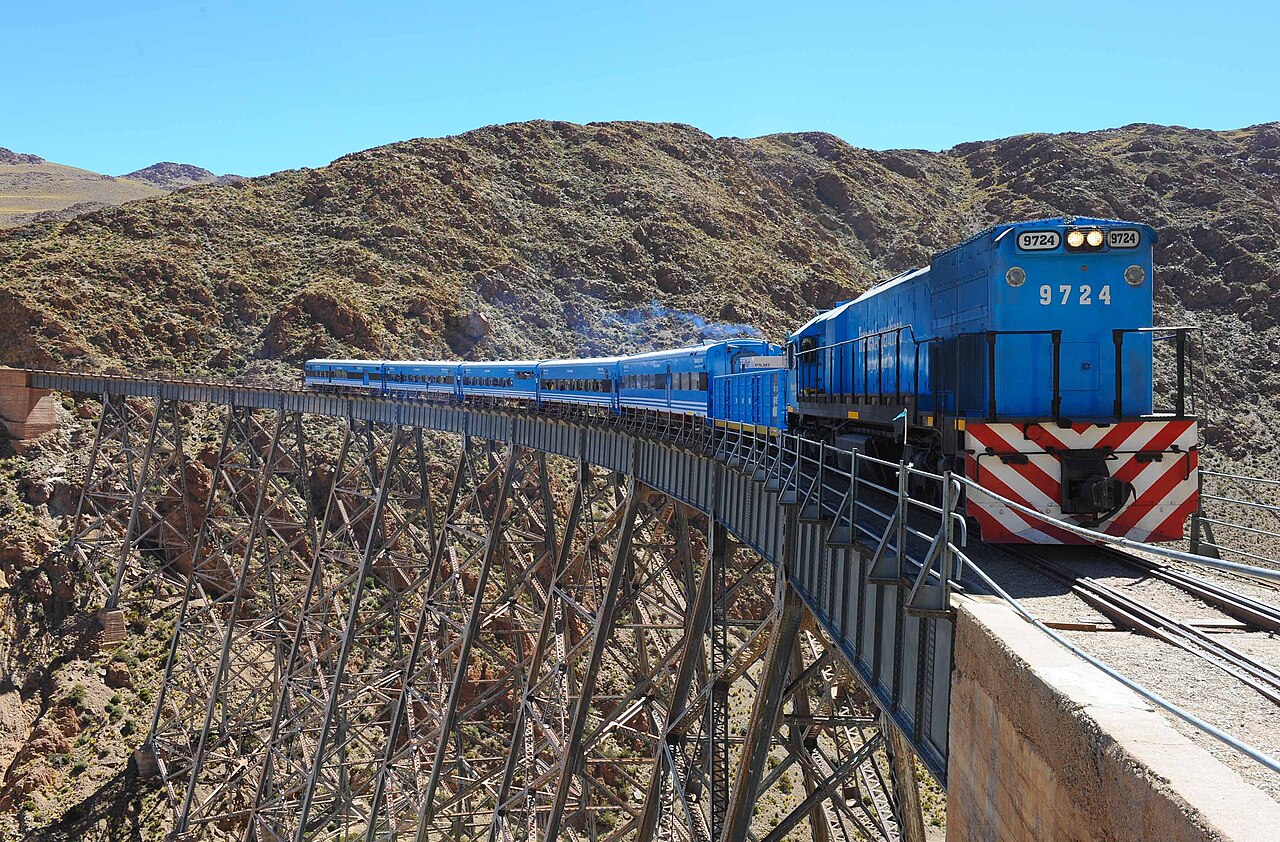
One of the highest railways in the world. 21 km from San Antonio de los Cobres to the La Polvorilla Viaduct at 4,220 m, crossing engineering bridges and zigzags. Operates April-November. Reservations mandatory.
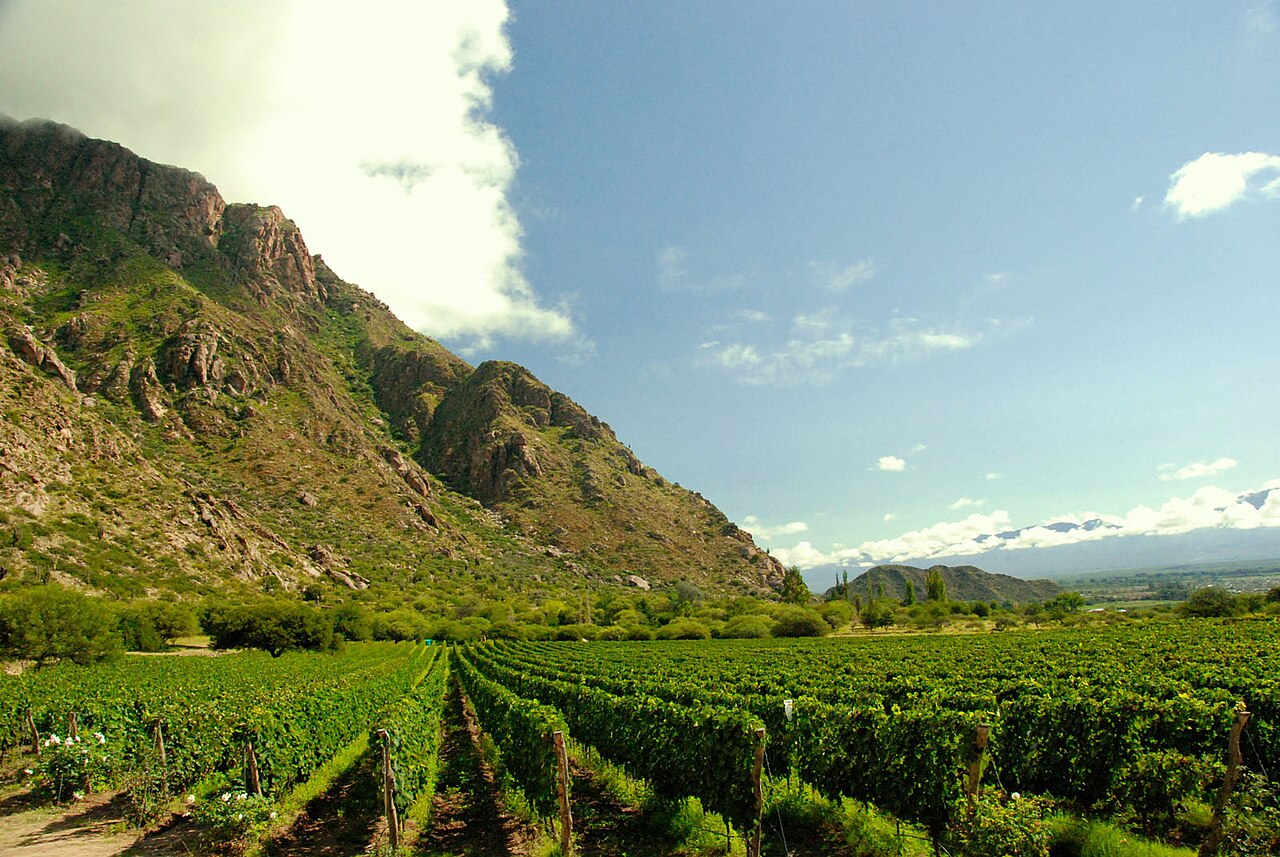
Capital of Argentina's Torrontés grape, 190 km from Salta on Route 68. High-altitude wineries (1,700 m), Quebrada de las Conchas with rock formations (Devil's Throat, Amphitheater), and wine ice cream. Perfect day trip.
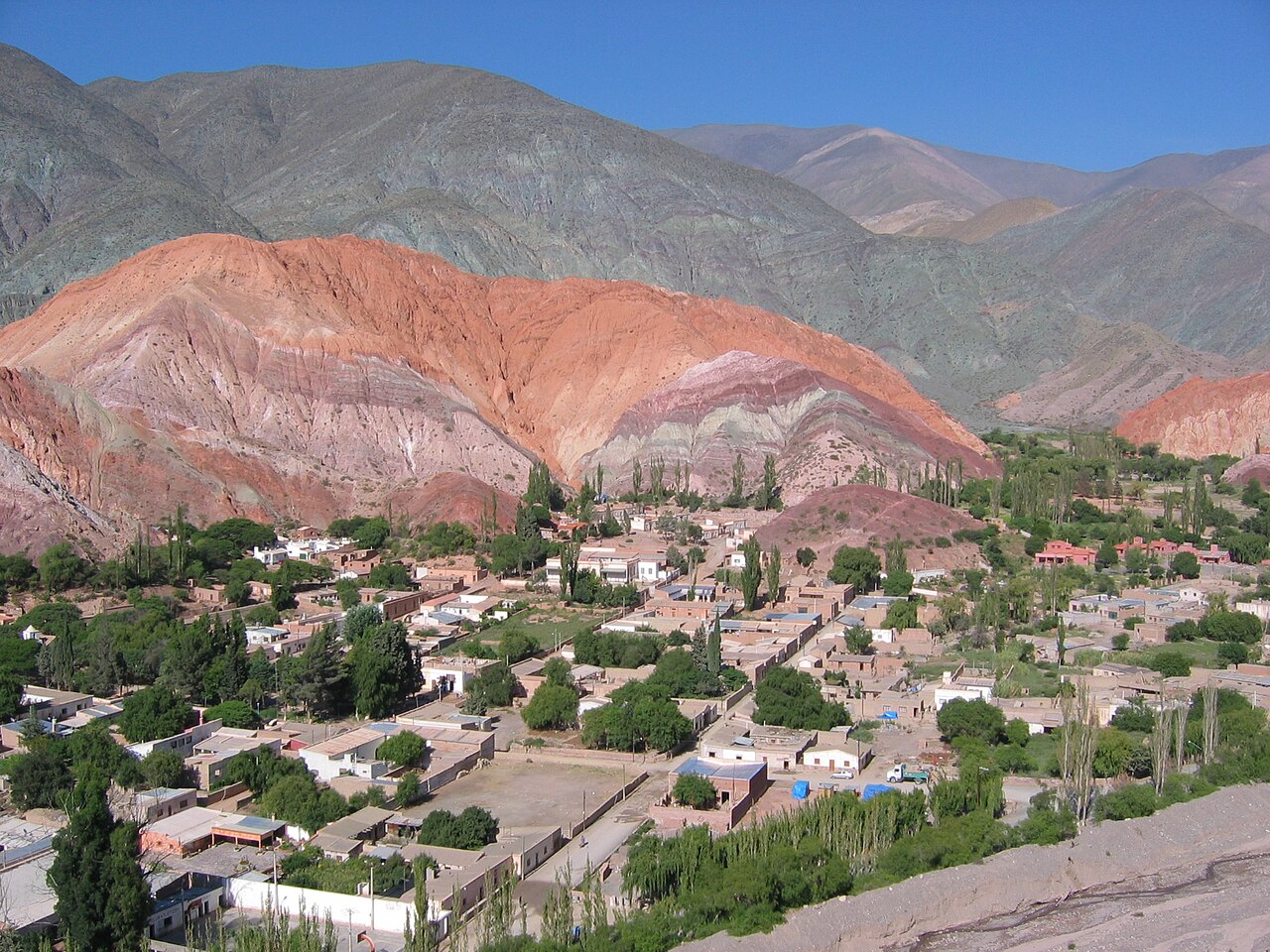
UNESCO World Heritage Site in Jujuy, 200 km from Salta. Purmamarca (Hill of 7 Colors), Tilcara (Pucará fortress), Humahuaca and the Hornocal (14 colors at 4,350 m). The multicolored cliffs photograph best at sunrise.
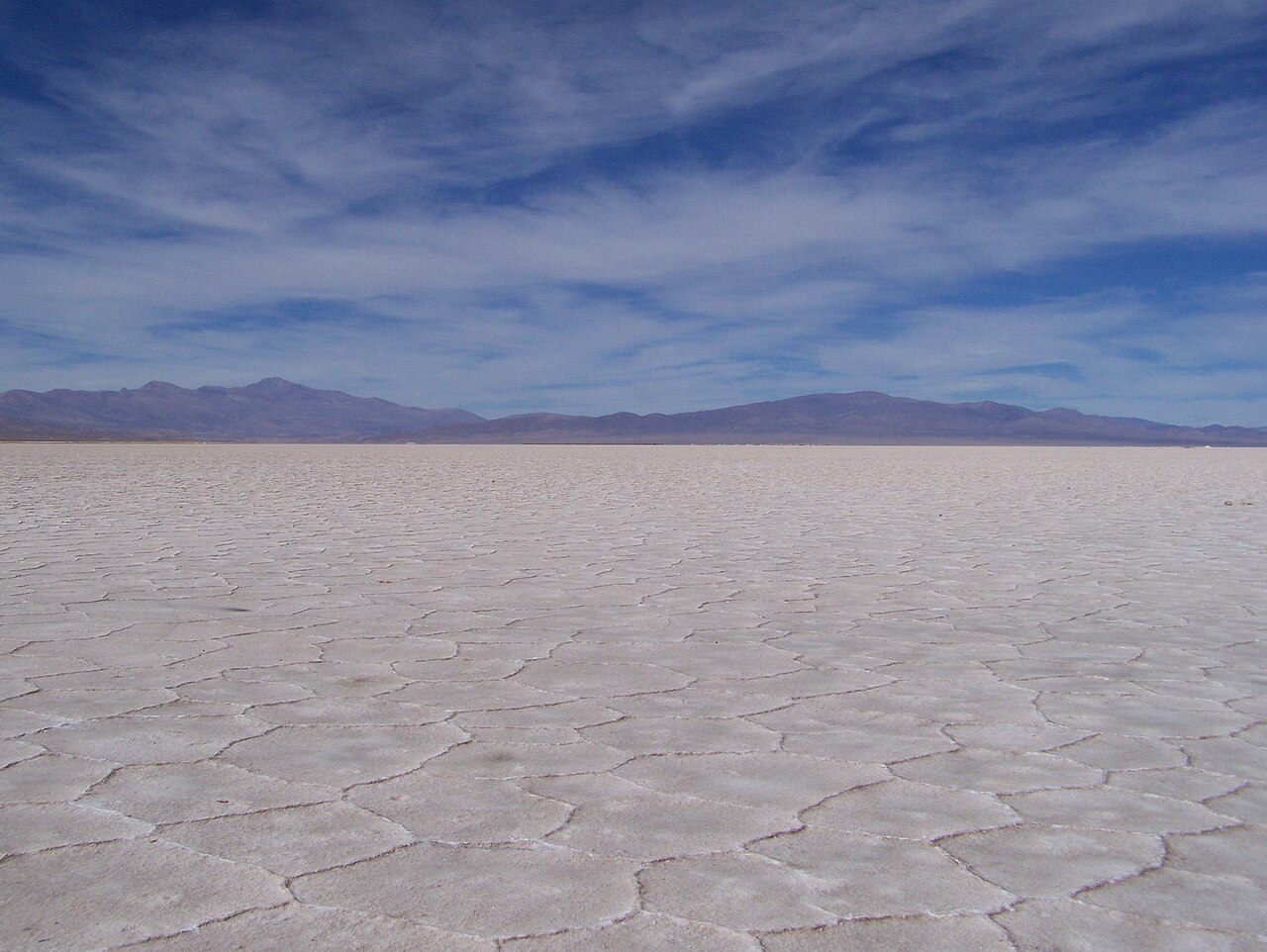
Salt desert at 3,450 m, shared with Jujuy. 212 km² of endless white reflecting the sky. Reached via Cuesta del Lipán (4,170 m pass, vicuñas, lunar landscape). Bring dark sunglasses — the glare is intense.
Andean village at 2,280 m, 165 km from Salta. Reached via the Bishop's Slope (3,348 m pass) and Los Cardones National Park. Plaza with 18th-century adobe church, archaeological museum, view of Nevado de Cachi (6,380 m).
Salta has a high-altitude subtropical climate: dry sunny winters (May-Sep, 0-22°C / 32-72°F, virtually no rain) and wet summers with afternoon thunderstorms (Dec-Mar, 16-28°C / 60-82°F). The dry season is best for almost everything: clear skies for photography, dirt roads in optimal condition (Cuesta del Obispo, Iruya, Salinas Grandes), and cold nights that justify a good Argentinian red. Summer brings storms that can close roads in the Quebrada del Toro or Cuesta del Obispo, but also the most spectacular green landscapes of the year.
Altitude changes everything: in Salta city (1,187 m / 3,894 ft) winter nights drop to 0°C, while at San Antonio de los Cobres (3,775 m) or Hornocal (4,350 m) it can freeze year-round. Pack layers. High season is July (Argentinian winter break) and Easter week — outside those, Salta is quiet.
Real routes built by locals — pick the one that fits your days.
3days
Salta capital + Cafayate
For travelers with limited time who want the essence: colonial city + wine route. Drive yourself or take a tour.
Highlights
Plaza 9 de Julio
MAAM
San Bernardo Hill
Quebrada de las Conchas
Torrontés wineries
Day by dayHide day by day
Day 1
Salta capital — colonial + culture
Arrival at SLA. Walk Plaza 9 de Julio and the historic center (Cathedral, Cabildo, San Francisco). Cable car to San Bernardo Hill at sunset. Dinner with peña folklórica on Balcarce street. Sleep in Salta capital.
Day 2
Route 68 to Cafayate
Early start. Quebrada de las Conchas: Devil's Throat, Amphitheater, El Sapo, Tres Cruces, Castillos (photo stops). Arrive Cafayate at midday. Lunch on the plaza, wine ice cream. Afternoon at a winery (Piattelli, El Esteco or Domingo Hermanos). Sleep Cafayate.
Day 3
Cafayate → Salta + departure
Morning at a winery or wine museum. Lunch and return to Salta on Route 68 (3h). Evening in Salta with asado or back to the hotel. Departure flight from SLA.
5days
NOA essentials
Combines the best of Salta + Jujuy in a working week. Adds Quebrada de Humahuaca and Hornocal to the 3-day base.
Highlights
Salta capital
Cafayate
Cachi
Quebrada de Humahuaca
Hornocal
Day by dayHide day by day
Day 1
Salta capital
Arrival. Historic center, MAAM, San Bernardo Hill. Dinner at a peña.
Day 2
Salta → Cachi via Cuesta del Obispo
Sunrise departure. Cuesta del Obispo (3,348 m), Valle Encantado, Los Cardones National Park, arrive Cachi at midday. Free afternoon in the village, archaeological museum. Sleep in Cachi.
Day 3
Cachi → Cafayate via Route 40
Villages of Molinos, Seclantás, Angastaco, San Carlos. Quebrada de las Flechas. Arrive Cafayate. Afternoon at wineries.
Day 4
Cafayate → Salta → Purmamarca
Morning in Cafayate, return via Route 68. Connection to Purmamarca (3h on Route 9). Hill of 7 Colors at sunset. Sleep in Purmamarca.
Day 5
Quebrada de Humahuaca + Hornocal + return
Tilcara (Pucará), Humahuaca, Hornocal (14 colors at 4,350 m). Return to Salta for flight. Total: 1,200 km / 745 mi.
7days
Full NOA circuit
The classic loop covering all the north: Salta + Cafayate + Cachi + Quebrada + Salinas Grandes + Iruya. Unhurried, sleeping at each destination.
Highlights
Train to the Clouds
Cafayate
Cachi
Iruya
Salinas Grandes
Hornocal
Tilcara
Day by dayHide day by day
Day 1
Salta capital
Arrival. Historic center + MAAM. Dinner at a peña.
Day 2
Train to the Clouds
Departure from Salta or San Antonio de los Cobres. Route at 4,220 m through the Quebrada del Toro and La Polvorilla Viaduct. Return to Salta at night.
Day 3
Salta → Cachi
Cuesta del Obispo, Los Cardones National Park, Cachi. Free afternoon.
Day 4
Cachi → Cafayate via Route 40
Molinos, Bodega Colomé and the Turrell Museum, Quebrada de las Flechas, Cafayate. Winery at sunset.
Day 5
Cafayate → Salinas Grandes → Purmamarca
Via Route 68 to Salta, connection to Cuesta del Lipán and Salinas Grandes (3,450 m). Descent to Purmamarca at sunset.
Day 6
Quebrada de Humahuaca + Hornocal
Tilcara, Humahuaca, Hornocal at sunrise (14 colors). Return to Tilcara or Purmamarca.
Day 7
Iruya and return to Salta
Isolated village at 2,780 m between mountains (4 hours from Humahuaca, dirt road). Return afternoon to Salta. Departure flight.
All destinations in Salta and Jujuy
Each destination has its own complete guide with practical info and bookable tours. From Salta capital you reach all of them:
Salta's cuisine is the best regional cooking in Argentina — every Buenos Aires resident who's been here will tell you. The empanada salteña is sacred: thin dough, knife-cut beef (not processed), potato, green onion and cumin. Served straight from the clay oven, with the "broth" inside that paints your fingers. Best ones are at Doña Salta, El Viejo Jack, or any roadside grill in Cerrillos.
Wine is the other pillar. Torrontés is the only truly Argentinian white grape, and Cafayate (at 1,700 m) produces the world's best. Top wineries: Colomé (the highest on the planet at 3,111 m, with the only James Turrell museum in Latin America), Piattelli Vineyards (gravity-flow winemaking, #1 restaurant in Cafayate on TripAdvisor), El Esteco (1892, Don David line, 5★ Patios de Cafayate hotel), and Domingo Hermanos. Try young Torrontés in Cafayate, high-altitude Malbec at El Esteco, Tannat at Piattelli. For local specialties: locro on national holidays (May 25, July 9), tamales wrapped in corn husks, humita in pot, and for dessert cayote with goat cheese. Reserve a peña table (La Casona del Molino, Balderrama, La Vieja Estación) for dinner with live folk music — it's the quintessential Salta experience.
Signature dishes
Empanada salteña
Knife-cut beef, potato, cumin, green onion. Clay oven baked. The best empanada in Argentina.
Locro
Hominy stew with beef, tripe and bacon. Ritual dish for May 25 and July 9 (national holidays).
Tamales
Corn dough with beef inside, tied in corn husks. Inca origin, 500+ years of tradition.
Humita en chala
Grated fresh corn with cheese, steamed in corn husks. Sweet or savory versions.
Roast goat (cabrito al horno)
Calchaquí Valley specialty. Marinated with mountain herbs, slow-roasted. Cachi and Cafayate are the base.
Torrontés wine
Aromatic white grape, capital Cafayate. Young, fresh, perfect with empanadas.
Food experiences
Salta gastronomic tour
Walk through San Miguel market, empanadas in a clay oven, regional grill, and a peña folklórica. 3 hours with a local guide.
Cooking class with a local chef: assembly, traditional repulgue (sealing), clay oven baking. Take the recipe home and eat your creation with Torrontés wine.
Salta has a cultural identity that doesn't repeat anywhere else in Argentina. It's the meeting point between Spanish colonial heritage (Salta was a major city of the Viceroyalty, an obligatory stop on the route from Upper Peru to Buenos Aires) and pre-Hispanic Andean culture (the Diaguita, Omaguaca and Atacameño peoples lived in these valleys for over 1,000 years before the conquest).
This blend shows up in the architecture — colonial churches with thatched roofs, baroque altarpieces painted by Indigenous artists (look for the Angels with Arquebuses of Uquía, unique in the world). It shows up in music — the zamba, chacarera and baguala, folk genres Salta exported to all of Argentina. And it shows up in the food: the empanada with knife-cut beef is colonial heritage; tamale and humita are Andean; locro is the fusion.
The peña folklórica is Salta's most distinctive cultural institution. They're restaurants/bars (Balderrama, La Casona del Molino, La Vieja Estación) where you eat dinner with live music: guitar, bombo drum, voices. There's no produced show — it's locals singing. Sometimes Cosquín-festival musicians improvise jam sessions. For the international visitor, this is the most authentic experience available.
The other identity landmark is the Cabildo of Salta (1582, today the History Museum of the North): from here Martín Miguel de Güemes and the Gauchos of Güemes defended the north from Royalist invasions while San Martín crossed the Andes to Chile. Without Salta, Argentine independence would have taken a different course. The San Francisco Church — the neoclassical temple with the red facade and 54-meter bell tower — is the most photographed monument in the city and a National Historic Monument.
Where to stay in Salta
Three options: Salta downtown (USD 60-200, walkable colonial heart, restaurants), Cafayate (boutique wineries, USD 80-300 with Patios de Cafayate 5★), Purmamarca/Tilcara (USD 70-200, sleep at the foot of the Hill of Seven Colors). For luxury: Casa Real Hotel (5★ downtown), House of Jasmines (Cerrillos relais), Patios de Cafayate.
Featured hotels: complete guide · Casa Real (5★ downtown), House of Jasmines (5★ relais), Patios de Cafayate (5★ wineries).
How to get to Salta
By air (fastest)
The Martín Miguel de Güemes Airport (SLA) is 9 km / 5.6 mi from the city center (15 min by taxi/Uber). Daily flights from:
Buenos Aires (AEP/EZE) — 2 h 20 min, from USD 70 one-way (Aerolíneas, Flybondi, JetSMART). 8 flights/day. Most international travelers connect here.
Madrid (MAD) via EZE — 12h Madrid-EZE on Iberia/Aerolíneas + 2h domestic. Total ~16h door-to-door.
Miami (MIA) via EZE — 9h Miami-EZE on American/Aerolíneas + 2h domestic.
Córdoba (COR) — 1 h 30 min, from USD 80 one-way. 1-2 flights/day.
São Paulo (GRU) — via Buenos Aires, 4h 30 total + layover.
By bus (cheaper)
Buenos Aires (Retiro) → Salta: 20-22 h, from USD 60. Andesmar, Flecha Bus, La Veloz del Norte. Suite cama recommended at this distance.
Córdoba → Salta: 11-13 h, from USD 30.
Tucumán → Salta: 4 h, from USD 12.
San Pedro de Atacama (Chile) → Salta: 10-12 h via Paso de Jama, USD 50-80 with Pullman or Geminis.
By car
From Buenos Aires: 1,500 km on Route 9 (Rosario-Tucumán-Salta), 15-17 h total, 2 days recommended. Scenic alternative: descend via Route 40 from Cachi/Cafayate. Car rental in Salta: from USD 30/day. 4WD recommended for Cuesta del Obispo, Iruya or Puna excursions during rainy season (Dec-Mar).
Getting there — distances & times
From
Distance
Flight
Bus
Drive
Buenos Aires (EZE)
1500 km
2 h 20
20–22 h
15–17 h
New York (JFK)
9400 km
12 h + 2 h 20 layover
—
—
Madrid (MAD)
11300 km
14 h + 2 h 20 layover
—
—
São Paulo (GRU)
2800 km
4 h 30
—
—
Córdoba
890 km
1 h 30
11–13 h
9–10 h
Mendoza
1200 km
2 h
17–19 h
13–15 h
Typical prices by category
Category
Budget
Mid-range
Luxury
Hotel/night
USD 15–25
USD 50–90
USD 150–350
Food/day
USD 12–18
USD 25–40
USD 60–120
Day tour
USD 40–55
USD 60–90
USD 120–200
Car rental/day
USD 30–45
USD 50–70
USD 90–150
Approximate ranges in USD as of April 2026. May vary with Argentine peso exchange rate.
Frequently asked questions
The questions travelers ask us before they go.
How many days do I need for Salta?
Realistic minimum is 3 days: capital + Cafayate. With 5 days you add Cachi and Quebrada de Humahuaca. With 7 days you do the full NOA circuit (Train to the Clouds, Salinas Grandes, Iruya). With 10 days you can cross to Atacama (Chile) or Uyuni (Bolivia). Less than 2 days isn't worth the long-haul flight time — better to save Salta for a proper trip.
How much does a trip to Salta cost?
For 7 days (international traveler): USD 1,500-2,500 excluding intercontinental flight. Breakdown: round-trip BUE-SLA USD 140, mid-range hotel USD 60/night × 7 = USD 420, food USD 30/day × 7 = USD 210, tours USD 350-500, optional car rental USD 250, fuel and tolls USD 120. Backpacker version drops to USD 800-1,100. Luxury (5★ Casa Real, House of Jasmines): USD 3,500+.
When is the best time to visit?
From April through November (dry season). Sweet spot: September-October — mild weather (8-25°C / 46-77°F), clear skies, transitional spring landscapes, no July crowds. Avoid January-February unless you like green and don't mind afternoon thunderstorms. July is local high season (Argentinian winter break) — everything more expensive and booked.
Salta capital or Cafayate as a base?
Salta capital is the standard base — everything launches from here. If you have more than 5 days, consider sleeping 2 nights in Cafayate (saves the back-and-forth and you experience the village at night, which is when it's best). For Quebrada de Humahuaca, Tilcara or Purmamarca are better bases than San Salvador de Jujuy. For Cachi, sleep 1 night if you're driving.
Salta vs Jujuy: which one?
Both, ideally. Salta has the cultural and gastronomic capital + Cafayate (wine). Jujuy has the UNESCO Quebrada de Humahuaca + Salinas Grandes + Andean landscapes. Practical reality: most visitors use Salta as base (better airport, hotels, food) and do excursions to Jujuy. Jujuy alone falls short if you don't drive. Salta province is 4× the size of Jujuy and more diverse.
Is Salta safe to visit?
Yes, Salta is one of the safest tourist destinations in Argentina. The capital has lower crime rates than Buenos Aires or Rosario. Inland villages (Cafayate, Cachi, Purmamarca) are extremely quiet. Standard precautions: watch belongings at terminals and markets, avoid walking alone at night in distant neighborhoods, and on long drives carry water and fuel (distances are vast). Altitude does deserve attention: hydrate, avoid alcohol on the first day above 3,000 m.
Do I need a visa for Argentina?
US, UK, EU, Canada, Australia, New Zealand citizens: NO visa for tourist stays up to 90 days (visa-waiver agreement). Just a valid passport. Brazilians: same (Mercosur). Other passports: check with the Argentine embassy. Reciprocity fee: not applicable since 2017. Yellow fever vaccine: not required for Salta or southern Argentina, but recommended if you plan to visit Iguazú or Mesopotamian provinces.
How do I exchange money?
Argentina has dual exchange rates due to currency controls. The "Blue Dollar" rate is 50-100% better than the official rate. Best options: (1) Western Union (legal, near-blue rate, several pickups in Salta), (2) USD cash exchanged at casa de cambio on calle España, or (3) credit card with the "Tourist Dollar" rate (auto-applied since 2022, near-blue). Avoid official bank rate ATMs — you'll lose 30-50%. Always carry small USD bills.
Do I need 4WD to drive in Salta?
Not for the classic circuits: Cafayate via Route 68, Salta-Jujuy via Route 9, and the center of Cachi via Route 33 are paved and in good condition. 4WD is recommended for: Iruya (dirt road from Humahuaca, 4 h), Salinas Grandes during rainy season (Cuesta del Lipán can have mud), or deep Puna excursions. In winter (June-August), any compact car handles all the routes fine.
Do I need to book the Train to the Clouds in advance?
Yes, book at least 2 weeks ahead in season (July, Easter week, September-November). Operates April-November only. Carries over 150,000 passengers/year on a reduced rolling stock. Two options: full train from Salta (USD 250+) or just the San Antonio de los Cobres → La Polvorilla segment (USD 85, saves 6 hours of travel). The latter is what we recommend for most travelers.
Sources & methodology
Last updated:
How we built this guide
This guide is updated quarterly (last: April 2026). Prices are verified against Civitatis, GetYourGuide and Booking.com in Argentinian pesos at the MEP exchange rate, converted to USD. Distances and times come from Google Maps measured in daylight outside high season. Attraction selection is based on real traveler data (ratings, reviews, booking volume) cross-checked with local knowledge — Sebastián, the site author, is from Salta and runs the Hotel Alejandro I (5★ Affiliated by Meliá) at Balcarce 252.