UNESCO Jesuit colonial heritage, the Che Guevara childhood home, and the green sierras of central Argentina
Last updated: April 2026
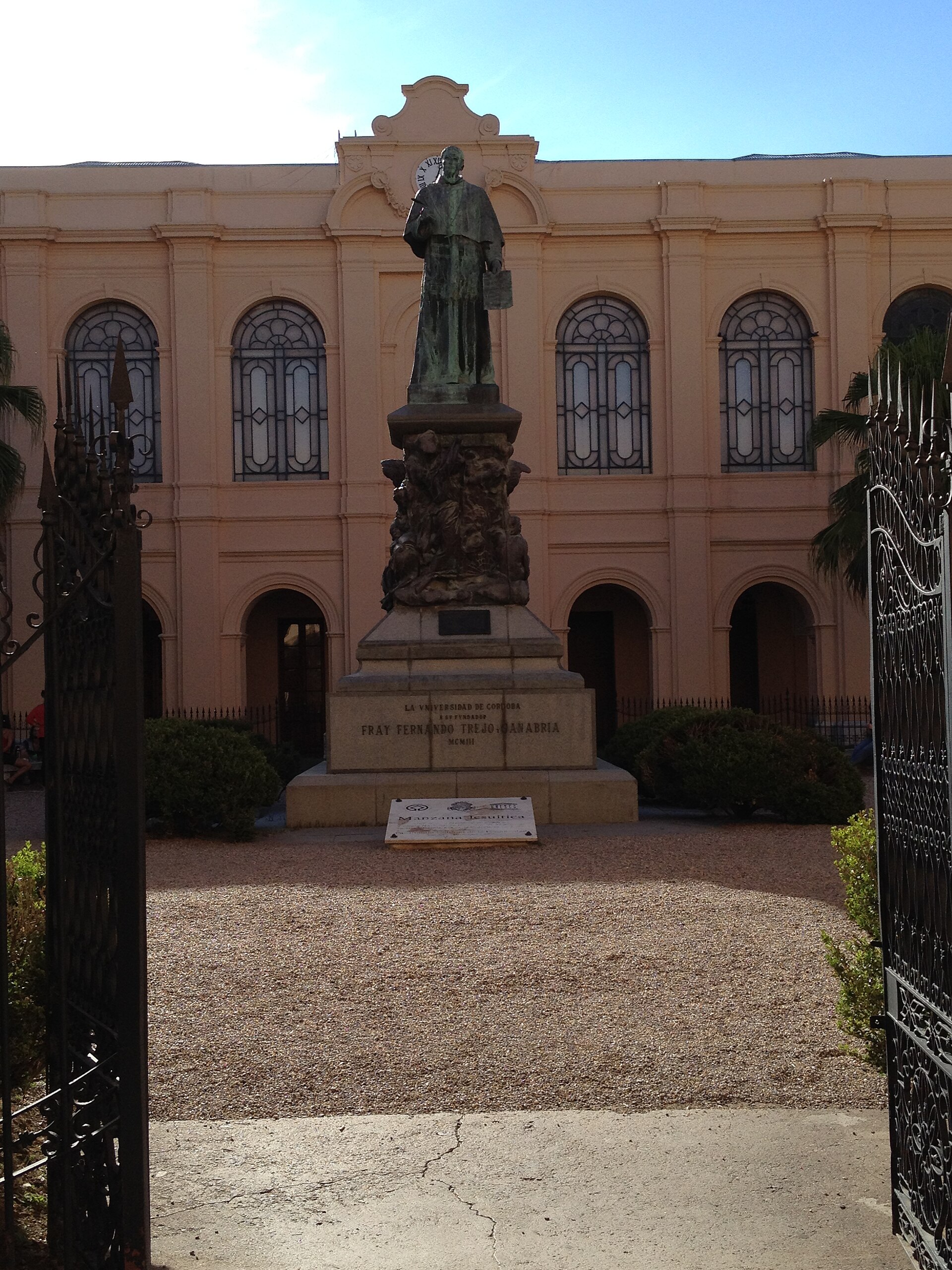
Córdoba is Argentina's intellectual heart and the country's best-kept mountain secret. Argentina's second-largest city (1.6 million) sits at the base of the Sierras de Córdoba — green-hilled ranges that rise out of the central pampas, dotted with German alpine villages, Jesuit colonial estates, river-canyon nature reserves, and the childhood home of Ernesto "Che" Guevara. The Universidad Nacional de Córdoba was founded in 1613 — twenty-three years before Harvard, four years before the Pilgrims landed at Plymouth — making it one of the oldest continuously operating universities in the Americas. The UNESCO-listed Jesuit Block (2000) at the city center preserves the original 1671 church, the 1687 Monserrat school, and a sandstone university quadrangle that still functions as the rectorate today.
Beyond the city, the province holds five Jesuit Estancias (also UNESCO 2000) and four mountain valleys with distinct identities: Punilla (Carlos Paz lakeside resort, the iconic Cosquín folk festival every January), Calamuchita (Villa General Belgrano — an Argentine-German Oktoberfest town founded by post-WWII immigrants — and the car-free pedestrian alpine village of La Cumbrecita), Traslasierra (the Mina Clavero river-pools and the dramatic Altas Cumbres mountain road at 6,500 ft), and Sierras Chicas (Alta Gracia, where the Casa-Museo Che Guevara preserves the house where Ernesto lived from age 4 to 13). Three to five days in Córdoba pairs perfectly with Buenos Aires (1h 15 flight) or Mendoza wine country (1h 10 flight) — it's the cultural-historical counterweight to Argentina's nature-and-tango itinerary.
Top attractions in Córdoba
Real traveler data: Civitatis, GetYourGuide, verified reviews — April 2026.
The colonial heart of Córdoba: the <strong>Iglesia de la Compañía de Jesús (1671)</strong> — one of the oldest churches in South America, with a vaulted ceiling carved from algarrobo and cedar wood — the <strong>Capilla Doméstica</strong> with its painted-leather ceiling (a unique colonial technique), the original 1613 Universidad Nacional de Córdoba quadrangle, and the 1687 Monserrat secondary school. Listed UNESCO 2000. 2-hour guided tour USD 25 — essential context for understanding the Jesuit experiment in South America.
22 mi / 36 km south of Córdoba. Pueblo with the <strong>Estancia Jesuítica de Alta Gracia (UNESCO, 1643)</strong> and — its biggest international draw — the <strong>Casa-Museo Ernesto Che Guevara</strong>, the house where Ernesto Guevara lived from age 4 to 13 (his family moved here for the dry mountain air to treat his asthma). The museum preserves original family rooms, photographs, his bicycle, school papers, and the formative landscape that shaped the boy who would later traverse Latin America. Half-day visit. USD 12 entry to the Che museum, USD 8 to the estancia.
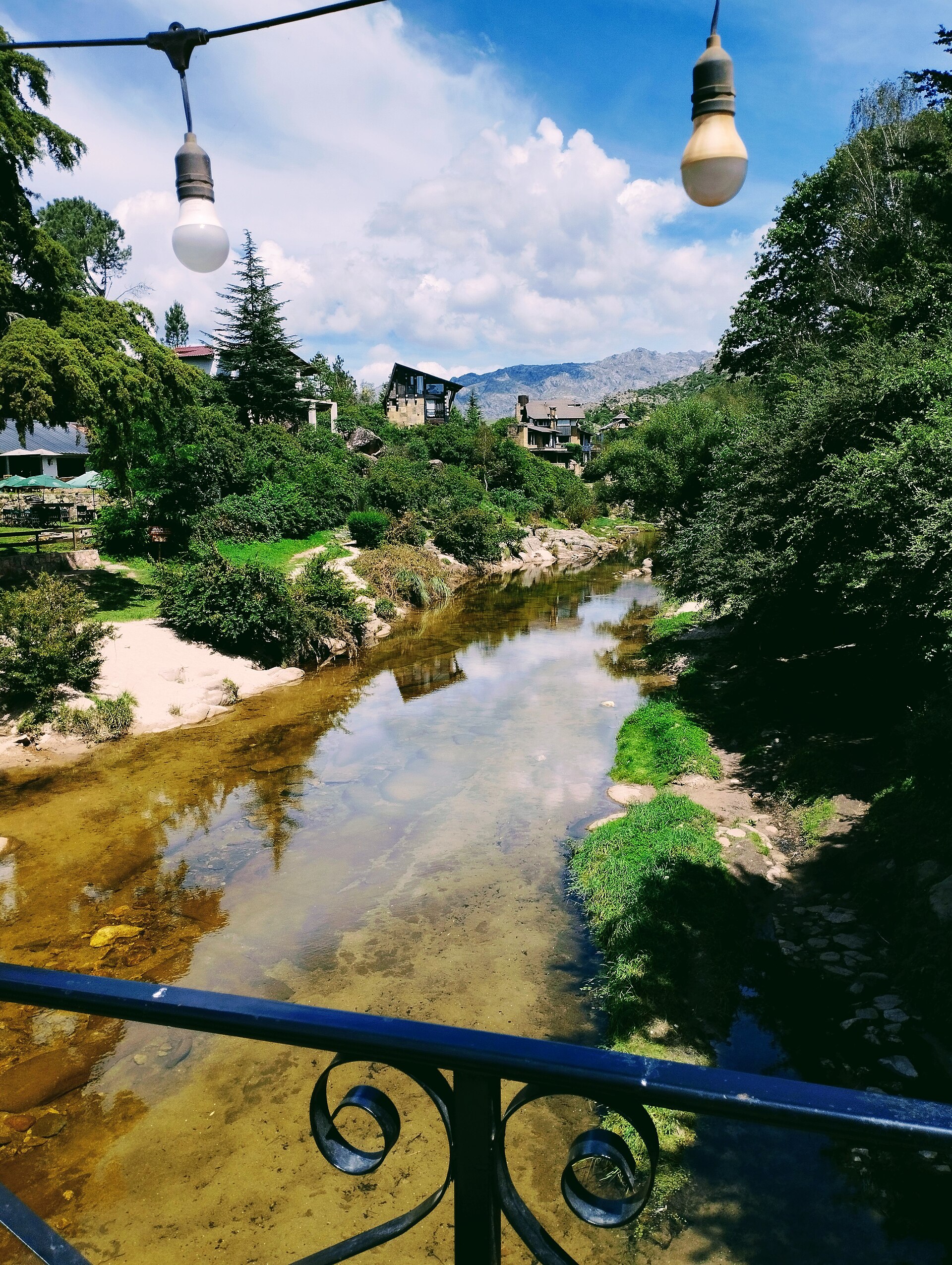
73 mi / 117 km south of Córdoba in the Calamuchita Valley. Founded 1934 by Swiss-German immigrants, La Cumbrecita is <strong>completely car-free</strong> — you park at the entrance and walk the entire pine-forested town. 700 residents, river-pool swimming holes, craft breweries, German-style bakeries, hiking trails to Cerro La Cumbrecita. The closest you get in Argentina to the Bavarian Alps in spirit and architecture. Stay 1-2 nights to feel it. Worth the drive — the road in is itself scenic.
22 mi / 35 km from the city: the gateway to the sierras. <strong>Villa Carlos Paz</strong> (90,000 residents) sits on Lake San Roque with a giant cuckoo clock as its civic symbol, summer theater, and family-friendly resort vibe. Drive the Camino del Cuadrado, the rest of Punilla — La Cumbre paragliding, Capilla del Monte (UFO town with Cerro Uritorco summit), and on to Cosquín, host of Argentina's biggest folk festival every January. Day trip or use as base.
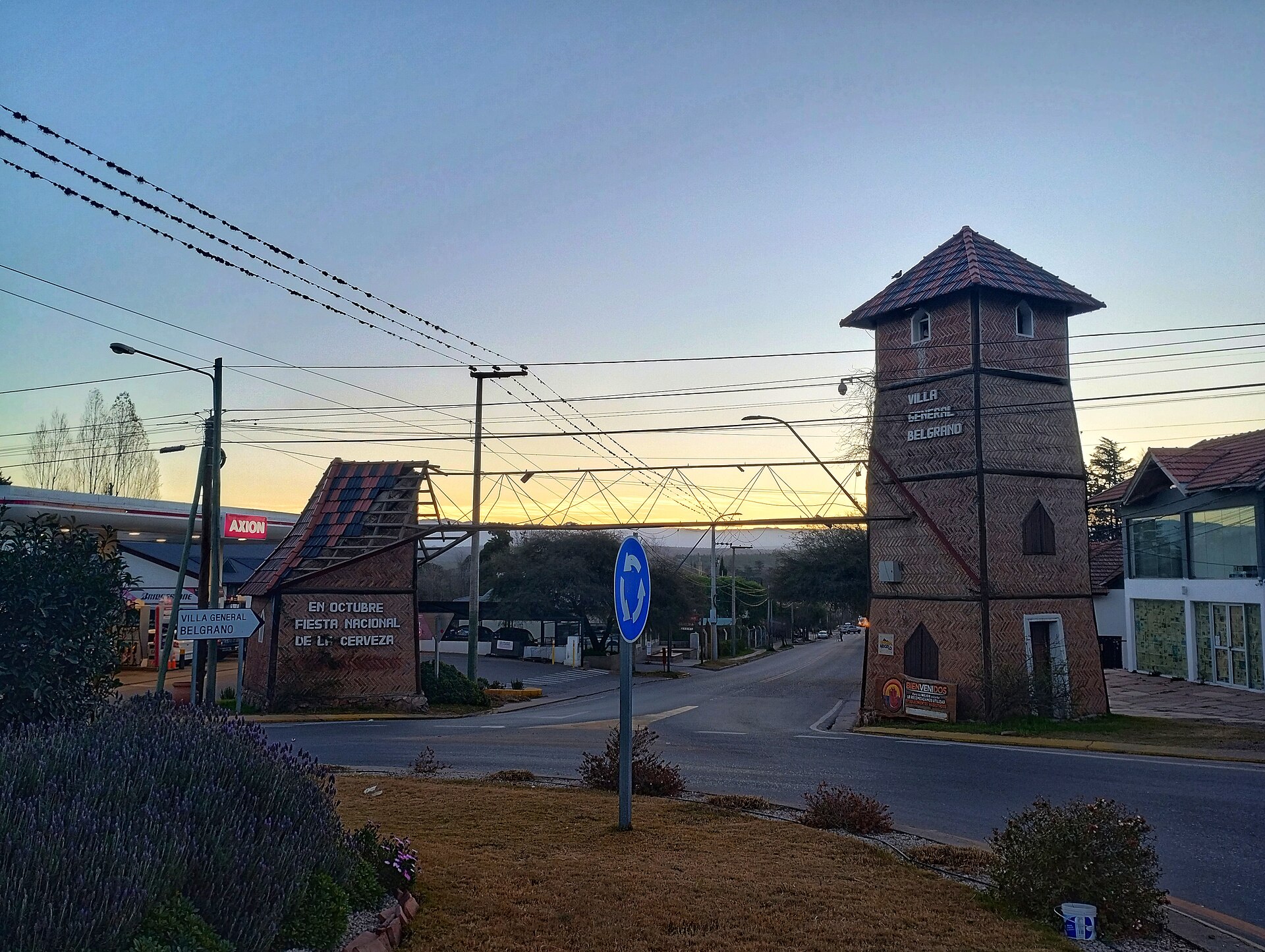
56 mi / 90 km south of Córdoba. Founded 1932 by German-speaking immigrants (and reinforced post-WWII), this is the home of Argentina's <strong>Fiesta Nacional de la Cerveza</strong> — a 12-day October Oktoberfest drawing 600,000 visitors. Outside that window: chocolate shops, alpine architecture along Calle Julio Roca, smoked sausage at every corner, craft breweries (Cervecería Argentina, Saint Belgrano), the July chocolate festival with its giant edible chocolate sculpture. A visit feels like stepping into a Bavarian village translated into Argentine Spanish.
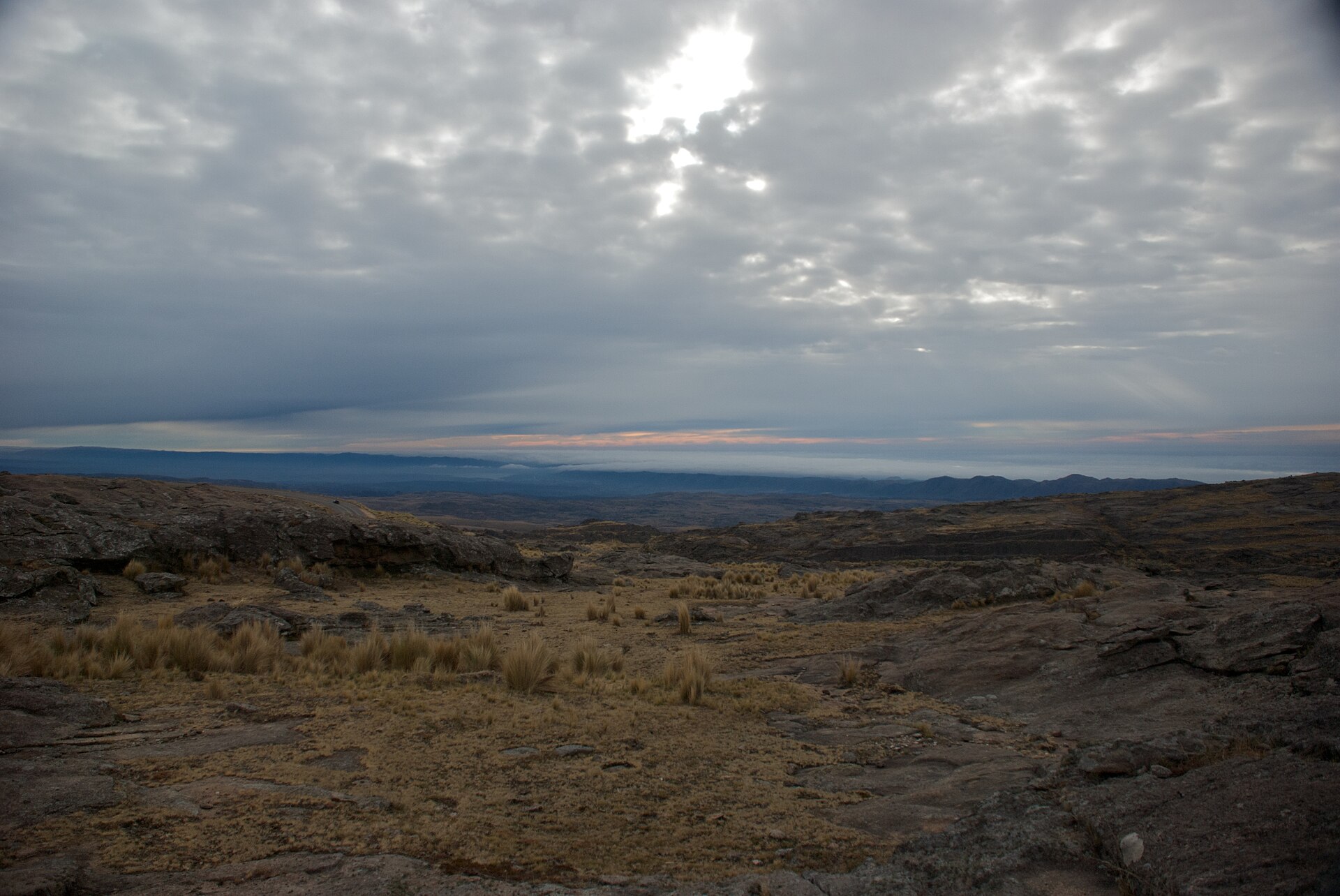
109 mi / 175 km west of Córdoba. The drive itself is half the experience: the <strong>Camino de las Altas Cumbres</strong> climbs to 6,500 ft / 2,000 m through the Sierras Grandes, with hairpin turns and condor sightings. Mina Clavero is Argentina's most beloved sierra river resort — crystal-clear pools cut into rock, kid-friendly natural slides. Nearby: Nono, the basilica of Cura Brochero (Argentina's 2016-canonized peasant saint). Best done as 2-day add-on to a Córdoba trip.
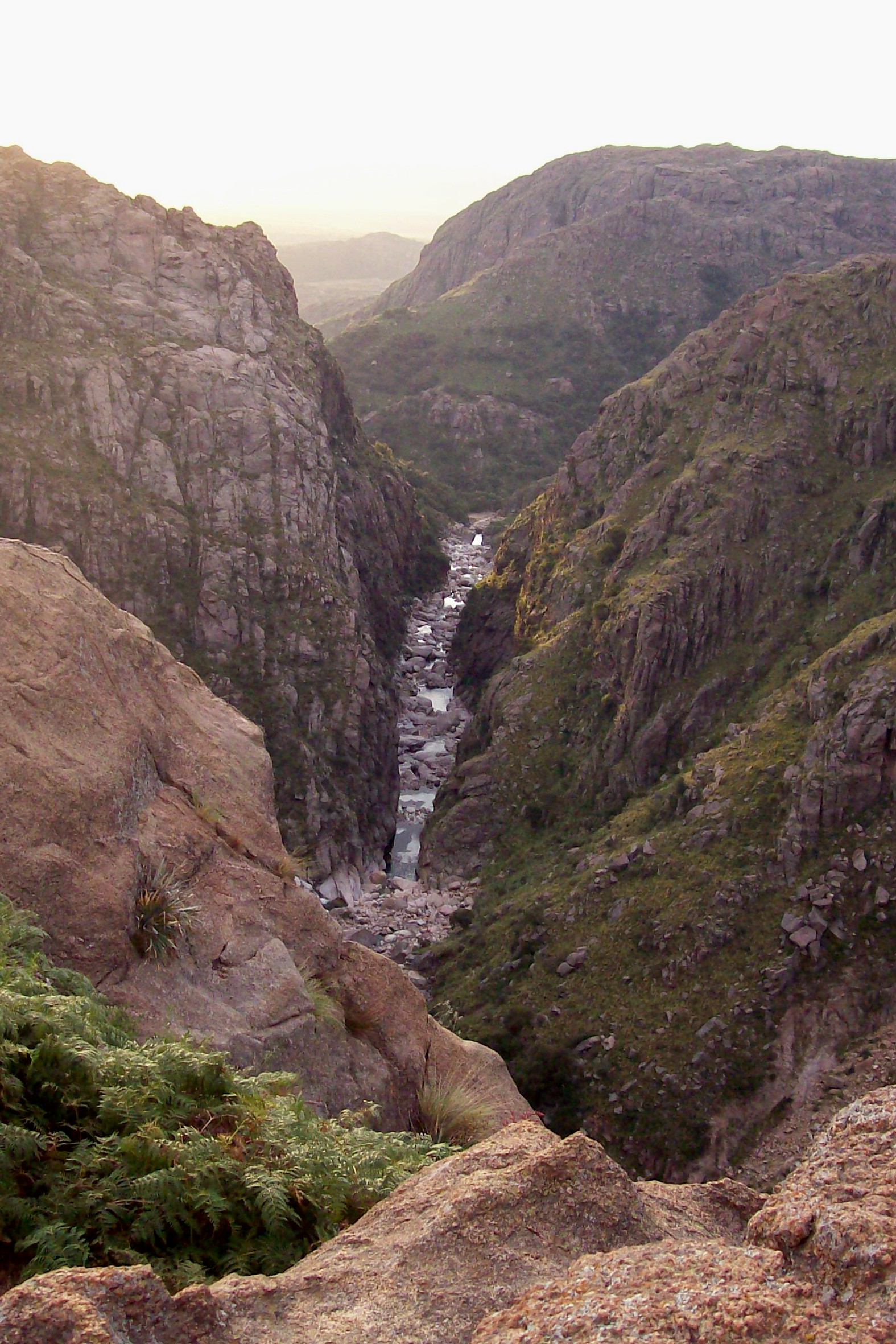
37 mi / 60 km west of Córdoba. A 38,000-acre / 15,400-ha reserve in the Sierras Grandes built around an 800 m / 2,600 ft canyon. <strong>Best place in Argentina to see Andean condors</strong> (Vultur gryphus, 10.5 ft / 3.2 m wingspan) — 100-150 individuals live in the canyon and you watch them ride thermals at eye level. The Balcón Norte trail is a 4-hour round-trip moderate hike to a clifftop overlook. USD 8 entry. Bring binoculars and patience: 30-60 min for the first sighting, then several at once.
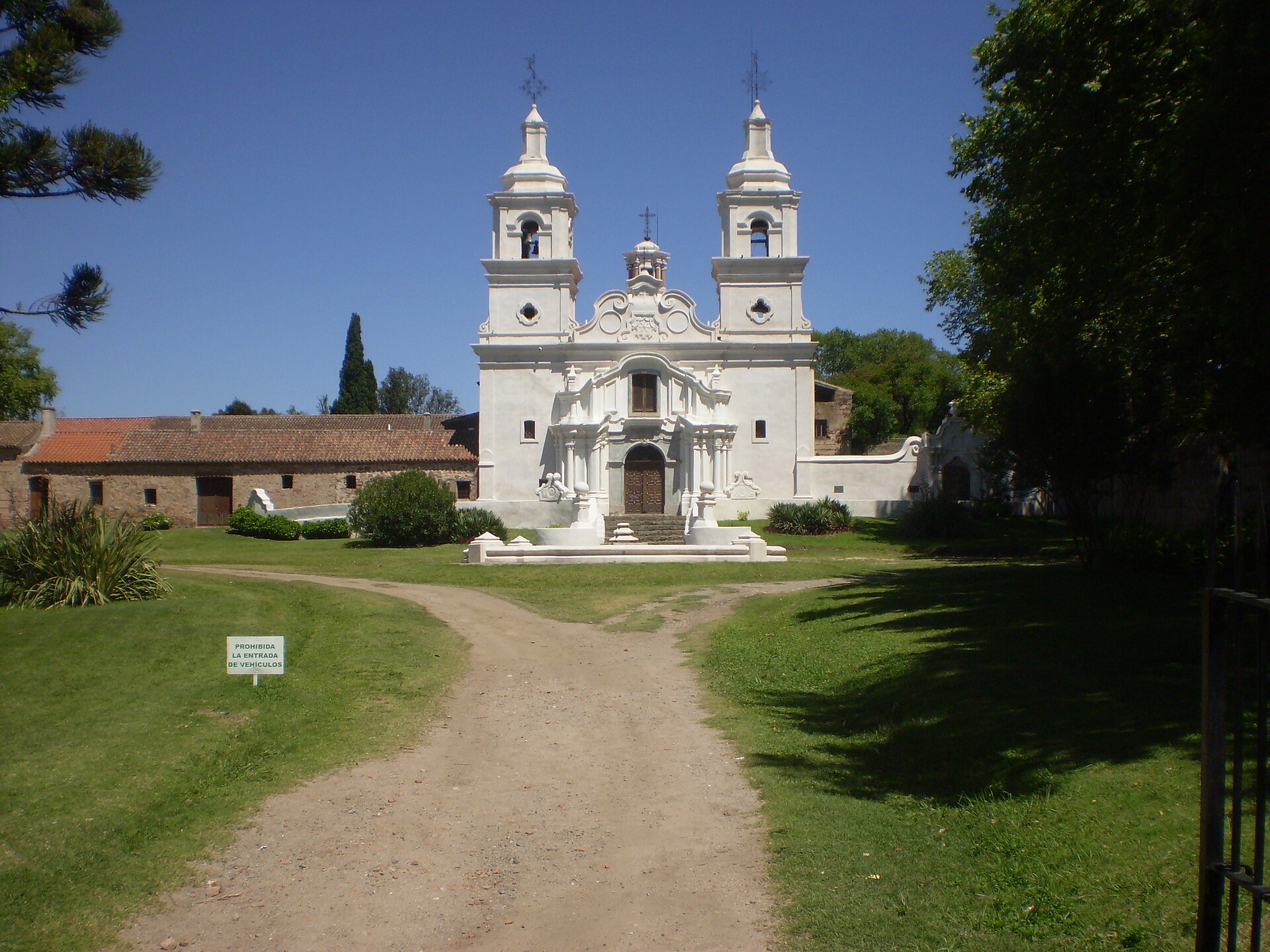
Five 17th-century rural estates run by the Jesuits as a self-sufficient economic system that financed the university — all UNESCO 2000: <strong>Caroya</strong> (1616, museum, oldest), <strong>Jesús María</strong> (1618, museum + January Festival of Doma y Folklore), <strong>Santa Catalina</strong> (1622, the most architecturally striking, baroque church standing nearly intact), <strong>Alta Gracia</strong> (1643, paired with the Che house), <strong>La Candelaria</strong> (1683, deep in the Sierras Grandes). Themed tour USD 95: Córdoba → Caroya → Jesús María → Santa Catalina with lunch.
Córdoba has a temperate sierra climate with four distinct seasons: warm summer (Dec-Feb, 64-88°F / 18-31°C, afternoon thunderstorms, mountain rivers full and great for swimming), golden fall (Mar-May, 54-77°F / 12-25°C, dry, harvest light), cold sunny winter (Jun-Aug, 39-64°F / 4-18°C, occasional snow in the high sierras), flowering spring (Sep-Nov, 48-79°F / 9-26°C, sierras explode with native bloom). The mountains run 5°C / 9°F cooler than the city — essential context if you're planning summer.
Altitude matters here: the city sits at 1,180 ft / 360 m, La Cumbrecita at 4,750 ft / 1,450 m, Quebrada del Condorito National Park at 7,550 ft / 2,300 m. In summer the city peaks at 95°F / 35°C — escaping to the sierras isn't optional if you stay more than a week. Winter days in the city are pleasant (mid-50s°F / 15°C) but in the high sierras above 4,900 ft expect frost and the rare snowfall. Best windows for sierra trekking: September-November (native flora bloom, full rivers, ideal hiking weather) and March-May (golden fall, post-summer crowds).
Córdoba: Jesuit Block, Alta Gracia, La Cumbrecita and Quebrada del Condorito
Suggested itineraries
Real routes built by locals — pick the one that fits your days.
3days
Córdoba essentials
City + Alta Gracia + one valley. The express version, ideal as a 3-day add-on between Buenos Aires and Mendoza.
Highlights
Jesuit Block UNESCO
Che Guevara House Museum
Carlos Paz or La Cumbrecita
Cabrito asado dinner
Day by dayHide day by day
Day 1
City and the Jesuit Block
Morning: guided UNESCO Jesuit Block tour (UNC, Compañía church, Capilla Doméstica). Lunch at Patio Olmos or Mercado Norte. Afternoon: Plaza San Martín, Cathedral, Cabildo. Evening: Güemes neighborhood for craft beer and a fernet con coca (the local ritual).
Day 2
Alta Gracia + Che Guevara museum
Full day, 22 mi south. Morning: Casa-Museo Ernesto Che Guevara + Manuel de Falla composer's house. Lunch on Plaza Belgrano. Afternoon: Estancia Jesuítica de Alta Gracia. Back to Córdoba evening.
Day 3
Sierras: Carlos Paz or La Cumbrecita
Option A (easy, Carlos Paz, 22 mi): lake views, lunch waterside, return afternoon. Option B (immersive, La Cumbrecita, 73 mi): full day, park outside the village, walk in, lunch at a German bakery, hike to the cerro overlook. Late return or fly out.
5days
Córdoba complete with Calamuchita Valley
Adds Villa General Belgrano (Oktoberfest if October), an overnight in pedestrian La Cumbrecita, and condor-watching at Quebrada del Condorito. The right length for first-timers.
Highlights
Jesuit Block
Alta Gracia + Che
La Cumbrecita 2 nights
Villa General Belgrano
Quebrada del Condorito
Day by dayHide day by day
Day 1
City capital
UNESCO Jesuit Block + Plaza San Martín + Cabildo + Mercado Norte. Dinner Güemes or Nueva Córdoba.
Day 2
Alta Gracia + Quebrada del Condorito
Morning: Alta Gracia (Che house + estancia). Afternoon: continue 37 mi west to Quebrada del Condorito National Park, Balcón Norte trail (4h round-trip), condor watching. Stay overnight near the park or back to Córdoba.
Day 3
Villa General Belgrano
German-Argentine village. Morning: stroll Calle Julio Roca, chocolate shops, alpine architecture. Lunch: smoked sausage + sauerkraut + craft beer. If October: Oktoberfest all day. Evening: drive 14 mi to La Cumbrecita.
Day 4
La Cumbrecita overnight
Park outside the pedestrian village. Hike to Cerro La Cumbrecita (2h round-trip), swim in river pools, Bavarian-style dinner. Slow pace — the whole point.
Day 5
Yacanto + Villa Berna scenic drive back
Easy morning. Drive back via Yacanto and Villa Berna (more pedestrian villages), lunch in Tanti. Late afternoon return to Córdoba airport for flight out.
7days
Córdoba grand tour with Traslasierra and the 5 Estancias
The full circuit: city + 4 valleys + all 5 UNESCO Jesuit Estancias. For travelers wanting to know the whole province.
North loop, 31 mi: Caroya museum, Jesús María (museum + church). January-only: the Festival de Doma y Folklore.
Day 3
Estancia Santa Catalina + Sierras Chicas
43 mi north. The most architecturally impressive estancia, baroque church mostly intact. Lunch in La Calera. Afternoon: Sierras Chicas drive (Río Ceballos, La Calera).
Day 4
Alta Gracia + Quebrada del Condorito
South. Casa Che + estancia. Continue to the canyon for condor watching. Stay near the park.
Day 5
Altas Cumbres scenic drive → Mina Clavero
109 mi west, dramatic scenic drive over the Sierras Grandes at 6,500 ft. Afternoon free in Mina Clavero, swim in natural rock pools.
Day 6
Cura Brochero + Nono
Morning: basilica of Cura Brochero (Argentina's 2016-canonized saint). Lunch in Mina Clavero. Afternoon: pueblo of Nono, valley pace.
Day 7
Return Córdoba via Capilla del Monte
Drive via Camino del Cuadrado, stop at Capilla del Monte and Cerro Uritorco (UFO-town curiosity). Evening flight out.
All Córdoba destinations
The province of Córdoba splits into 4 main valleys plus the city and the rural Estancias. Each destination has its own complete guide:
City and Sierras Chicas
Córdoba City — Jesuit Block, Plaza San Martín, Cabildo, Mercado Norte.
Alta Gracia — Casa-Museo Che Guevara + Jesuit Estancia.
Jesús María — Jesuit Estancia + Festival Doma y Folklore (January).
Colonia Caroya — Estancia + Italian heritage, DOP-protected salami.
Santa Catalina — The most architecturally impressive Jesuit Estancia, UNESCO.
Punilla Valley — Carlos Paz, Cosquín, Capilla del Monte
Córdoba's kitchen runs on three pillars: cabrito asado (slow-roasted kid goat on an iron cross — the sierra specialty of Traslasierra and Punilla), locro (a thick corn-and-meat stew, Argentina's national dish for May 25 and July 9), and fernet con coca — a bittersweet aperitif of Italian fernet (Branca brand) mixed with Coca-Cola, invented in Córdoba in the 1980s and now drunk nationwide. Córdoba consumes about 30% of the world's fernet; the formula here is sacred.
Cabrito a la cruz is the centerpiece sierra dish: a half-kid goat slow-cooked 4-5 hours over wood embers on an iron cross (cruz). Best in Traslasierra and Calamuchita estancias. Sweet potato, oven-roasted tomato, and house red wine on the side. Empanadas árabes (Syrian-Lebanese sfijas) are Córdoba's urban specialty — open triangular pastries with seasoned beef, onion, parsley, lemon. The salame de Colonia Caroya (Italian-immigrant heritage zone in the north) carries Argentina's only DOP / protected origin designation for cured sausage. Fernet con coca ratio: 60 ml fernet + 240 ml Coca-Cola, plenty of ice, served in a plastic cup (yes, plastic — it's tradition).
Signature dishes
Cabrito a la cruz
Half kid goat slow-cooked 4-5 hours on an iron cross over wood embers. The sierra signature. Order with sweet potato and a Malbec.
Locro cordobés
Thick stew of corn, beans, squash, beef and tripe. Argentina's patriotic dish for May 25 and July 9. Sierra variant adds offal.
Empanada árabe
Syrian-Lebanese sfija: thin pastry, open triangle, seasoned beef with onion, parsley, lemon. Córdoba's urban classic.
Salame de Colonia Caroya
Italian-style cured sausage from Caroya (Argentina's only DOP-designated cured meat). 30-60 day cure. Pair with fresh cheese and red wine.
Fernet con coca
The Argentine national aperitif, invented in 1980s Córdoba: Branca fernet + Coca-Cola, 1:4 ratio, plastic cup. Locals drink it nightly.
Alfajores cordobeses
Cornstarch cookies sandwiched with dulce de leche, dusted with powdered sugar. Different from the Mar del Plata version (lighter, more dulce). La Pucará brand is the local benchmark.
Food experiences
Cabrito asado dinner at a sierra estancia
Traditional 4-5 hour kid-goat roast at a Calamuchita or Traslasierra estancia. Multi-course meal: cabrito + salads + oven tomatoes + house red + sierra dessert. 3-4 hours including transfers.
Half-day in Colonia Caroya (Italian-immigrant village 31 mi north). Visit a working DOP-certified salami house, taste 5 varieties paired with regional wine. Lunch at a working farm. 3 hours.
German-Argentine beer culture deep dive. Two breweries (Cervecería Argentina, Saint Belgrano) with 6-beer flight, plus traditional German-Argentine plate (sausages + sauerkraut + spätzle + potato). 4 hours.
4-hour hands-on workshop in a Córdoba kitchen: shape your own beef and Syrian empanadas, cook a traditional locro from scratch, finish with a dulce de leche dessert. Dinner with Malbec. Recipes to take home.
The Learned City, the Jesuits, and Argentina\'s sierra culture
Córdoba's nickname "La Docta" ("The Learned One") comes from the Universidad Nacional de Córdoba, founded by the Jesuits in 1613 — the fourth-oldest university in the Americas (after Santo Domingo 1538, Mexico City 1551, and Lima 1551), and 23 years older than Harvard. The Jesuits ran it as their continental academic center until they were expelled from the Spanish Empire in 1767. The Manzana Jesuítica (Jesuit Block), listed UNESCO in 2000 alongside the five rural Jesuit Estancias, preserves the original 1671 Iglesia de la Compañía with its rare carved-wood barrel vault (built from algarrobo and cedar by Indigenous craftsmen using shipbuilding techniques), the painted-leather ceiling of the Capilla Doméstica, the original university quadrangle, and the 1687 Monserrat secondary school still in operation today.
The 20th century in Córdoba was marked by rebellion. The 1918 University Reform Manifesto — drafted by UNC students — established the principle of student-faculty co-governance and academic autonomy that spread across Latin American universities and influenced student movements globally. The 1969 Cordobazo (a violent worker-student uprising against the Onganía military dictatorship) marked the beginning of the end of that regime. And among the region's most famous sons: Ernesto "Che" Guevara moved to Alta Gracia at age 4 and lived there until 13 (his family relocated for the dry mountain air to treat his asthma). The boy who would later cross Latin America on a motorcycle and remake Cuba grew up climbing these sierras. His childhood home is now the Casa-Museo Ernesto Che Guevara — a quiet pilgrimage for many international visitors.
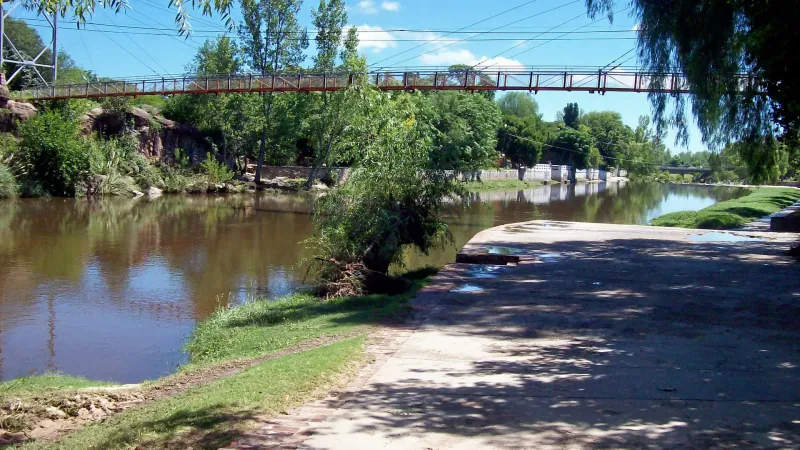
The sierra identity is the other pillar of Córdoba culture. The Sierras Grandes and Sierras Chicas are the first mountains north of the pampa, geologically ancient (Precambrian rock, 600 million years old), with deep granite canyons, native algarrobo and tabaquillo forests, and crystalline rivers. The Comechingones — the sedentary Indigenous people of the sierras — lived here in stone houses dug into hillsides before Spanish conquest. Their place names survive (Achiras, Calamuchita, Yacanto), as does the mystique around Cerro Uritorco (6,400 ft / 1,949 m) above Capilla del Monte, considered by enthusiasts a UFO hotspot since the 1980s — Argentina's answer to Sedona, with the same earnest believers.
Two festivals define the cultural year. The Festival Nacional de Folklore de Cosquín (Plaza Próspero Molina, 9 nights every January since 1961) is the most important folk-music event in Argentina — Mercedes Sosa, Atahualpa Yupanqui, the Chalchaleros, Soledad Pastorutti and Abel Pintos all built their national reputations on its stage. The Fiesta Nacional de la Cerveza (Argentine Oktoberfest) in Villa General Belgrano (12 days every October, 600,000 visitors) celebrates the German-Argentine immigration of the 1930s-40s — the village was founded in 1932 by survivors of the Graf Spee scuttling who chose to settle in Argentina, and reinforced by post-WWII arrivals. Beer parade, sausages, sauerkraut, oompah bands, and the regional dialect that mixes German and Spanish in surprising ways.
Where to stay in Córdoba
Three options depending on your trip style: City center / Nueva Córdoba (3-4★ hotels USD 60-150, ideal for Jesuit Block + cultural touring), Sierras Chicas (Alta Gracia, La Falda — boutique hotels USD 80-180), Calamuchita or Traslasierra (La Cumbrecita or Mina Clavero — boutique USD 70-200, the immersive sierra option). Luxury: Estancia La Paz in Sierras Chicas (5★, USD 400+), Sheraton Córdoba (USD 200+).
Featured hotels: complete guide · Estancia La Paz (5★ Sierras Chicas), Sheraton Córdoba (5★ city), Hotel Edén La Falda (historic Punilla).
How to get to Córdoba
By plane
Ingeniero Aeronáutico Ambrosio L.V. Taravella International Airport (COR) sits 7.5 mi / 12 km from downtown — 15 min by Uber/taxi (USD 12). Daily direct flights:
Buenos Aires (AEP/EZE) → COR: 1h 15m, USD 80-180 one-way. Aerolíneas Argentinas, Flybondi, JetSMART. 10+ daily flights from AEP (the in-city domestic airport).
Mendoza → COR: 1h 10m, USD 90-180 one-way. Useful for the wine + cultural combo.
Iguazu (IGR) → COR: 1h 30m, USD 110-200. Less frequent.
Santiago de Chile (SCL) → COR: 1h 30m, USD 130+ (LATAM, JetSMART).
São Paulo (GRU) → COR: 3h, USD 250+ (LATAM seasonal direct).
From the US: no direct flights. Miami → BA (9h on AA) or Atlanta → BA (10h on Delta), then domestic to COR. Total 12-15h.
From the UK/EU: London/Madrid → BA via Madrid or São Paulo (15-18h), then 1h 15m domestic.
By long-distance bus
Buenos Aires (Retiro) → Córdoba: 10-11 hours, USD 35-65. Andesmar, El Cóndor, Chevallier. Cama-suite class includes meal and reclining seat.
Mendoza → Córdoba: 10 hours, USD 30-55.
Rosario → Córdoba: 5 hours, USD 20.
Salta → Córdoba: 11 hours, USD 50.
By car
From Buenos Aires via Route 9: 435 mi / 700 km, 8h. Excellent toll highway as far as Rosario, then divided road with traffic. From Mendoza via Routes 7 + 38: 415 mi / 670 km, 7-8h, scenic crossing through San Luis. Renting a car in Córdoba: USD 40-60/day — strongly recommended for sierra circuits. You don't need a 4x4; all sierra roads are paved.
Getting around the province
For sierras: rented car is ideal. Buses also work: Carlos Paz every 30 min (USD 3, 1h), La Cumbrecita 2-3 buses/day (USD 12, 3h), Villa General Belgrano frequent (USD 8, 2h), Mina Clavero daily (USD 15, 4h). Without a car, expect to follow schedules and miss off-route gems. Tip: stay in Nueva Córdoba or downtown for the city portion (walking distance to the Jesuit Block, Mercado, restaurants), then pick up a car at the airport to head to the sierras.
Getting there — distances & times
From
Distance
Flight
Bus
Drive
New York (JFK)
8500 km
11 h via Buenos Aires
—
—
Miami (MIA)
7100 km
9 h via Buenos Aires
—
—
Madrid (MAD)
10000 km
13 h via Madrid + AR domestic
—
—
Buenos Aires (EZE)
700 km
1 h 15
10 h
8 h
Mendoza
670 km
1 h 10
9 h
7 h
Iguazu (IGR)
1100 km
1 h 30
—
—
Frequently asked questions
The questions travelers ask us before they go.
Is Córdoba worth visiting?
Yes — especially if you want a side of Argentina that isn't Buenos Aires or Patagonia. Strengths: UNESCO Jesuit colonial heritage (the most coherent in South America), the Che Guevara childhood home, sierra mountain villages without the crowds of Bariloche, and Argentina's most distinctive regional cuisine (cabrito + fernet). Weaknesses: less spectacular than Iguazu or Patagonia for first-time visitors with limited time, and the city itself is more functional than charming. Best as a 3-5 day add-on between Buenos Aires and Mendoza, or for travelers on their second or third Argentine trip.
Córdoba vs Buenos Aires — which should I prioritize?
If you only have 7-10 days in Argentina, do Buenos Aires (3-4 days) for the urban-tango-steakhouse Argentina, then your nature pick (Iguazu, Mendoza, or Patagonia). Córdoba is a "second trip" or "longer trip" destination. If you have 14+ days, slot Córdoba between Buenos Aires and Mendoza (1h 15 flight from each) for 4-5 days — you'll get the colonial-Jesuit and sierra side that BA can't offer. Córdoba is also Argentina's cheapest tourist region: hotel and food costs run 30-40% below BA.
How many days do I need for Córdoba?
3 days: city + Alta Gracia + one valley (Carlos Paz or La Cumbrecita day trip). 5 days: add Villa General Belgrano + La Cumbrecita overnight + Quebrada del Condorito condor watching. 7 days: cover all 4 valleys + all 5 UNESCO Jesuit Estancias + Traslasierra. If you're doing a quick Argentina trip and only have 2 days for Córdoba, do city + Alta Gracia and skip the sierras.
How much does a Córdoba trip cost?
For 5 days: USD 700-1,300 excluding international flights. Round-trip BA-COR USD 160, hotel 3-4★ USD 60/night × 5 = USD 300, food USD 25/day × 5 = USD 125, car rental USD 200, tours and entries USD 200, fuel USD 80. Luxury at Estancia La Paz (Sierras Chicas) or Sheraton Córdoba: USD 2,500-4,000. Córdoba is the most affordable major tourist region in Argentina — hotel and food prices in the sierras run noticeably below Buenos Aires.
When is the best time to visit Córdoba?
April-May (golden fall + ideal weather + low crowds + harvest season) or September-November (sierra spring + native flora bloom + full rivers). For Cosquín Festival of Folklore: late January (9 nights, peak crowds). For Oktoberfest in Villa General Belgrano: October. For the rare sierra snowfall: July-August. Avoid January — extreme heat in the city (95°F+ / 35°C+), peak crowds in the sierras, summer pricing.
How do I visit the Che Guevara museum?
The Casa-Museo Ernesto Che Guevara in Alta Gracia (22 mi / 36 km south of Córdoba, 40 min by car) is the original house where Ernesto Guevara lived from age 4 to 13. Open Tue-Sun 9am-7pm, USD 12 entry. Modest but well-curated: original family rooms, photographs, his school papers, his bicycle. Combine with the Jesuit Estancia of Alta Gracia (5 min walk away, UNESCO 2000) and the Manuel de Falla museum (Spanish composer who lived here 1939-1946). Allow half a day. Free guided tours at the Che museum every 2 hours.
Are the Sierras de Córdoba like the Andes?
No — they're much older, much smaller, and very different in character. The Sierras Grandes top out at 9,150 ft / 2,790 m (Cerro Champaquí) — comparable to the Adirondacks or the higher Appalachians, not the Andes. Geologically they're Precambrian (600 million years old) vs the young Andes (uplifted in the last 80 million years). What they offer: green hill country, granite canyons, river-pool swimming holes, native forests of algarrobo and tabaquillo, and accessible day-hiking with no altitude issues. Think "Argentine Cotswolds with condors" rather than alpine drama.
Will I see condors at Quebrada del Condorito?
Almost certainly yes. It's the most reliable site in Argentina to see the Andean condor (Vultur gryphus, 10.5 ft / 3.2 m wingspan) — better than any other national park including those in Patagonia. 100-150 individuals nest in the canyon. Best window: 10am-2pm when thermals lift them along the canyon walls at eye level. Best lookout: Balcón Norte (4-hour round-trip moderate hike, last km is steep). Patience required — typically 30-60 min before the first sighting, then several at once. Bring binoculars.
Is Córdoba safe for tourists?
Yes in tourist zones. The city has safe areas (downtown, Güemes, Nueva Córdoba) and zones to skip (Barrio Müller, Villa La Tela). Crime is property theft, not violence. The sierras are very safe — small towns, low crime, you can leave a car at trailheads. Standard precautions: don't flash phones on city buses, use Uber after dark, don't walk with valuables in unfamiliar neighborhoods. Carlos Paz in summer high season has more pickpockets due to crowds. The province as a whole is safer than Buenos Aires province.
Can I do a day trip to Córdoba from Buenos Aires?
Technically yes (1h 15 flight each way), but you'd burn 4 hours on travel and only have ~6 useful hours on the ground — enough for either the Jesuit Block + lunch, or Alta Gracia + Che house, but not both. Minimum recommendation: 2 nights / 3 days to do justice to even the city. If you only have a day, your time is better spent in Buenos Aires itself (Recoleta, Palermo, La Boca). Córdoba rewards travelers who give it space.
Sources & methodology
Last updated:
How we built this guide
This guide updates quarterly (last: April 2026). Prices verified against Civitatis, GetYourGuide, Booking.com converted to USD at the MEP rate. Distances and times measured on Google Maps in daytime, off-peak. Attraction selection based on real visitor data (Civitatis 2,840+ reviews on the Jesuit Block, GetYourGuide 1,540+ on Alta Gracia and 1,280+ on La Cumbrecita). Historical sources: UNESCO World Heritage Centre (Jesuit Block + 5 Estancias 2000), Universidad Nacional de Córdoba historical archive, Casa-Museo Ernesto Che Guevara primary documentation.