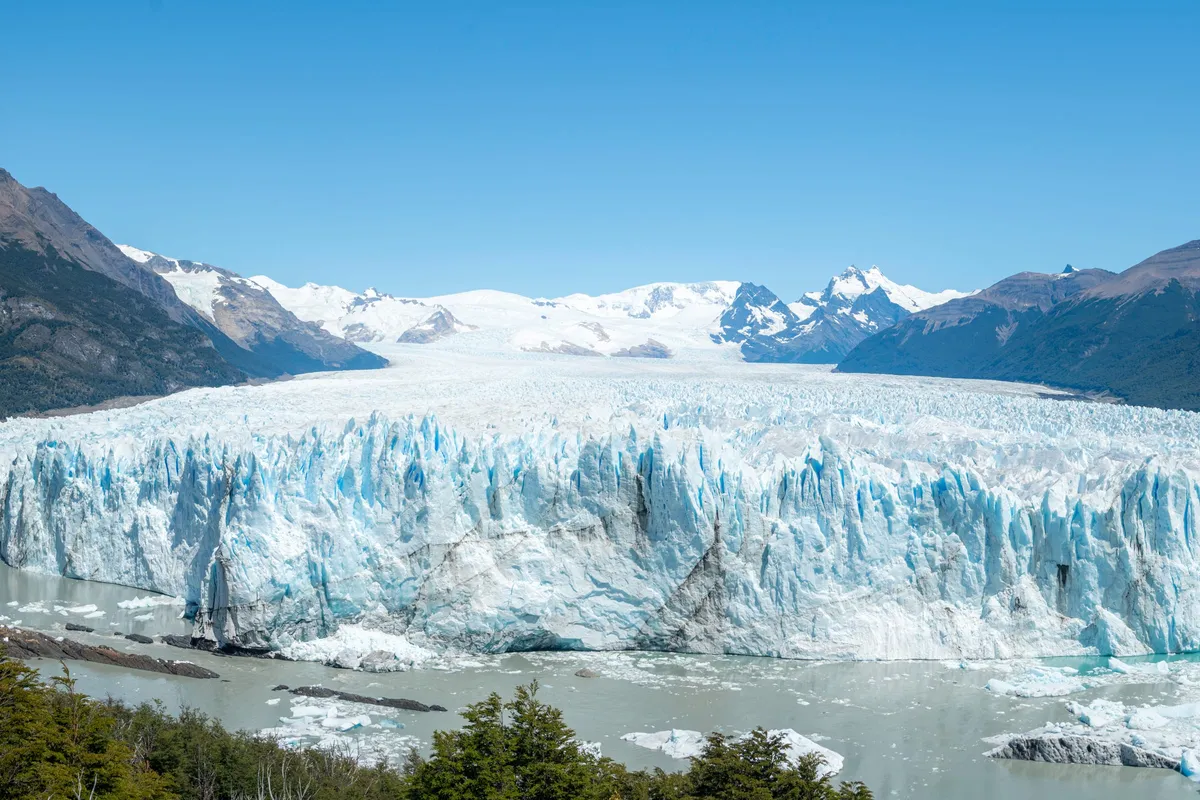
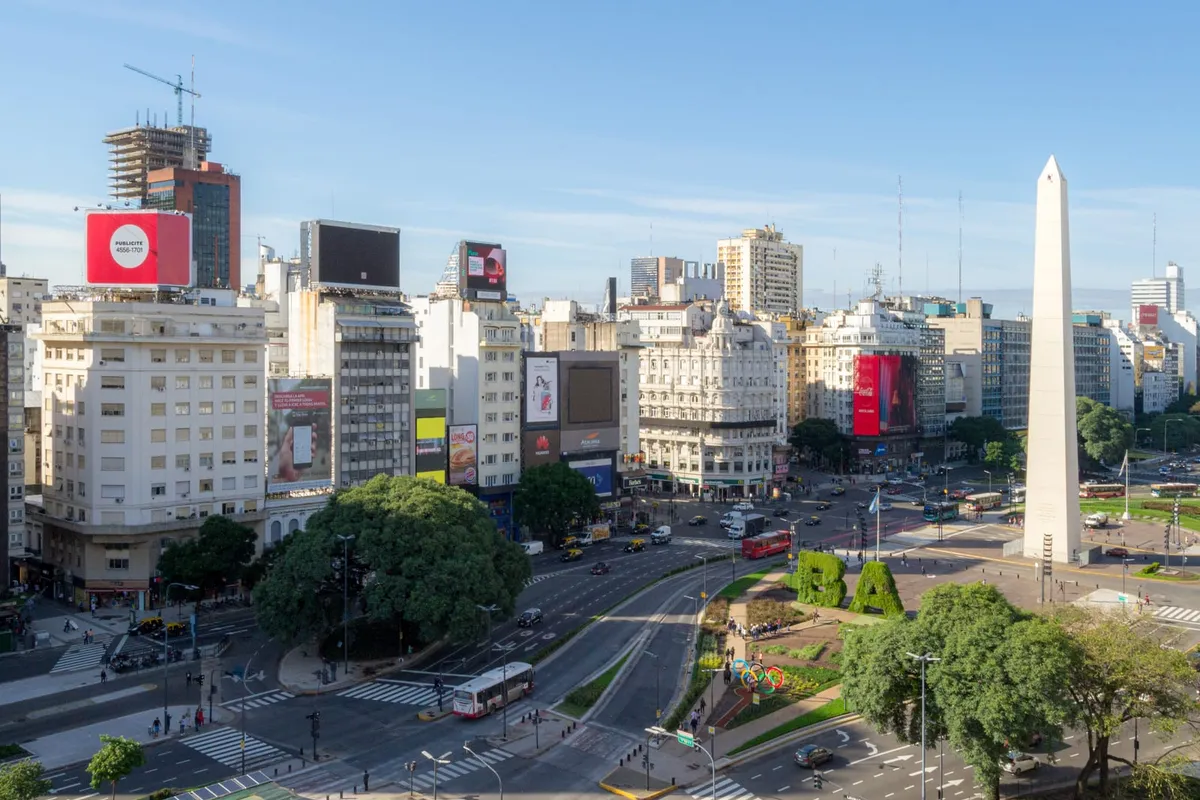
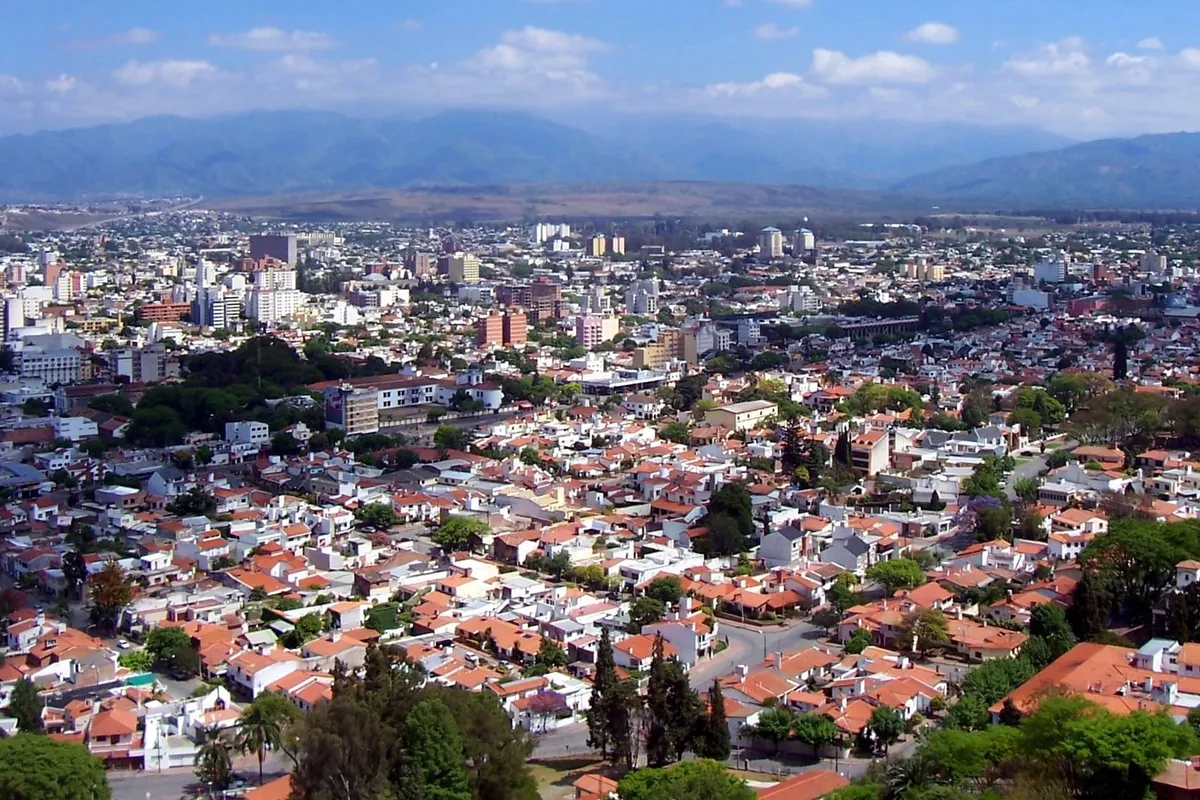
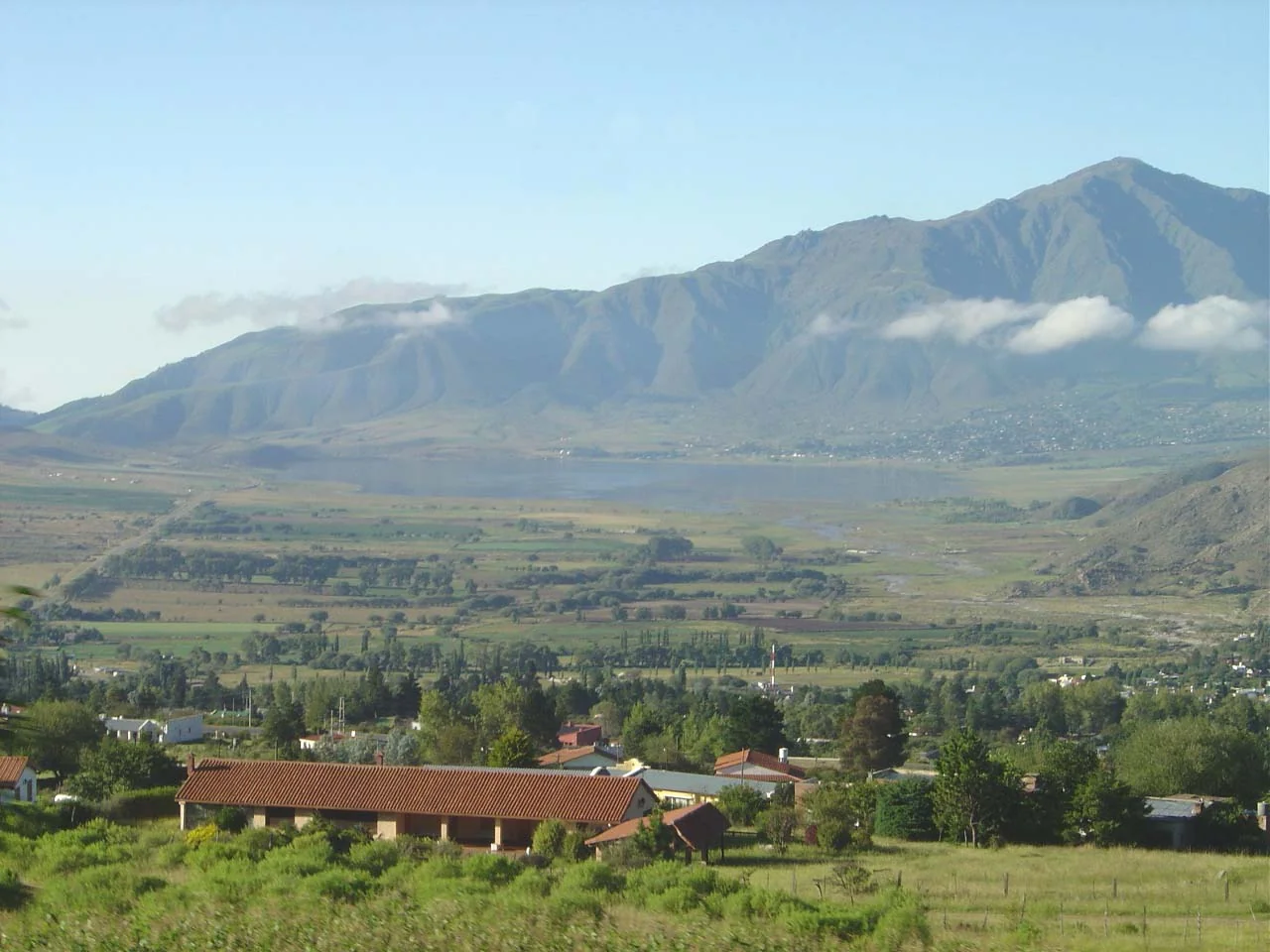
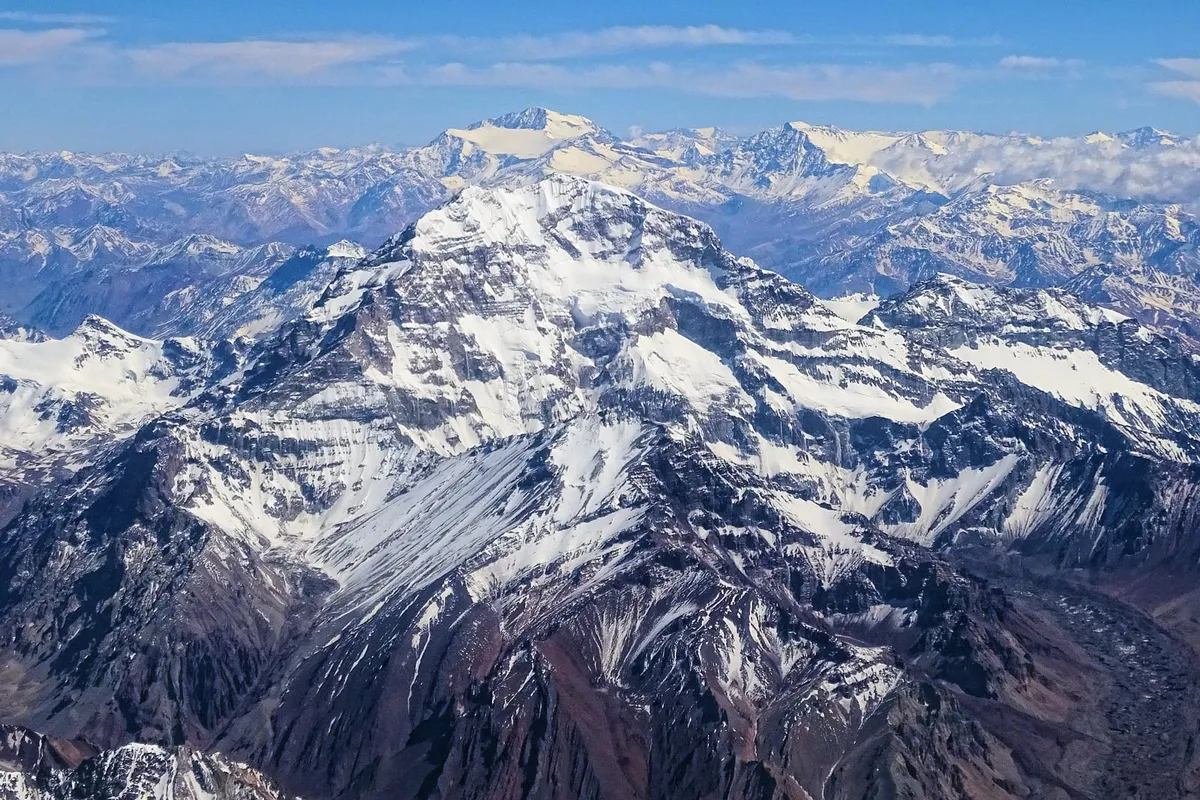
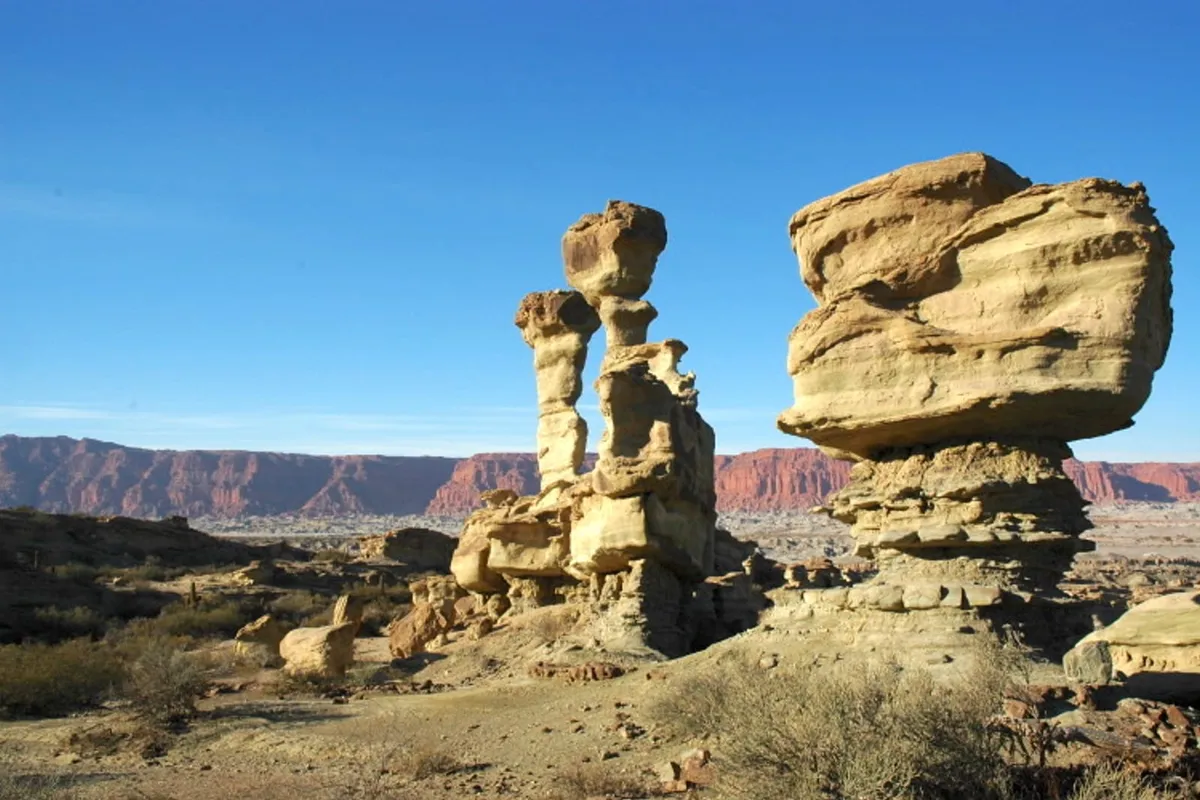
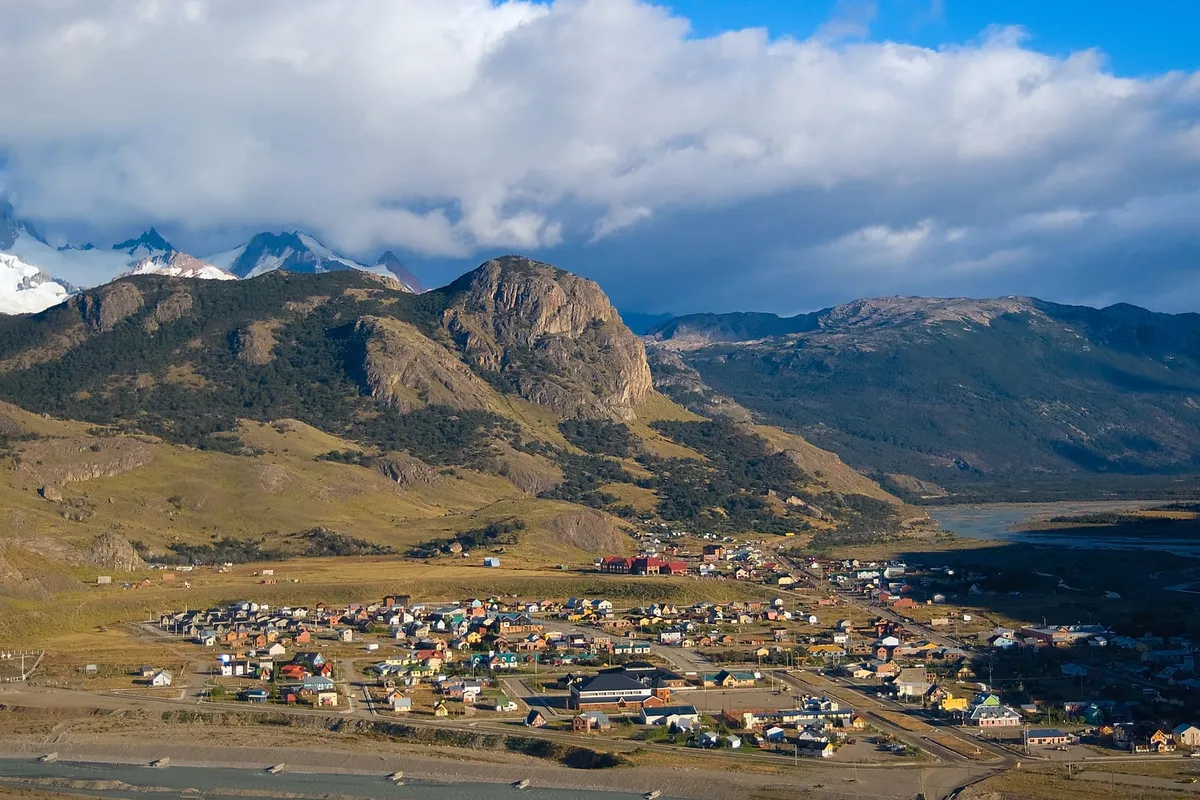
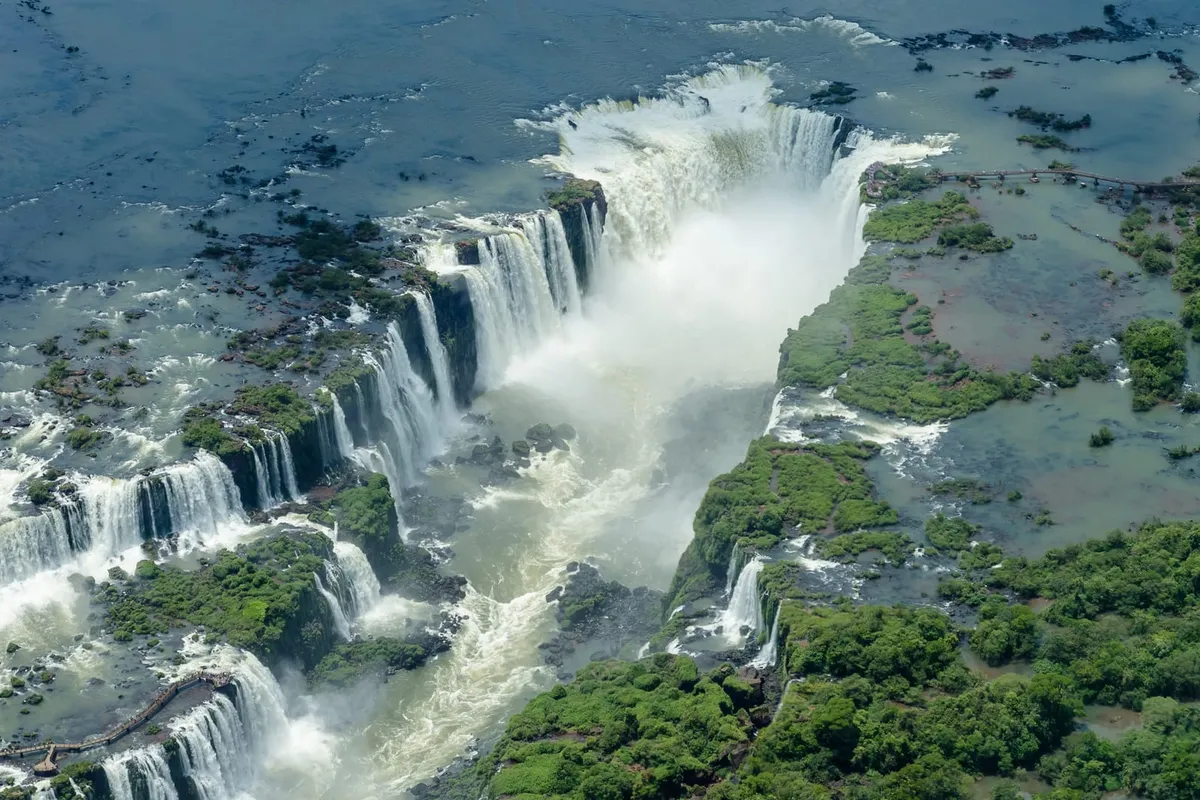
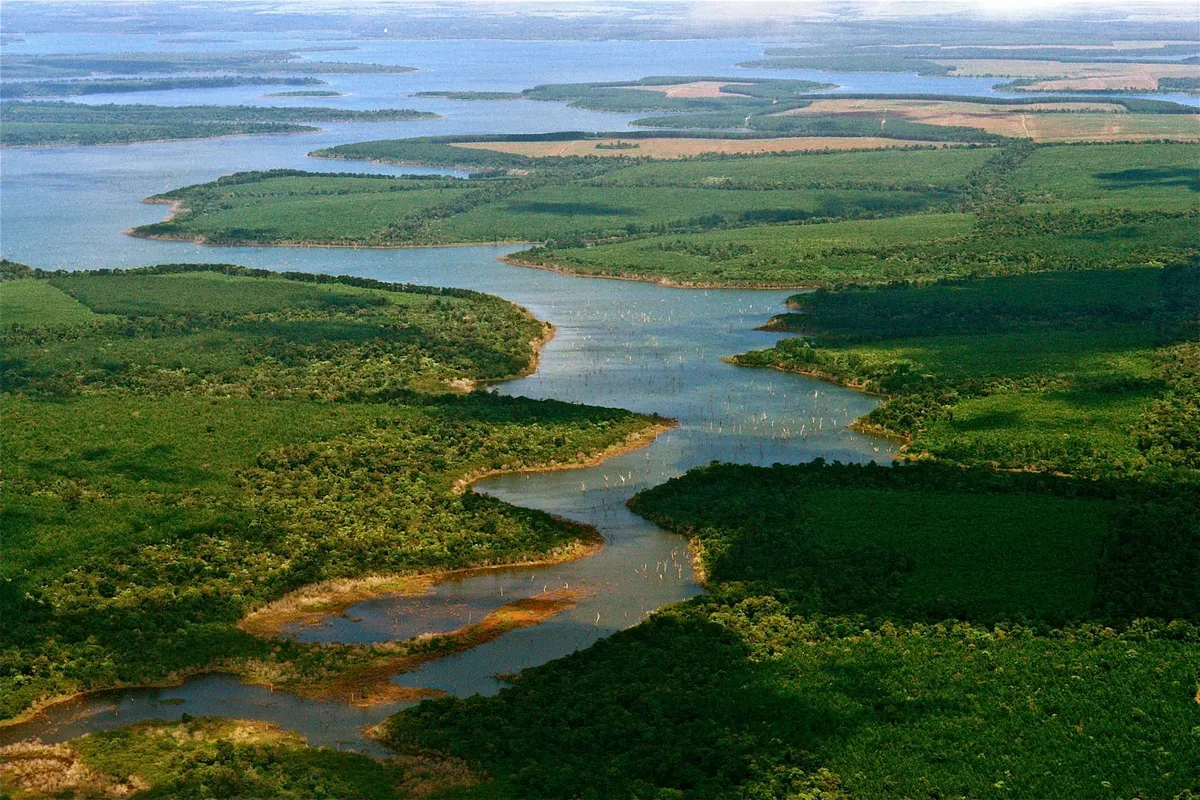
Argentina is the 8th largest country in the world and one of the most diverse destinations in South America. From the thundering Iguazú Falls in the subtropical northeast to the Perito Moreno Glacier in the Patagonian south, from the high-altitude vineyards of Mendoza to the multicoloured mountains of the Quebrada de Humahuaca, from the otherworldly landscapes of Valle de la Luna to the wetlands of Esteros del Iberá, Argentina offers landscapes that change radically every few hours of travel.
This guide brings together ten specialised destination guides, each created by local experts. We cover practical information that actually matters: real prices in USD, transport options with real travel times, the best seasons to visit each region, and honest recommendations on what's worth your time and what isn't. No machine translations, no recycled content, no inflated visitor numbers — just the kind of guide we wish existed when we first started travelling our own country.
Argentina received over 10 million international visitors in 2025, with Brazilians, Europeans, Americans and Chileans making up the bulk of arrivals. Buenos Aires and Iguazú are the classic first stops; Mendoza dominates wine tourism; Patagonia draws trekkers and wildlife photographers; Salta and Jujuy are the rising stars for culture and high-altitude landscapes. Whether you have 7 days or 21, this is where you start planning.
Ten destinations, ten specialised guides
Each destination has its own guide written by local experts. Pick your next adventure.
Field-tested routes that make every day of your trip count.
7
7 days: Buenos Aires + Iguazú
The perfect combination for a first visit to Argentina: tango, steak and the most spectacular waterfalls on the planet.
14
14 days: BA + Mendoza + Bariloche
Tango, Malbec and Patagonian lakes. The classic route combining urban culture, world-class wine and Andean nature.
21
21 days: Argentina coast to coast
From the falls to the glacier, from vineyards to sierras. The grand tour of Argentina's extraordinary diversity.
What you need to know before travelling to Argentina
Four practical things that change a trip when you know them in advance: visa, money, climate and language.
Visa & entry
Visa-free for 90 days for most travellers
If you hold a passport from the European Union, United Kingdom, United States, Canada, Australia, New Zealand, Brazil, Chile, Uruguay, Mexico, Japan or most Latin American countries, you can enter Argentina visa-free for up to 90 days as a tourist. All you need is a valid passport (six months of validity recommended) and a return or onward ticket.
The reciprocity fee for US, Canadian and Australian citizens was abolished in 2017 — you no longer pay anything to enter. Immigration may ask for proof of accommodation (a printed hotel reservation works). For longer stays or work, you need a specific visa processed through the consulate before you fly.
Money & blue dollar
Western Union and MEP, not the cueva
The currency is the Argentine peso (ARS). Argentina has two parallel exchange rates: the official one (controlled by the central bank) and the blue/parallel dollar, which trades 1.4×–1.5× the official as of April 2026. As a traveller, the three best ways to convert money are, in this order: Western Union (wire to yourself in Argentina, withdraw pesos at the parallel rate — fully legal), international Visa or Mastercard (they use the "MEP dollar" rate, very close to blue since 2024), and USD/EUR cash at authorised exchange houses or some hotels in tourist hubs.
Bring crisp, clean USD 100 bills (worn or pre-2013 notes get worse rates). Avoid airport exchange counters — they pay the official (worst) rate. In tourist hubs (Mendoza, Bariloche, Calafate) many restaurants and wineries accept USD/EUR cash directly.
Best time by region
There is no single "best season"
Argentina spans 3,700 km north to south and the climate changes radically. As a quick guide: Buenos Aires and the centre (October–April) — pleasant spring and autumn, hot summers but full nightlife. Patagonia (December–March) — the only window for full trekking in El Chaltén, glacier navigation at Perito Moreno, whale watching at Peninsula Valdés (June–December). NOA (March–November) — Salta, Jujuy, Cafayate and Quebrada de Humahuaca are best enjoyed outside the rainy summer.
Iguazú Falls: open year-round, but April–September is more comfortable (less heat, fewer mosquitoes, less rain). For region-specific timing, see each destination guide.
Language
Rioplatense Spanish (with quirks)
The official language is Spanish, but the Argentine variant has its own personality: vos instead of tú, "ll" and "y" pronounced as "sh" (especially in Buenos Aires), constant use of "che". On the Brazilian border (Iguazú, Misiones) there is fluent Portuñol. On the Chilean border (Mendoza, Bariloche) Chilean travellers are everywhere.
English is reasonable in 4–5 star hotels and international agencies in Buenos Aires, but limited outside that. Basic Spanish (greetings, numbers, food, directions) covers most situations. Argentinians are extremely patient with travellers attempting Spanish — give it a go.
Argentina by region — how to choose where to go
Six tourist regions, each with its own character, best season and traveller profile.
Argentina is the 8th largest country in the world. Distances are massive: Iguazú to Calafate is 3,500 km, Salta to Bariloche is 2,700 km. For any itinerary under 14 days, internal flights are non-negotiable. We recommend at least 7 days for a first visit; anything shorter is a layover, not a trip.
Eating in Argentina is a social event, not a pause. The asado is a weekly ritual. Dulce de leche shows up everywhere. Mendoza's wineries set the rhythm of the year.
Six classic dishes
Asado
Slow-fire ritual with wood or charcoal. Must-order cuts: tira de asado (short ribs), vacío (flank), chorizo, morcilla (blood sausage), sweetbreads. USD 20–35 in a Buenos Aires parrilla; USD 60–90 in a Pampa estancia with show.
Empanadas
Each province has its own version: Salteña (knife-cut beef, potato, egg), Tucumana (matambre and cumin), Mendocina, Jujeña with quinoa. USD 1.50–3 each. The best are NOA's, no debate.
Milanesa
Breaded beef cutlet, fried or oven-baked. The "Napolitana" version adds ham, cheese and tomato sauce. With fries it is the weekly dish in every Argentine home. USD 8–14 in a neighbourhood bodegón.
Dulce de leche
The unofficial national sweet. Goes in pancakes, ice cream, alfajores, cakes. Try the "repostero" (thicker) or "granjero" (creamier). Top brands: La Salamandra and Chimbote.
Alfajores
Two cookies sandwiching dulce de leche, coated in chocolate or sugar. Top brands: Havanna (classic), Cachafaz (artisanal), Capitán del Espacio (cult). USD 1.50 industrial to USD 4 premium.
Mate
Not just a drink, a ceremony. Yerba leaves with hot water at 80 °C in a gourd with a metal straw, shared in a circle. The national, official, obsessive beverage. Learn it and you understand 50% of Argentina.
Four wines you must try
Malbec
The flagship. Originally from Cahors (France), it found its true home in Mendoza. Deep red, ripe fruit, soft tannins. The obvious pairing: asado.
Torrontés
Argentina's signature white grape, native to the NOA. Cafayate (Salta) produces the very best. White flower and citrus aromas, dry palate. Pair with empanadas and ceviches.
Cabernet Sauvignon
For travellers who like firm tannins and oak. The Valle de Uco at altitude produces the most interesting versions. Pair with Patagonian lamb or aged cheeses.
Bonarda
The second most-planted red in Argentina and the discovery of the last decade. Fruit-forward, easy-drinking, outstanding value for money.
Eight things you'll wish you'd known before boarding the plane.
1
Tipping (10% is standard)
In restaurants, leave 10% of the total in cash, separate from the bill (the card terminal does not include it). In bars and cafés, round up or leave 50–100 ARS. Not customary for taxis or rideshare. Hotel bellboys: USD 1–2 per bag. Full-day tour guides: USD 5–10 per person.
2
Internal flights vs long-distance buses
Distances inside Argentina are continental. For any trip up to 14 days, fly internally — always. Operators: Aerolíneas Argentinas, Flybondi, JetSmart. BA–Bariloche from USD 90; BA–Calafate from USD 130; BA–Salta from USD 80. Long-distance buses (Andesmar, Via Bariloche, Cata) are comfortable for medium hops (BA–Mendoza, BA–Rosario) and great for backpackers.
3
SIM card and e-SIM options
Easiest: international e-SIM (Airalo, Holafly) — works the moment you land, USD 10–25 for 5–10 GB across 14 days. Local prepaid SIM (Personal, Movistar, Claro) — USD 5–8 for a chip with 5 GB, requires a passport ID. 4G coverage is good in all capitals and tourist hubs; weaker in deep Patagonia and the Puna.
4
Safety in Buenos Aires
Tourist neighbourhoods (Recoleta, Palermo, Puerto Madero, San Telmo by day, Microcentro during work hours) are safe with normal precautions. Avoid: La Boca outside the Caminito strip, Constitución, Once after 22:00, leaving bags on the back of bar chairs. Use Cabify or Uber at night, not street taxis. Phone snatches in buses and bar terraces happen — keep yours pocketed.
5
Tap water
Drinkable and safe in all major cities and capitals (Buenos Aires, Córdoba, Rosario, Mendoza, Bariloche, Salta city, Tucumán, La Plata). In small rural NOA villages and high-altitude Andean towns, bottled water is preferable. Bring a reusable bottle — saves plastic and money.
6
Power outlets (type C/I, 220V)
Argentina uses type I sockets (three flat pins in an inverted V) and accepts type C (two round European pins). Voltage is 220V/50Hz. If you come from the US or Japan (110V) you need a transformer for non-universal electronics. Most modern laptops and phone chargers are dual voltage (100–240V) — only a plug adapter needed.
7
Tipping in hotels and tours
Hotels: USD 1–2 per bag for the bellboy; USD 1–2 per day for housekeeping (at the end of the stay). Full-day tours: USD 5–10 per person to the guide. Private tours with driver: 10–15% of cost. Wineries: tipping the sommelier is optional but well received (USD 3–5). Estancia asados: USD 5–8 to the asador and serving team.
8
Travel insurance (non-negotiable)
Argentina has free public emergency healthcare, but as a tourist you want private cover: a private hospital admission can run USD 1,000–3,000 per day uninsured. Get at least USD 100,000 medical, repatriation and evacuation. If you plan trekking or skiing, add adventure cover. Reliable brands: World Nomads, IATI, Heymondo, Chapka.
Frequently asked questions about Argentina
The real questions we receive from travellers before they fly.
When is the best time to visit Argentina?
March–May (autumn) and September–November (spring) are the best general seasons: mild temperatures across most of the country, fewer crowds and lower prices than the December–February peak. Patagonia is best in summer (December–March) for trekking; the wine harvest in Mendoza happens in March; the Iguazú waterfalls are spectacular year-round but most accessible from May to September.
How many days do I need in Argentina?
A first visit needs at least 7 days (Buenos Aires + one nature destination like Iguazú or Bariloche). 14 days lets you combine 3 regions comfortably (BA + Mendoza + Patagonia is the classic). 21+ days covers the country end to end. Argentina is the 8th largest country in the world and distances are massive — internal flights are essential for any trip under 14 days.
Is Argentina expensive?
Argentina is mid-range by South American standards. Daily budgets in USD as of April 2026: backpacker $40–60, mid-range $90–150, luxury $250+. Buenos Aires and Patagonia are the most expensive regions; northern provinces (Salta, Tucumán, Jujuy) are 30–40% cheaper. The currency exchange rate fluctuates significantly, so prices in pesos can shift month to month.
Do I need a visa to visit Argentina?
Citizens of the EU, UK, US, Canada, Australia, New Zealand, Japan, Brazil, Chile, Uruguay, Mexico and most Latin American countries can enter visa-free for 90 days as tourists. Your passport must be valid for the entire stay (six months recommended). The reciprocity fee for US, Canadian and Australian citizens was eliminated in 2017. Some nationalities (China, India, Russia) require an electronic AVE visa or a consulate visa.
Is Argentina safe for travellers?
Argentina is generally safe in tourist areas. Buenos Aires has petty crime in some neighbourhoods (avoid Constitución, La Boca after dark, Retiro outside Plaza San Martín). Patagonia, Mendoza, Salta, the wine regions and the small towns are all very safe. Standard precautions apply: avoid displaying valuables, use registered taxis or ride apps (Cabify, Uber), and be aware of your surroundings in crowded areas like buses and bar terraces.
Can I drink the tap water in Argentina?
Yes, in all major cities and capitals — Buenos Aires, Córdoba, Rosario, Mendoza, Bariloche, Salta city, Tucumán, La Plata. Tap water is treated and safe. In rural NOA villages and remote Andean Puna towns, bottled or filtered water is recommended. Hotels generally provide safe drinking water in rooms. Mendoza tap water comes from Andean snowmelt and tastes excellent; Buenos Aires water is neutral.
Should I use the blue dollar?
Yes, but the smart route is not a "cueva" (informal exchange). The two best options for travellers in 2026 are: (1) Western Union — wire money to yourself in Argentina and pick it up in pesos at the parallel rate, fully legal, available in all cities; (2) International Visa/Mastercard — they apply the "MEP dollar" rate, which has been very close to blue since 2024 and is the safest, most convenient method. Bring some clean USD 100 bills as backup. Avoid airport exchange counters — they pay the official (worst) rate.
Do I need to speak Spanish?
Some basic Spanish is highly recommended. English is reasonable in 4–5 star hotels, international travel agencies and premium Buenos Aires restaurants. Outside that — taxis, smaller shops, NOA villages, family-run Mendoza wineries, neighbourhood eateries — English is limited. Numbers, food vocabulary and directions in Spanish go a very long way. On the Brazilian border there is Portuguese; on the Chilean border, lots of Chilean Spanish. Argentinians are extremely patient with travellers attempting Spanish.
What is the time difference with Argentina?
Argentina is UTC−3 year-round (no daylight saving time). That is 4 hours behind Madrid in European winter (3 in summer), 1 hour ahead of New York in winter, 12 hours behind Tokyo and 5 hours behind London in winter. Same time as Brazil (capital) and Uruguay. Transatlantic flights from Europe typically arrive in the morning after a 12–13 hour overnight flight.
How much does a 14-day trip to Argentina cost?
For April 2026, a 14-day Buenos Aires + Mendoza + Bariloche trip per person in USD: backpacker 800–1,200 USD (hostels, buses, market food), mid-range 1,800–2,800 USD (3-star hotels, internal flights, average restaurants, one wine tour or excursion per day), premium 4,500 USD or more (boutique 4–5 star hotels, business class internal flights, fine dining, private tours). International flights are separate. Distances inside Argentina are vast — for any 14-day or shorter trip, internal flights are essential.
Best time for Patagonia, Iguazú and wine country?
Patagonia: December to March (austral summer, the only window for full trekking in El Chaltén and glacier excursions). For skiing in Bariloche or Cerro Castor (Ushuaia), July–August. Iguazú: April to September, with comfortable temperatures and high water flow without summer thunderstorms. Mendoza wine country: February to April is harvest season (the Vendimia festival is the first week of March); autumn (April–May) adds spectacular vineyard colours.
Ready to start planning?
We have specialised guides for every traveller profile: adventure, family, luxury, wine tourism. Plus a full glossary of Argentine terms so nothing catches you by surprise.