Argentina is one of the most affordable destinations in South America for international travelers paying in US dollars or euros. The combination of low local prices in terms of hard currencies and a world-class food and tourism scene means you can eat steak with Malbec for the price of a pizza in Europe, sleep in charming boutique hotels for a fraction of the cost of their European equivalents and enjoy spectacular excursions without breaking the bank. This guide gives you real numbers to build your Argentina travel budget for 2026.
It is important to understand that prices in Argentina can vary significantly between regions. Buenos Aires and Patagonia are more expensive than the northwest (Salta, Jujuy) or the northeast (Iguazu). High-demand tourist destinations like El Calafate or Bariloche have premium prices, while cities like Cordoba, Salta or Tucuman are considerably cheaper.
Daily budget by travel style
Daily budget summary (per person)
- Backpacker / Budget: USD 30-50 per day
Shared hostel, street food and cooking, public transport, free activities. - Mid-range: USD 80-120 per day
3-star hotel, local restaurants, some excursions, occasional taxi. - Premium / Comfort: USD 150-250 per day
4-star boutique hotel, top restaurants, private tours, domestic flights. - Luxury: USD 300+ per day
5-star hotel, fine dining, private guide, exclusive experiences.
Accommodation prices by region
Buenos Aires
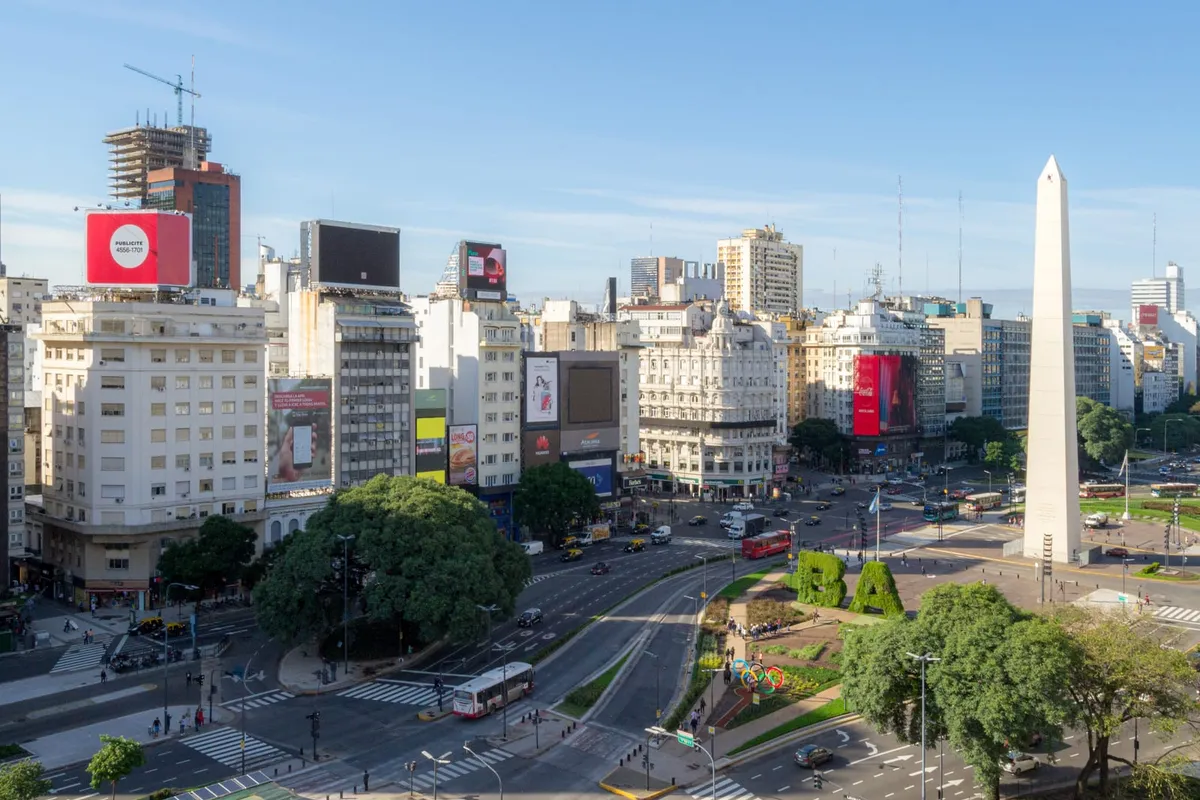
Buenos Aires has the most diverse accommodation in the country, from backpacker hostels in San Telmo to five-star hotels in Recoleta and Puerto Madero. The best neighborhoods for tourists are Palermo (nightlife, restaurants, boutiques), San Telmo (bohemian, tango, markets) and Recoleta (elegant, museums, parks).
- Hostel dorm: USD 8-15 per night
- Hostel private room: USD 20-35
- 3-star hotel: USD 40-70
- 4-star boutique hotel (Palermo): USD 80-150
- 5-star hotel (Alvear, Faena): USD 250-600
- Airbnb entire apartment: USD 30-80 per night
Patagonia (Calafate, Bariloche, Ushuaia)
Patagonia is the most expensive region in Argentina for accommodation, especially during high season (December-February and July for skiing). Prices increase 30-50% during those months. Booking in advance is essential.
- Hostel dorm: USD 12-20
- 3-star hotel: USD 60-100
- 4-star hotel: USD 100-200
- Premium lodge: USD 200-500
Northwest (Salta, Jujuy, Tucuman)
The Northwest is the most affordable region for accommodation. Hostels are basic but clean, and boutique hotels offer excellent value with lots of local charm.
- Hostel dorm: USD 6-12
- 3-star hotel: USD 30-55
- Boutique hotel: USD 60-120
- Airbnb: USD 20-50
Mendoza
- Hostel dorm: USD 8-15
- 3-star hotel: USD 40-70
- Boutique hotel at a winery: USD 120-300
- Vineyard guesthouse: USD 80-180
Cordoba
- Hostel dorm: USD 6-10
- 3-star hotel: USD 30-55
- Boutique hotel in the Sierras: USD 60-120
Food costs by type
Argentina has one of the best quality-to-price ratios for food in the world. Dollar prices are remarkably low for the quality you receive. Argentine beef, Mendoza wines, northern empanadas and artisan ice cream are world-class culinary experiences at prices that astonish any European or North American visitor.
Budget food
- Empanada from a street stall: USD 0.50-1
- Choripan (sausage sandwich): USD 1-2
- Pizza slice: USD 1-2
- Coffee with medialunas (croissants): USD 2-4
- Set lunch (menu del dia): USD 5-8
- Milanesa napolitana with fries: USD 5-8
- Supermarket (basic daily shopping): USD 5-10
Mid-range food
- Full parrilla for one (steak, sausage, salad, wine): USD 15-25
- Fresh pasta restaurant: USD 10-18
- Dinner at a neighborhood restaurant: USD 12-20 per person
- Artisan ice cream (1/4 kg): USD 3-5
- Craft beer pint: USD 2-4
- Good Malbec bottle (wine shop): USD 5-15
Premium food
- Fine dining in Buenos Aires (Don Julio, Tegui): USD 40-80 per person
- Winery tasting with lunch (Mendoza): USD 30-60
- Patagonian lamb dinner: USD 25-40
- Tango show with dinner: USD 35-80
Food price comparison
- A full asado in Argentina: USD 15-25
- Same asado in Uruguay: USD 25-40
- Equivalent churrasco in Brazil: USD 20-35
- Similar quality steak in the USA: USD 40-70
- Equivalent steak in Europe: USD 50-80
Transport costs
Domestic flights
Argentina is huge (2,780,400 km2) and domestic flights are the most efficient way to cover large distances. Aerolineas Argentinas, Flybondi and JetSmart operate the main domestic routes. Flybondi and JetSmart are low-cost carriers with lower base prices but charge extra for luggage.
- Buenos Aires - Salta: USD 40-100 (2h)
- Buenos Aires - Iguazu: USD 40-90 (1h 45min)
- Buenos Aires - Mendoza: USD 30-80 (1h 45min)
- Buenos Aires - Calafate: USD 60-150 (3h 15min)
- Buenos Aires - Bariloche: USD 50-120 (2h 15min)
- Buenos Aires - Ushuaia: USD 70-180 (3h 30min)
Long-distance buses
Argentina's long-distance buses are excellent -- especially the cama (sleeper) and suite categories. The seats recline fully (180 degrees), and the service includes dinner, breakfast, blanket and pillow. They are a comfortable and affordable way to travel between cities, and save you a night of hotel.
- Buenos Aires - Salta (semi-cama): USD 25-40 (18h)
- Buenos Aires - Mendoza (cama): USD 20-35 (14h)
- Buenos Aires - Cordoba (cama): USD 15-25 (10h)
- Buenos Aires - Bariloche (cama): USD 35-60 (20h)
- Salta - Jujuy (semi-cama): USD 3-5 (2h)
City transport
- Subte (Buenos Aires metro) per trip: USD 0.20-0.30
- Colectivo (city bus): USD 0.15-0.30
- Taxi (short trip in BA): USD 2-5
- Uber/Cabify (medium trip in BA): USD 3-8
- Car rental per day: USD 25-50 (compact), USD 40-80 (SUV)
- Fuel (premium gasoline) per liter: USD 0.80-1.00
Activities and excursions
Free activities
Argentina offers a remarkable number of free or near-free experiences that require no budget:
- Buenos Aires: Caminito, San Telmo Sunday Fair, Recoleta Cemetery, Ecological Reserve, Palermo street art, street milongas, Parque 3 de Febrero
- Salta: Quebrada viewpoints, colonial villages, hill hikes, San Francisco Church, Cerro San Bernardo
- Mendoza: Parque General San Martin, city walks, Cerro de la Gloria
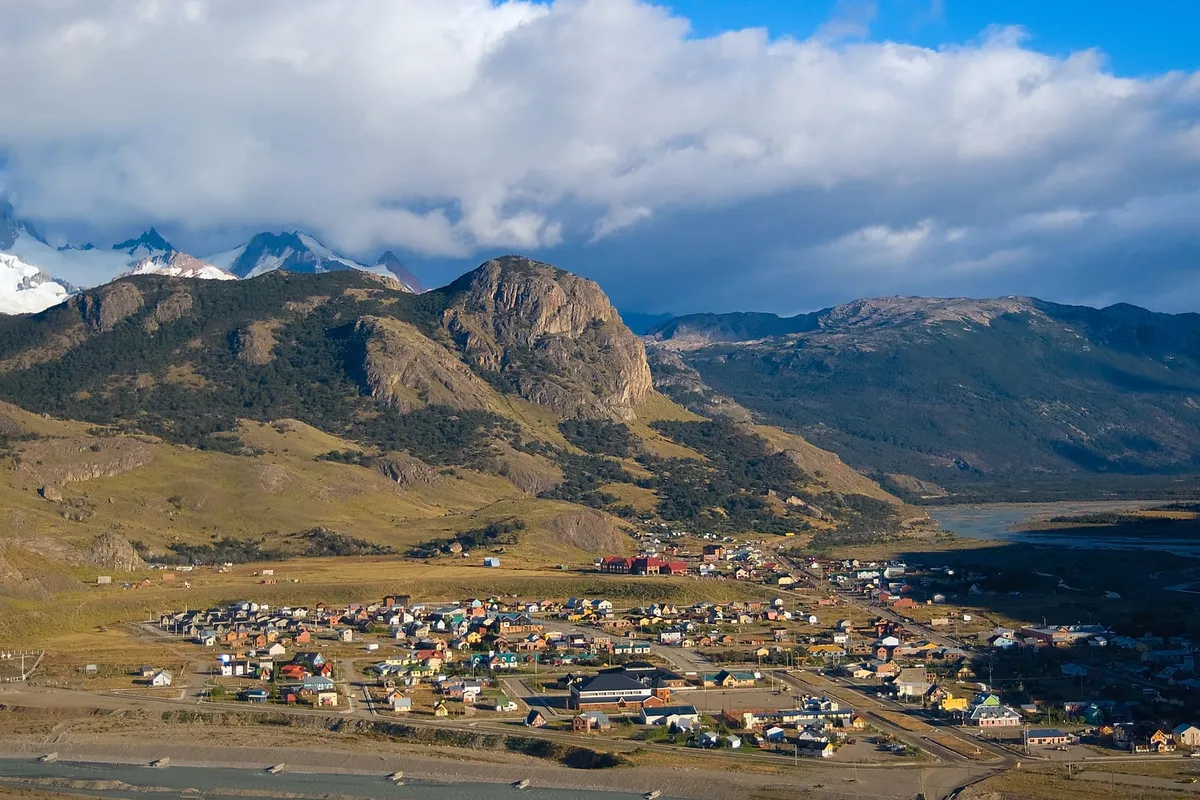
- Patagonia: treks in El Chalten (Fitz Roy, Torre), lake viewpoints, Nahuel Huapi lake beaches
- Cordoba: Jesuit Block (exterior), Guemes neighborhood, nearby sierras
Paid excursions
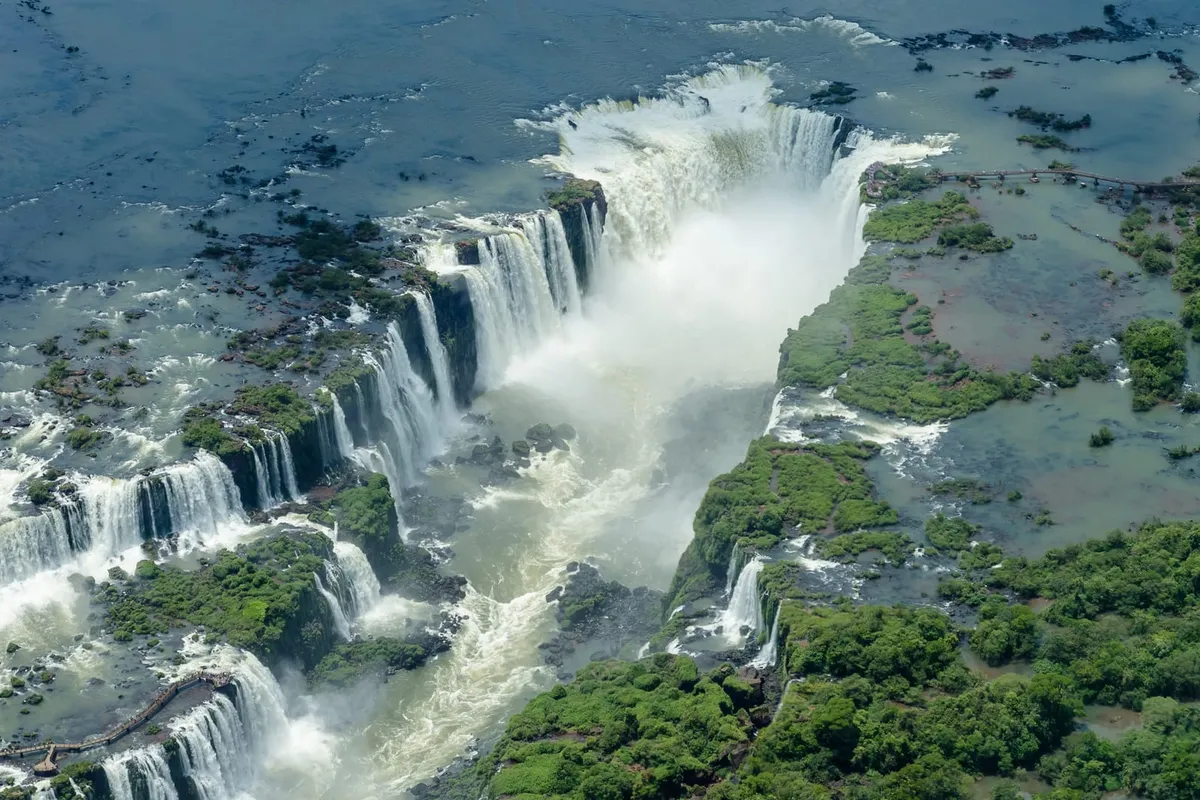
- Iguazu National Park entry (Argentine side): USD 15-25
- Los Glaciares National Park entry: USD 15-25
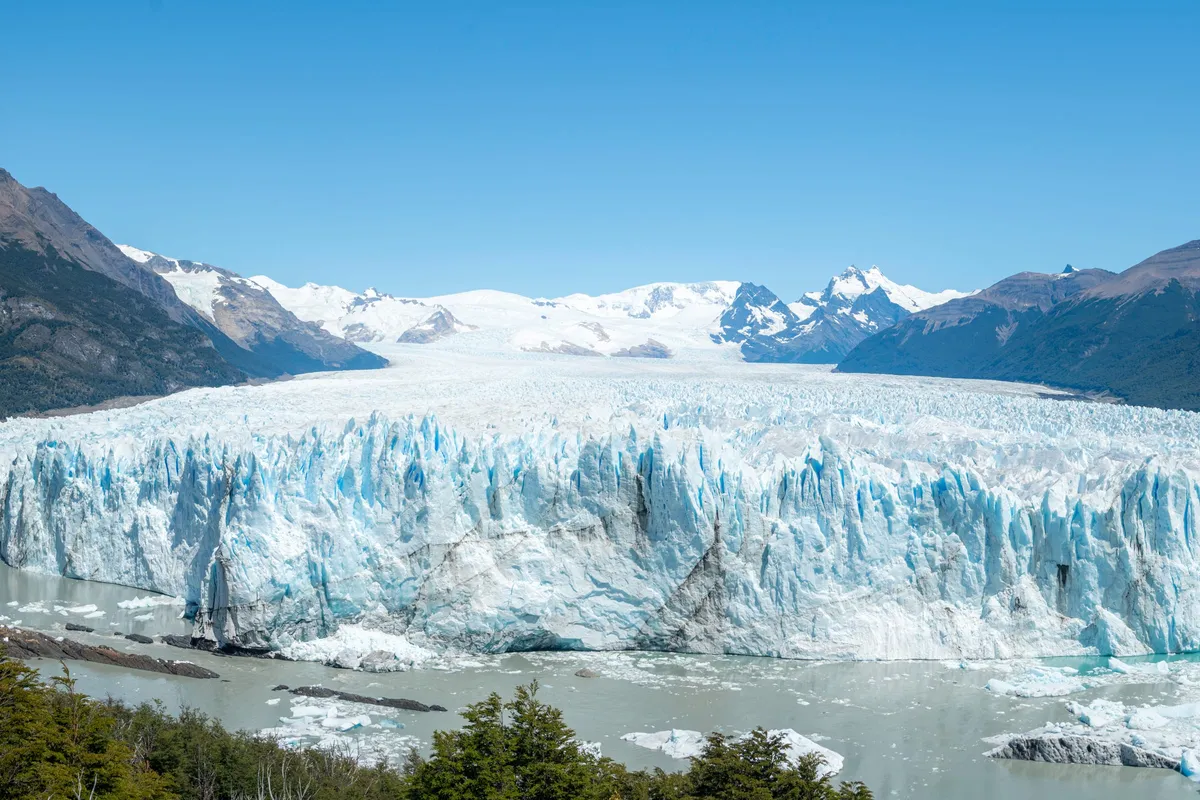
- Perito Moreno mini-trekking: USD 100-150
- Quebrada de Humahuaca full-day excursion: USD 25-40
- Mendoza wine tour (half day): USD 25-50
- Tango show in Buenos Aires: USD 18-80
- Free walking tour (tip): USD 5-10
- Glacier navigation (Calafate): USD 80-120
Money in Argentina: practical guide
Brief history of the blue dollar
For years, Argentina had a parallel dollar market (the famous "blue dollar") where the gap with the official rate reached over 100%. This meant tourists who exchanged cash dollars at informal exchange houses ("cuevas") got nearly double the pesos compared to using a credit card. In 2024-2025, economic reforms significantly reduced the gap. In 2026, the situation is more stable but paying with cash still offers advantages at many businesses.
Cards vs cash in 2026
- Credit/debit cards: widely accepted in Buenos Aires and major cities. The exchange rate applied is the official rate + card fees. Generally 5-15% more expensive than paying in cash.
- Cash (US dollars): USD 100 bills get the best exchange rate. Smaller and damaged bills receive less. Exchange houses on Florida Street in Buenos Aires offer the best rates.
- Cash (euros): accepted but at a slightly worse exchange rate than dollars.
- ATMs: dispense pesos at the official exchange rate with a USD 5-10 commission per withdrawal. Maximum ARS 30,000-60,000 per transaction. Use only as backup.
Tipping in Argentina
- Restaurants: 10% is standard. Not included in the bill. Leave cash on the table.
- Taxis: round up. If the fare is 1,850 pesos, leave 2,000.
- Hotel housekeeping: USD 1-2 per day of stay.
- Tour guide: USD 5-10 per person for half-day tours.
- Free tours: whatever you think is fair, generally USD 5-10.
- Delivery: 10% or ARS 500-1,000.
Sample budgets
Backpacker: 14 days for USD 550-700
This budget is realistic for a traveler staying in hostels, cooking some meals, using public transport and taking advantage of free activities:
- Buenos Aires (4 nights hostel): USD 60-80
- Overnight bus BA-Salta: USD 25-35
- Salta/Quebrada (4 nights hostel): USD 40-50
- Bus Salta-Iguazu: USD 20-30
- Iguazu (2 nights hostel): USD 20-30
- Flight Iguazu-BA: USD 40-70
- Food (14 days x USD 15-20): USD 210-280
- Park entries and activities: USD 60-80
- City transport: USD 20-30
Mid-range: 14 days for USD 1,400-2,000
Three-star hotels, local restaurants, domestic flights and organized excursions:
- Buenos Aires (4 nights 3-star hotel): USD 200-280
- Flight BA-Calafate: USD 80-120
- Calafate (3 nights 3-star): USD 200-300
- Flights Calafate-BA + BA-Salta: USD 120-200
- Salta (3 nights 3-star): USD 120-180
- Flight Salta-BA: USD 50-80
- Food (14 days x USD 30-40): USD 420-560
- Excursions (Perito Moreno, Quebrada, tango, tours): USD 200-300
- City transport and taxis: USD 50-80
When is it cheapest to travel
- Low season (May-June, August-September): flight and hotel prices 20-40% lower. Fewer tourists. Weather is cool but pleasant in the Northwest and BA.
- Shoulder season (March-April, October-November): good balance between price and weather. Autumn is spectacular in Patagonia and Mendoza.
- High season (December-February, July for skiing): peak prices, especially in Patagonia and Bariloche. Book months in advance.
- Easter and long weekends: domestic price spikes. Avoid if possible.
10 ways to save money in Argentina
- 1. Bring US dollar cash (USD 100 bills)
- 2. Eat the set lunch / menu del dia (USD 5-8 with a drink)
- 3. Use overnight buses instead of flights (save on hotel + transport)
- 4. Cook at hostels (supermarkets are cheap)
- 5. Take free walking tours (and leave a fair tip)
- 6. Buy wine at wine shops, not restaurants (3x cheaper)
- 7. Use the SUBE card for public transport in Buenos Aires
- 8. Book flights 2-3 weeks in advance
- 9. Travel in low season (May-June, August-September)
- 10. Always ask "is there a cash discount?"