Argentina is a photographer's paradise: few countries on Earth offer such diversity of landscapes within a single territory, from ancient glaciers and 80-meter waterfalls to endless salt deserts, mountains of 14 colors, vineyards at the foot of the Andes and one of the most photogenic cities on the planet. This guide is designed for both professional photographers seeking the best spots and smartphone travelers who want to come home with spectacular images. We cover the best locations by region, optimal light schedules, recommended gear for every budget, drone regulations and destination-specific tricks.
Argentina's geographic diversity stretches 3,500 km from north to south, spanning tropical, desert, temperate, Patagonian and sub-Antarctic climates. This means that on a single 2-3 week trip you can photograph subtropical jungle, Andean highlands, endless pampas, glacial lakes and the end of the world. Very few countries offer this.
Northwest Argentina (NOA): mountains of color
The NOA is arguably the most photogenic region in Argentina for landscape photography. The combination of multicolored mountains, flawless blue skies, adobe villages and dry, crystalline light creates ideal conditions for photography.
Cerro Hornocal (Serranias del Hornocal)
Cerro Hornocal, also known as the Mountain of 14 Colors, is possibly the most spectacular photo spot in all of Argentina. Located 25 km from Humahuaca (Jujuy province) at 4,350 meters altitude, its geological layers of ancient marine sediments create bands of reds, greens, yellows, purples and whites stretching for kilometers. The best time is between 2:00 and 4:00 PM, when frontal sunlight illuminates all the colors. A 70-200mm telephoto is ideal for isolating the color layers. Access is by 4x4 vehicle on a gravel road (USD 30-50 for the excursion from Humahuaca).
Quebrada de Humahuaca
This UNESCO World Heritage gorge offers 155 km of multicolored landscapes between Salta and the Bolivian border. The best photo spots include:
- Cerro de los Siete Colores (Purmamarca): best at sunrise (7:00-8:00 AM) when sidelight ignites the hill's colors. From the village viewpoint.
- Paleta del Pintor (Maimara): the colorful cliff face opposite the cemetery. Best in the afternoon (3:00-5:00 PM).
- Pucara de Tilcara: pre-Inca ruins with views across the entire gorge. Ideal at sunset.
- Salinas Grandes: the white salt desert at 3,450 meters. The best photos are with water mirrors after rain (December-March). Forced perspective shots are classic here.
Patagonia: ice, mountains and lakes
Patagonia is Argentina's most iconic destination for nature photography. The challenges are wind (which can reach 100 km/h), cold and unpredictable weather, but the visual rewards are incomparable.
Perito Moreno Glacier (El Calafate)
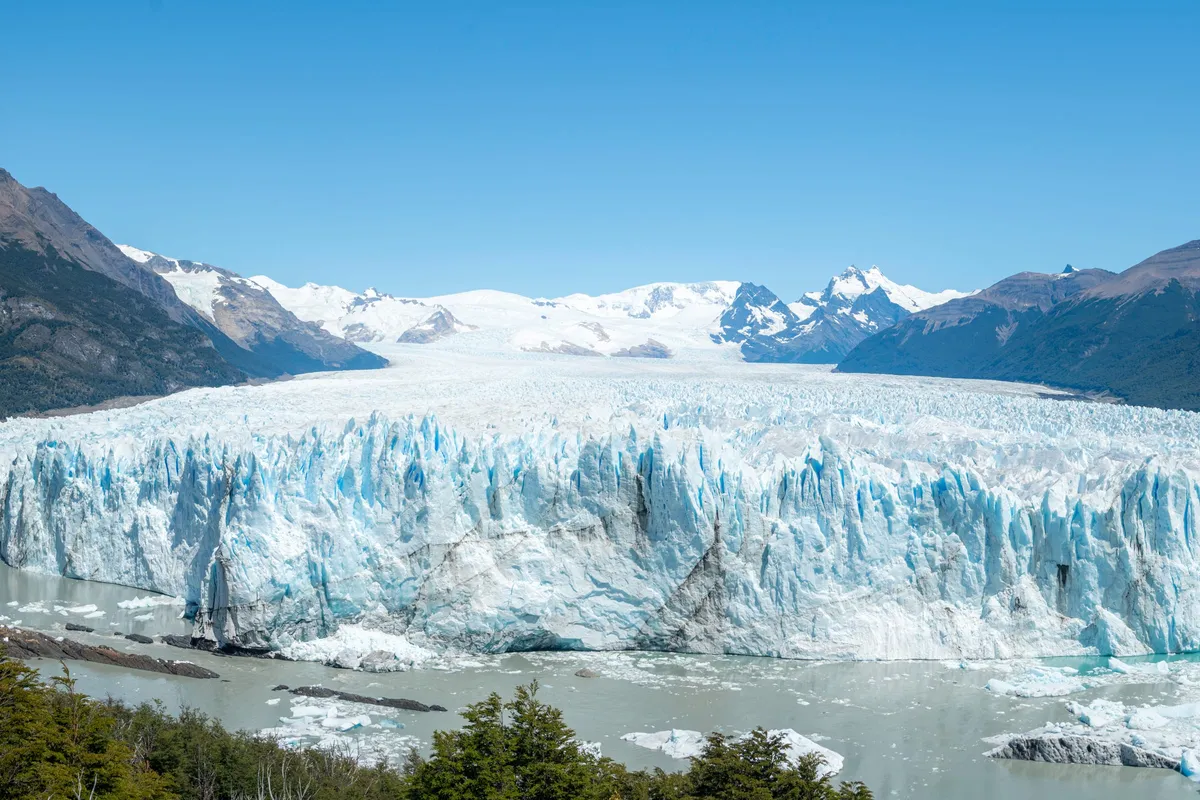
The Perito Moreno is one of the few glaciers in the world that is in equilibrium and constantly advancing. The walkways in the National Park allow you to photograph the 60-meter-high ice wall from multiple angles. Best moments:
- Afternoon golden hour (5:00-7:00 PM): sidelight highlights ice textures and paints them in blues and golds
- Calving events: unpredictable but frequent. Keep your camera ready with fast shutter speed (1/1000s minimum)
- Recommended lens: 24-70mm for overview, 70-200mm for ice details and calving events
- Mini-trekking on the glacier: the trekking excursion (USD 100-150) offers unique photos walking on the ice
Mount Fitz Roy (El Chalten)
Fitz Roy (3,405 m) is the most iconic photo of Patagonia and the logo of the Patagonia brand. The trek to Laguna de los Tres (20 km round trip, 8-10 hours) offers the classic view with the peak reflected in the glacial lake. The magic moment is sunrise, when the first rays of sun paint the summits in red and orange (alpenglow). This requires leaving town at 3:00-4:00 AM and arriving before dawn. A tripod is essential.
Route of the Seven Lakes
The 110 km between San Martin de los Andes and Villa La Angostura showcase seven lakes in impossible colors: turquoise, emerald, cobalt blue. The best spots are the viewpoints at Lago Correntoso, Lago Espejo and Lago Falkner. The best season is autumn (April-May), when the beech forests explode in reds, yellows and oranges reflected in the lakes.
Iguazu Falls: the power of water
Iguazu Falls is one of the world's greatest photography challenges: constant water movement, omnipresent mist, dramatic light changes and the need to protect your gear from humidity. But it is also one of the most visually stunning experiences on the planet.
Best spots and timing
- Devil's Throat (Garganta del Diablo): the view from the upper walkway is overwhelming. Best early morning (8:00-10:00 AM) when the sun is behind and there is less mist. In the afternoon, with frontal sun, the rainbows are spectacular.
- Lower Circuit: photos from below show the true scale of the falls. Slow shutter speed (1/15s-1/4s with tripod) for silky water effect, or fast (1/500s+) to freeze the droplets.
- Brazilian side: the panoramic view of the entire waterfall system. The best panoramic photos come from this side, especially in the afternoon when the sun illuminates the falls frontally.
- Macuco Trail: pristine subtropical jungle with toucans, coatis and butterflies. Macro lens or telephoto for wildlife.
Buenos Aires: street photography
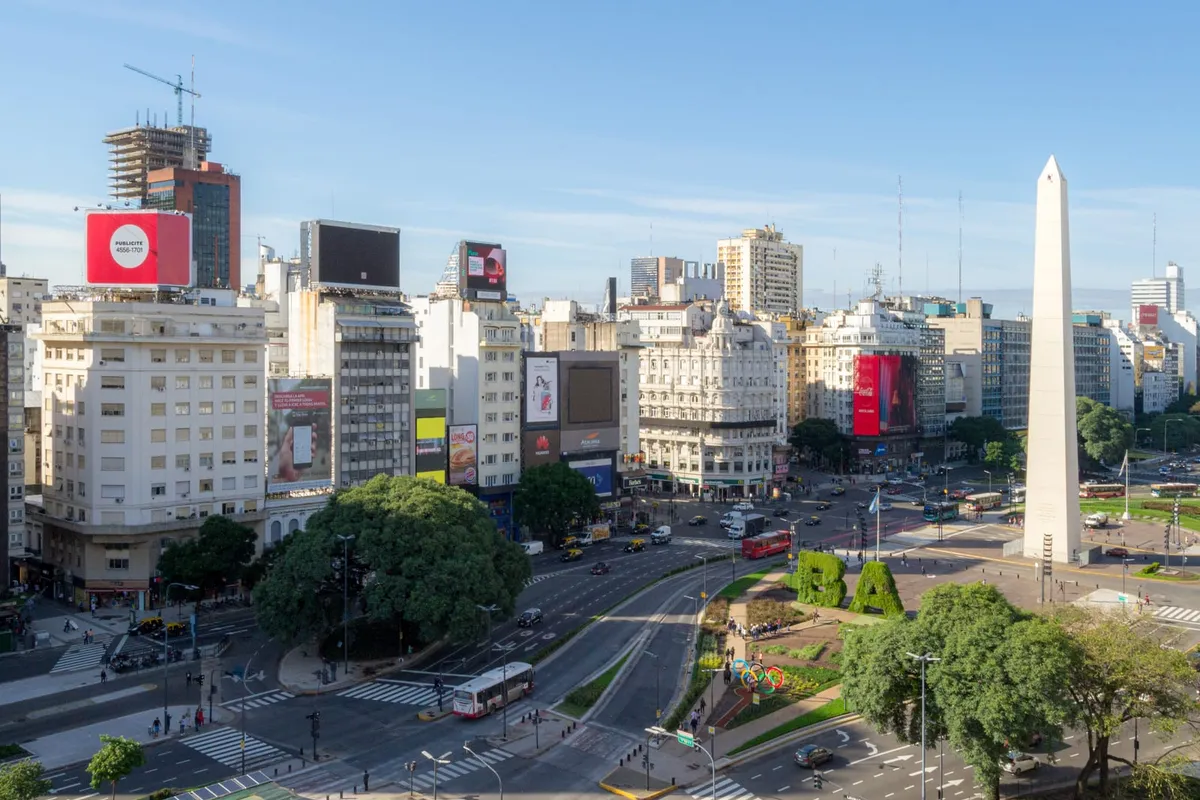
Buenos Aires is one of the world's great capitals for street photography. The combination of European architecture, vibrant street art, unique characters and an intense street life creates photographic opportunities on every block.
Best neighborhoods and spots
- La Boca (Caminito): the colorful corrugated metal houses are the classic postcard. Best on overcast days (diffused light saturates colors without harsh shadows). Caution: do not wander away from Caminito with expensive gear.
- San Telmo: Sunday flea market, street milongas, antique shops. A 35mm or 50mm lens is ideal.
- Palermo: graffiti and murals on every wall. Thames, Armenia and Borges streets have the best murals. Good at any time of day.
- Recoleta: the Recoleta Cemetery offers dramatic light between the mausoleums. Best early morning with sidelight entering the corridors.
- Puerto Madero: modern architecture, Puente de la Mujer. Best photos are at dusk with lights reflected on the water.
Mendoza: vineyards and mountains
The combination of perfectly aligned vineyards with the Andes mountains as a backdrop is one of Argentina's most iconic images. Top spots:
- Zuccardi Winery (Valle de Uco): modern architecture amid vineyards with views of Tupungato. Best at sunset.
- Salentein Winery (Valle de Uco): endless vineyards with the snow-capped Andes behind. Best in winter (June-August) when the mountains have snow.
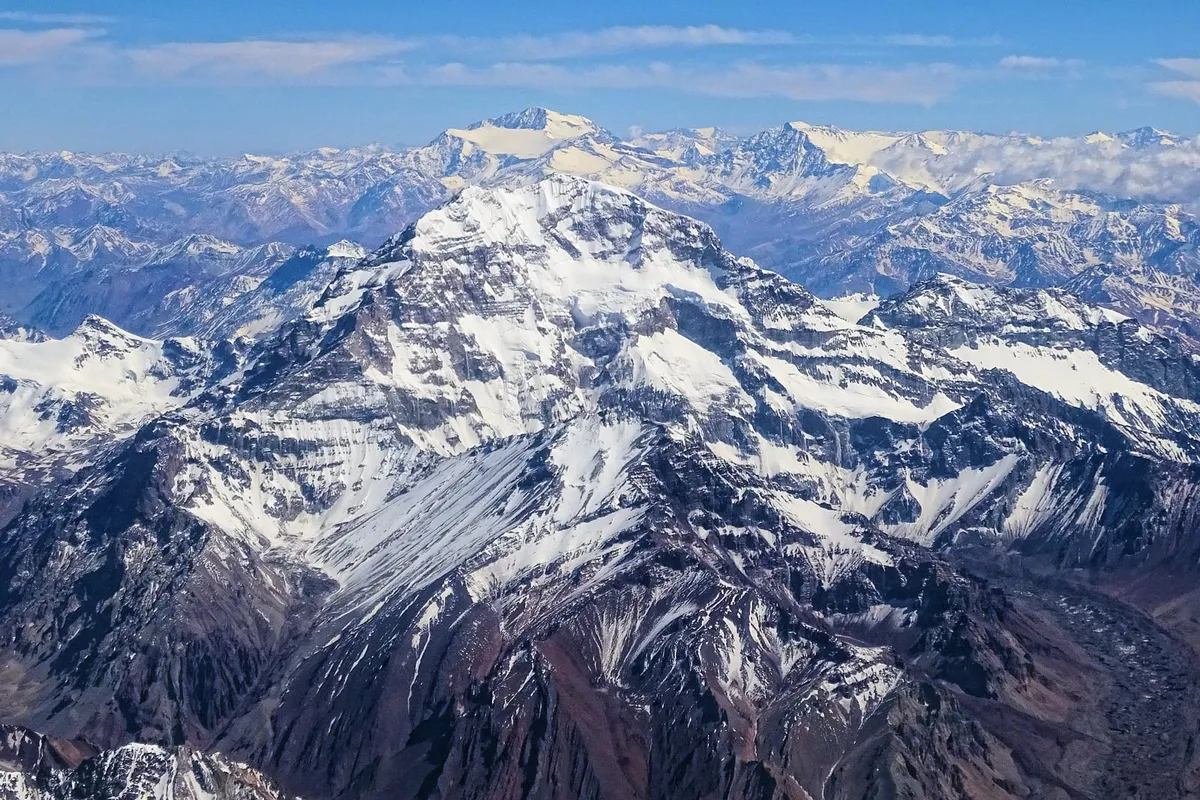
- Aconcagua Route: the highest peak in the Americas (6,961 m) from Route 7. Best in early morning with clear skies.
- Potrerillos: turquoise reservoir with mountains. Ideal for drone photography (check regulations).
Golden hour by region and season
Golden hour varies significantly due to Argentina's north-south extension:
Approximate golden hour times
- NOA (Salta/Jujuy) summer: sunrise 6:15 AM, sunset 7:45 PM
- NOA winter: sunrise 7:30 AM, sunset 6:00 PM
- Buenos Aires summer: sunrise 5:45 AM, sunset 8:00 PM
- Buenos Aires winter: sunrise 7:45 AM, sunset 5:50 PM
- Patagonia summer: sunrise 5:30 AM, sunset 9:30 PM (very long days)
- Patagonia winter: sunrise 8:30 AM, sunset 5:00 PM (short days)
- Ushuaia summer: sunrise 4:45 AM, sunset 10:00 PM
- Ushuaia winter: sunrise 9:45 AM, sunset 5:15 PM
Recommended gear by budget
Smartphone only (USD 0 extra)
Modern smartphones (iPhone 15/16, Samsung Galaxy S24/S25, Pixel 9) take excellent photos. Tips:
- Use HDR mode for landscapes with bright skies and dark shadows
- Clean the lens constantly (especially at Iguazu)
- Use portrait mode for street portraits
- Download a manual camera app (ProCam, Halide) for exposure control and RAW
- Carry a portable battery — photos drain the battery fast
Mid-range (USD 500-1,500)
- Camera: Sony a6400, Fujifilm X-T30 II or Canon R50. Compact, lightweight, excellent for both video and photos.
- Versatile lens: 18-135mm or 16-70mm. One lens for the entire trip.
- Travel tripod: Peak Design Travel Tripod or similar (USD 100-150).
- Polarizing filter: essential for the NOA and Patagonia (USD 30-50).
High-end (USD 3,000+)
- Camera: Sony A7 IV, Nikon Z6 III or Canon R6 II. Full frame for better low-light performance.
- Wide-angle: 16-35mm f/2.8 for landscapes and waterfalls.
- Telephoto: 70-200mm f/2.8 for wildlife and mountain details.
- ND filters: for long exposures at waterfalls and rivers (ND1000 and ND64).
- Drone: DJI Mini 4 Pro or DJI Air 3 (see regulations below).
Drone regulations in Argentina
ANAC (National Civil Aviation Administration) regulates drone use in Argentina. Key rules:
Drone rules in Argentina
- Under 500g: No registration required. Can fly freely in permitted areas.
- 500g to 10kg: Free online registration at ANAC website required. Must fly below 120 meters and within line of sight.
- Over 10kg: Requires RPAS pilot license and insurance.
- Absolute prohibitions: airports (5 km radius), over people, mass events, military zones.
- National Parks: PROHIBITED without special authorization from National Parks Administration (difficult to obtain).
- Cities: permitted with restrictions (not over people, not over buildings, max 43m altitude in urban areas).
Region-specific tips
Northwest (Salta, Jujuy, Tucuman)
- Polarizing filter always on
- Protect gear from dust (ziplock bags, air blower)
- Altitude can affect batteries (they drain faster in cold high-altitude conditions)
- The high-altitude sun burns quickly — protect your skin while shooting
Patagonia
- Heavy tripod or one with a hook for ballast — the wind is brutal
- Extra batteries — cold drains them rapidly
- Stabilized lens (IS/VR/OIS) to compensate for wind
- Layered clothing so you can move and shoot comfortably
Iguazu
- Waterproof cover for the camera (mandatory at Devil's Throat)
- Microfiber towels to dry the lens
- Anti-fog protection for the lens (temperature changes cause condensation)
- Arrive early to avoid crowds (the park opens at 8:00 AM)
Buenos Aires
- Discreet lens (35mm or 50mm) for street photography without intimidating subjects
- Keep your camera secure in tourist areas — wear it cross-body
- The best street photos are on Sundays at the San Telmo Fair
- For Recoleta Cemetery, arrive at opening (7:00 AM) for light and solitude
Useful apps and resources
- PhotoPills: plan golden hour, blue hour, Milky Way and sun trajectory
- Google Earth: scout locations before your trip
- Windy.com: wind forecast (critical in Patagonia) and cloud cover
- Lightroom Mobile: quick edits on your phone
- Maps.me: offline maps with marked trails