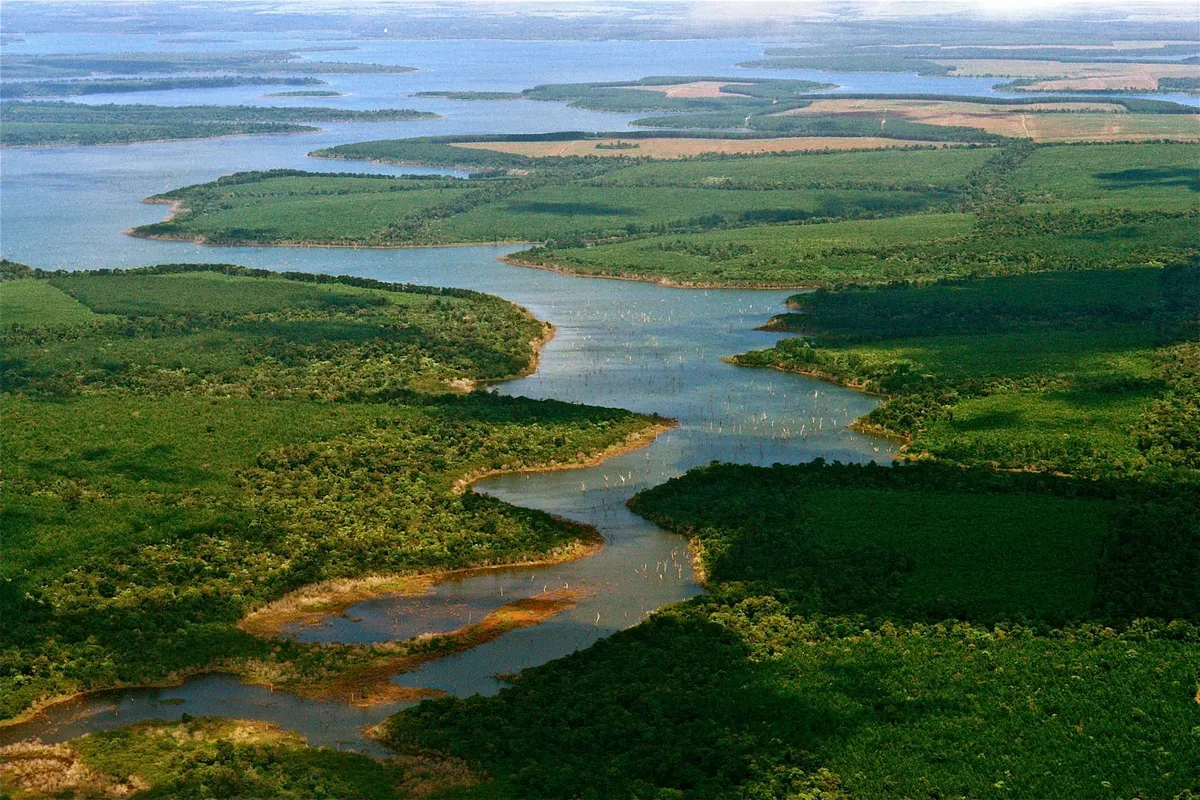
The Ibera Wetlands harbour one of the highest concentrations of visible wildlife in Argentina. Unlike many wilderness areas where animals are elusive, Ibera's wildlife is remarkably approachable: capybaras graze in groups of 20-50 within metres of boats, broad-snouted caimans line every waterway, marsh deer stand in shallow water, howler monkeys roar from the canopy, and over 350 bird species create a constant symphony. The Rewilding Argentina project has added jaguars, giant otters, giant anteaters, pampas deer and red-and-green macaws to this extraordinary assemblage.
Getting there — distances & times
| From | Distance | Flight | Bus | Drive |
|---|---|---|---|---|
| Buenos Aires (EZE) | 1100 km | — | 14 h | 12 h |
| Mercedes (Corrientes) | 120 km | — | 3 h | 2 h 30 |
| Corrientes (CNQ) | 330 km | 1 h 30 to CNQ | 6 h | 5 h |
| Posadas (PSS) | 340 km | 1 h 35 to PSS | 6 h | 5 h |
| Iguazú | 680 km | — | 12 h | 10 h |
Month-by-month climate
| Month | Temp. | Rain | Crowds | Note |
|---|---|---|---|---|
| Jan | 22° / 33°C | 160 mm | Extreme heat + mosquitoes | |
| Feb | 22° / 32°C | 140 mm | ||
| Mar | 20° / 30°C | 160 mm | ||
| Apr | 17° / 27°C | 170 mm | Ideal season | |
| May | 13° / 23°C | 120 mm | ||
| Jun | 10° / 20°C | 70 mm | ||
| Jul | 10° / 21°C | 60 mm | Wildlife more visible | |
| Aug | 11° / 23°C | 70 mm | ||
| Sep | 14° / 25°C | 120 mm | Ideal season | |
| Oct | 16° / 27°C | 160 mm | ||
| Nov | 18° / 30°C | 170 mm | ||
| Dec | 20° / 32°C | 160 mm |
Species Guide
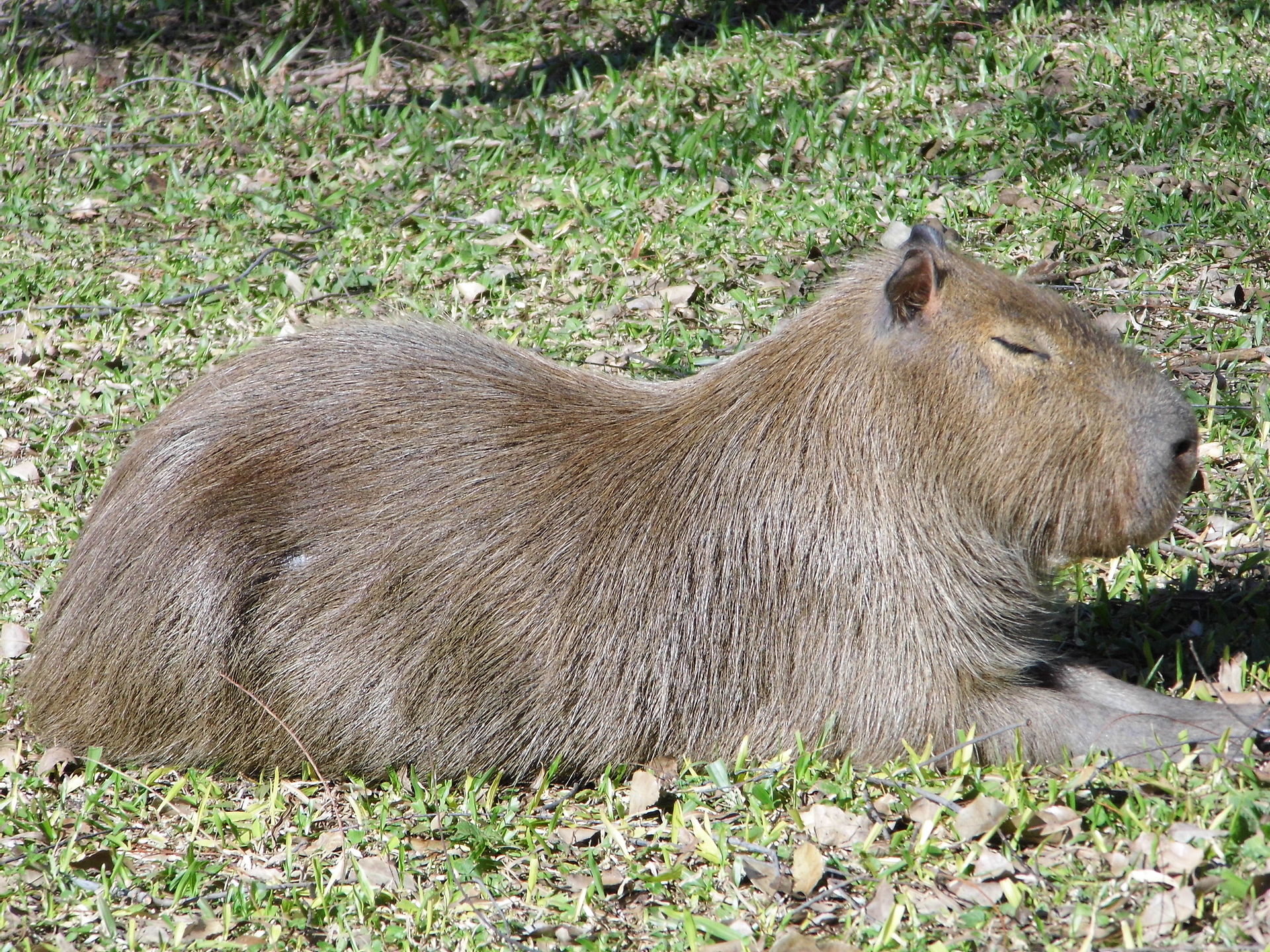
Capybara (Hydrochoerus hydrochaeris)
The world's largest rodent (up to 65 kg). Ibera has one of the densest populations on Earth. Groups of 20-50 graze on floating islands and lagoon banks. Seen on virtually every boat trip. Active throughout the day, especially dawn and dusk.
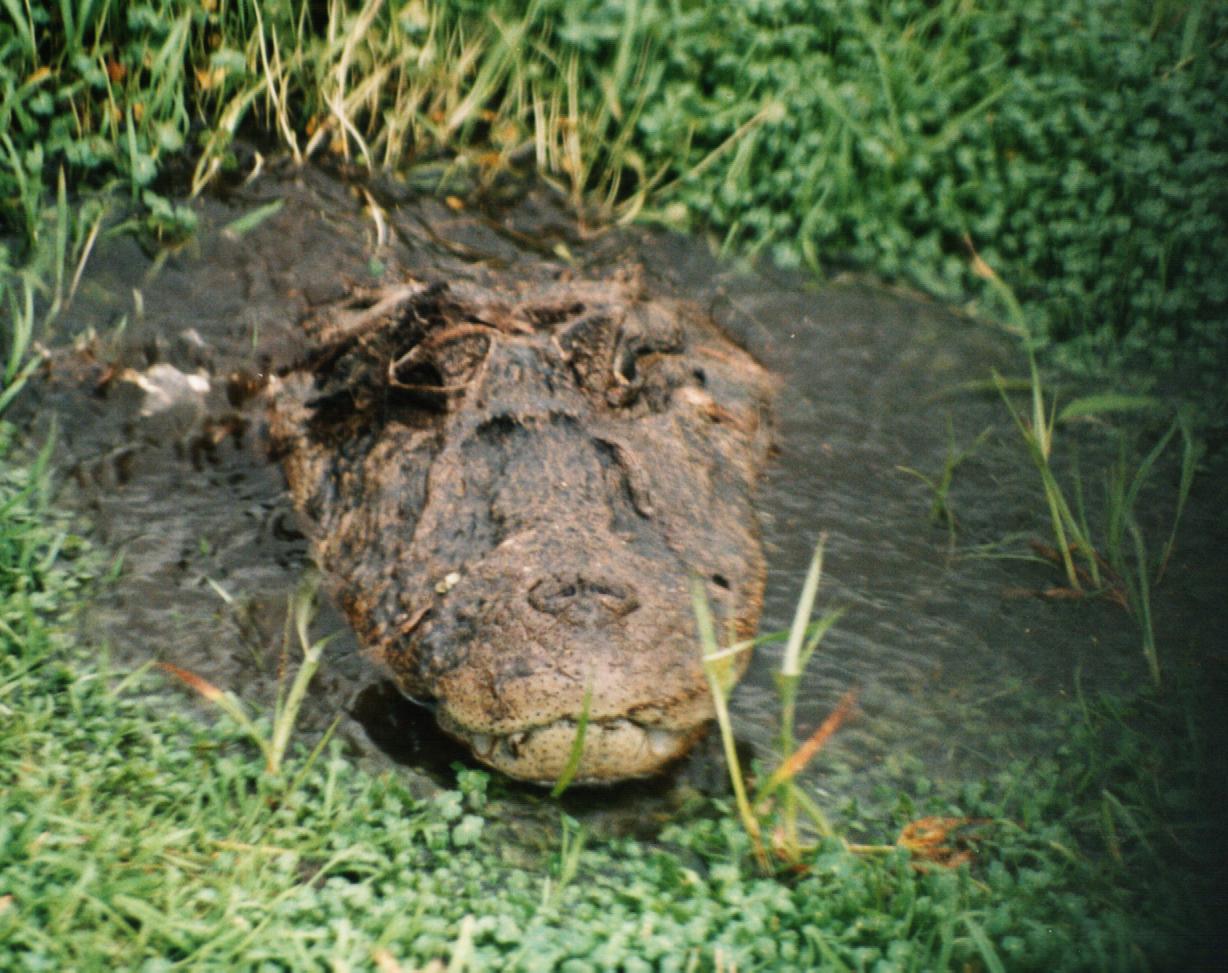
Broad-snouted Caiman (Caiman latirostris)
Thousands inhabit the wetlands. Seen sunning on banks during the day. At night, their red eyes glow in spotlights -- a spectacular sight on night boat tours. Adults reach 2-3 metres.
Marsh Deer (Blastocerus dichotomus)
South America's largest deer, standing in shallow water with impressive antlers. Ibera is one of its last strongholds. Seen on boat tours, especially at dawn.
Howler Monkeys (Alouatta caraya)
Black howler monkeys live in gallery forests, their deep roars audible for kilometres. The Monkey Trail at Colonia Pellegrini offers reliable sightings in the canopy above.
Jaguar (Panthera onca)
Reintroduced by Rewilding Argentina, jaguars now roam the wetlands again. Population is small and growing. Sightings are rare but camera traps record them regularly. Best chances at specific rewilding portals with expert guides.
Birds (350+ Species)
Ibera is an extraordinary birding destination. Highlights: jabiru stork (South America's tallest bird), roseate spoonbill, snail kite, rufescent tiger heron, great potoo, bare-faced curassow (reintroduced), red-and-green macaw (reintroduced). Dawn boat tours regularly record 50-80 species.
Best Times for Wildlife
- Dawn (5:30-8:00): Best overall wildlife viewing. Mammals active, birds singing, mist on the lagoon creates atmospheric conditions.
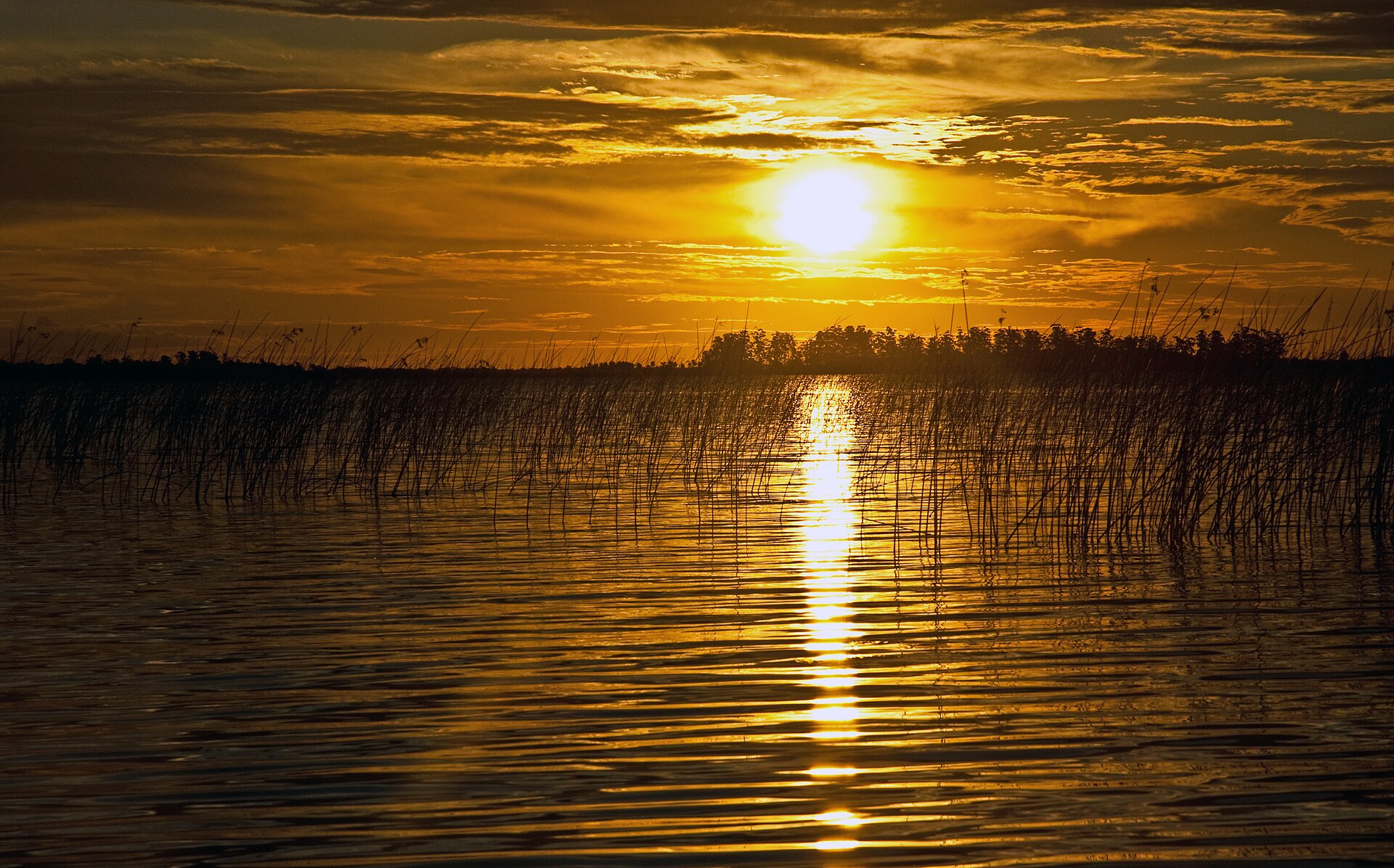
- Dusk (17:00-19:00): Second peak. Capybaras and deer emerge. Birds return to roosts. Golden light for photography.
- Night (20:00-22:00): Caiman spotting, owls, nightjars, nocturnal mammals.
- Season: April-October offers the best combination of comfortable temperatures, low mosquitoes and excellent visibility.