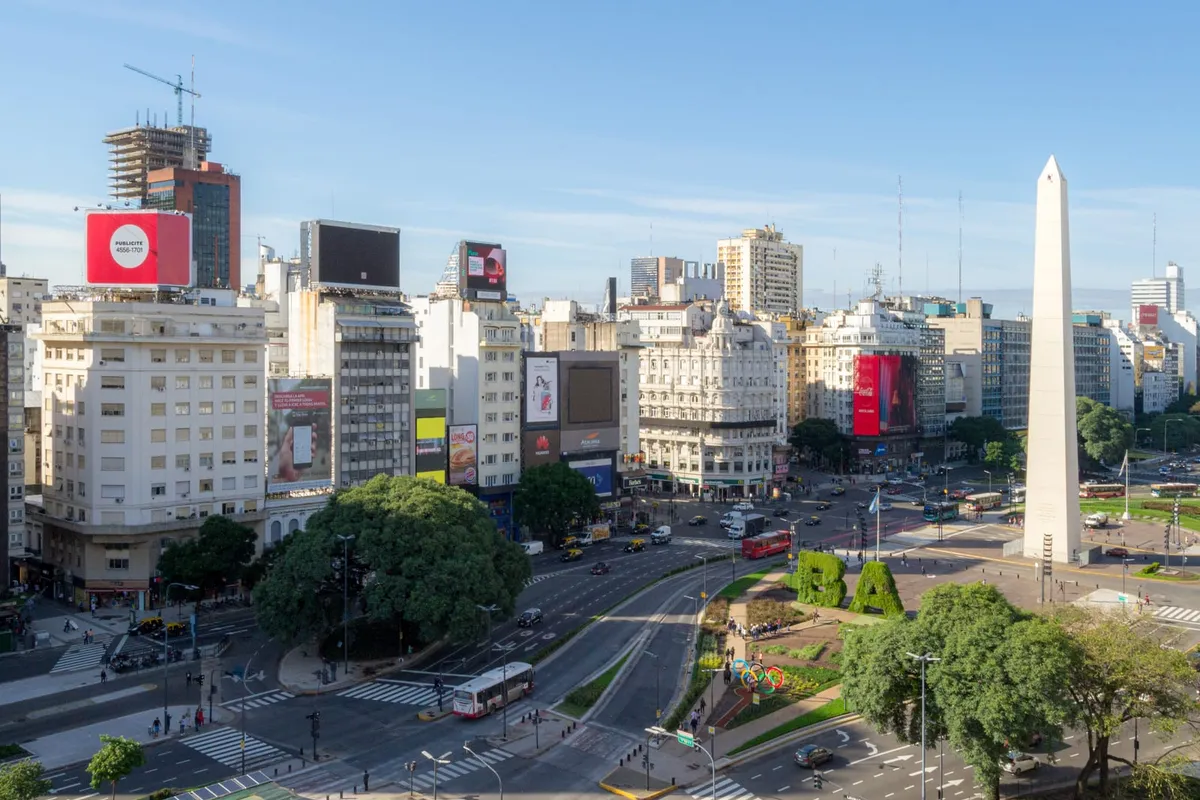
Recoleta is Buenos Aires's most elegant neighbourhood, the closest the city gets to looking like Paris — wide tree-lined avenues, Beaux-Arts mansions, French eclectic apartment blocks built between 1880 and 1920, and the famous Recoleta Cemetery, where Eva Peron, ten Argentine presidents and 4,800 vaults sit packed into a 5.5-hectare necropolis declared a National Historic Monument. Home to about 165,000 residents in Comuna 2, Recoleta concentrates Argentina's wealthy old families, the country's top contemporary art museum (MALBA, with works by Frida Kahlo, Diego Rivera and Antonio Berni), the historic Café La Biela opposite the cemetery, the giant kinetic Floralis Generica sculpture in Plaza Naciones Unidas, and the most expensive luxury hotels in the city. The neighbourhood is calm by day, lively at café terraces in the afternoon, and refined at dinner. For first-time travellers over 40, families, or anyone who wants the European face of Buenos Aires, Recoleta is the obvious base.
Getting there — distances & times
| From | Distance | Flight | Bus | Drive |
|---|---|---|---|---|
| New York (JFK) | 8500 km | 10 h 30 direct | — | — |
| Miami (MIA) | 7100 km | 9 h direct | — | — |
| Madrid (MAD) | 10000 km | 12 h direct | — | — |
| São Paulo (GRU) | 1700 km | 2 h 50 | — | — |
| Santiago (SCL) | 1140 km | 2 h | 20 h | 14 h |
| Mendoza | 1050 km | 1 h 45 | 14 h | 11 h |
| Córdoba | 700 km | 1 h 15 | 10 h | 8 h |
| Iguazú (IGR) | 1300 km | 1 h 45 | 18 h | 15 h |
Month-by-month climate
| Month | Temp. | Rain | Crowds | Note |
|---|---|---|---|---|
| Jan | 21° / 30°C | 120 mm | Hot summer | |
| Feb | 20° / 28°C | 125 mm | ||
| Mar | 18° / 26°C | 130 mm | Ideal fall start | |
| Apr | 14° / 22°C | 95 mm | ||
| May | 11° / 19°C | 75 mm | ||
| Jun | 8° / 15°C | 60 mm | ||
| Jul | 7° / 15°C | 60 mm | Winter break | |
| Aug | 9° / 17°C | 70 mm | ||
| Sep | 11° / 19°C | 80 mm | Ideal spring | |
| Oct | 13° / 22°C | 120 mm | ||
| Nov | 16° / 25°C | 125 mm | ||
| Dec | 19° / 28°C | 120 mm | Year-end holidays |
Typical prices by category
| Category | Budget | Mid-range | Luxury |
|---|---|---|---|
| Hotel/night | USD 20–35 | USD 60–110 | USD 180–500 |
| Food/day | USD 15–22 | USD 30–55 | USD 80–200 |
| Tango show | USD 25–40 | USD 60–90 | USD 120–250 |
| Day tour | USD 30–50 | USD 60–90 | USD 150–300 |
Approximate ranges in USD as of April 2026. Subway & bus: flat ~ARS 500 fare.
Getting to Recoleta
| From | Distance | Bus | Drive |
|---|---|---|---|
| EZE Airport | 32 km | 1 h 20 (Tienda Leon) | 40–55 min |
| AEP Airport | 6 km | 25 min | 15 min |
| Palermo | 3 km | 20 min | 10 min |
| Microcentro | 3 km | 20 min | 10 min |
| San Telmo | 4 km | 25 min | 15 min |
| La Boca | 7 km | 40 min | 20 min |
Typical prices by category
| Category | Budget | Mid-range | Luxury |
|---|---|---|---|
| Hotel/night | USD 50–80 | USD 90–180 | USD 250–800 |
| Cemetery entry | USD 8 | USD 8 | USD 8 |
| MALBA entry | USD 12 | USD 12 | USD 12 |
| Café notable coffee | USD 4–6 | USD 8–12 | USD 15–25 |
| Fine-dining dinner | USD 30–50 | USD 60–100 | USD 120–300 |
| Walking tour (3h) | USD 15–25 | USD 35–50 | USD 60–120 |
The Recoleta Cemetery
Founded in 1822, the Cementerio de la Recoleta is one of the most extraordinary cemeteries in the world and consistently ranks in CNN's "world's best cemeteries" lists. It covers 5.5 hectares with 4,800+ vaults arranged in narrow streets, 94 of them officially declared National Historic Monuments. The most-visited tomb is the Duarte family vault where Eva Peron was buried in 1976 (after her embalmed body travelled from Buenos Aires to Italy to Madrid and back across two decades).
Other notable graves
- Domingo Faustino Sarmiento — president, writer, founder of public schools. Larger-than-life bronze statue.
- Raul Alfonsin — first democratic president after the 1976–1983 dictatorship.
- Liliana Crociati de Szaszak — died at 26 in 1970; her tomb features a famous statue of her with her dog Sabu.
- Familia Pueyrredon — independence-era patrician family with one of the cemetery's grandest mausoleums.
- Familia Paz — founders of the La Prensa newspaper and Palacio Paz mansion.
Hours: daily 08:00–18:00, last entry 17:30. Entry: ~USD 8 for foreign visitors (since 2024). Free maps at the entrance — bring one, the layout is genuinely confusing.
Around the Cemetery
Iglesia del Pilar
The colonial-era church next to the cemetery, built in 1732 by Recoletos friars (the religious order that gave the neighbourhood its name). One of the oldest buildings in Buenos Aires, with a small museum upstairs. Free entry, open 10:00–19:00.
Plaza Francia and the weekend market
The wide plaza outside the cemetery hosts a weekend artisan market (Saturday and Sunday 11:00–19:00) — leather, silver jewellery, mate gourds, and crafts from across Argentina. Quality is variable but it\'s a good place to buy souvenirs at fair prices. The plaza connects to the green slope of Plaza Intendente Alvear, where porteños picnic and play music on Sundays.
Centro Cultural Recoleta
Cultural centre in a former monastery and asylum building. Hosts contemporary art exhibitions, performances, free concerts. Worth a 30–60 minute visit even without a specific show. Entry usually free. Located at Junín 1930.
MALBA — Museo de Arte Latinoamericano
The most important contemporary art museum in Argentina, technically in Palermo Chico but a 10-minute walk from Recoleta. Permanent collection includes Frida Kahlo's Self-Portrait with Monkey, Diego Rivera, Tarsila do Amaral, Antonio Berni's Manifestación, and the largest Xul Solar collection in the world. Open Wed–Mon 12:00–20:00 (closed Tuesday), entry USD 12, free on Wednesdays. Café and excellent gift shop. Avenida Figueroa Alcorta 3415.
Floralis Generica
The 23-metre tall steel and aluminium sculpture in Plaza Naciones Unidas, created by Argentine architect Eduardo Catalano in 2002. The six petals were designed to open at sunrise (08:00) and close at sunset (20:00) — though the mechanism has been broken for years and the petals are now permanently open. Best photographed at sunset against the skyline. Free, accessible 24/7.
The Cafés Notables
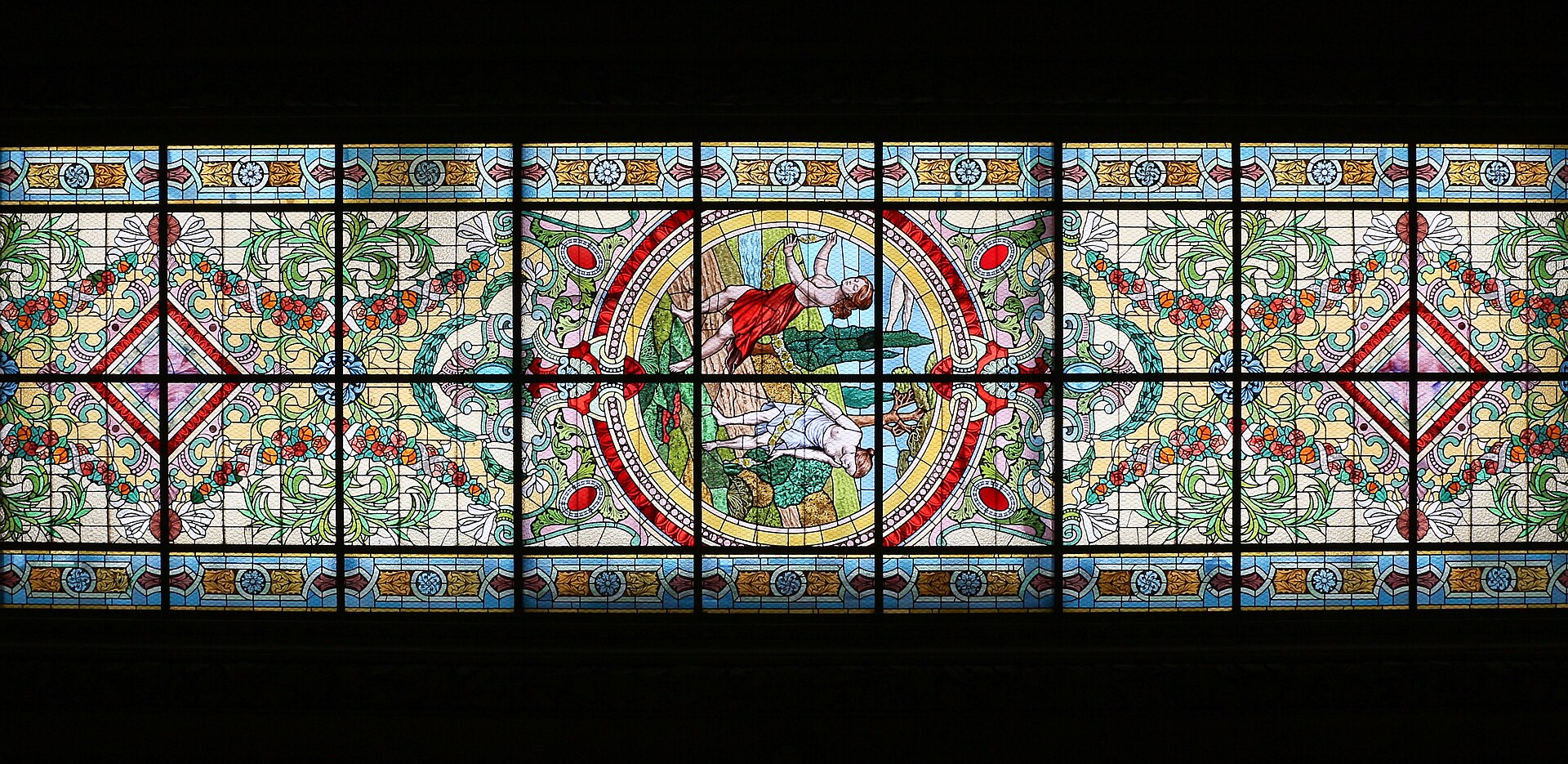
Buenos Aires has a registry of "cafés notables" — historic cafés with cultural heritage status that cannot legally change their architecture. In Recoleta the must-visit is La Biela (founded 1850, Avenida Quintana 600). Borges and his sister Norah were regulars; sit at the outdoor terrace under the gum tree, order a cortado and a medialuna for around USD 8, and watch the cemetery foot traffic. Touristy and not cheap, but the view and the legacy justify it once. Just outside Recoleta proper, Café Tortoni (Avenida de Mayo 825) is the most famous café in Argentina — founded 1858, with original tile floors and stained-glass ceiling. Expect a queue.
Where to Stay in Recoleta
Recoleta is the most upscale lodging area in Buenos Aires. The Alvear Palace Hotel (USD 400–800), Park Hyatt Palacio Duhau (USD 350–700) and Four Seasons (USD 450–900) are the trio of legendary luxury options. Mid-range solid choices include Loi Suites Recoleta, Recoleta Grand and Etoile Hotel (USD 90–180). Boutique options are limited compared to Palermo but include Mio Buenos Aires and Algodon Mansion. Most hotels cluster between Avenida Las Heras, Avenida Pueyrredón and Avenida Alvear.
Where to Eat
- Oviedo — classic upscale Spanish-Argentine, decades-old Recoleta institution.
- Sirop Folie — small, intimate, French-Argentine fine dining at fair prices.
- Rodi Bar — neighbourhood bodegón, classic milanesa, ravioles and bife de chorizo for USD 15–25.
- El Sanjuanino — empanadas salteñas and locro, very affordable.
- Crizia — modern Argentine seafood and oysters, contemporary atmosphere.