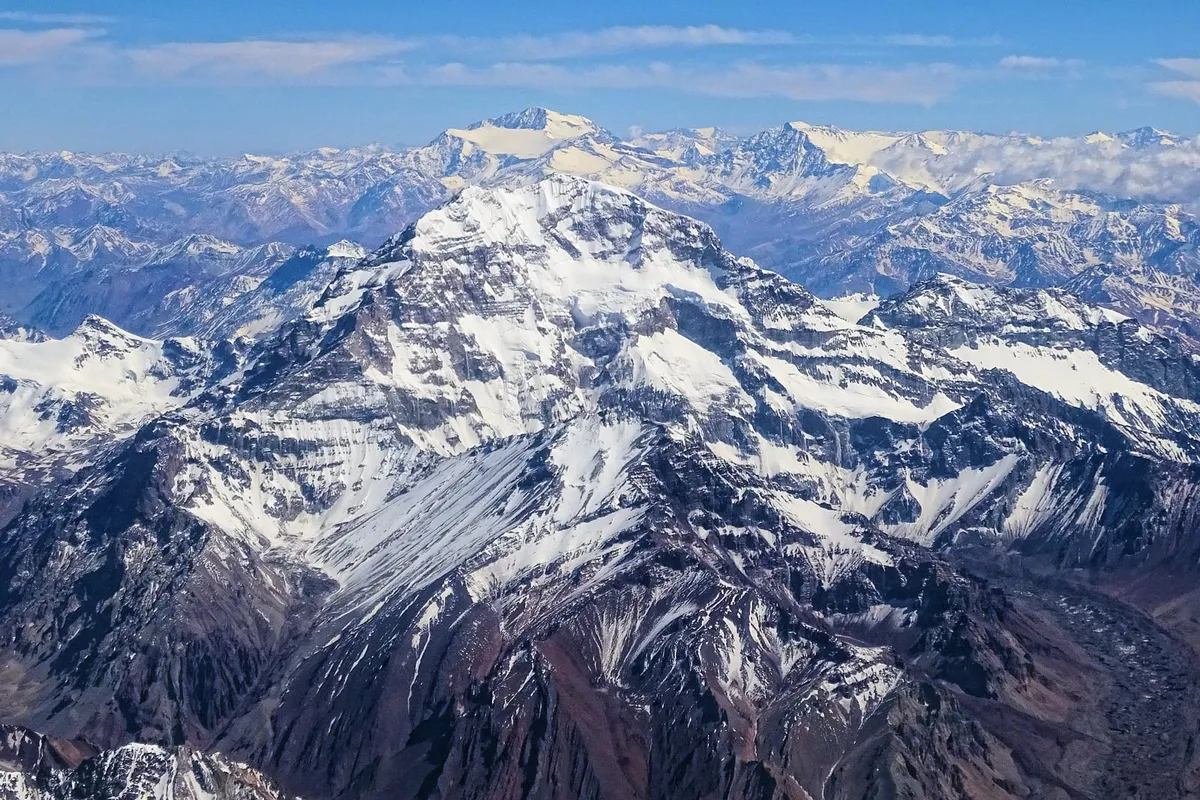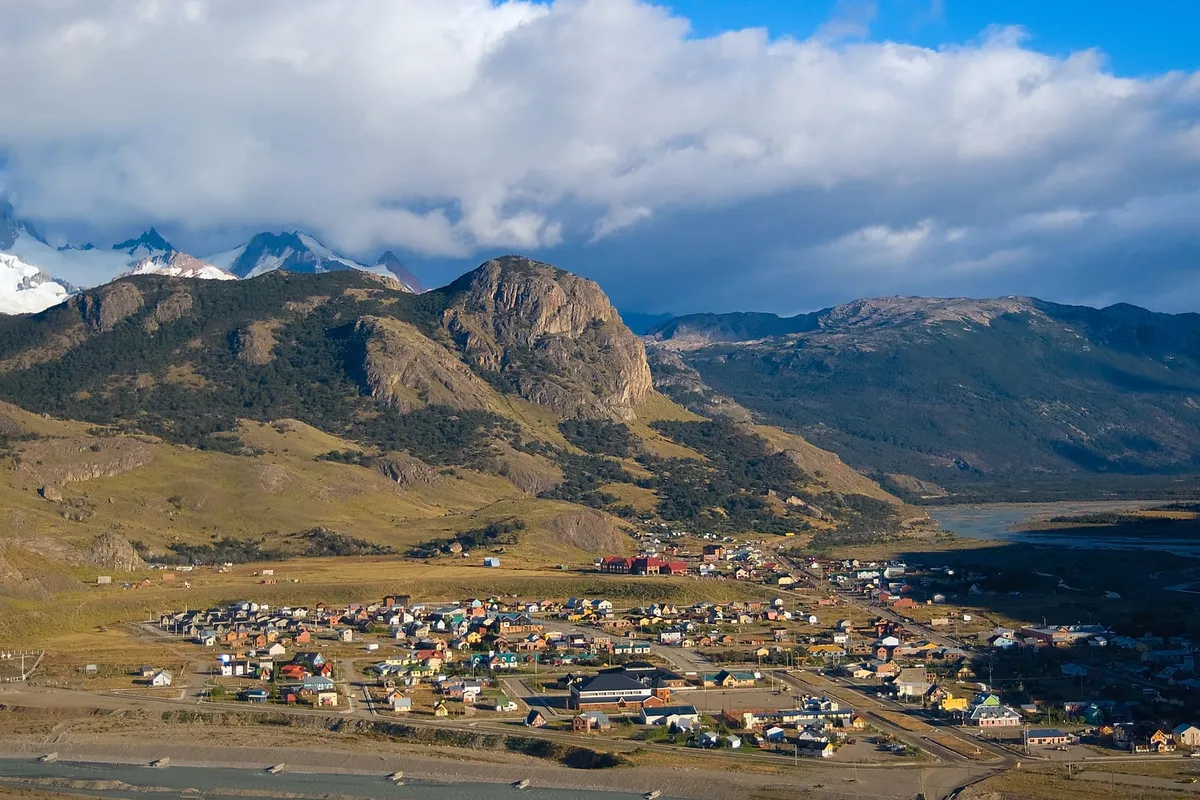
Fiambala is a town of 5,500 inhabitants (2022 census) in the Tinogasta department of Catamarca province, located at 1,510 meters above sea level in the Fiambala Valley, a longitudinal basin between the Sierra de Fiambala to the east and the Andes to the west, irrigated by the Fiambala River and protected from southern winds. Founded in 1702 as San Pedro de Fiambala and reorganized in 1745, it preserves a strong historical identity with 300+ year-old adobe architecture that makes it one of the best-preserved heritage towns in Argentina. Its star tourist attraction is the Fiambala Hot Springs, a natural complex of 6 stepped thermal pools outdoors on the mountainside, 17 kilometers from town via paved then dirt road, with sodium bicarbonate geothermal waters at temperatures of 20°C in the lower pool to 44°C in the upper one, with recognized medicinal properties for rheumatism, stress and skin issues, surrounded by a virgin red volcanic rock setting with no modern construction. Entry is USD 8-12, with hours 8:00-22:00 in summer and 8:00-20:00 in winter, and the Hotel Termas de Fiambala (3★) offers lodging with thermal access included for USD 85-125 per night. Together with the hot springs, Fiambala is the center of the Adobe Route, a 50-km cultural tourist circuit connecting with Tinogasta (50 km south) and including seven Andean adobe heritage sites declared Provincial Historic Monuments: Andacollo Church (1792), San Pedro de Saujil Church, San Pedro de Fiambala Church (1770, colonial altarpieces and gold altar), Arms Command (now museum), Los Orquera Oratory and Mayorazgo, and Watungasta Cemetery. The route is done in 1 day with own car and free entry at most sites. Other attractions include the Taton Dunes (a field of white dunes 30 km northwest, ideal for sandboarding and sunset rides), the high-altitude wineries (vineyards at 1,600-2,000m producing Torrontes Riojano and Malbec, with Fiambala Valley designation of origin under processing; Bodega Saleme and Estancia Don Diego offer visits with tasting), the San Francisco Pass (international border at 4,726m, season October-May, extreme and scenic route to Copiapó Chile with views of Mount Pissis 6,795m and the Ojos del Salado Volcano 6,893m — the world's highest volcano) and the Wine Festival of Fiambala in February. Local cuisine combines Andean and criollo traditions: asado-roasted goat, Catamarca locro, empanadas, tamales, humita, local goat cheese, chañar syrup, fig and quince sweets. Fiambala is reached from Catamarca capital in 310 km via RN 60 + RP 3 + RN 40 (4h30, fully paved), from Tinogasta in 50 km (45 min) and from Belen in 220 km (3h30). It's a regular stop on 10+ day NW Argentina circuits and a logical combination with Antofagasta de la Sierra for those doing the Puna.
Getting there — distances & times
| From | Distance | Bus | Drive |
|---|---|---|---|
| Catamarca capital | 310 km | 5 h | 4h 30 |
| Tinogasta | 50 km | 1 h | 45 min |
| Belen | 220 km | 3h 30 | 3h 30 |
| La Rioja capital | 350 km | — | 4h 30 |
| Antofagasta de la Sierra | 480 km | — | 8 h (last stretch dirt) |
| Tucuman | 465 km | 6 h | 6 h |
| Salta (via Cafayate) | 640 km | — | 9 h |
| Copiapo (Chile, San Francisco Pass) | 365 km | — | 7 h (in season) |
| Hot springs (from town) | 17 km | — | 30 min |
| Taton Dunes | 30 km | — | 1 h (dirt) |
Typical prices by category
| Item | Price |
|---|---|
| Hotel Termas Fiambala 3★ (with thermal access) | USD 85-125 |
| Hospedaje Fiambala downtown | USD 55-80 |
| Hostería Municipal | USD 45-65 |
| Family lodging | USD 30-50 |
| Thermal campsite | USD 10/person |
| Hot springs entry (day) | USD 8-12 |
| Adobe Route excursion (full day) | USD 45-65 |
| Taton Dunes excursion | USD 55-75 |
| Bodega Saleme (tasting) | USD 20-30 |
| San Francisco Pass 4x4 excursion (day) | USD 145-180 |
| Regional dinner | USD 15-22 |
| Local Torrontes wine bottle | USD 12-25 |
April 2026 prices. July (winter holidays) and February (harvest): +40%.
Fiambala Hot Springs — Step by Step
The 6 Pools
The complex is a set of natural stone pools, sculpted along the slope of the Sierra de Famatina, where a geothermal spring emerges. Each pool has a progressive temperature:
- Pool 1 (the base): 20°C. Transitional, to cool down after the higher ones.
- Pool 2: 28°C. Pleasant for children.
- Pool 3: 34°C. The most popular.
- Pool 4: 38°C. Deep relaxation.
- Pool 5: 41°C. High intensity.
- Pool 6 (the highest): 44°C. Adults only without cardiovascular conditions. Maximum 10-15 min.
Climb on foot via stone steps between pools (3-5 min each). Recommended ritual: start in pools 3-4, climb progressively to 6, descend to cool in 1 or 2. Total 2-3 hours. Simple changing rooms, modest snack bar. Bring thermos, water, sandals. The red-mountain setting is almost virgin — apart from minimal services there are no buildings.
Hours and Rates 2026
- Summer (November-March): 8:00-22:00.
- Winter (April-October): 8:00-20:00.
- Adult entry: ARS 8,000 (~USD 8-12).
- Children 5-12: 50% discount.
- Children under 5: free.
- Hotel Termas prices: double room USD 85-125/night with thermal access included (best option for several days).
The Adobe Route (50 km, 7 sites)
Heritage circuit between Tinogasta and Fiambala that preserves Andean adobe architecture with 500+ year-old techniques. The 7 sites, from south to north:
- Andacollo Church (Tinogasta downtown, 1792): adobe church with a flat roof, altarpieces with gold leaf.
- San Pedro de Saujil Church: simple adobe architecture, very photogenic.
- Arms Command: colonial mansion turned historical museum.
- Los Orquera Mayorazgo: 18th-century family mansion, manorial adobe architecture.
- Los Orquera Oratory: small family chapel.
- San Pedro de Fiambala Church (1770): the gem of the circuit, colonial altarpieces, gilded altar, towers.
- Watungasta Cemetery: ancient cemetery with adobe tombs, unique atmosphere at sunset.
Done in 4-6 hours with stops in own car. Free map at the Fiambala or Tinogasta tourist office. Guided excursions USD 45-65 full day (including lunch).
Experiences in Fiambala
Hot Springs + Adobe Route (full day)
Morning at Fiambala Hot Springs (the 6 pools) + afternoon full Adobe Route with all 7 heritage sites. Lunch included.
Taton Dunes + Sandboarding
4x4 excursion to the white dunes (30km). Sandboarding included, sunset snack on top of the dunes. 5 hours.
San Francisco Pass 4x4 (in season)
Day excursion to the border pass at 4,726m. View of Mount Pissis and Ojos del Salado. Onboard oxygen, guide. October-May only.
What to Combine with Fiambala
- Catamarca capital (310 km): start or end of the circuit.
- Belen (220 km): base for Puna, weavings.
- Antofagasta de la Sierra (480 km): extreme Puna.
- Tinogasta (50 km): Fiambala's sister on the Adobe Route.
- La Rioja (350 km): neighboring province.
- Cafayate (640 km): combination with the Calchaqui Valleys.