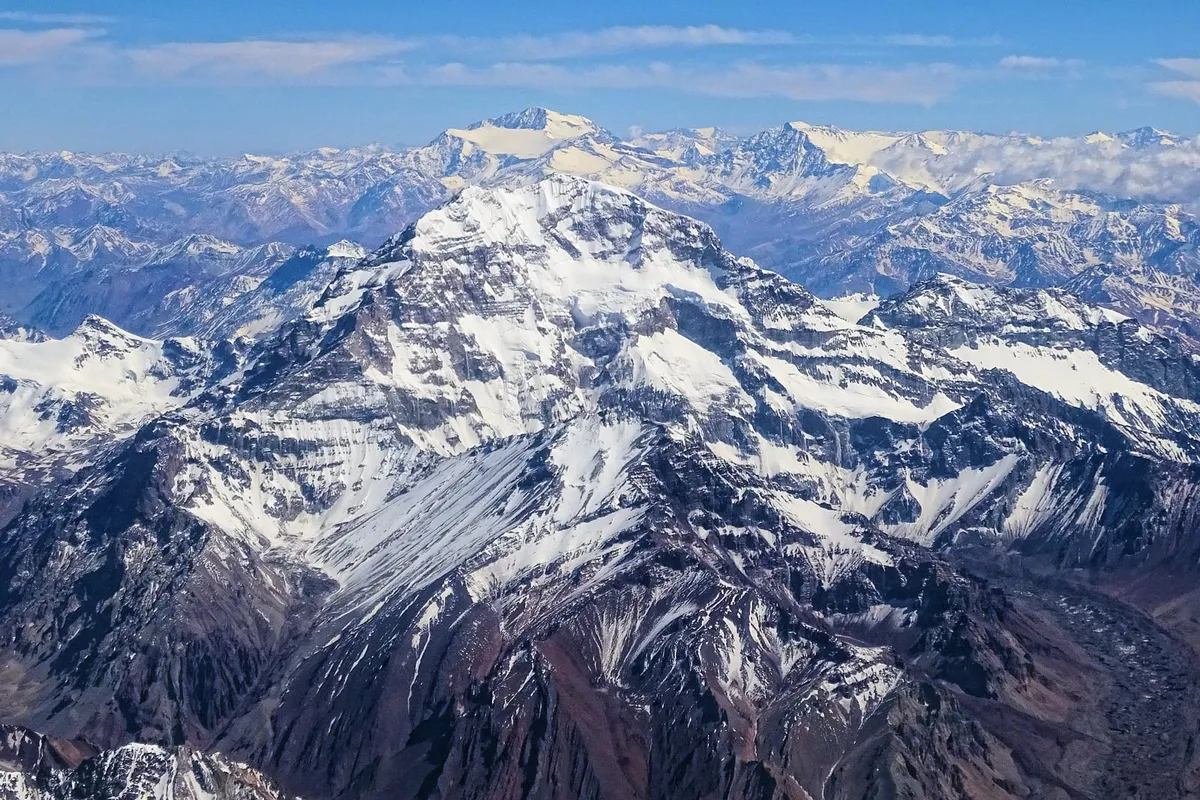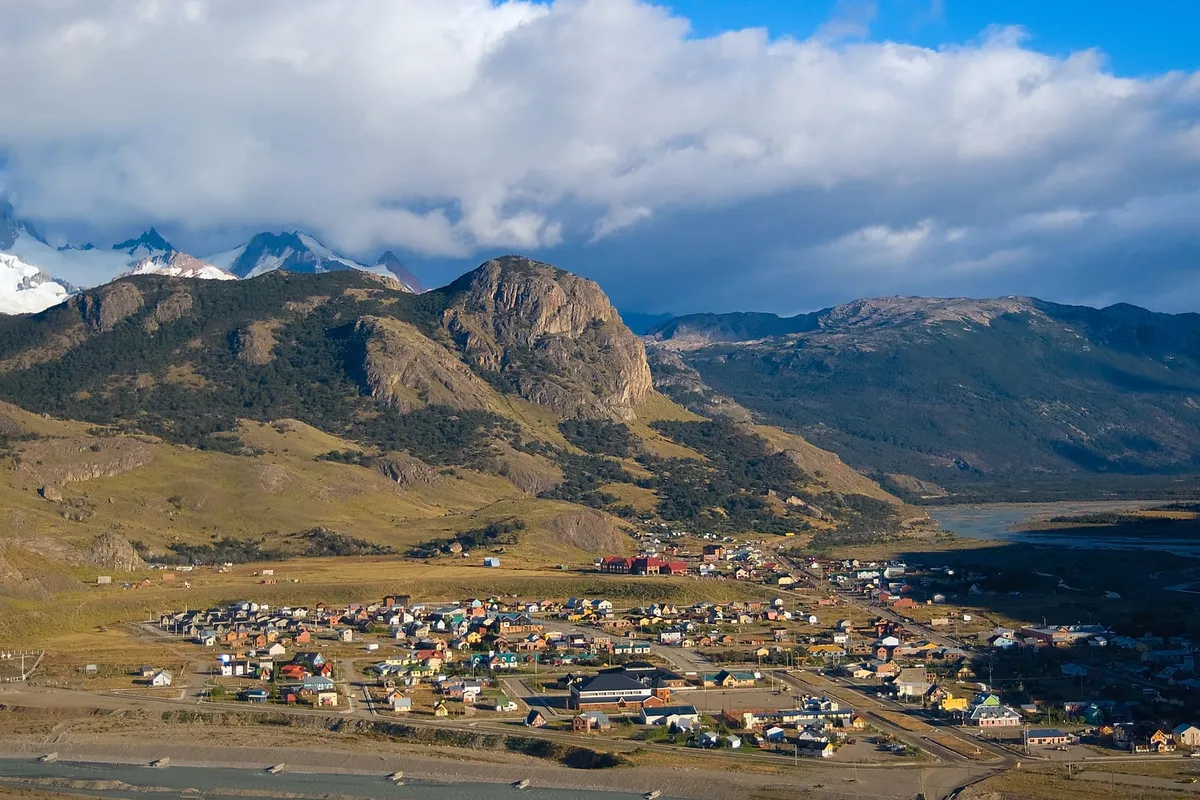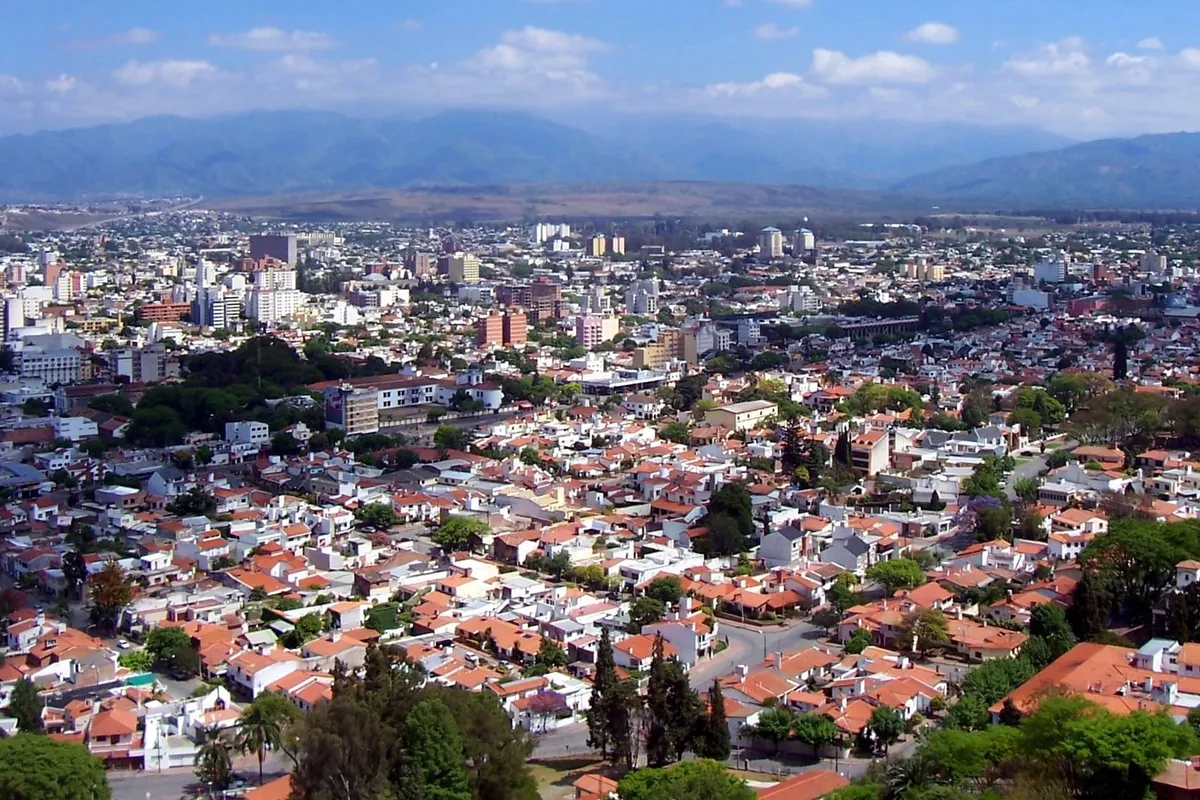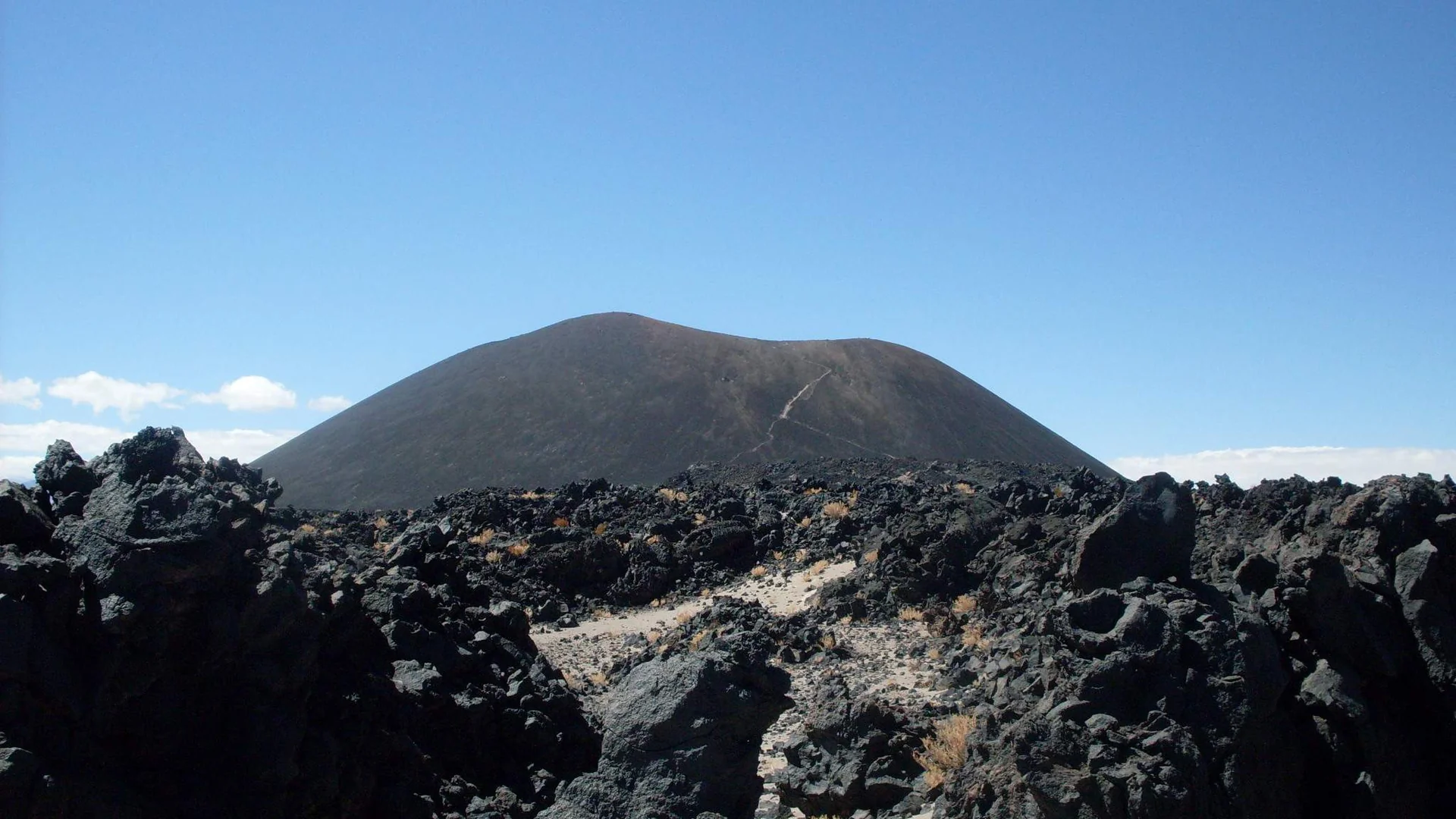
Antofagasta de la Sierra is the largest and most remote department of Catamarca province, with 28,097 km² (27% of the province) and barely 1,400 inhabitants distributed between the departmental capital Antofagasta de la Sierra (the village, 3,000 inhabitants, 3,323m), the small village of El Peñon (25 km south, 300 inhabitants) and scattered Puna communities like Los Nacimientos, Antofalla and El Rincón. It is one of the highest, most arid and seismically active areas in Argentina: the entire region is dominated by the Galan Volcano (5,912m summit, caldera rim at 4,500m), whose 40 km × 24 km volcanic caldera is the largest in the world — formed by a catastrophic eruption 2.5 million years ago (VEI 8, the maximum historical magnitude on the volcanic scale), and by the Pumice Stone Field, a 25 km² protected area at 3,500m with white pumice stone formations sculpted by the wind over the last thousands of years that create a landscape unique in South America, described as "petrified waves" or "a white sea in the middle of the desert." Inside the Galan caldera there are two star high-Andean lagoons: Laguna Grande (breeding habitat for the three Andean flamingo species — austral, parina grande and parina chica — with colonies that at migratory peak reach 15,000 individuals) and Laguna Diamante (crystal blue at 4,600m, surrounded by ancient salt flats). Other attractions: the Antofalla Salt Flat (150 km long, one of the largest in the world outside Salar de Uyuni), the Cerro Galán-La Hoyada Volcanic Complex cones, the Campo de La Peña petroglyphs (3,000-year-old Atacameño rock art) and the village of El Peñon, one of the best-preserved centers of Kolla community tourism, with stone-and-adobe architecture, an 18th-century church and ancestral textile production. Local cuisine is based on high-altitude products: Puna lamb (raised at 3,500m), oven-baked llama (sweet lean meat), dehydrated Andean potatoes (chuño, tunta), quinoa, broad-bean coffee, carob syrup. Access from Belen over 260 km on RP 43 (first 80 km paved, then consolidated dirt road), 5-6 hours in 4x4 — not recommended in a regular car. There is no regular public transportation; options are rented 4x4 with driver from Belen, organized 3-4 day excursions (USD 650-900 all-inclusive with Puna Expediciones, Antofagasta Tour, Socompa), or specific Galan Volcano expeditions (2-3 additional days). The season is highly seasonal: March-May and September-November are optimal; January-February with storms can close RP 43; June-August with snow cuts access. The experience is only for travelers tolerant of altitude sickness (prior acclimatization recommended), extreme climate (-10°C to +25°C in the same day, maximum UV radiation) and solitude (no stable WiFi, sporadic cell signal). Those who arrive find one of the most striking and wildest landscapes in South America, with a fraction of the tourism of the Bolivian Altiplano or the Chilean Atacama Salt Flat.
Getting there — distances & times
| From | Distance | Drive |
|---|---|---|
| Belen | 260 km | 5-6 h (4x4 dirt) |
| Catamarca capital | 550 km | 9-10 h |
| Fiambala | 480 km | 8 h |
| Tucuman | 660 km | 11 h |
| Salta | 580 km | 11 h (via Cafayate) |
| La Rioja capital | 690 km | 11 h |
| El Peñon (village) | 25 km | 40 min |
| Pumice Stone Field | 40 km | 1h 30 (4x4) |
| Laguna Grande | 70 km | 3 h (4x4) |
| Laguna Diamante (Galan) | 120 km | 5 h (expedition) |
Typical prices by category
| Item | Price |
|---|---|
| Hostería Municipal Antofagasta | USD 45-65/night |
| Hospedaje El Peñón | USD 35-55 |
| Family home | USD 25-40 |
| Village campsite | USD 8/person |
| Pumice Stone Field excursion (day) | USD 95-130 |
| Laguna Grande excursion (day) | USD 140-180 |
| Galan Volcano expedition (2 days) | USD 380-520 |
| Full Puna expedition (4 days) | USD 800-1,200 |
| 4x4 rental with driver (day) | USD 180-240 |
| Lunch family kitchen | USD 10-18 |
| Fuel in Antofagasta (limited) | USD 1.25-1.40/L |
April 2026 prices. Very limited hotel offer — book in advance.
The Main Attractions
Pumice Stone Field
40 km from Antofagasta village by 4x4 (1h30). A white sea of 25 km² of pumice stone formations sculpted by the wind over thousands of years: wavy shapes, cones, chimneys, castles, that change color according to the time of day (bright white at noon, pink at sunrise and sunset, yellow at sunset). Protected Natural Area since 2012. Free entry. Walking among the formations is allowed but no stepping outside trails due to fragility. Best time: sunset (16:00-18:30) with warm light. Full-day excursion USD 95-130.
Galan Volcano and its Caldera
The world's largest volcanic caldera: 40 × 24 km. A "ring" forms at 4,500m around Laguna Grande (Andean flamingo habitat) and Laguna Diamante inside. The summit (5,912m) is a target for mountaineers. For visitors, the 2-day expedition to the caldera rim with 4x4 and camp is the experience: Laguna Grande at sunrise (the water mirror reflects flamingos and snow-capped Andes), Laguna Diamante at sunset. Nighttime temperatures -10°C. Requires prior acclimatization of 3 days minimum at 3,000m+. Operators: Puna Expediciones, Socompa, Antofagasta Tour.
El Peñon and Puna Communities
Village of 300 inhabitants 25 km south of Antofagasta, 3,250m. Traditional stone-and-adobe architecture, 18th-century church with colonial altarpieces, houses with mud-cake roofs. Kolla community tourism: meals in family homes, weaving on vertical looms, ancestral storytelling, Pachamama ceremonies (August 1). The village is an alternative base to Antofagasta for visiting the Pumice Stone Field (it's halfway).
Antofalla Salt Flat
150 km long, one of the largest salt flats in the world outside Salar de Uyuni. Access to Antofalla village on long expeditions (3-4 days from Antofagasta de la Sierra). Endless salt landscapes, volcanoes on the horizon, isolated communities. For expert travelers.
Campo de La Peña Petroglyphs
Archaeological site with 3,000-year-old Atacameño engravings depicting llamas, humans, spirals. 15 km from the village. Access with local guide.
Expeditions to Antofagasta de la Sierra
Catamarca Puna 4 days from Belen
Belen → Antofagasta Sierra → Pumice Stone Field → Laguna Grande + flamingos → Galan Volcano rim → return. All-inclusive.
Pumice Stone Field Full Day
From Antofagasta Sierra: 4x4 to Pumice Stone Field (40km), short walk, box lunch, sunset over the white formations.
Galan Volcano 2 days (high altitude exp.)
4x4 + high-altitude camping expedition to the caldera rim (4,500m). Laguna Grande with flamingos + Laguna Diamante. Requires acclimatization.
How to Get There — Prior Warning
Antofagasta de la Sierra is genuinely remote. It's not a destination to improvise. Plan 1-2 months in advance.
- From Belen (recommended): 260 km on RP 43. First 80 km paved (to Corral Quemado). Then 180 km of consolidated dirt road with difficult stretches. 5-6 hours in 4x4 or sturdy pickup. Not recommended in a regular car (many reports of flat tires, hill problems). Some sections may close after rain.
- From Catamarca capital: 550 km, 9-10 total hours (Catamarca → Belen → Antofagasta).
- On organized excursion: the safest option. 4x4 with local experience, oxygen, altitude first-aid kit, satellite communication. Companies: Puna Expediciones (Belen), Socompa (Salta), Antofagasta Tour, RVD Expeditions.
- 4x4 with driver: from Belen you can hire vehicles with local driver. USD 180-240/day plus fuel.
Logistics Preparation
- Acclimatization: minimum 2 nights prior at 2,500-3,000m (Belen 1,240m is not enough). Ideally Cachi-Cafayate beforehand.
- Fuel: fill the tank in Belen (280 km without reliable intermediate gas station). In Antofagasta there is a small gas station with limited availability.
- Water: 4L/person/day minimum. Buy in Belen.
- Cash: no ATM in Antofagasta. Exchange Argentine pesos in Belen.
- Cell signal: intermittent. Movistar has the best coverage. Absent outside the village.
- Medications: aspirin for headaches, acetazolamide (Diamox) for severe altitude sickness (medical prescription).
- Medical insurance: mandatory with high-altitude evacuation coverage.
See also: Catamarca hub, Belen (logistics base), Fiambala (hot springs), Salta.