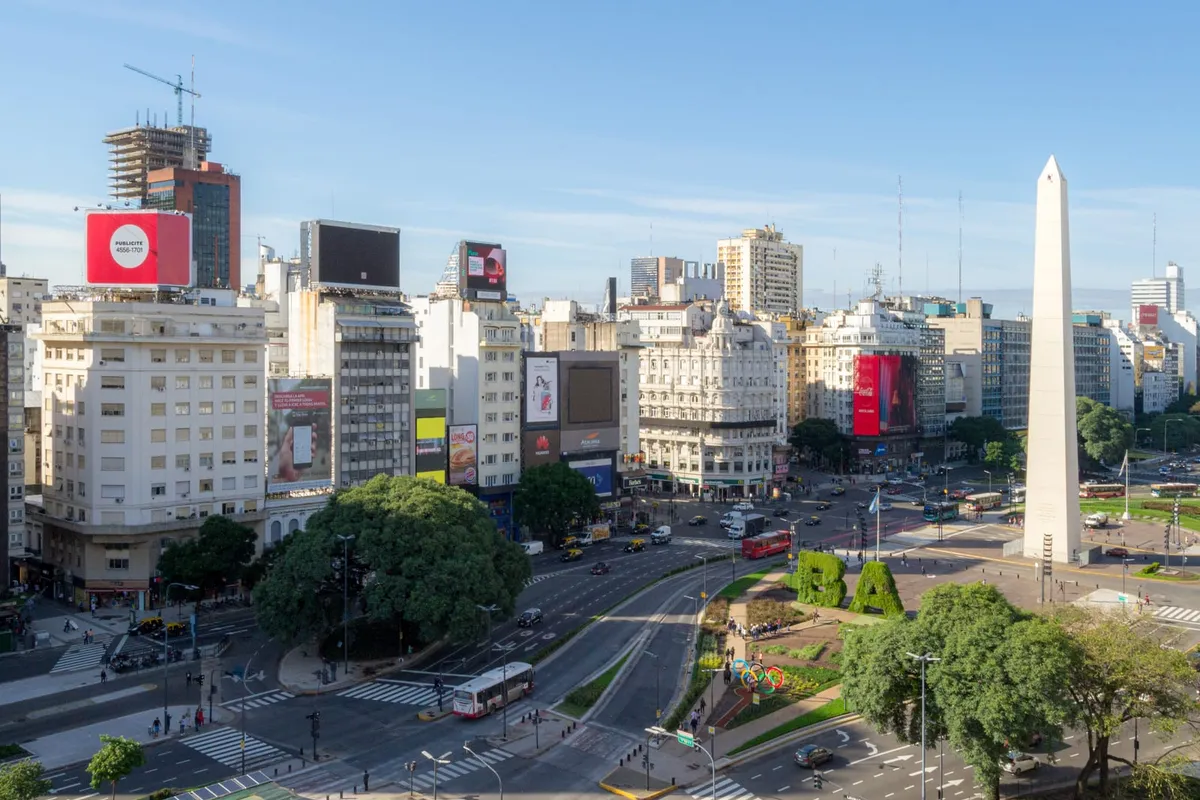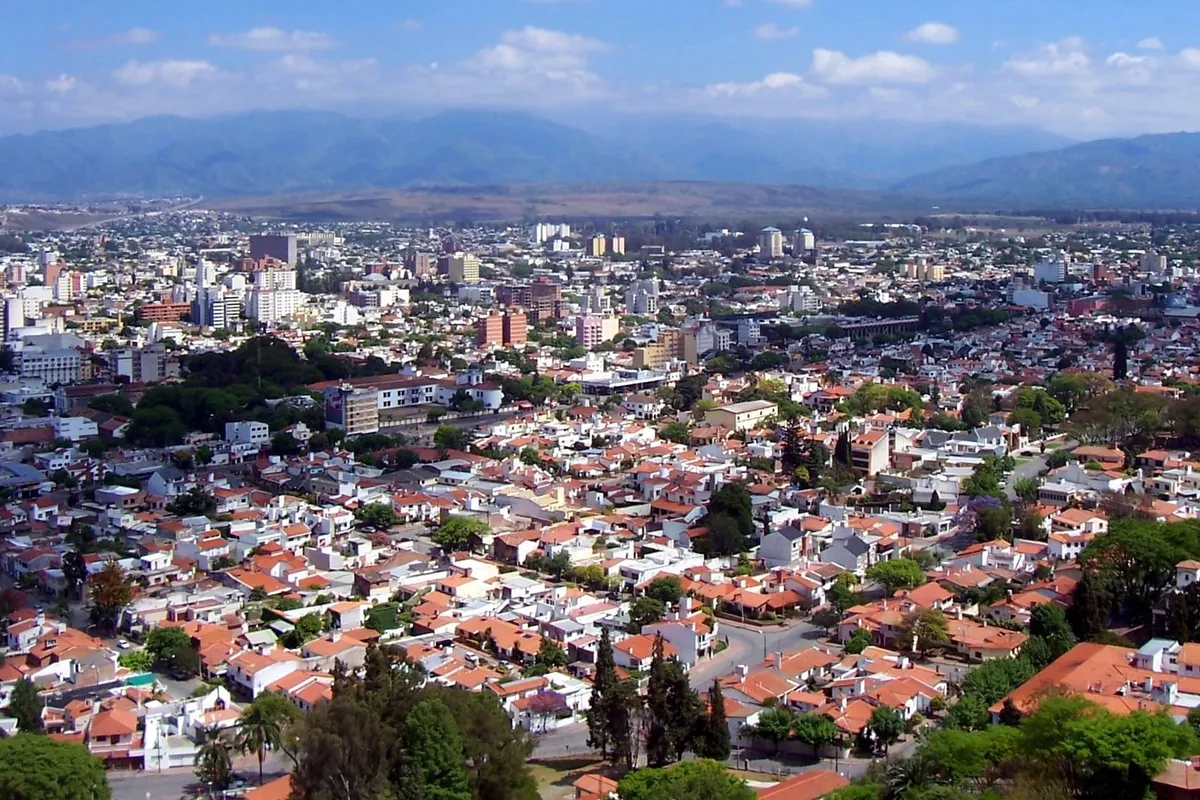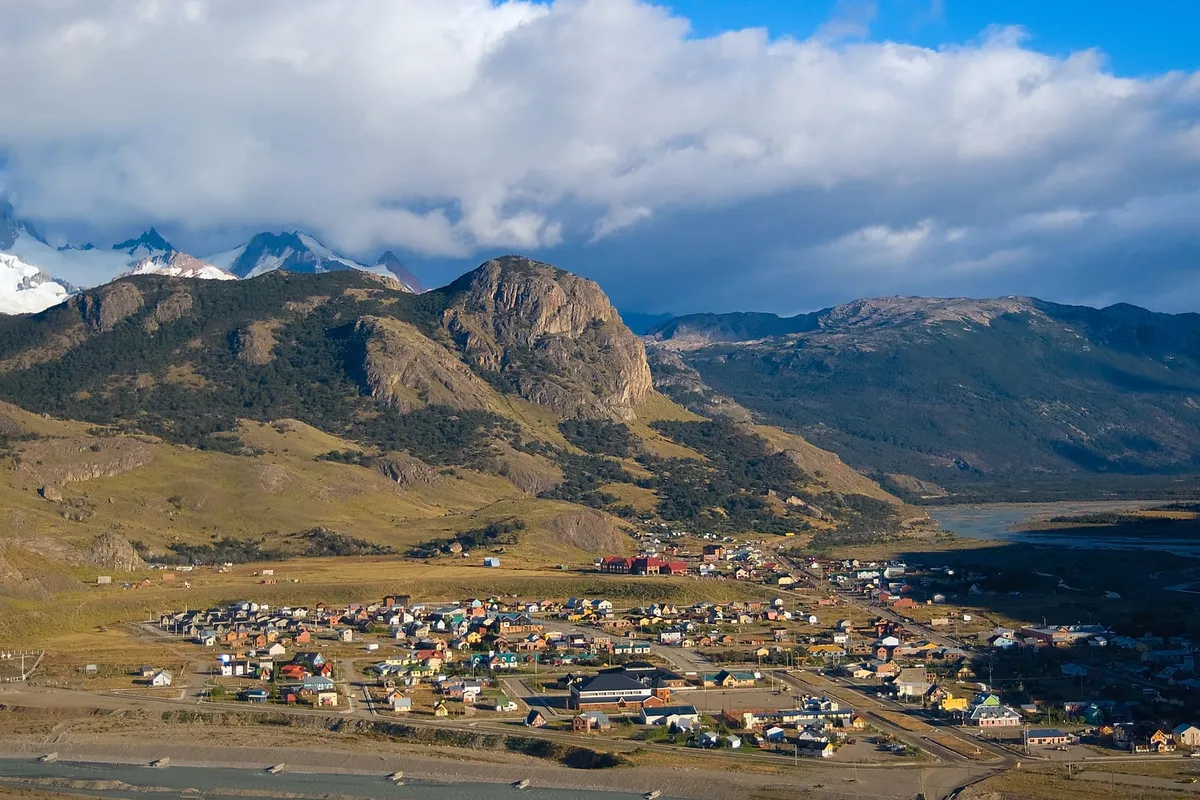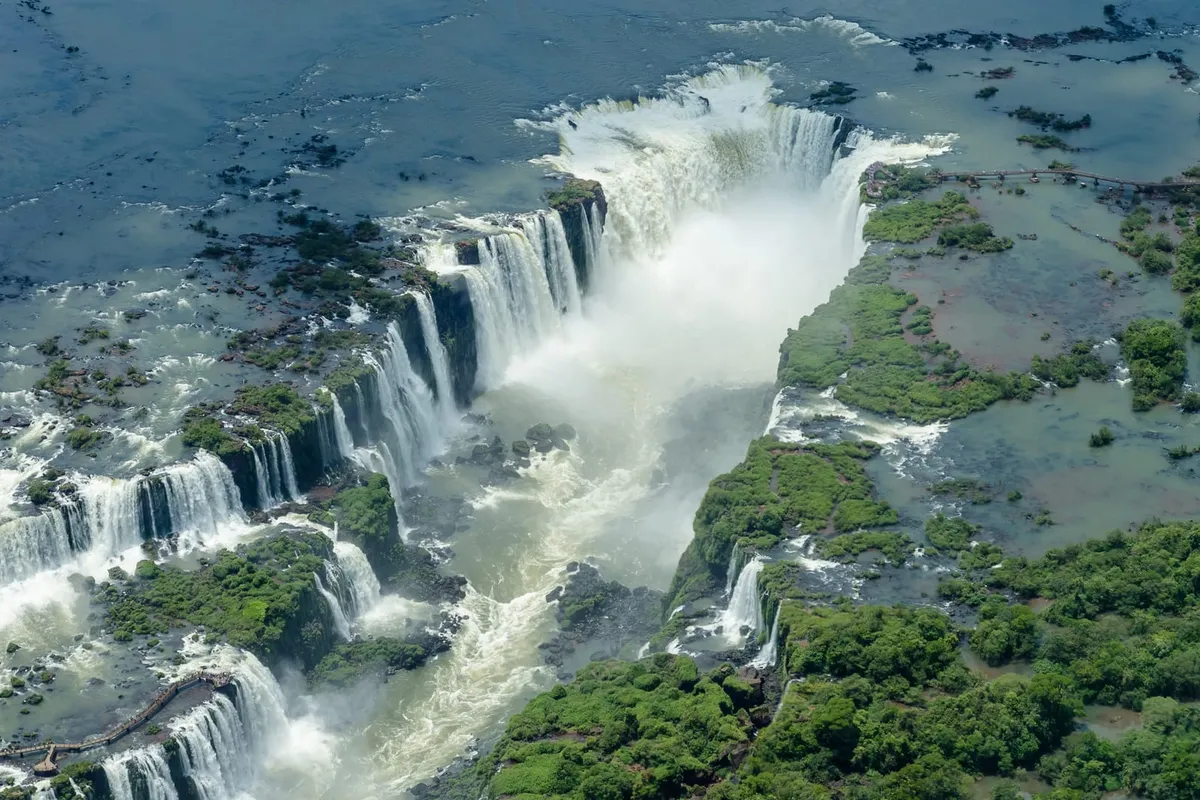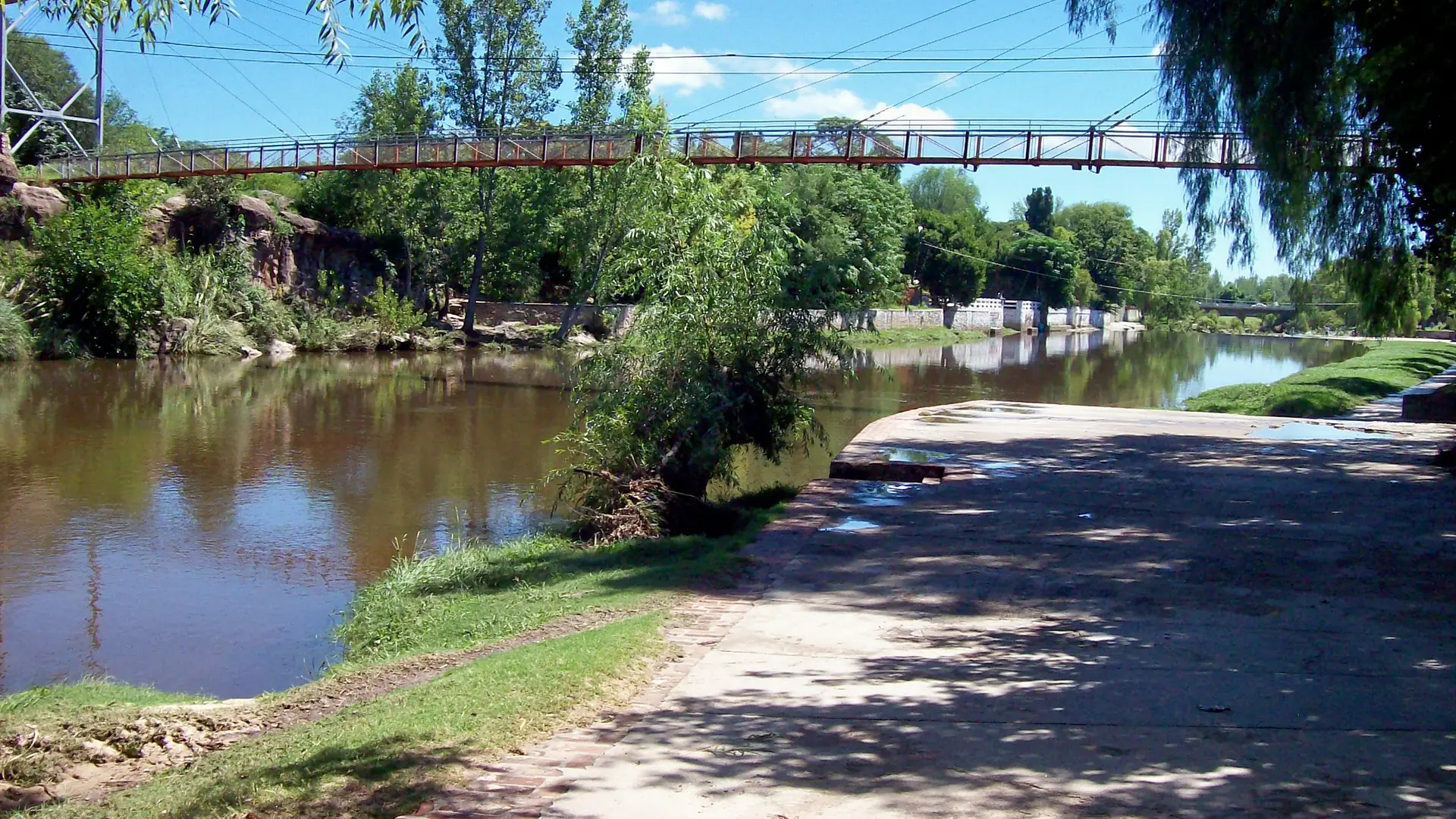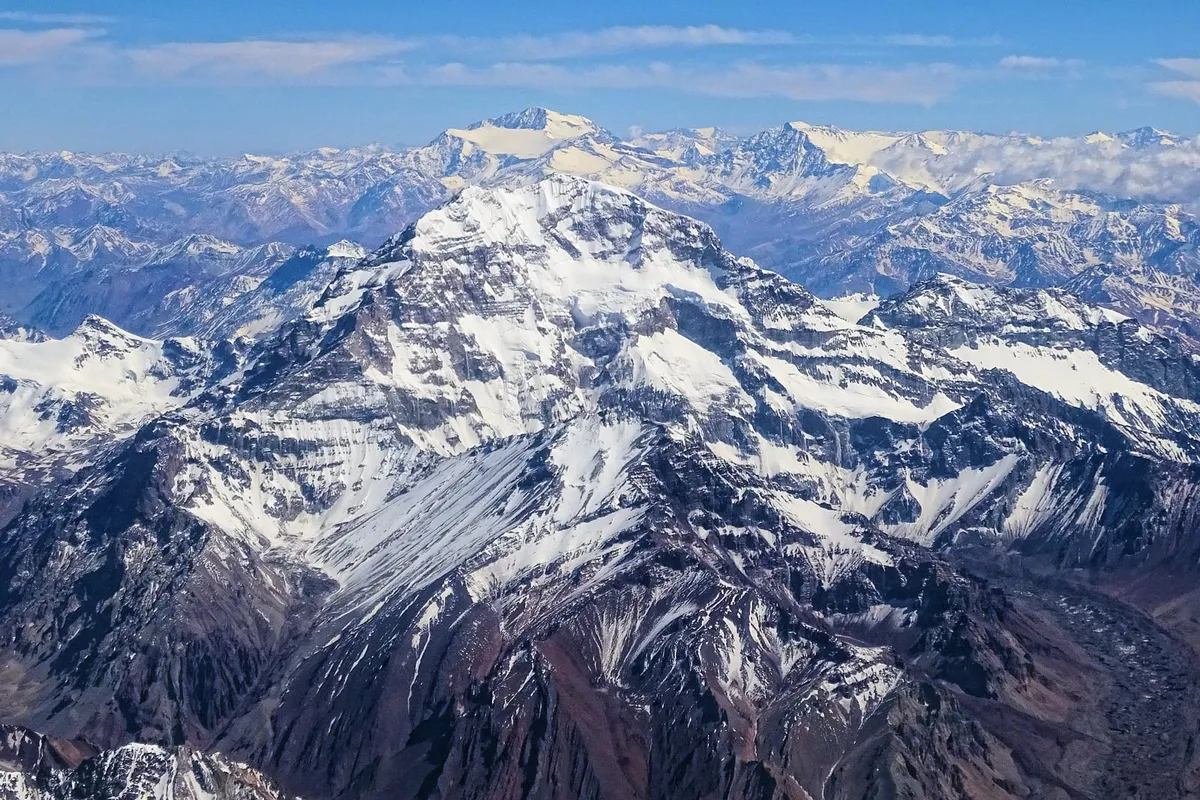
Mendoza vs Salta is probably the most common decision for travellers planning a first Argentina trip with limited time: two of the three most-visited destinations in the country after Buenos Aires and Patagonia, both with strong identities but completely different experiences. Mendoza is the capital of Argentine wine (75% of national production), with the Southern Hemisphere's largest concentration of premium wineries, cutting-edge cuisine led by international chefs like Francis Mallmann, and the Andes as a backdrop (Aconcagua at 6,961 m, the roof of the Americas). Salta and Jujuy are the cultural and scenic heart of the NOA (Argentine Northwest), with multi-coloured landscapes unique in the world (Cerro 7 Colores, Hornocal 14 Colours, Salinas Grandes), Andean villages with living pre-Columbian identity (Tilcara, Purmamarca, Cachi, Iruya), authentic regional food (lamb, llama, quinoa, the country's best empanadas), and unique high-altitude wines (Cafayate Torrontés and Malbec, Bodega Colomé at 3,111 m). In this 2026-updated comparison guide we analyse both destinations across 8 critical dimensions — wine and food, landscapes, costs, tourism infrastructure, distances and connections, best season, cultural authenticity, accessibility for foreigners — and give clear recommendations by traveller profile. Executive summary: if your priority is premium wine and food with simple logistics, Mendoza. If your priority is unique landscapes, living Andean culture and a photographically memorable trip: Salta-Jujuy. If you have 10+ days, don't choose — combine them (flight MDZ-Buenos Aires-SLA, 3 hours total with connection, USD 120-220).
Side-by-Side Comparison
| Dimension | Mendoza | Salta + Jujuy |
|---|---|---|
| Main identity | Wine, food, Andes | Multi-colour landscapes, Andean culture, NOA |
| Recommended days | 4-7 days | 7-10 days |
| Airport | MDZ Plumerillo (direct flights from Santiago, São Paulo, Lima) | SLA El Aybal (direct from Buenos Aires, Lima) |
| Premium hotel (night) | USD 280-780 | USD 180-480 |
| Mid-range hotel | USD 100-200 | USD 60-150 |
| 3-course dinner | USD 50-145 with pairing | USD 25-65 regional cuisine |
| Winery tour | USD 35-150 (classic to premium) | USD 25-95 (Cafayate) |
| Total cost 7 days | USD 1,400-3,000 per person | USD 900-2,000 per person |
| Best time | Mar-May (harvest), Sep-Nov | Apr-Nov (dry season); avoid Dec-Mar (rains) |
| Operator languages | Spanish, English, Portuguese (common) | Spanish; English only in Salta city |
| Car needed | Recommended but not essential | Almost essential outside the capital |
| Standout wine | Malbec, Cabernet Franc, Bonarda | Torrontés (best in the world), high-altitude Malbec |
| Iconic winery | Catena Zapata, Lagarde (Forbes #5) | Colomé (oldest, 1831) |
| Signature dish | Lamb on the cross (Mallmann), Italian pasta | Salta empanadas, locro, humita, llama |
| Top natural site | Aconcagua, Atuel Canyon | Quebrada de Humahuaca (UNESCO), Hornocal |
Mendoza — When to Pick It
Pick Mendoza if any of these apply:
- You're a wine lover and want a deep winery tour: Mendoza has 1,500+ registered wineries and 7-8 that consistently rank in World's 50 Best Vineyards (Catena Zapata, Lagarde, Zuccardi, Salentein). The Uco Valley (90 min from Mendoza city) has the highest concentration of premium wineries in the Southern Hemisphere.
- You want cutting-edge dining: Francis Mallmann (1884 Restaurante Escorihuela), Almacén del Sur, La Bourgogne by Vistalba (Jean-Paul Bondoux), Brindillas, Anna Bistró, Lobby — all in Chacras de Coria.
- You have 4-7 days and want to optimise time with a concentrated destination.
- You're a foreigner travelling independently: Mendoza has the friendliest infrastructure for non-Spanish-speakers (bilingual operators, premium hotels with multilingual staff).
- You want to combine with Andes / Aconcagua / skiing: Las Leñas (June-October) or trekking in Cordón del Plata.
- You want a boutique hotel with wine therapy spa: Cavas Wine Lodge (Relais & Châteaux), The Vines Resort, Casa de Uco — all 5-star.
Salta + Jujuy — When to Pick It
Pick Salta-Jujuy if:
- You want Argentina's most photographically striking landscapes: Cerro 7 Colores in Purmamarca, Hornocal with its 14-colour serrated ridge, Salinas Grandes (212 km² of salt at 3,450 m), Quebrada de las Conchas with the Anfiteatro and Garganta del Diablo, Cuesta del Lipán and del Obispo at 4,170 m with condors.
- You're interested in living pre-Columbian and Kolla culture: high-altitude communities still speak Quechua-Aymara, authentic craft fairs in Tilcara and Humahuaca, Carnival with misachicos and diablitos.
- You want a less touristy experience: villages like Iruya, Cachi, Molinos, Seclantás, Yala keep their Andean identity and are visited mainly by Argentines and locals.
- You have 7-10+ days: Salta-Jujuy is best enjoyed slowly. A 5-day trip already feels short.
- You're interested in unique high-altitude wines: Cafayate (1,700 m) has the best Torrontés in the world and Malbecs different from Mendoza. Bodega Colomé has the "Altura Máxima" vineyard at 3,111 m, considered one of the highest in the world.
- You want a more culturally diverse trip: combine colonial city (Salta), Andean villages (Quebrada de Humahuaca), thermal wellness (Termas de Reyes in the Yungas), and premium wines (Cafayate + Colomé).
Suggested Itineraries
Mendoza 5 days
- Day 1: Arrival MDZ. Afternoon: Mendoza city walk + dinner in Chacras de Coria (Brindillas or Anna Bistró).
- Day 2: 3-winery tour Luján de Cuyo (Lagarde + Catena Zapata + Achaval-Ferrer) with lunch at Lagarde Fogón.
- Day 3: High mountain — Aconcagua + Puente del Inca + Laguna de los Horcones. Dinner in Mendoza city.
- Day 4: Uco Valley — Salentein, Andeluna, Casa de Uco. Lunch at the winery.
- Day 5: Maipú by bike (Familia Zuccardi, Trapiche). Afternoon MDZ departure.
Salta + Jujuy 7 days
- Day 1: Arrival SLA. Afternoon: Salta city (Cabildo, Cathedral, MAAM, Cerro San Bernardo by cable car).
- Day 2: Quebrada de las Conchas → Cafayate. Afternoon: Piattelli winery.
- Day 3: Cafayate — El Esteco (lunch) + Domingo Hermanos. Magic Nights at El Esteco.
- Day 4: Cafayate → Salta. Free afternoon.
- Day 5: Salta → Purmamarca (Cerro 7 Colores) → Salinas Grandes → Tilcara.
- Day 6: Tilcara (Pucará) → Humahuaca → Hornocal 14 Colours → back to Tilcara.
- Day 7: Termas de Reyes (half-day post-trekking relax) → SLA afternoon.
Mendoza + Salta combo, 10 days
- Days 1-4: Mendoza (city + Luján + Uco Valley + high mountain).
- Day 5: Flight MDZ → AEP → SLA (3 hours with connection). Salta arrival in afternoon.
- Days 6-10: Salta + Quebrada de Humahuaca, as the 5-day itinerary above (combine Cafayate or Quebrada based on preference).
Wineries — Comparison
If wine is the trip's axis, both destinations offer premium experiences but different ones:
Mendoza — Top 5
- Catena Zapata — Adrianna Catena's iconic Mayan pyramid. Tour USD 80-150.
- Lagarde — Forbes #5 in the world 2024. Fogón Lagarde restaurant. Tour + lunch USD 95-145.
- Zuccardi — Most recognised family. Piedra Infinita restaurant in Uco. World's 50 Best.
- Salentein — Imposing architectural amphitheatre in Uco. Tour USD 65-95.
- Achaval-Ferrer — Single-vineyard Malbec icon. Intimate tour USD 55-85.
Salta-Cafayate — Top 5
- Bodega Colomé — Argentina's oldest (1831). Altura Máxima at 3,111 m. World's only James Turrell Museum. Tour USD 65-95.
- Bodega El Esteco — Patios 5-star Marriott Luxury hotel. Magic Nights with folklore. Tour USD 25-150.
- Piattelli — Gravity-flow winery. #1 TripAdvisor restaurant in Cafayate. Tour USD 25-110.
- Domingo Hermanos — Historic family winery founded 1860. Iconic Torrontés. Tour USD 18-35.
- Amalaya — Hess Family subsidiary. High-altitude Tannat. Tour USD 25-45.
Which Has Better Logistics?
Mendoza is significantly easier to organise independently. Reasons:
- MDZ airport: direct flights from Santiago de Chile (1h), São Paulo (4h with LATAM), Lima (4h). Mendoza has been a foreign tourist destination since the 1990s.
- Concentrated wineries in 3 zones (Luján de Cuyo, Maipú, Uco Valley) — all within a 90-min radius.
- Bilingual operators in abundance, premium hotels with multilingual staff.
- Public transport frequent Mendoza city ↔ Chacras + regular tours.
Salta requires more planning:
- Greater distances: Salta-Cafayate 192 km / 3 h; Salta-Cachi 157 km / 4 h (gravel); Salta-Iruya 320 km / 6 h.
- Car recommended outside the capital. For Cachi-Molinos-Bodega Colomé you need a 4x4.
- Bilingual operators only in the capital; in small villages, almost only Spanish.
- Dec-Mar rains close roads to NOA — better Apr-Nov.
Recommendation: if you go to Salta and don't speak Spanish, hire a private guide or organised tour for Quebrada de Humahuaca and Cafayate. The experience difference justifies the extra cost (USD 250-400 per day with private guide).
Summary — Which to Choose
- First Argentina visit + wine lover + 5-7 days + want simplicity → Mendoza.
- Second Argentina visit or want something unique + 7-10 days + value cultural authenticity → Salta-Jujuy.
- You have 10-14 days → Don't choose, combine both (best sequence: Salta first, Mendoza after as relaxed close).
- Family with young kids → Mendoza (easier logistics, shorter distances, hotels with pools).
- Photographers / Instagram → Salta-Jujuy (landscapes unique in the world).
- Serious wine lovers → Mendoza first, then Cafayate as complement.
- Backpackers on a budget → Salta-Jujuy (~30% cheaper and rich in free experiences).
Book your trip
3 premium Mendoza wineries tour
Lagarde + Catena Zapata + Achaval-Ferrer with private transfer, 3 premium tastings, lunch at Fogón Lagarde. Full day from Mendoza.
Full Quebrada de Humahuaca tour
Full day Salta → Purmamarca (Cerro 7 Colores) → Salinas Grandes → Tilcara → Humahuaca → Hornocal 14 Colours. Bilingual guide.
10-day combo Mendoza + Salta
Full package with AEP-MDZ + MDZ-AEP-SLA + SLA-AEP flights, transfers, 4-star hotels, tours in both destinations. For 2 people.
Related pages
- Complete Mendoza guide — wineries, high mountain, food.
- Complete Salta guide — capital, Quebradas, Cafayate.