Skip to content
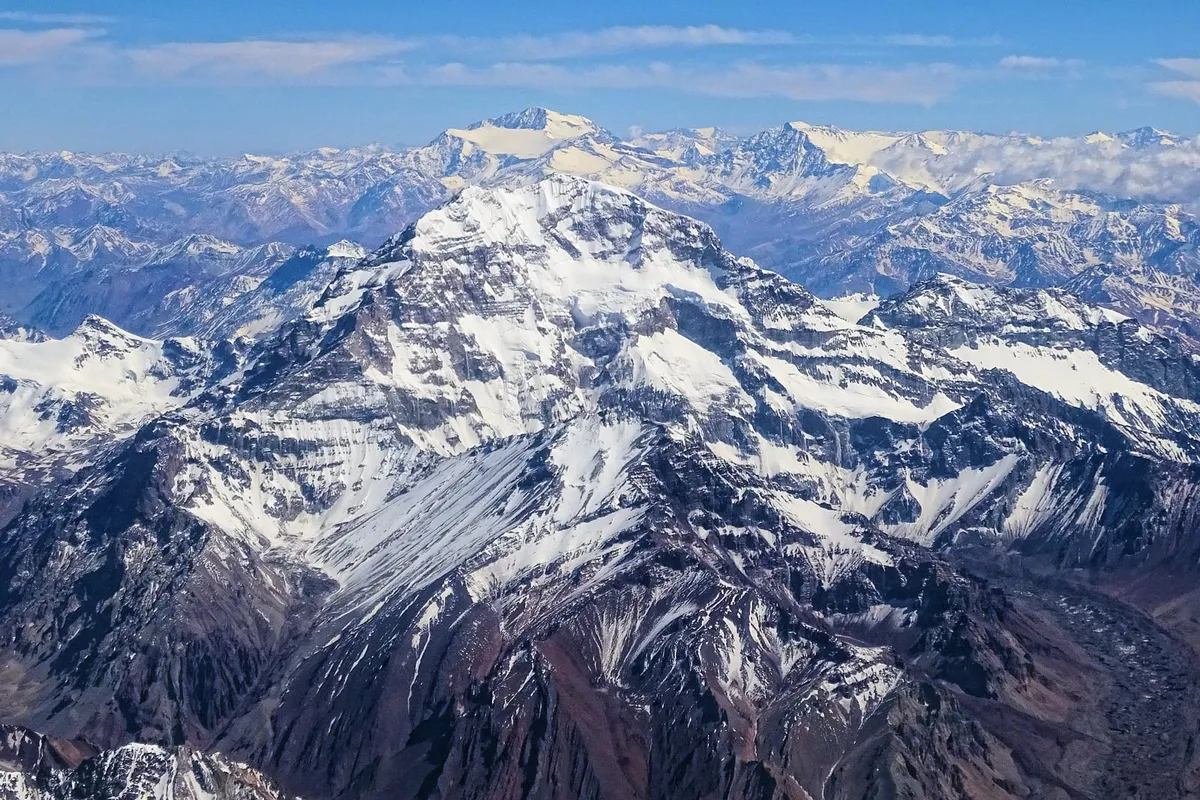
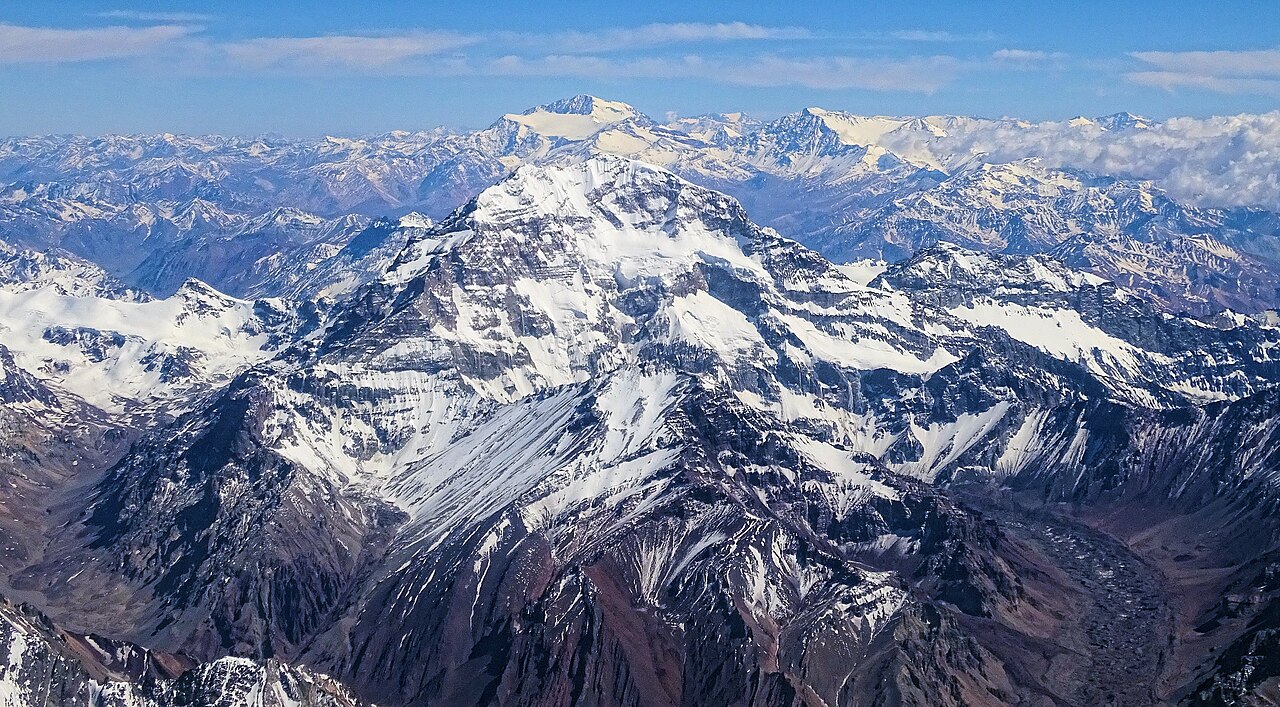
Snow-capped Aconcagua mountain, the highest peak in the Americas

Alta Montana

Mendoza's most spectacular excursion: Aconcagua, Puente del Inca, Uspallata and the Cristo Redentor pass. Otherworldly Andean landscapes.

Last updated: April 2026

The Alta Montana (High Mountain) excursion is one of the most impactful experiences you can have from Mendoza and the perfect complement to any wine tourism trip. This full-day journey (approximately 12 hours) takes you from Mendoza city to the Chilean border, crossing Andean landscapes of overwhelming beauty: wide valleys, snowmelt rivers, rock formations in impossible colors and the highest peaks in the Americas.
Locally verified content
Aconcagua nevado, cumbre más alta de América
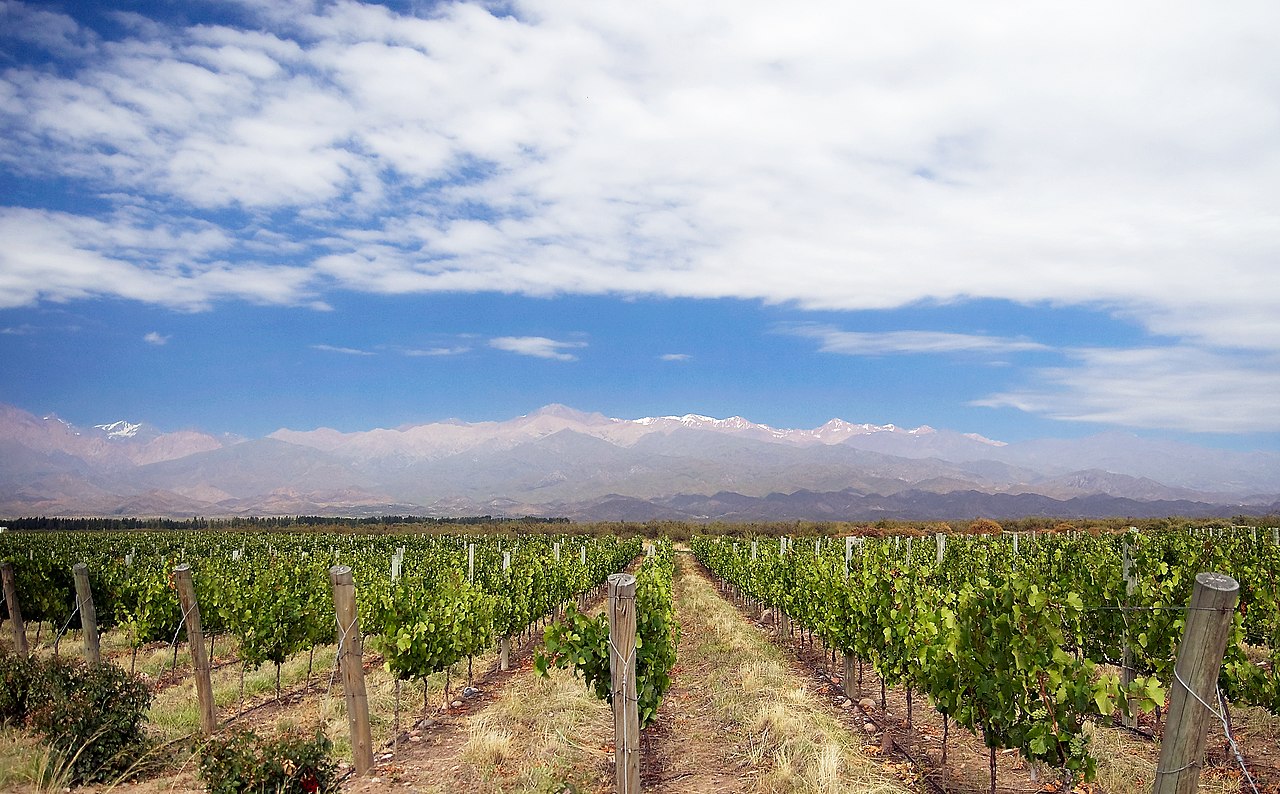
Viñedos de Valle de Uco con la Cordillera de los Andes
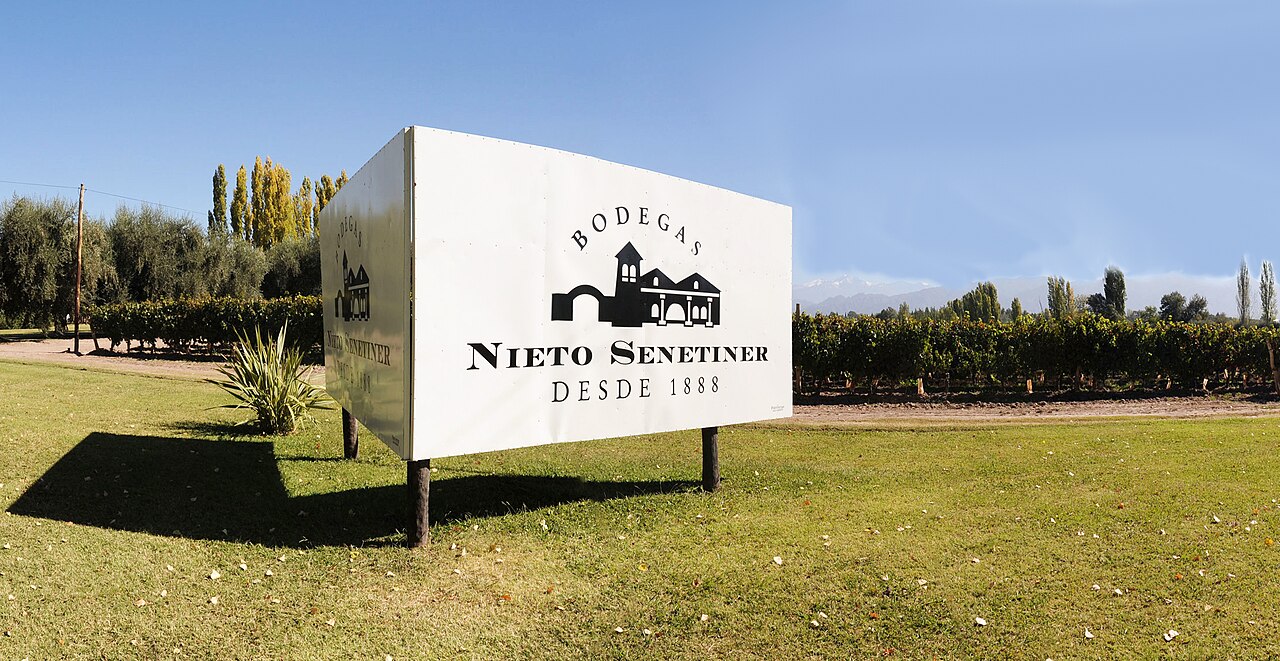
Bodega Nieto Senetiner en Luján de Cuyo, terroir del Malbec
Cañón del Atuel con paredes rojas y embalse Valle Grande

Getting there — distances & times

From Distance Flight Bus Drive
New York (JFK) 8300 km 11 h + 2 h layover
Madrid (MAD) 10200 km 13 h + 2 h layover
Buenos Aires (EZE) 1050 km 1 h 45 14 h 11 h
Santiago (SCL) 370 km 55 min 6–8 h 5 h
Córdoba 670 km 1 h 10 9 h 7 h
San Juan 170 km 2 h 30 2 h
Bariloche (BRC) 1140 km 1 h 50 18 h 14 h

Month-by-month climate

Month Temp. Rain Crowds Note
Jan 18° / 33°C 25 mm Hot & dry summer
Feb 17° / 31°C 30 mm
Mar 14° / 28°C 20 mm Harvest season
Apr 10° / 23°C 15 mm
May 5° / 18°C 8 mm
Jun 2° / 14°C 5 mm
Jul 2° / 14°C 8 mm Ski Las Leñas
Aug 4° / 17°C 8 mm
Sep 7° / 21°C 12 mm Vineyard bloom
Oct 11° / 25°C 15 mm
Nov 14° / 28°C 20 mm
Dec 17° / 31°C 25 mm

The route follows the historic Route 7 (Ruta Nacional 7), the same road that General San Martin used to cross the Andes during the wars of independence in 1817. Along the way you pass through Potrerillos, Uspallata, the Aconcagua viewpoint, Puente del Inca, the village of Las Cuevas and (when the pass is open) the Cristo Redentor statue on the Argentine-Chilean border. It is a journey that transitions from green vineyards to barren high-altitude desert in a matter of hours, revealing the raw geological power of the Andes.

Quick Facts: Alta Montana

  • Tour duration: 10-12 hours (full day)
  • Maximum altitude: 3,834 m (Cristo Redentor) / 2,700 m (Puente del Inca)
  • Group tour price: From USD 59.40 (Civitatis, with 10% discount)
  • Aconcagua Provincial Park tour: From USD 174.60 (with 10% discount)
  • Total distance: ~400 km round trip
  • Best time: November to April (no snow blocking the pass)
  • Aconcagua: 6,961 m -- the highest mountain in the Americas
  • What to bring: Warm layers, sunscreen, water, sunglasses

The Complete Alta Montana Route

Potrerillos (1,350 m) -- First Stop

About 60 km from Mendoza, Potrerillos marks the entrance to the pre-Andes. The Potrerillos reservoir is a turquoise artificial lake surrounded by mountains, where kayaking (USD 92 with Civitatis), whitewater rafting and trekking are popular activities. The Alta Montana excursion makes a brief photo stop here before continuing uphill. The contrast between the green vineyard landscape you left behind and the beginning of the mountain terrain is striking.

If you want to spend more time at Potrerillos, dedicated excursions are available: the Potrerillos and Cacheuta trip (USD 40) combines the reservoir with natural hot springs, and the Potrerillos trekking excursion (USD 87) takes you on trails with spectacular Andes views.

Uspallata (1,751 m) -- The Andean Oasis

Uspallata is a picturesque mountain town surrounded by poplar and willow trees, located in a wide valley at 1,751 meters. It was used as a filming location for Brad Pitt's "Seven Years in Tibet" thanks to its Tibetan-like landscape. The town has a particular charm with its low houses and quiet pace of life. Most tours stop here for lunch (not included in the tour price -- budget USD 10-15 for a simple meal). The valley was a critical staging point for San Martin's army, and a small museum documents the crossing of the Andes.

Puente del Inca (2,700 m) -- Natural Wonder

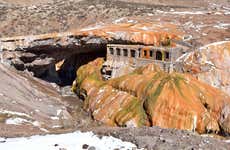
Puente del Inca is one of the most impressive natural wonders in Argentina. It is a natural rock bridge formed by the action of mineralized hot spring waters that, over thousands of years, created a formation of unique orange-yellow color spanning the Las Cuevas River. Beneath the bridge you can see the ruins of a thermal hotel whose construction began in 1917 and which was destroyed by an avalanche on August 15, 1965. The mineral-laden water continues to deposit its vivid color on anything it touches.

Puente del Inca has been declared a National Cultural Heritage site and Protected Natural Area. There is a small artisan market where vendors sell objects "petrified" by the mineral water -- little boots, mate gourds, medals -- that acquire the characteristic orange color. The stop lasts about 30-45 minutes, but it is one of those places you will never forget. The combination of the orange bridge, the rushing river below and the snow-capped Andes towering above creates an almost surreal scene.

Aconcagua Viewpoint (3,000 m)

Aconcagua, at 6,961 meters, is the highest mountain in the Americas and the highest outside Asia. From the viewpoint on Route 7 you can see the snow-covered summit on clear days. It is an emotional moment on the journey -- standing before one of the most important peaks on the planet. For a closer experience, the Aconcagua Provincial Park excursion (USD 175 with Civitatis, rated 10/10) includes entry to the park with hiking trails that approach the base of the mountain, through high-altitude landscapes with snowmelt rivers, alpine flora and the possibility of spotting Andean condors.

Las Cuevas and Cristo Redentor (3,834 m)

Las Cuevas is the last Argentine settlement before the Chilean border, a tiny mountain hamlet at 3,200 meters. From here, when the road is open (generally November to April), you can ascend to the Cristo Redentor de los Andes (Christ the Redeemer of the Andes), a 7-meter statue inaugurated in 1904 to celebrate peace between Argentina and Chile after a border dispute nearly escalated to war. At 3,834 meters altitude, the views are absolutely extraordinary -- you stand on the continental divide between the Atlantic and Pacific watersheds, with mountain peaks stretching to the horizon in every direction.
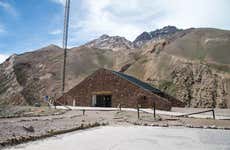
Important: Access to Cristo Redentor depends on weather and snow conditions. In winter (June-September) the road is usually closed. Check with your tour operator before booking if reaching the Christ statue is essential to you. Even without it, the excursion is magnificent.

Alta Montana Tours

High Mountain Andes Excursion 10% off

High Mountain Andes Excursion

Marvel at the Aconcagua, visit Puente del Inca and reach the Argentine-Chilean border. 15K travelers.

From USD 59.40
View options
Civitatis
Aconcagua Provincial Park Excursion Premium

Aconcagua Provincial Park Excursion

Get captivated by the Andean landscapes of Aconcagua Park. Exclusive hiking trails near the base.

From USD 174.60
View options
Civitatis
Potrerillos & Cacheuta Excursion

Potrerillos & Cacheuta Excursion

Hanging bridges, lagoons, mountains and hot springs. Enjoy the Andean pre-mountain landscapes.

From USD 40
View options
Civitatis
Potrerillos Trekking Adventure

Potrerillos Trekking

Hike through the Potrerillos surroundings with spectacular views. Garganta del Diablo or Cerro Bayo.

From USD 87.16
View options
Civitatis
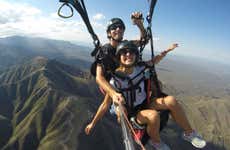
Paragliding over Mendoza 10/10

Paragliding over Mendoza

An unforgettable experience with extraordinary panoramic views of the Andean foothills.

From USD 125
View options
Civitatis
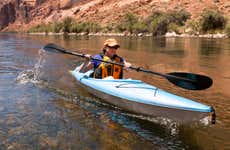
Kayak Tour on Potrerillos Reservoir

Kayak Tour on Potrerillos Reservoir

Paddle across the reservoir with magnificent views of the Mendoza River and the pre-Andes.

From USD 92.22
View options
Civitatis

What to Bring on the Alta Montana Excursion

The altitude and mountain weather conditions require preparation. Even in summer, temperatures above 3,000 meters can be very low. Here is your essential packing list:

  • Layered clothing: Thermal base layer, fleece/polar mid-layer, windbreaker outer layer. At 3,000 m the temperature can be 10-15 degrees lower than in Mendoza city.
  • Sunscreen SPF 50+: UV radiation at this altitude is extremely intense, even on cloudy days.
  • Sunglasses: Snow glare can be blinding, especially near Aconcagua.
  • Water: Bring at least 1 liter. Altitude dehydrates you quickly without you noticing.
  • Snacks: Mint or ginger candies help with mild altitude sickness (soroche).
  • Hat and gloves: Especially between May and October.
  • Comfortable footwear: Trekking shoes or sneakers with good soles for the short walks at stops.
  • Camera: The landscapes are incredible. Make sure your battery is fully charged.
About altitude sickness: From 2,500 m some people may experience soroche (altitude sickness) with symptoms including mild headache, nausea and fatigue. This is normal and rarely serious at these altitudes. Recommendations: avoid alcohol the night before, eat a light dinner, stay well hydrated, and ascend gradually. Coca tea or Soroche pills (available at pharmacies in Mendoza) can help. If you have cardiac conditions, consult your doctor before the trip.

Classic Alta Montana vs. Aconcagua Provincial Park

Many travelers wonder about the difference between the two excursions. The classic Alta Montana excursion (USD 59) is a scenic drive along Route 7 with photo stops at Potrerillos, Uspallata, Puente del Inca, the Aconcagua viewpoint and Las Cuevas. It is primarily a vehicle tour with short walks at each stop. Perfect for anyone, regardless of fitness level.

The Aconcagua Provincial Park excursion (USD 175) is more immersive: it includes park entry with hiking on trails that approach the base of the mountain. You see Aconcagua from much closer and walk through high-altitude landscapes with snowmelt rivers, alpine flora and potentially Andean condor sightings. It requires better fitness and more time.

Which Should You Choose?

  • Short on time or first visit: Classic Alta Montana (USD 59)
  • Trekking enthusiasts: Aconcagua Provincial Park (USD 175)
  • Tight budget: Classic excursion
  • Active traveler with good fitness: Provincial Park
  • Families with children: Classic excursion (vehicle-based, suitable for all ages)

Villavicencio Nature Reserve

If the Alta Montana feels too extreme or if you have already done it and want another mountain experience, the Villavicencio Nature Reserve excursion (USD 37) is an excellent alternative. This trip takes you through winding mountain roads above 3,000 meters to discover Andean wildlife. The reserve is famous for being the source of Villavicencio mineral water and for the historic Hotel Villavicencio, a picturesque building surrounded by mountains. The Caracoles road (365 curves climbing to the summit) is an engineering marvel and a photographer's dream.

Find flights

Compare prices across all airlines

Your city
Mendoza (MDZ)
Powered by Aviasales

Hotels in Mendoza

Compare prices on Booking, Hostelworld & more

Booking.com

Frequently Asked Questions about Alta Montana

What does the Alta Montana excursion from Mendoza include?

The Alta Montana (High Mountain) excursion follows Route 7 from Mendoza toward the Chilean border, passing through Potrerillos, Uspallata, Puente del Inca, the Aconcagua viewpoint and Las Cuevas. It lasts approximately 12 hours and costs from USD 59 with Civitatis. Lunch is not included.

Can you see Aconcagua on the excursion?

Yes, the excursion includes a stop at the Aconcagua viewpoint (6,961 m), the highest mountain in the Americas. On clear days the summit is visible. For a closer approach, the Aconcagua Provincial Park excursion costs USD 175 and includes hiking trails at the base of the mountain.

What is Puente del Inca?

Puente del Inca is a natural rock bridge formed by hot spring mineral deposits over thousands of years, located at 2,700 m altitude on Route 7. Its unique orange-yellow color comes from mineralization. It is a National Cultural Heritage site and one of Argentina's natural wonders.

Is altitude sickness a problem on this excursion?

Mild altitude sickness is common above 2,500 m but rarely dangerous on this trip (maximum altitude 3,834 m at Cristo Redentor). Common symptoms are mild headache, fatigue and shortness of breath. Stay hydrated, eat light, ascend gradually, and try coca tea or Soroche pills if needed.

When can you visit the Cristo Redentor statue?

Access to Cristo Redentor depends on snow conditions. The road is generally open from November to April. In winter (June-September) it is usually closed. Tour operators confirm access availability before departure.

Newsletter

Get our free Argentina travel guide

Itineraries, current prices and the places locals actually recommend — straight to your inbox.

Free PDF · No spam · Unsubscribe anytime

Keep exploring Argentina

Iguazu Falls 💧 Iguazu Falls

275 waterfalls and the Atlantic rainforest

Córdoba ⛰️ Córdoba

Sierras, fernet and Jesuit heritage

Salta & Jujuy 🏔️ Salta & Jujuy

Canyons, altiplano and Andean culture