Last updated: April 2026
21 Days: Complete Argentina — The Grand Tour
This 21-day itinerary is the definitive Argentina "Grand Tour": three weeks crossing the country from Iguazu Falls in the subtropical north to the Perito Moreno Glacier in deep Patagonia, passing through the multicolor mountains of the NOA, the premium wineries of Mendoza, the sierras and Jesuit estancias of Cordoba, and the crystal-clear lakes of Bariloche. It's the trip for travellers who want the full Argentina experience in a single visit: the tourist Holy Trinity (BA + Mendoza + Bariloche) plus Iguazu, Salta and Calafate. Seven domestic flights connect the eight stages, optimising every day. Designed for April 2026 with current pricing and real bookings.
Day by Day
Days 1-3: Buenos Aires
Three days for San Telmo (Sunday market on Plaza Dorrego, antique shops), Recoleta (cemetery, Fine Arts Museum, Floralis Genérica), Palermo Soho/Hollywood (chef-driven dining, late nightlife) and La Boca (Caminito by day, leave before dusk). Save one evening for tango at Café de los Angelitos or Rojo Tango (USD 90-180), another for a premium parrilla (Don Julio, La Cabrera, USD 50-80 per person) and a third for craft beer in Palermo. 3-star hotel USD 80-120, boutique 4-star USD 180-300.
Days 4-6: Iguazu Falls
Day 4: morning flight AEP-IGR (1h 45min, USD 80-180). Afternoon on the Argentine side — Lower and Upper Circuits, sunset at Devil's Throat (entry USD 45 for foreigners). Day 5: Brazilian side in the morning (USD 25 entry, 3-4h is enough for the panoramic view), afternoon Gran Aventura speedboat ride below the falls (USD 90, 2h, you get drenched) or optional helicopter from Foz (USD 180). Day 6: Macuco Trail through the Misiones rainforest (3h, free), free afternoon for the Three Borders Landmark and Guarani crafts in Puerto Iguazu.
Days 7-8: Salta & Quebrada de Humahuaca
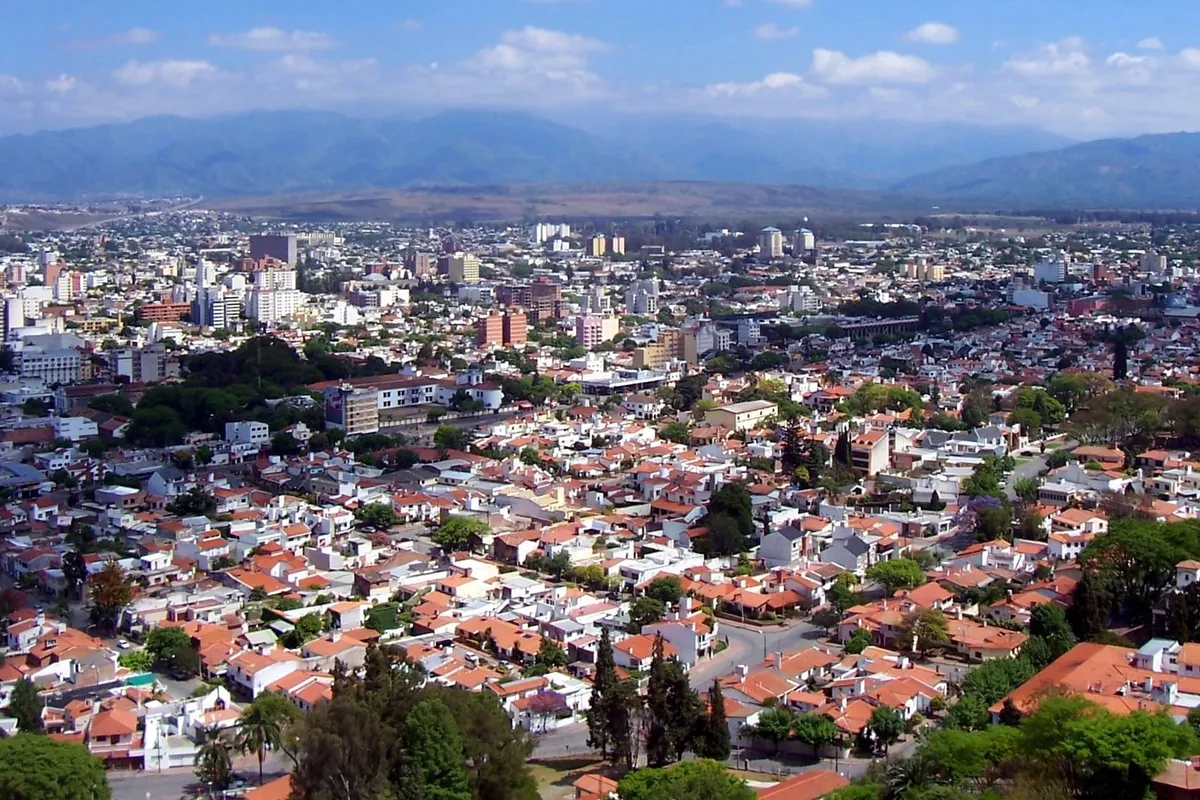
Day 7: flight IGR-SLA (2h 15min, USD 110-220). Midday arrival, lunch at a folkloric peña (La Casona del Molino, Salta empanada + locro USD 12-18), tour of the colonial centre (Cathedral, Cabildo, Iglesia San Francisco) and cable car to Cerro San Bernardo. Day 8: full-day tour to the Quebrada de Humahuaca via Route 9 (USD 80-110): Purmamarca and the Hill of Seven Colours at sunrise, Salinas Grandes salt flats (3,450 m) at midday with lamb lunch, return via Tilcara and the Pucará ruins.
Days 9-10: Calchaqui Valleys & Cafayate
Day 9: scenic Salta-Cafayate drive on Route 68 (200 km, 3h 30min). Mandatory stops in the Quebrada de las Conchas: Devil's Throat, Anfiteatro, Castillos. Midday arrival in Cafayate, lunch and Torrontés tasting at Bodega El Esteco or Domingo Hermanos (USD 15-30 per tasting). Boutique vineyard hotel USD 120-220. Day 10: Bodega Piattelli (Calchaqui views, paired lunch USD 80), afternoon at the Vine and Wine Museum, return to Salta via Route 40 through Cachi and Cuesta del Obispo (spectacular high-altitude landscape, 5h).
Days 11-12: Cordoba
Day 11: flight SLA-COR (1h 45min, USD 90-180). Afternoon in the Jesuit Block (UNESCO): Compañía Church, National University, Colegio Monserrat. Dinner in Güemes neighbourhood (Patio Olmos for artisan shopping). Day 12: sierra excursion — La Cumbrecita (car-free Alpine village, goulash lunch USD 18-25) or Villa General Belgrano + Alta Gracia Jesuit estancia (Che Guevara Museum). Central 3-star hotel USD 70-100, rural estancia stay USD 150-280.
Days 13-15: Mendoza
Day 13: flight COR-MDZ (1h 15min, USD 70-150). Afternoon at leisure on Plaza Independencia, Parque San Martín, dinner on Avenida Aristides Villanueva (breweries and bistros). Day 14: Lujan de Cuyo wineries with driver-guide (USD 80-150/day) — Catena Zapata (entry USD 45, book 4 weeks ahead), Susana Balbo or Achaval Ferrer, 5-course paired lunch USD 100-180. Day 15: Valle de Uco — Zuccardi Piedra Infinita (gourmet lunch USD 180-220, Tupungato view), Salentein or Bodega DiamAndes. Alternative: full-day High Mountain on Route 7 (Puente del Inca, Aconcagua viewpoint at 6,961 m, USD 100).
Days 16-18: Bariloche
Day 16: flight MDZ-BRC (2h, USD 110-200, sometimes via AEP). Afternoon at the Civic Center, chocolate shops on Calle Mitre (Rapa Nui, Mamuschka). Patagonian lamb dinner at El Boliche de Alberto. Day 17: Circuito Chico by e-bike or car (60 km): Cerro Campanario (climb early, world Top 10 view), Bahía López, Llao Llao, Punto Panorámico. Day 18: catamaran to Victoria Island + Arrayanes Forest from Puerto Pañuelo (USD 60-90, 8h). Alternative: Route of the Seven Lakes to Villa La Angostura (107 km, full day).
Days 19-20: El Calafate
Day 19: flight BRC-FTE (2h 15min, USD 130-250). Afternoon at leisure in Calafate, walk on Avenida Libertador, Glaciarium museum. Day 20: full day at Perito Moreno Glacier (USD 35 park entry + USD 40 transfer): boardwalks (3-4h, all viewpoints), optional nautical safari (USD 50, 1h facing the south wall) or Big Ice trekking on the glacier (USD 280-340, full day, requires booking 1-2 months ahead). Dinner at La Tablita (lamb on the cross) or Pura Vida.
Day 21: Return to Buenos Aires
Morning flight FTE-AEP (3h 15min, USD 130-220). Afternoon free in BA: last shopping at Galerías Pacífico, tea with medialunas at Café Tortoni, walk through Puerto Madero. International connection from Ezeiza (transfer USD 25-40, leave 4h before flight) or extra night for a final parrilla.
Domestic flights needed (7 segments)
- Buenos Aires (AEP) → Iguazu (IGR): 1h 45min — USD 80-180
- Iguazu (IGR) → Salta (SLA): 2h 15min — USD 110-220 (sometimes connection via AEP)
- Salta (SLA) → Cordoba (COR): 1h 45min — USD 90-180
- Cordoba (COR) → Mendoza (MDZ): 1h 15min — USD 70-150
- Mendoza (MDZ) → Bariloche (BRC): 2h — USD 110-200
- Bariloche (BRC) → El Calafate (FTE): 2h 15min — USD 130-250
- El Calafate (FTE) → Buenos Aires (AEP): 3h 15min — USD 130-220
Total estimated: USD 800-1,200 booking 4-8 weeks ahead. Aerolineas Argentinas, Flybondi and JetSmart operate these routes. The Aerolineas Visit Argentina Pass (only with international flight on AR or OneWorld) offers 30-50% off across 3-7 segments. Without the pass, buying each leg in low-cost is usually equal or cheaper.
Estimated budget (21 days, excluding international flights)
- Backpacker (USD 3,000-3,800 / ~USD 145-180 per day): hostels USD 20-35/night in shared dorms, set-menu meals (USD 8-12), public transport and buses where feasible, low-cost flights (Flybondi/JetSmart), park entries included. No premium tours — Iguazu free (except Gran Aventura USD 90), Perito Moreno boardwalks only, low-cost bike wineries in Maipu.
- Standard (USD 6,000-9,000 / ~USD 285-430 per day): 3-4 star central hotels (USD 90-150/night), local restaurants and 3-4 gourmet meals (winery, Patagonian lamb, premium parrilla), regular Aerolineas flights, semi-private tours and transfers (USD 80-150/day), Gran Aventura, Victoria Island sailing, optional Big Ice. Covers 80% of premium experiences.
- Comfort (USD 12,000-18,000+ / ~USD 570-860 per day): 5-star or luxury boutique (Palacio Duhau, Awasi Iguazu, Patios de Cafayate, Cavas Wine Lodge, Llao Llao, Hotel Valle de Uco), private transfers throughout, Iguazu helicopter (USD 180), Big Ice in Perito Moreno (USD 300), Piedra Infinita lunch (USD 220), winery icon tours (Catena Zapata Adrianna, USD 250), optional balloon flight over Cafayate.
Best time of year for the 21-day trip
Because you cross extreme climates (tropical Iguazu 35°C + humidity / Patagonian Calafate 5-15°C / Andean altitude with intense UV), the best compromise is October-December or March-May:
- October-November (spring): Iguazu with moderate rain and fewer Brazilian tourists, Salta perfect (clear days, 22°C), Mendoza with vineyards in bloom (harvest comes later), Bariloche with snow still on the high peaks but spring weather at lake level, Calafate with lengthening days. Best global compromise.
- March-April (autumn): harvest in Mendoza (unmissable), Bariloche with golden forests (lengas and ñires), Iguazu at peak flow after summer rains, Calafate still with 11-13h of daylight. A bit cooler than spring.
- Early December: still works well if you avoid Argentine school holidays (after the 20th everything fills up).
- Avoid January-February: Bariloche and Calafate saturated with Argentine tourists, BA at 35°C and empty, peak prices.
- Avoid July-August: Calafate has 9h of daylight, reduced services, frozen lakes; though it is good if you want skiing in Bariloche and cooler weather in Iguazu.
Optimisations and alternatives
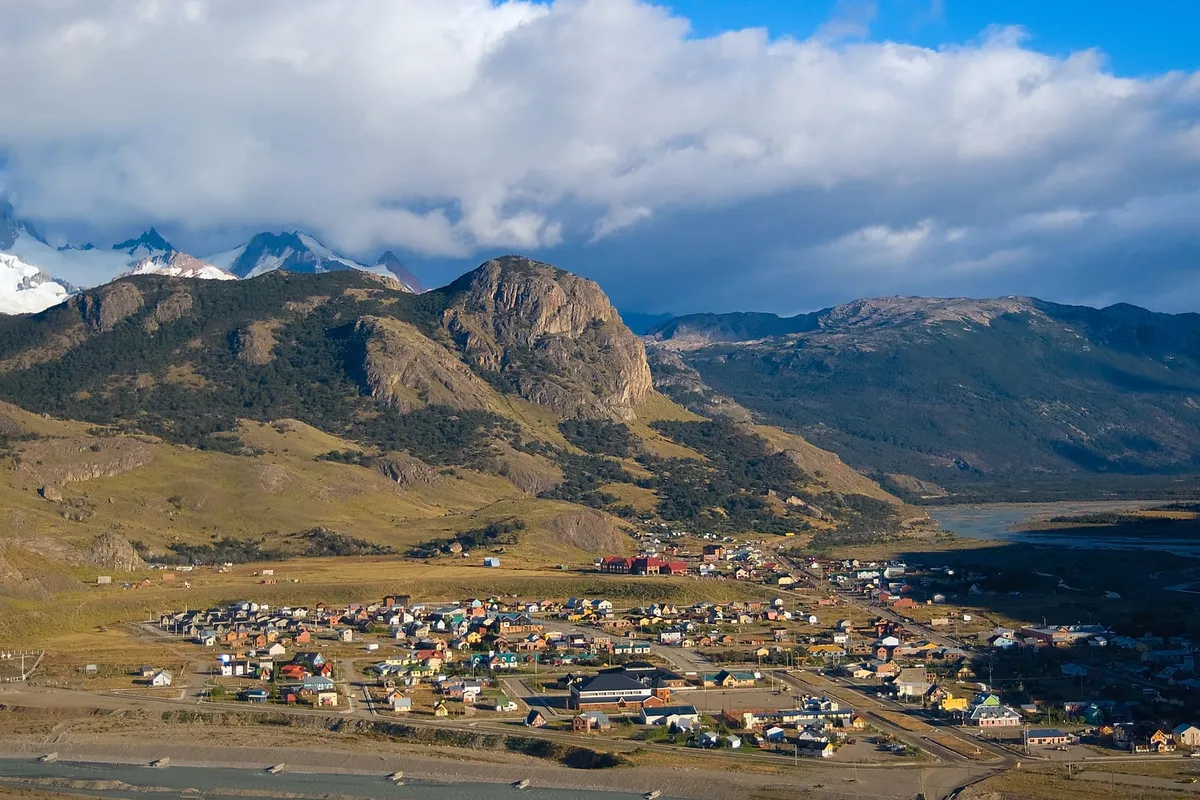
- Drop Cordoba (-2 days) and add El Chaltén (+2 days): from El Calafate, 220 km via RN 40 (3h by bus). National trekking capital — Laguna de los Tres with Fitz Roy view, Laguna Torre. The most popular swap if you prefer nature over colonial culture.
- Add Ushuaia (+3 days): from El Calafate, 1h 30min flight. Beagle Channel, Tierra del Fuego National Park, End of the World Train. Extends to 24 days.
- Swap Cordoba for Tucumán + Tafí del Valle: if you prioritise Inca archaeology (Quilmes ruins), mountains and NOA folkloric culture. Connects well to Cafayate via Route 40.
- Add Peninsula Valdés (+3 days): June-October for southern right whales, penguins, sea lions. Flight from BA or Bariloche.
- Add Iberá Wetlands (+2 days): on the northern leg (Iguazu-Salta), via Posadas. Wetlands with capybaras, caimans, howler monkeys and exotic birds.
- Cut Bariloche to 2 days if Mendoza and Calafate already give enough nature, dedicating those days to Buenos Aires depth (Tigre, Colonia, San Antonio de Areco).
Multi-destination logistics tips
- Luggage: medium backpack or suitcase (20-23 kg max checked, 8 kg carry-on) if you bring washable clothes. In Bariloche and Calafate there are cheap laundries (USD 8-15 per load, 24h). Avoid large suitcases — there are 7 internal flights and 8 hotel changes.
- Flight pass: Aerolineas Visit Argentina Pass (only with international flight on AR or OneWorld) offers 3-7 legs at 30-50% off. Alternative: book each leg on Flybondi/JetSmart 4-6 weeks ahead, often cheaper without the pass.
- Travel insurance: mandatory for Calafate, Ushuaia and trekking in Iguazu. Medical coverage USD 50,000+ for trekking evacuation or altitude emergency.
- Connectivity: Argentine SIM on arrival (Movistar or Claro, USD 10 with 10 GB). In Iberá, Patagonian Route 40 and Hornocal coverage is intermittent — download offline maps (Google Maps + Maps.me).
- Money: bring USD cash (new 50-100 dollar notes, no marks) and exchange in authorised "cuevas" at the "blue" rate in each city (30-50% better than official). ATMs only give ARS with low limits and high fees (USD 8-12 per withdrawal).
- Altitude: from Calafate (200 m) up to Salinas Grandes (3,450 m) and Hornocal (4,350 m) is a steep jump. Chew coca leaves, eat light, hydrate, avoid alcohol your first day in Salta.
What to pack for 21 days of extreme climates
- Upper layers: technical t-shirt (2-3), thermal top, mid fleece, waterproof windproof Gore-Tex jacket, light down jacket (Calafate and autumn/winter Bariloche).
- Lower: trekking pants (2), casual pants (1), shorts (Iguazu at 35°C and rainforest), thermal base layer if you go May-September.
- Footwear: waterproof trekking shoes (1), casual shoes for BA and wineries (1), flip-flops (hostel/plane).
- Accessories: fleece hat, thin gloves, scarf, sun cap, UV sunglasses (altitude), SPF 50 sunscreen (essential at altitude and Patagonia), Off Extreme repellent (Iguazu and Iberá).
- Tech: modern smartphone with GPS, 10,000mAh power bank, Argentine type I plug adapter (3 angled flat pins), universal cable, optional camera (phone is enough for everything).
DIY or operator?
If your budget is under USD 6,000, book it yourself: Argentina has good infrastructure, winery, park and airline websites work, and platforms like Civitatis or GetYourGuide have the main tours. For USD 8,000+ budgets or first South America trip, a local agency makes everything easier:
- Say Hueque: reference Argentine agency for premium DIY-friendly itineraries. USD 300-800 service fees on top of the total cost.
- Argentina4U: operates full circuits as closed packages or customised.
- Latitud 37: Patagonia and wine specialists, direct connections with premium wineries.
Tip: Book Piedra Infinita lunch (Zuccardi, Valle de Uco) and Big Ice in Perito Moreno 1-2 months ahead — these are the two bottlenecks of the itinerary in April 2026. Icon wineries (Catena Zapata, Salentein) require 4-6 weeks. If you fly internationally on Aerolineas or OneWorld, take advantage of the Visit Argentina Pass to save 30-50% on the 7 internal segments.
Frequently Asked Questions
Should I do it in reverse (Calafate → BA)?
Logistically the same, but the classic experience starts in BA (urban energy), passes through Iguazu (natural impact), Salta and Cafayate (Andean culture), Mendoza (gourmet relaxation) and ends with full Patagonian immersion in Bariloche and Calafate. North-to-south is also better for climate if you go October-December: Calafate at the end with long days. In March-May, reverse (south → north) can work to end with harvest in Mendoza.
Is Cordoba worth including on a tight budget?
Culturally and historically yes — UNESCO Jesuit Block, estancias, La Cumbrecita are unique. Scenically the sierras pale next to Patagonia. If trimming budget, swap Cordoba for 2 extra days in Mendoza (Valle de Uco depth) or add them to Bariloche for the full Seven Lakes Route. If Jesuit/colonial history interests you, keep it.
Can I do part by bus and part by plane?
Yes. Sleeper-suite buses in Argentina are comfortable (180° reclining, USD 60-120 per leg) but the distances are huge. Recommended buses: Salta-Cafayate (3h), Bariloche-Villa Angostura (1h), Bariloche-El Bolsón (2h). Flights essential for: BA-Iguazu, BA-Salta, BA-Bariloche, Bariloche-Calafate. BA-Mendoza is 14h by bus, so the flight is worth it.
When is it best to add Ushuaia or El Chaltén?
Ushuaia: if you go November-March, add 3 days from Calafate (1h 30min flight). In winter it's a ski destination (Cerro Castor). It's also the gateway to Antarctica — Drake Passage cruises from USD 6,500 per person. El Chaltén: national trekking capital, 3h by bus from Calafate. If you prefer hiking to glaciers, take 2 days from Calafate or Bariloche and dedicate them to Laguna de los Tres (Fitz Roy view).
Is it feasible with kids?
Yes, but adjust the pace and add rest days. Iguazu is ideal for kids (waterfalls, coatis, boats — Gran Aventura accepts ages 12+). Bariloche has chocolate, lakes and forests. Calafate with boardwalks (no Big Ice). Avoid Hornocal and Salinas Grandes with kids under 6 (altitude + 8h tour). Argentine restaurants are family-friendly until late. Kids often pay half on internal flights.
Do I need a visa for Brazil (Brazilian side of Iguazu)?
Argentines need only an ID. US and Canadian citizens don't need a visa for short stays (90 days) since 2025. Europeans don't either. The crossing from Puerto Iguazu to Foz do Iguaçu is done via transfer or tour (USD 25-40 round trip) over the Tancredo Neves bridge — passports are stamped on both sides. An organised tour simplifies the paperwork.