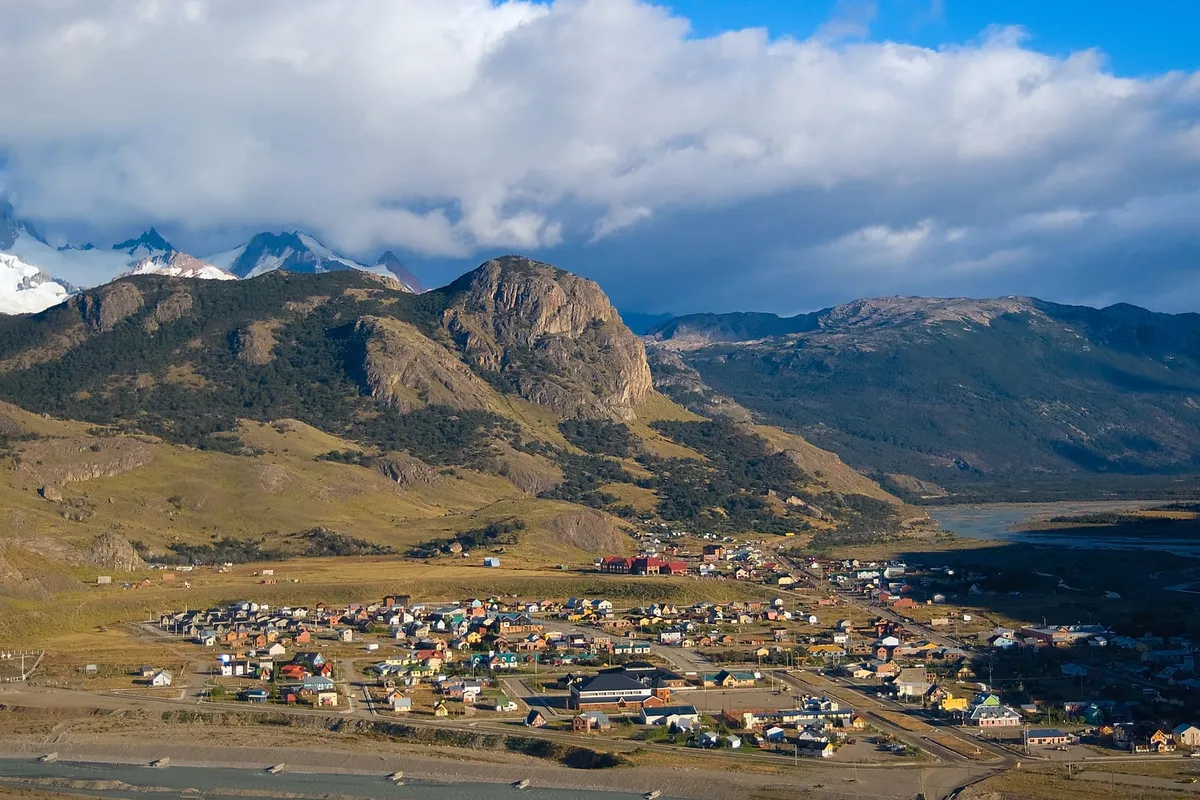
Villa Pehuenia is a small village of 1,500 inhabitants in northwest Neuquén province, on the south shore of Lake Aluminé at 1,200m altitude, surrounded by ancient forests of pehuén (Araucaria araucana, "monkey puzzle tree"), a sacred Mapuche tree species that can live 1,000+ years and produces edible piñón nuts. The village is named after these forests — UNESCO Biosphere Reserve since 2000 — which represent one of the world's largest remaining wild Araucaria populations. The pehuén is critically important to Mapuche culture: piñones are a traditional food staple, the trees are considered ancestral spirits, and the entire Pulmari area is co-managed by Mapuche communities (Puel, Aigo, Catalán Lof) in a model of indigenous tourism that has been internationally recognized. Lake Aluminé (52 km², 70m deep) provides the centerpiece for water activities — kayaking, sailing, fly fishing for trout — and gives Pehuenia village a postcard-quality setting. Beyond the lake and forests, the village serves as a base for Cerro Batea Mahuida (1,820m), a partially collapsed volcanic caldera with a small ski center inside it (June-September, 2 chairlifts, 8 runs, day pass USD 35-55), the trekking trails of Parque Nacional Lanín (north section), Mapuche cultural experiences (traditional food, language workshops, ruka visits), the Pino Hachado border crossing to Chile (105 km), and the Pehuenia archaeological site with rock art panels. Compared to busier Bariloche (380 km south) or San Martín de los Andes (195 km south), Pehuenia is dramatically less developed — no big hotel chains, no nightlife, no mass tourism. The village has 30-40 lodging options (mostly cabins USD 90-200), 6-8 restaurants, basic services. The roads are partially gravel (most paved on RN 23, the famous "Ruta de los Siete Lagos extension" that connects to Seven Lakes Route). Travelers seeking authentic Patagonia, Araucaria forests, deep silence, indigenous heritage and outdoor recreation away from crowds will find Pehuenia rewarding. Family-friendly, traditional, slow-paced.
Getting there — distances & times
| From | Distance | Drive |
|---|---|---|
| Aluminé | 90 km | 1 h 15 |
| San Martín de los Andes | 195 km | 3 h |
| Junín de los Andes | 175 km | 2 h 45 |
| Bariloche | 380 km | 4 h 30 |
| Caviahue (thermal) | 250 km | 4 h |
| Neuquén capital (NQN) | 320 km | 4 h |
| Cerro Batea Mahuida ski | 30 km | 40 min |
Typical prices by category
| Item | Price |
|---|---|
| Cabin (2-4 persons, low) | USD 90-150/night |
| Cabin (peak summer) | USD 150-280/night |
| Hostería double | USD 100-180 |
| Camping per person | USD 8-15 |
| Lake Aluminé kayak rental | USD 25-40/half day |
| Mapuche cultural experience | USD 50-90 |
| Cerro Batea Mahuida ski day pass | USD 35-55 |
| Ski equipment rental | USD 30-50/day |
| Fly fishing day with guide | USD 250-400 |
| Restaurant lunch (regional) | USD 18-32 |
2026 rates. Cabins are the typical accommodation. Reserve 1-2 months ahead in February.
Pehuén Forests — Sacred Araucarias
The Araucaria araucana (pehuén in Mapudungun) is one of the world's most extraordinary trees. Origin in the Cretaceous period 200 million years ago, it once covered Pangea — today it survives only in southern Chile and Argentina. The pyramidal silhouette, branches reminiscent of a "monkey puzzle", and bright green color stand out against the volcanic landscape. Each tree produces 200-400 piñones per year (large nuts, similar to cashews) — Mapuche communities harvest them in March-April, store them through winter, and use them as a staple. Walking through a centuries-old pehuén forest is one of Patagonia's most spiritual experiences. Recommended trails: Pehuenia village forest (3 km, 2h, easy), Pasarela del Pino (8 km, 4h, medium), Bandurrias circuit (12 km, 6h, medium-hard).
Mapuche Heritage
Tourism in the Pulmari area is co-managed with Mapuche communities (Puel, Aigo, Catalán Lof). Authentic cultural experiences:
- Asado mapuche: traditional cookout with curanto (meat cooked in earth oven), morcilla, piñón bread.
- Mapudungun language workshops: 2-3 hour intro session at the community center.
- Sacred forest walks: guided by Mapuche guides who explain rewe (sacred trees), nguillatuwe (ceremonial sites).
- Ruka visits: the traditional Mapuche house, made of wood and straw.
- Stay in Mapuche-owned cabins: coordinate through the community office.
- Crafts: textile weaving, silver jewelry, woodworking. Direct purchase supports communities.
Respectful tourism is essential. Book through community-approved providers; never enter sacred sites without invitation.
Tours and Activities
Pehuén Forest + Mapuche Lunch
Half-day guided walk through ancient Araucaria forest with Mapuche guide, traditional asado lunch including piñones, cultural explanations.
Lake Aluminé Kayak
3-hour guided kayak tour around Lake Aluminé bays. Calm summer waters, Andes views. Equipment, lifejacket and snack included.
Cerro Batea Mahuida Ski Day
Full ski day at the volcanic caldera ski center, lift pass, equipment rental, transfer from Pehuenia. June-September only.
Itinerary Suggestion (3 days)
- Day 1: Arrive from San Martín de los Andes (3h drive). Lake Aluminé walk, sunset on the south shore. Dinner at Restaurante Aluminé.
- Day 2: Pehuén forest hike with Mapuche guide (4-5h). Asado lunch in community. Afternoon kayak on Lake Aluminé.
- Day 3: Drive to Cerro Batea Mahuida (40 min). Caldera trek (in summer) or ski (in winter). Return to village for dinner. Optional: visit archeological rock-art site.
See also: Parque Nacional Lanín, San Martín de los Andes, Junín de los Andes, Bariloche.