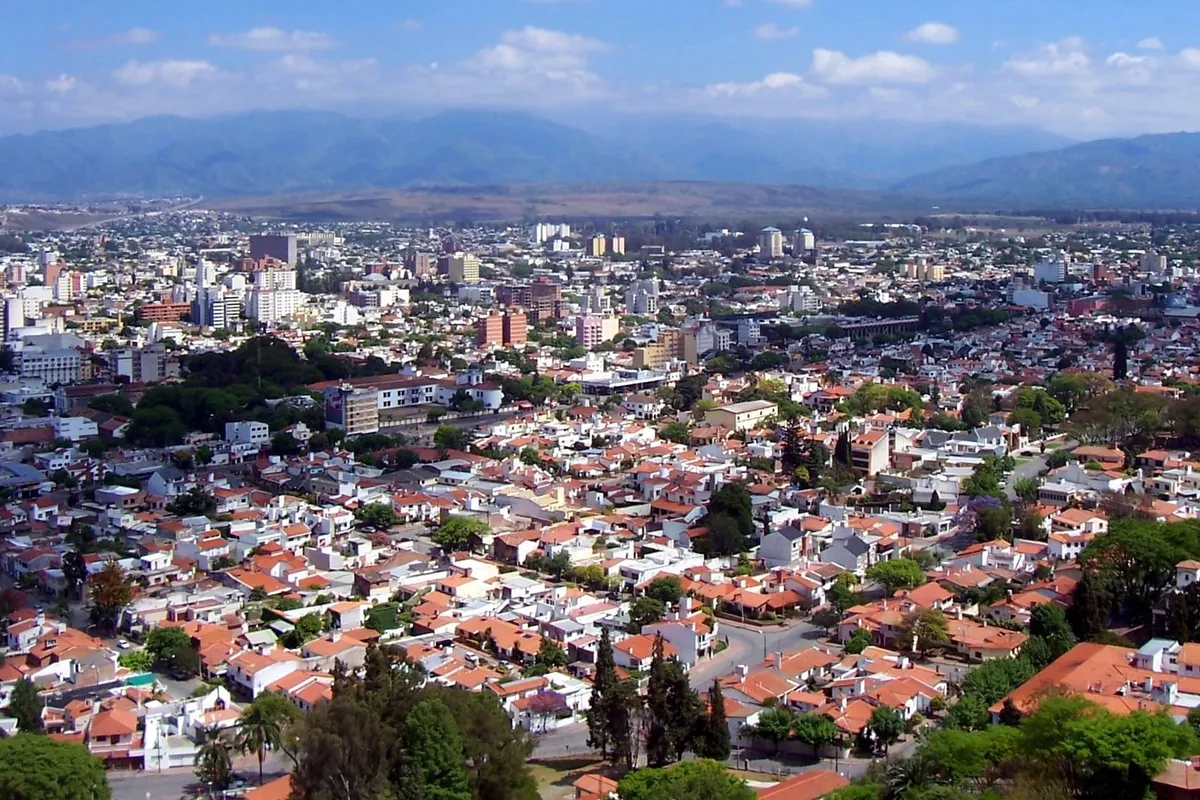
Cafayate is the epicenter of the Calchaqui Valleys wine region, the most important high-altitude vineyard zone in the world. At 1,660 meters elevation, with over 30 visitable wineries and unique climatic conditions -- 340 days of sunshine per year, a 25°C temperature swing between day and night, minimal rainfall (200mm annually) and sandy, calcareous soils -- it produces wines with an aromatic concentration found nowhere else. The signature grape is Torrontes, a floral, aromatic and fruity white that is the only grape variety considered genuinely Argentine. But Cafayate also produces exceptional Malbec, Cabernet Sauvignon and Tannat. You can tour the wineries by bicycle (many are 2-5 km from town), by car or with an organized tour. The harvest (vendimia) is in February-March. This guide covers the best wineries, how to plan your wine route, and everything you need to know about Torrontes.
Why Cafayate Wine Is Special
Three factors make Cafayate wines unique in the world:
1. Extreme Altitude (1,660m)
At this elevation, UV radiation is significantly higher than in low-altitude wine regions (like Bordeaux at 20m or Napa Valley at 60m). Grapes develop thicker skins as natural protection, concentrating tannins, anthocyanins and polyphenols. The result: more intense wines with deeper color and greater aromatic complexity.
2. Extreme Temperature Variation
Cafayate has one of the largest temperature swings of any wine region: 25-30°C difference between daytime (up to 35°C) and nighttime (5-8°C). Cold nights preserve the grape's natural acidity while hot days ripen the sugars. The resulting acidity/sugar balance produces wines that are fresh yet ripe -- the signature of the Calchaqui terroir.
3. Arid Climate (200mm rain/year)
Minimal rainfall means low risk of fungal diseases (the #1 enemy of vineyards). Vines are drip-irrigated with Andean snowmelt water. Controlled water stress concentrates the flavors. Result: smaller grapes with more skin per volume of juice, more intense.
Torrontes — Argentina's Signature White Grape
Torrontes is the only grape variety considered genuinely Argentine. It is a natural cross between Muscat of Alexandria and Criolla Chica that evolved in the Calchaqui Valleys. While Malbec was imported from France, Torrontes was born here.
Tasting Profile
- Nose: intensely aromatic. Notes of white rose, jasmine, peach, apricot, pineapple, orange blossom, lychee, grapefruit peel and a touch of spice
- Palate: fresh, with vibrant acidity, medium body. The best have a silky texture and a long finish with citrus notes
- Ideal pairings: empanadas saltenas (the perfect pairing), ceviche, NOA goat cheese, humita, grilled white fish
- Serving: well chilled (6-8°C). An aperitif and light-food wine
The Best Wineries in Cafayate
Large Wineries (no reservation needed most of the year)
Bodega El Esteco -- the largest and one of the oldest in Cafayate (founded in the late 19th century by two French immigrants). The imposing white colonial building welcomes you with spectacular grounds. It has a gourmet restaurant (Patios de Cafayate, excellent), a wine shop with the full range, and tastings from basic to premium ($10-30 USD). The Don David Torrontes Reserva and Elementos wines are benchmarks. The most professional and complete visit.
Bodega Piattelli -- the most photogenic winery. Spectacular terrace overlooking vineyards and sierras. Tasting with regional cheese and charcuterie pairing. Book if you can, especially weekends. Grand Reserve Malbec is exceptional.
Vasija Secreta -- boutique-industrial winery with modern style. Rated 4.8/5 on wine tourism platforms. Good wines, great value. Offers two experiences: "Norte Wine Adventure" (vineyard tour with tasting) and "Norte's Secret Vineyards" (deeper tour with expanded tasting). Well positioned to combine with others in the same area.
Boutique Wineries (book in advance)
Bodega Nanni -- small, family-run, charming, and the only organic winery in the region. The owner himself (Jose Nanni) greets you, tells the story of 4 generations of winemakers and has you taste directly from the barrels. Offers a free English-language tour and the tasting costs just a few dollars. Limited production. Excellent Torrontes and Malbec. The "Arcanvs" Gran Reserva is one of the winery's standout wines. The most authentic experience in Cafayate, located in the village center.
Domingo Molina -- if you have to choose ONE Torrontes to take home, this is it. Minimal production, cult winemaker. The tasting is intimate and educational. Domingo Molina Torrontes is considered one of the best whites in Argentina.
Outside Cafayate (for those with more time)
Bodega Colome -- near Molinos, 2 hours north of Cafayate via Route 40. Founded in 1831, one of the oldest operating wineries in Argentina. The main winery is at 2,300m, and its "Altura Maxima" vineyard at 3,111m is one of the highest in the world. Houses the James Turrell Museum, the only museum entirely dedicated to the American artist outside the United States. Boutique hotel on site. A unique experience worldwide -- worth the trip on its own.
How to Plan Your Wine Route
By Bicycle (recommended)
The most fun and local way to tour the wineries. Many are 2-5 km from Cafayate center, on flat roads or gentle slopes. Rental is easily arranged at the tourism agency on the main plaza (~$5-10 USD/day). Maximum 3-4 wineries per day. Afternoon winds can be strong, so start early (10:00 AM). The roads between wineries are scenic and safe, with vineyards on both sides and mountains as backdrop.
Suggested bike route: Depart center -- El Transito (2 km) -- Vasija Secreta (3 km) -- Nanni (4 km) -- return to center for lunch -- siesta -- Piattelli (3 km) in the afternoon.
By Car
Allows covering more wineries and reaching those along Route 40 to the north. But note: 3-4 tastings of 3-4 wines each add up. If driving, designate a driver or use the "taste and spit" technique (perfectly acceptable at tastings).
With an Organized Tour
Half-day tours from Cafayate ($20-35 USD) include 3 wineries with tasting and transport. There are also tours from Salta combining Route 68 + wineries (full day, $40-55 USD). Tours sacrifice flexibility but solve the alcohol-and-driving issue.
Wine Ice Cream — Yes, It Exists
Don't leave Cafayate without trying the wine ice cream at Heladeria Miranda (facing the plaza). It was Cafayate's first ice cream shop and the pioneer in creating wine ice cream -- today it's an institution. Flavors include Torrontes, Cabernet Sauvignon, Malbec, Tannat and also dulce de cayote (a regional fruit). Sounds odd, tastes delicious. Another popular option across the plaza is Heladeria Dessio. And if cheese is your thing, just outside town is Cabras de Cafayate, an artisan goat farm with cheeses that pair perfectly with local wines.