Argentina vs Brazil is the classic decision for a North American or European traveler planning a big South America trip. The two largest countries in the subcontinent share a border and the Iguazú Falls, but offer almost opposite experiences. Argentina (~2.7M km², 46M people, Spanish, peso) is European South America: Buenos Aires with porteño cafés and bookstores, Patagonia with glaciers and mountains, Mendoza wine, Andean Northwest, asado and Malbec, temperate to cold climate. Brazil (~8.5M km², 215M people, Portuguese, real) is tropical South America: 7,491 km of coastline with paradise beaches, iconic Rio de Janeiro, Amazon, Pantanal, samba, capoeira, carnival, warm year-round. Both share Iguazú as their natural common point. In this 2026-updated comparison we analyze 10 dimensions — costs, beaches, nature, food, connectivity, best time, infrastructure, language, safety, culture — and give recommendations by traveler profile. Executive summary: if your priority is tropical beach + Rio + warm, Brazil. If you want geographic variety + Patagonia + European urban culture, Argentina. With 14+ days: combine both via Iguazú (the classic South America itinerary).
Side-by-Side Comparison
| Dimension | Argentina | Brazil |
|---|---|---|
| Area | 2,780,000 km² | 8,510,000 km² (#5 world) |
| Population | 46 million | 215 million |
| Capital | Buenos Aires (3M) | Brasília (3M) |
| Language | Rioplatense Spanish | Brazilian Portuguese |
| Currency | Peso ARS (blue dollar) | Real BRL |
| Climate | Temperate-cold (except NW & Iguazú) | Tropical (~28°C year-round) |
| Coastline | ~5,000 km Atlantic (cold) | 7,491 km tropical Atlantic |
| Signature beach | Mar del Plata, Pinamar (cold) | Copacabana, Trancoso (tropical) |
| Nature highlights | Patagonia (Perito Moreno, Fitz Roy) | Amazon, Pantanal, Iguaçu |
| Iguazú Falls | AR side (80% falls, immersive) | BR side (20%, panoramic) |
| Signature food | Asado, parrilla, Malbec | Feijoada, churrasco, caipirinha |
| Mid-range hotel | USD 60-130 | USD 80-160 |
| 3-course dinner | USD 25-45 | USD 30-60 |
| 10-day cost | USD 1,800-3,200 | USD 2,200-4,000 |
| Best season | Nov-Mar (south) / Apr-Oct (north) | Apr-Oct (Southeast) / Sep-Mar (NE) |
| Tourist safety | High (BA petty crime) | Medium (caution Rio/SP/Salvador) |
Choose Argentina If...
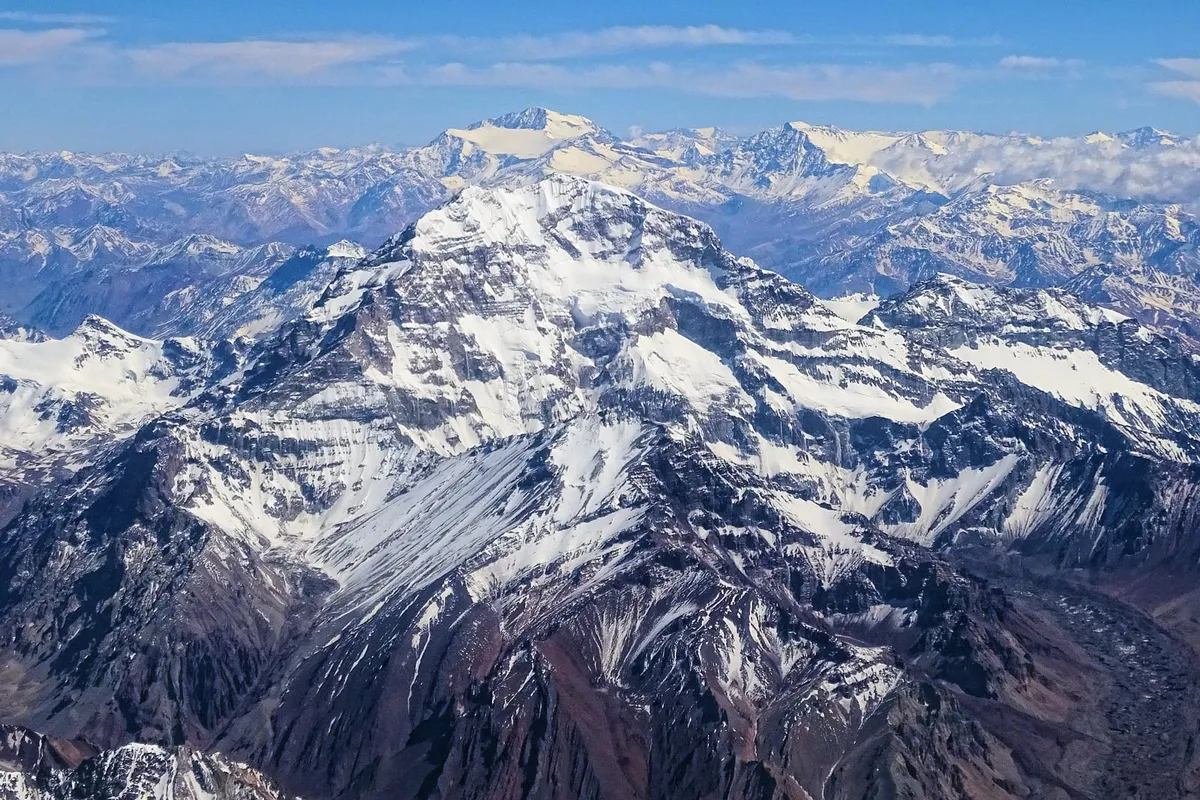
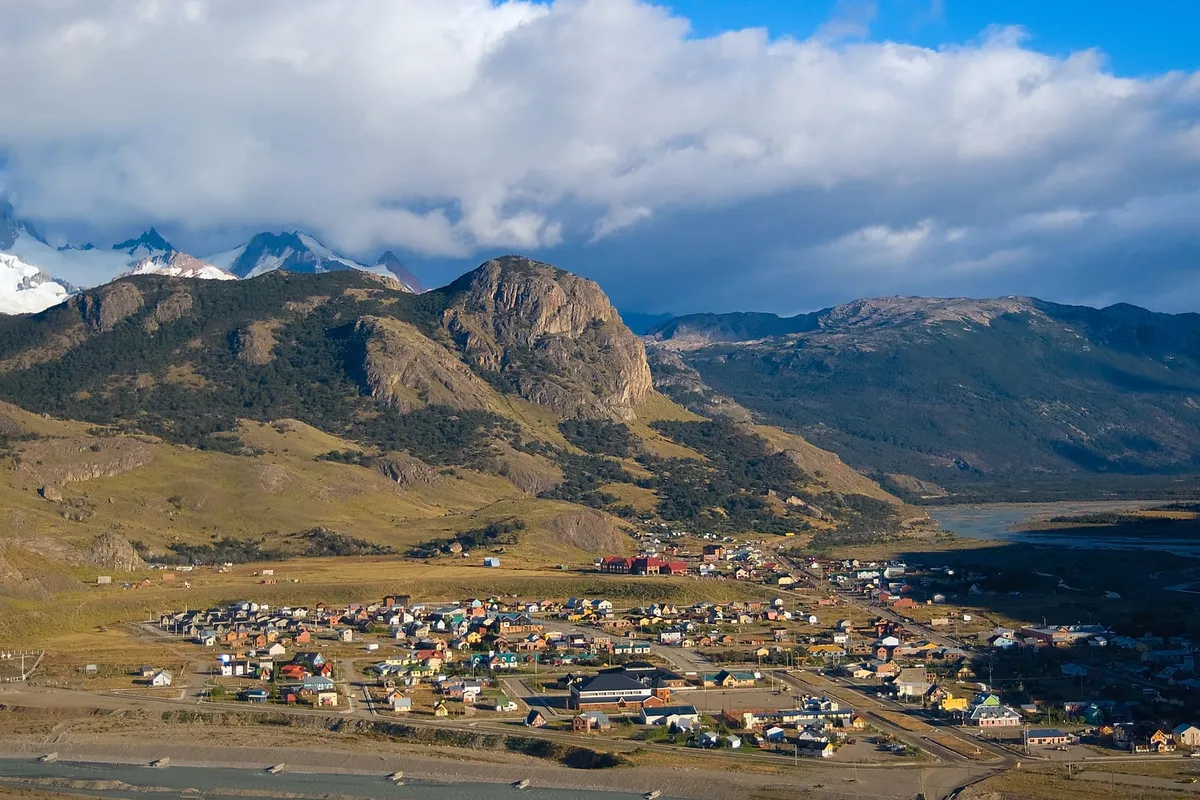
- You want Patagonia: glaciers in Calafate, mountains in Bariloche and Chaltén, end of the world in Ushuaia. Brazil has no equivalent.
- You're a beef and wine foodie: Argentine asado is considered the best in the world. Malbec is unique.
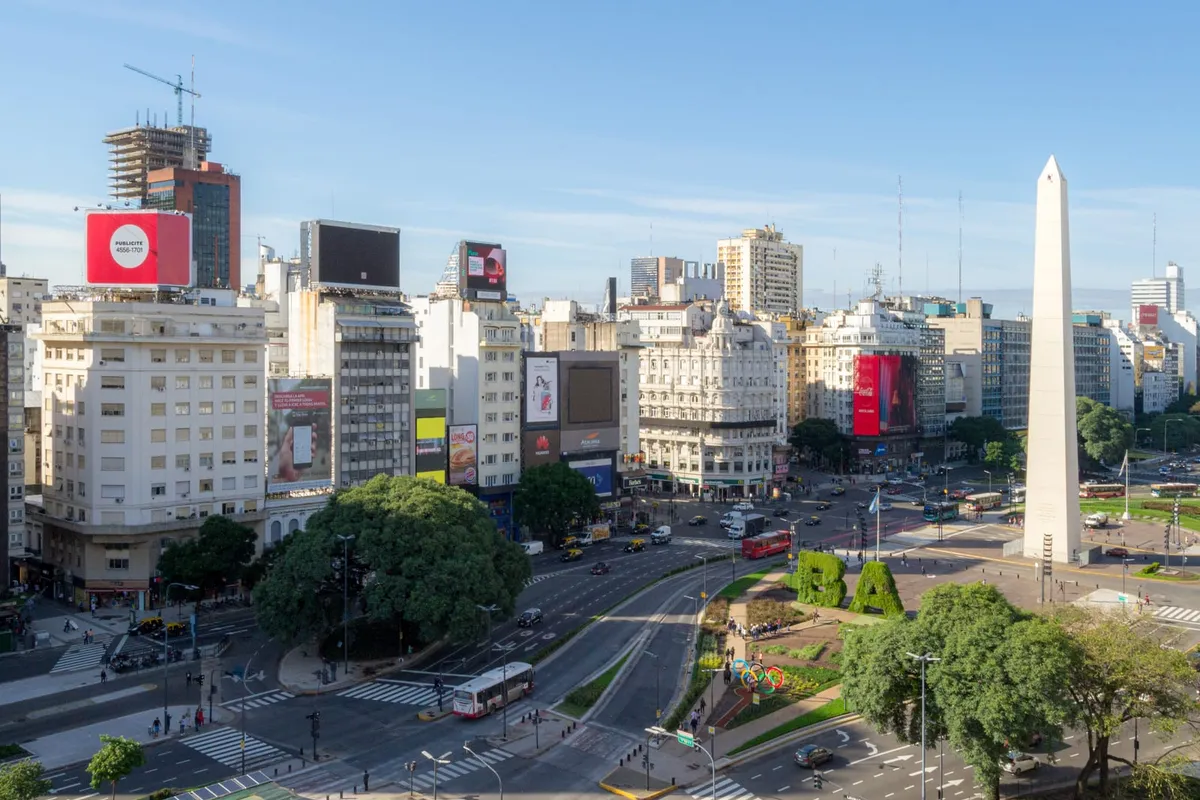
- You want European urban culture: Buenos Aires with tango, Ateneo bookstore, Recoleta — feels like a European capital.
- Your budget is tight: with the blue dollar Argentina is ~30% cheaper than Brazil.
- You don't like extreme heat: temperate climate year-round in BA, cold in Patagonia.
- You want to ski: Cerro Catedral in Bariloche, June-October.
- You want concentrated geographic variety: falls + glaciers + Andean desert + lakes + European city, all in one manageable country.
Choose Brazil If...
- You want tropical beach: Bahia (Trancoso, Praia do Forte), Florianópolis, Fernando de Noronha, Jericoacoara. Argentina has no equivalent.
- You like heat and Caribbean energy: 28°C year-round in Rio and Northeast, permanent festive vibe.
- You want Carnival: South America's biggest cultural event (February-March, Rio and Salvador).
- You're a seafood and tropical food foodie: Bahian moqueca, açaí, tropical fruits, grilled fish.
- You want Amazon or Pantanal: world's largest rainforest, Pantanal with unique wildlife (jaguars, capybaras).
- You want Rio de Janeiro: most visually stunning city in the southern hemisphere (Christ, Sugarloaf, in-city beaches).
- You love music and dance: samba, bossa nova, forró, frevo — vibrant music scene on every corner.
Best For...
| If you want... | Choose |
|---|---|
| Tropical beach | Brazil (Bahia, Rio, Floripa) |
| Glaciers and mountains | Argentina (Patagonia) |
| Jungle / Amazon | Brazil (Manaus, Pantanal) |
| Premium wine | Argentina (Mendoza Malbec) |
| Beef / grill | Argentina (world-class asado) |
| Music and nightlife | Brazil (samba, Lapa, Carnival) |
| European urban culture | Argentina (Buenos Aires) |
| Family with older kids (8+) | Argentina (Bariloche, Iguazú, BA) |
| Family with young kids (3-7) | Brazil (NE all-inclusive resorts) |
| Romantic honeymoon | Brazil (Trancoso) or Argentina (Mendoza) |
| Tight budget | Argentina (blue dollar) |
| Wildlife / adventure | Brazil (Pantanal jaguars) |
Combine Both — 14-Day Itinerary
For travelers with time, the best South American experience combines both countries with Iguazú as the midpoint:
- Days 1-4: Buenos Aires — tango, Recoleta, San Telmo, parrilla, optional Boca/River football match.
- Days 5-6: Iguazú Argentine side — flight from AEP, full day boardwalks + Devil's Throat + optional Macuco Safari.
- Day 7: cross to Foz do Iguaçu — Brazilian panoramic + optional Itaipu + dinner.
- Days 8-11: Rio de Janeiro — flight Foz-GIG, Christ Redeemer, Sugarloaf, Copacabana, Ipanema, Lapa nights.
- Days 12-14: Salvador or Florianópolis — Salvador for history + Bahian tropical, or Florianópolis for beaches + lifestyle.
Estimated total cost: USD 3,000-5,000 per person (internal flights included). Best season: October-March (summer in both). International flight: open-jaw EZE (in) → GIG/GRU (out) recommended.
Costs Side by Side (USD per person)
| Item | Argentina | Brazil |
|---|---|---|
| Mid-range hotel (night) | USD 60-130 | USD 80-160 (Rio/SP) / 50-100 (NE) |
| Premium hotel (night) | USD 180-450 | USD 200-500 |
| 3-course dinner | USD 25-45 | USD 30-60 |
| Casual lunch | USD 12-20 | USD 12-22 |
| Internal flight (1h) | USD 100-180 | USD 120-220 |
| Full-day tour | USD 60-150 | USD 70-180 |
| Beer / caipirinha | USD 4-8 (Quilmes/Patagonia) | USD 4-9 (caipirinha) |
| Total 10 days | USD 1,800-3,200 | USD 2,200-4,000 |
Best Time by Country
- Argentina Patagonia: November-March (summer).
- Argentina NW / Iguazú: April-October (dry season).
- Argentina Buenos Aires: September-November and March-May.
- Brazil Rio and Southeast: April-October (best, no rains). Carnival Feb-Mar (expensive).
- Brazil Northeast (Bahia, Ceará, Pernambuco): September-March.
- Brazil Amazon: June-November (dry season).
- Brazil Pantanal (jaguars): July-October.
- Best month to combine both: October, April, May — warm summer in BR + comfortable in BA + start/end Patagonia season.
How to Connect AR ↔ BR
Direct flights: AEP/EZE Buenos Aires ↔ GRU/GIG São Paulo/Rio (3h, USD 280-650 round-trip), Iguazú IGR ↔ Foz IGU (border taxi 30 min, $15), AEP ↔ Salvador SSA (4h, USD 400-800), AEP ↔ Florianópolis FLN (3h, USD 350-650). Carriers: Aerolíneas Argentinas, LATAM, GOL, Azul.
Land crossing: Iguazú (AR) ↔ Foz do Iguaçu (BR) — 25 km, taxi/Uber USD 15-30, 30 min with immigration. Posadas (AR) ↔ Encarnación (PY) ↔ Foz do Iguaçu (BR) — triple frontier. Long-distance bus AR-BR exists but only recommended for backpackers (40-50h Buenos Aires-Rio).
Bottom Line — Which to Choose
- First trip to South America + want tropical → Brazil (Rio + Bahia).
- First trip to South America + want geographic variety → Argentina.
- Beef + wine + urban culture foodie → Argentina.
- Beach + samba + warm climate → Brazil.
- Glaciers + mountains + Patagonia → Argentina.
- Family with young kids for resort → Brazil (Northeast all-inclusive).
- 14+ days → Combine both via Iguazú.
- Carnival or cultural festival → Brazil (Rio or Salvador).
Book Your Trip
Iguazu Falls Argentine side
Full-day excursion with boardwalks + Devil's Throat + optional Macuco Safari. Argentine side has 80% of the falls.
Buenos Aires + Rio de Janeiro 10 days
Tango + Christ combo: BA 4 days with city tour and tango show + flight + Rio 4 days with Christ, Sugarloaf, Copacabana.
Buenos Aires - Rio de Janeiro flight
Direct flight AEP-GIG, 3 hours, multiple daily frequencies on Aerolíneas Argentinas, LATAM and GOL.