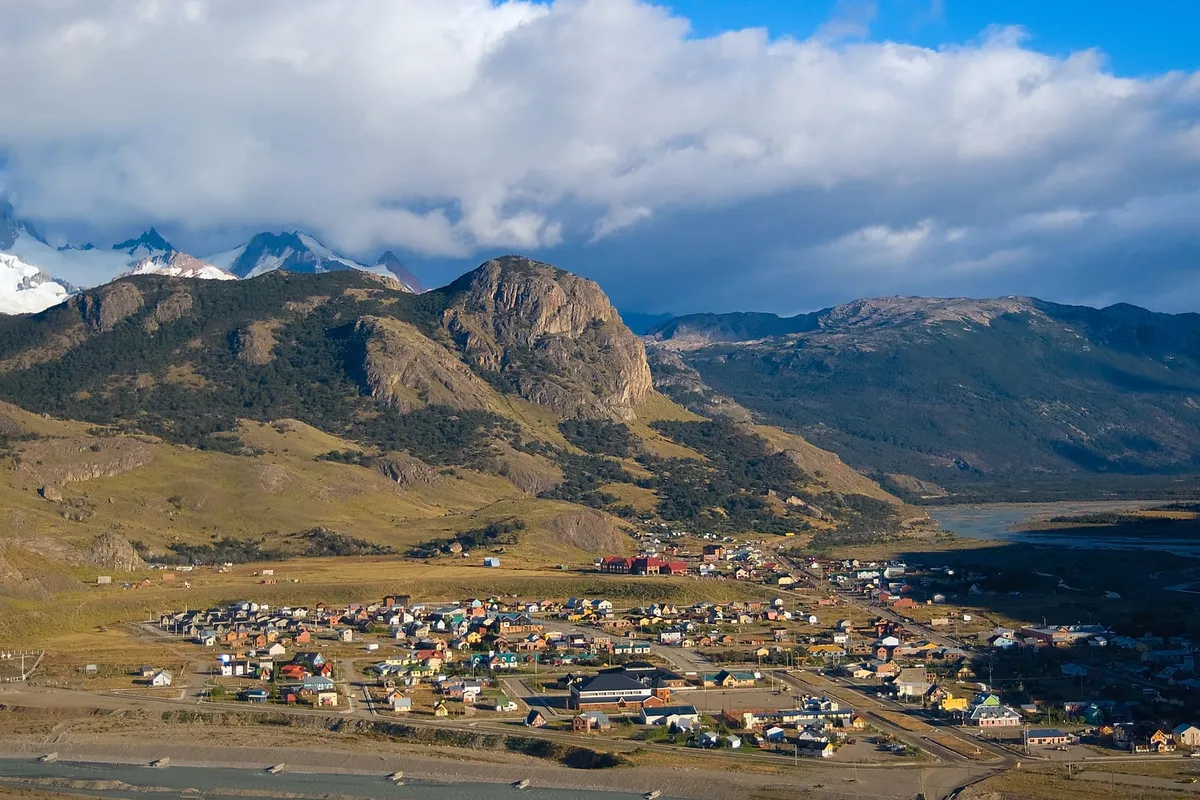
Argentina vs Chile is the classic decision for travelers planning their first big South America trip. Both share Patagonia, the Andes, and a world-class wine tradition, but they offer profoundly different experiences. Argentina (~2.7M km², 46M people, peso) is the most geographically diverse country in the Southern Cone: tropical falls at Iguazú, glaciers and steppe at Calafate, Andean peaks in Salta, alpine lakes in Bariloche, tango and steak capital in Buenos Aires. Chile (~756,000 km², 19M people, Chilean peso) is the world's most "linear" country (4,300 km north to south, 175 km wide on average): the planet's driest desert in Atacama, austral fjords on the Carretera Austral, Torres del Paine in Patagonia, Easter Island in the Pacific, central wine valleys. In this 2026-updated comparison we analyze 10 dimensions — costs, Patagonia, wines, food, connectivity, best time, infrastructure, language, safety, variety — and give recommendations by traveler profile. Executive summary: with 10-14 days and one country, Argentina for more variety. If you want desert + Pacific + Easter Island, Chile. With 14+ days: combine both via cross-border Patagonia (the most spectacular itinerary in South America).
Side-by-Side Comparison
| Dimension | Argentina | Chile |
|---|---|---|
| Area | 2,780,000 km² (#8 world) | 756,000 km² (#38 world) |
| Population | 46 million | 19 million |
| Capital | Buenos Aires (3M / 15M GBA) | Santiago (7M GS) |
| Currency | Argentine peso (ARS) — blue dollar | Chilean peso (CLP) stable |
| Signature wine | Malbec (Mendoza), Torrontés (Cafayate) | Carmenère (Colchagua) |
| Signature food | Asado, parrilla, empanadas, dulce de leche | Seafood, ceviche, pisco sour |
| Patagonia highlights | Perito Moreno, Fitz Roy, Bariloche | Torres del Paine, Carretera Austral |
| Desert | NW (Quebrada Humahuaca, Cafayate) | Atacama (driest on Earth) |
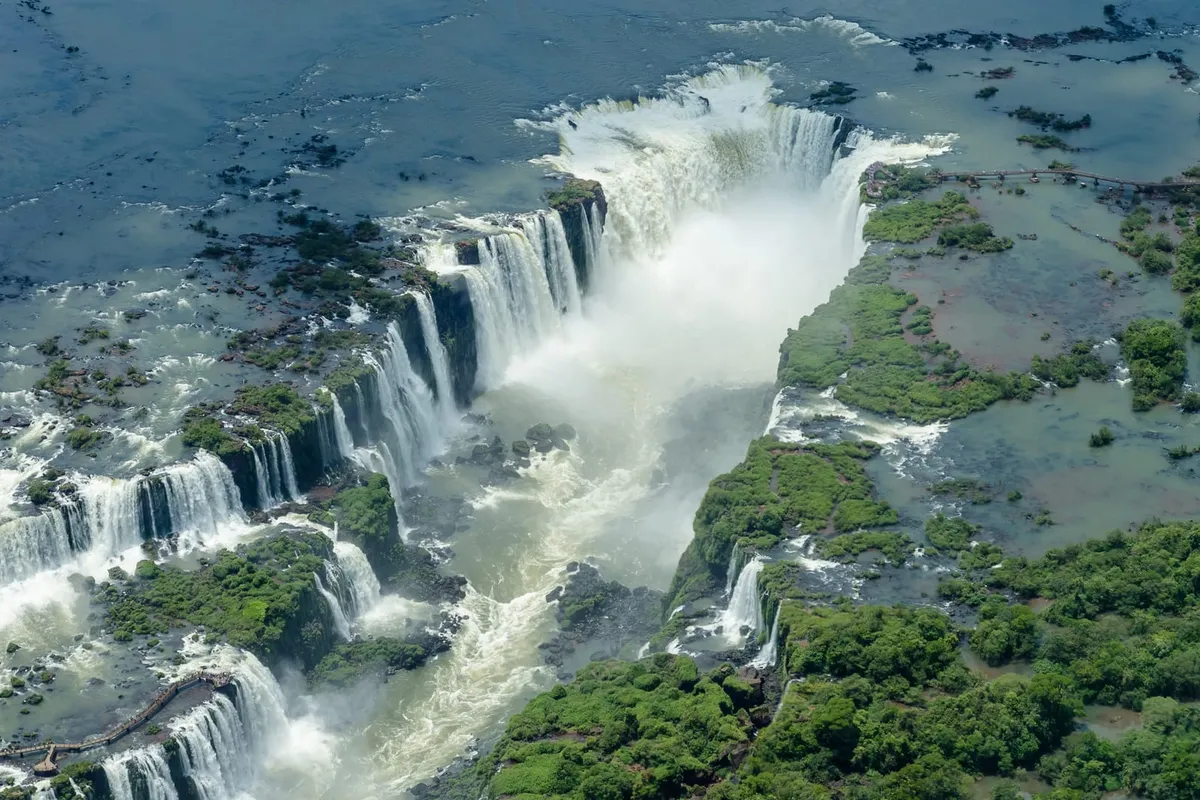
| Falls | Iguazú AR side (80% of falls) | None |
| Pacific coast | No (Atlantic only) | YES — 4,300 km |
| Mid-range hotel | USD 60-130 | USD 80-150 |
| 3-course dinner | USD 25-45 | USD 30-55 |
| 10-day trip cost | USD 1,800-3,200/person | USD 2,200-3,800/person |
| Infrastructure | Variable, boutique-strong | More standardized and predictable |
| Best general season | Nov-Mar (south) / Apr-Oct (north) | Nov-Mar (south) / Apr-Nov (north) |
Choose Argentina If...
- You want maximum geographic variety: tropical falls + austral glaciers + Andean desert + lakes + pampas + European-style city, all in one country.
- You're a meat and wine foodie: Argentine asado and Malbec are the most identitary food pairing in South America.
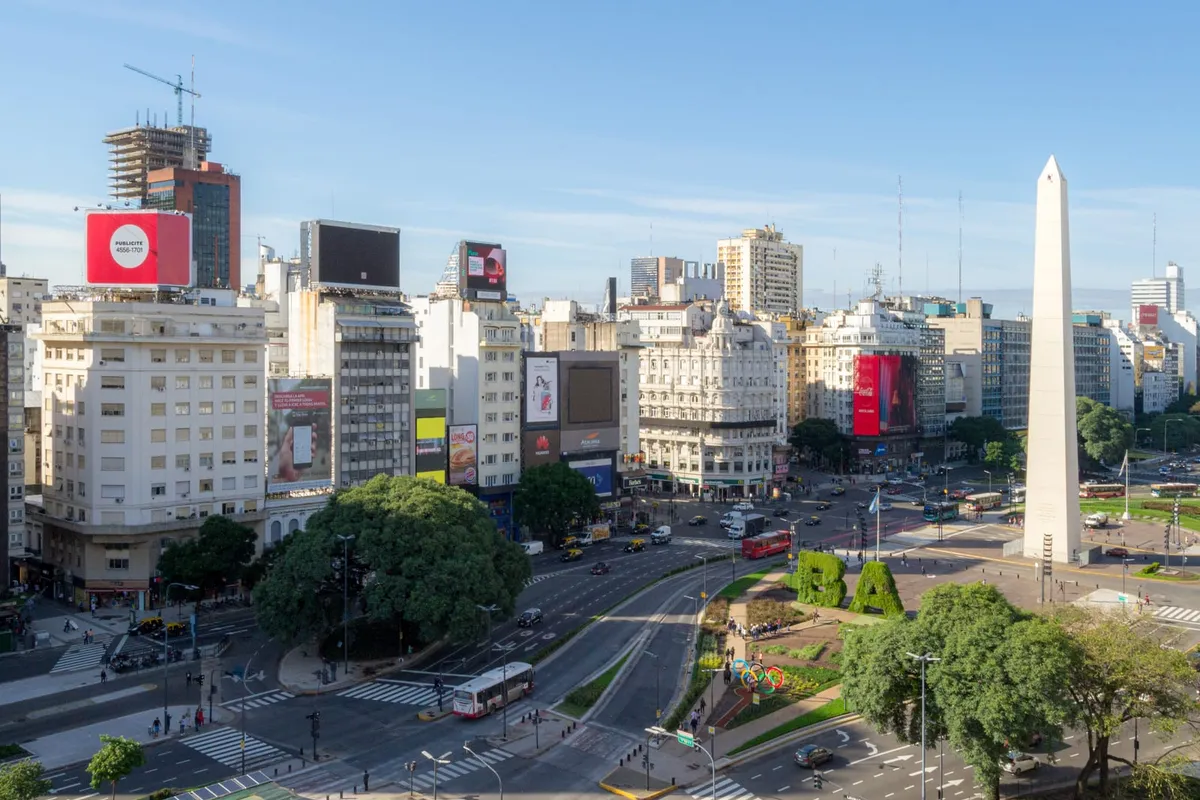
- You're into urban culture: Buenos Aires is the "Paris of South America" — tango, bookstores, cafés, museums, Boca/River football.
- Your budget is tight: with the blue dollar Argentina is 25-35% cheaper than Chile for daily expenses.
- You want Iguazú Falls or Perito Moreno: two of the world's most impressive natural attractions, both in Argentina.
- You seek immersive experiences: Patagonian, Salteño, Mendocino estancias; tango milongas; football matches; horseback rides in the NW.
- You want to ski: Cerro Catedral is South America's largest ski resort.
Choose Chile If...
- You want the Atacama Desert: the driest non-polar desert on Earth — lunar landscapes, Tatio geysers, Moon Valley, Atacama Salt Flat, world-class astronomical viewing.
- You're a serious trekker and want Torres del Paine: the W trek and O circuit are considered the best in South America.
- You want Easter Island (Rapa Nui): only accessible by flight from Santiago (5h), UNESCO World Heritage with the Moai.
- You want to drive the Carretera Austral: 1,240 km of fjords, turquoise rivers, Marble Caves, wild Patagonia.
- You love Pacific seafood: the Chilean coast is one of the most prolific in shellfish (locos, machas, sea urchin, conger, ceviche).
- You want a more stable, predictable country: stable CLP economy, uniform infrastructure, very strong safety indicators.
- You want stargazing or eclipses: northern Chile has the cleanest skies in the Southern Hemisphere — ALMA and other observatories.
Best For...
| If you want... | Choose |
|---|---|
| Adventure / Serious trekking | Chile (Torres del Paine W/O) |
| Top wine + regional variety | Argentina (Mendoza Malbec + Cafayate Torrontés) |
| Family with kids 6-14 | Argentina (Bariloche, Iguazú, BA) |
| Romantic honeymoon | Argentina (Mendoza wine + Bariloche lakes) |
| Tight budget | Argentina (blue dollar) |
| First trip to South America | Argentina (more variety concentrated) |
| Beef foodie | Argentina (world-class grill) |
| Seafood foodie | Chile (Pacific) |
| Astronomy / clean skies | Chile (Atacama, ELT) |
| Ski in South America | Argentina (Catedral) or Chile (Valle Nevado/Portillo) |
| European-style urban culture | Argentina (Buenos Aires) |
| Easter Island / Rapa Nui | Chile (only option) |
Combine Both — 14-Day Cross-Border Itinerary
For travelers with time, the best South American experience combines the two countries crossing the border in Patagonia or the north:
- Days 1-3: Buenos Aires — tango, parrilla, Recoleta, San Telmo, optional football match.
- Days 4-6: El Calafate (flight from AEP) — Perito Moreno Glacier, Estancia Cristina, mini-trekking on the ice.
- Days 7-8: El Chaltén (bus from Calafate, 3h) — Laguna de los Tres with Fitz Roy, Laguna Torre.
- Days 9-12: Torres del Paine (border crossing via Cerro Castillo, 5h) — W trek or full circuit, hotel in Puerto Natales.
- Days 13-14: Santiago (flight from Punta Arenas) — San Cristóbal hill, Mercado Central, Valparaíso day trip.
Estimated total cost: USD 3,500-5,500 per person (internal flights included). Best season: November-March. International flight: open-jaw EZE (in) → SCL (out) saves 15-25% vs round-trip.
Costs Side by Side (USD per person)
| Item | Argentina | Chile |
|---|---|---|
| Mid-range hotel (night) | USD 60-130 | USD 80-150 |
| Premium hotel (night) | USD 180-450 | USD 220-500 |
| 3-course dinner | USD 25-45 | USD 30-55 |
| Casual lunch | USD 12-20 | USD 15-25 |
| Internal flight (1h) | USD 100-180 | USD 120-200 |
| Full-day tour | USD 60-150 | USD 80-180 |
| Bottle Malbec/Carmenère winery | USD 15-50 | USD 18-55 |
| Total 10 days | USD 1,800-3,200 | USD 2,200-3,800 |
Best Time by Country
- Patagonia (both countries): November to March (austral summer). Long days (16-17h light), 8-22°C, accessible glaciers.
- Argentine NW (Salta, Cafayate, Jujuy): April to October. Avoid January-March (rains).
- Chilean Atacama: year-round. Best April-November (less wind, clearer night skies).
- Iguazú (Argentina): March-May and September-November. Hot humid summer, dry winter.
- Mendoza harvest: March (Fiesta Nacional de la Vendimia).
- Chilean Central Valley harvest: March-May.
- Buenos Aires: September-November and March-May (mild).
- Santiago: March-May (clean autumn without smog).
How to Get to Each
Argentina: main hub EZE Buenos Aires. Direct flights from NYC (10-11h, USD 750-1,400), Miami (8-9h, USD 600-1,100), Madrid (12h, EUR 600-1,100), Rome, Frankfurt, São Paulo. Aerolíneas Argentinas + American + Delta + United + Iberia + Air France + LATAM. Alternative entry: AEP domestic, Mendoza, Córdoba.
Chile: main hub SCL Santiago. Direct flights from NYC (11h), Miami (8-9h), Madrid (13h), Sydney (12h, only direct South America-Oceania), Auckland, São Paulo. LATAM (based in Santiago) + Sky + JetSmart + Iberia + Lufthansa + American + United.
Land crossing AR↔CL: Mendoza→Santiago (Cristo Redentor pass, 6-8h bus, USD 35-50, spectacular but closes for snow June-August). Bariloche→Puerto Varas (Andean Lakes Crossing, 2 days, USD 350). Calafate→Puerto Natales (via Cerro Castillo, 5h bus, USD 30-45).
Bottom Line — Which to Choose
- First trip to South America + 10-14 days + one country → Argentina (more variety concentrated).
- Outdoor adventure + serious trekking → Chile (Torres del Paine).
- Beef and wine foodie + urban culture → Argentina (BA + Mendoza).
- Astronomy + extreme desert → Chile (Atacama).
- Family with kids → Argentina (Bariloche + Iguazú + BA).
- 14+ days available → Combine both in cross-border Patagonia.
- Tight budget → Argentina (blue dollar, ~25-35% cheaper).
- Easter Island → Chile (only option).
Book Your Trip
Perito Moreno Glacier Tour (Argentina)
Full-day excursion to Perito Moreno with boardwalks and optional cruise to the glacier face. The top attraction in Argentine Patagonia.
Torres del Paine W Trek (Chile)
5-day trek on the W circuit with refugios — Cuernos, Glacier Grey, French Valley and Mirador Las Towers. Bilingual guide included.
14-Day Cross-Border Patagonia Combo
Buenos Aires + Calafate + Chaltén + Torres del Paine + Santiago. Flights, 4-star hotels, transfers, guided tours. Open-jaw EZE-SCL.