The Jesuit Estancias of Cordoba are one of the most extraordinary testimonies of the Society of Jesus's presence in South America. Declared a UNESCO World Heritage Site in 2000, the inscription covers six places: the Jesuit Block in the capital city plus the five surviving estancias — Caroya, Jesus Maria, Santa Catalina, Alta Gracia and La Candelaria. (A sixth historical estancia, San Ignacio, was reduced to rubble centuries ago and is not part of the UNESCO listing.) Together they represent a productive, religious and educational system that operated between the 17th and 18th centuries, when the Jesuits established self-sufficient agroindustrial complexes that included churches, dwellings, workshops, hydraulic mills, irrigation channels and extensive cultivated fields.
Getting there — distances & times
| From | Distance | Flight | Bus | Drive |
|---|---|---|---|---|
| New York (JFK) | 8500 km | 11 h via Buenos Aires | — | — |
| Miami (MIA) | 7100 km | 9 h via Buenos Aires | — | — |
| Madrid (MAD) | 10000 km | 13 h via Madrid + AR domestic | — | — |
| Buenos Aires (EZE) | 700 km | 1 h 15 | 10 h | 8 h |
| Mendoza | 670 km | 1 h 10 | 9 h | 7 h |
| Iguazu (IGR) | 1100 km | 1 h 30 | — | — |
Month-by-month climate
| Month | Temp. | Rain | Crowds | Note |
|---|---|---|---|---|
| Jan | 19° / 31°C | 120 mm | Summer, peak season | |
| Feb | 18° / 30°C | 105 mm | ||
| Mar | 16° / 28°C | 90 mm | ||
| Apr | 12° / 25°C | 50 mm | ||
| May | 8° / 21°C | 20 mm | ||
| Jun | 5° / 18°C | 12 mm | ||
| Jul | 4° / 18°C | 10 mm | Winter break | |
| Aug | 6° / 21°C | 12 mm | ||
| Sep | 9° / 23°C | 30 mm | ||
| Oct | 13° / 26°C | 70 mm | ||
| Nov | 15° / 28°C | 95 mm | ||
| Dec | 18° / 30°C | 125 mm |
The importance of these estancias goes beyond their architectural value: they represent a unique model of interaction between European culture and indigenous communities, where missionaries, artisans and native peoples coexisted in a system that combined evangelization, education and economic production. The resources generated by these estancias financed the University of Cordoba and the Monserrat College, making Cordoba the most important intellectual center of the Viceroyalty of the Rio de la Plata. The expulsion of the Jesuits in 1767 by order of King Charles III left these properties in the hands of the state and later private families.
Jesuit Heritage Facts
- UNESCO Declaration: Year 2000, criteria (ii) and (iv)
- Historical period: 17th-18th centuries (1599-1767)
- Estancias in the site: Caroya, Jesus Maria, Santa Catalina, Alta Gracia, La Candelaria (5 estancias + Jesuit Block = 6 UNESCO sites)
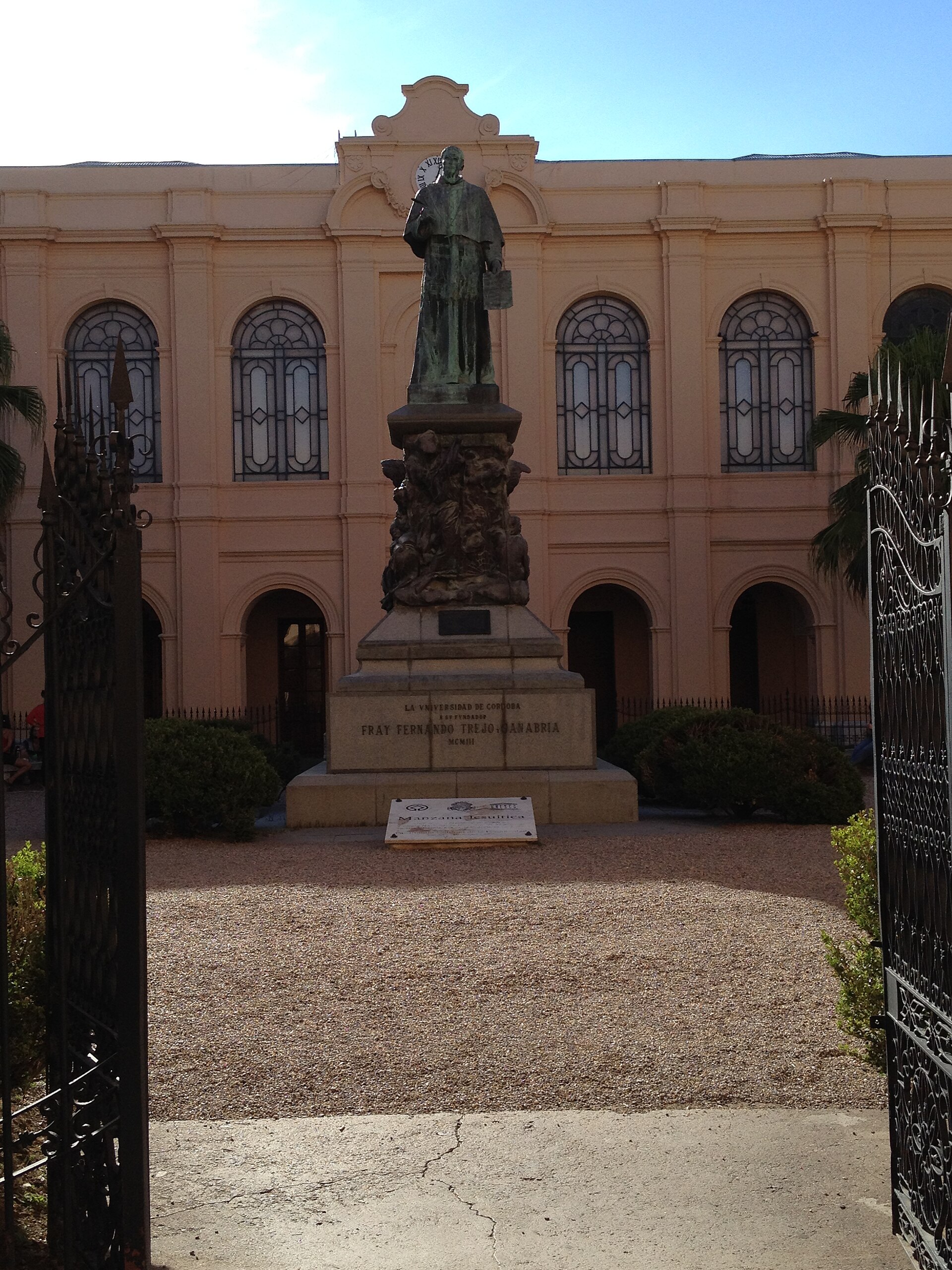
- Urban complement: Jesuit Block (Manzana Jesuitica) in Cordoba city
- Religious order: Society of Jesus (founded by Ignatius of Loyola, 1540)
- Architectural style: American colonial Baroque
- Tour price: From USD 44 guided tour with Civitatis
Estancia de Caroya (1616): The First on the Road
The Estancia de Caroya was the first estancia acquired by the Society of Jesus in Cordoba in 1616. Located in the town of Colonia Caroya, 44 kilometers north of the provincial capital, it served as a rest house for students of the Monserrat College and as a wine production center. Its main building, constructed in stone and lime, preserves the original cloister, the priests' quarters, the chapel and the production areas with an austere yet powerful charm.
The Estancia de Caroya has a special link to Argentine history: during the wars of independence it served as a factory for edged weapons for the patriot army. Today it functions as the National Estancia de Caroya Museum, with guided tours through restored rooms that explain both Jesuit life and the independence period. Colonia Caroya, the town that grew around the estancia, was founded by Italian immigrants from Friuli in 1878 and maintains a strong gastronomic tradition: family wineries produce wine, salami and artisanal bondiola that can be sampled at local cantinas and restaurants.
Estancia de Jesus Maria (1618): Wine and Horsemanship
The Estancia de Jesus Maria, located 50 kilometers north of Cordoba, was acquired by the Jesuits in 1618 and became their main wine production center. The Jesuit fathers developed a sophisticated irrigation system using channels that allowed them to cultivate vineyards and orchards in the arid Cordoba soil. The wine produced here was exported to Buenos Aires and other cities of the viceroyalty, generating crucial income for sustaining the Jesuit educational system.
Today the estancia houses the National Jesuit Museum, with a collection that includes colonial sacred art, agricultural tools from the era, original furniture and historical documents. The estancia's church, with its Baroque facade and sober interior, is a notable example of Jesuit architecture adapted to the American context. The city of Jesus Maria is also famous for the National Doma and Folklore Festival, held every January -- one of the most important folk festivals in Argentina, with horsemen, penas and folk music attracting thousands of visitors.
Estancia de Santa Catalina (1622): The Baroque Jewel
The Estancia de Santa Catalina is considered the most impressive of the Cordoba Jesuit complex due to the magnificence of its Baroque church, with twin towers and a facade that rivals the finest colonial churches in South America. Located in a rural setting 20 kilometers northwest of Jesus Maria, the estancia encompasses a complex of buildings that includes the church, cloister, novitiate, workshops, the reservoir (tajamar) and dwellings for enslaved people and indigenous laborers.
What makes Santa Catalina unique is that it has remained in the hands of the Diaz family since the 19th century, giving it a character of an inhabited private property with an authenticity that museum-estancias cannot match. Visits are permitted but with restricted hours (generally Tuesday to Sunday from 10 AM to 1 PM and 3 PM to 6 PM, though it is wise to confirm). The church can be freely visited, and the architectural complex can be appreciated from the exterior in all its grandeur. The rural setting, with open fields and sierras in the background, transports the visitor to the colonial era.
Estancia de Alta Gracia (1643) and the Che Guevara Museum
Alta Gracia is the most visited Jesuit estancia in the complex, thanks to its accessible location (36 km from Cordoba) and its dual appeal: the Jesuit heritage and the Ernesto "Che" Guevara House. The estancia was founded in 1643 and operated as a textile workshop and cattle center. Its church, with an imposing Baroque facade and a gilded altarpiece interior, dominates the main plaza of the town. The National Jesuit Estancia Museum of Alta Gracia displays sacred art, colonial documents and a reconstruction of daily life at the estancia.
A few blocks from the estancia stands Villa Nydia, the house where the young Ernesto Guevara de la Serna lived with his family between 1932 and 1943. The family moved to Alta Gracia seeking the dry highland climate to alleviate the boy's chronic asthma. Today the house functions as the Ernesto Che Guevara House Museum, with family photos, personal objects, documents and a detailed chronology of his childhood and adolescence in Cordoba. For travelers interested in the figure of Che, this museum is an essential stop that offers an intimate, human perspective on the revolutionary icon, far removed from political mythology.
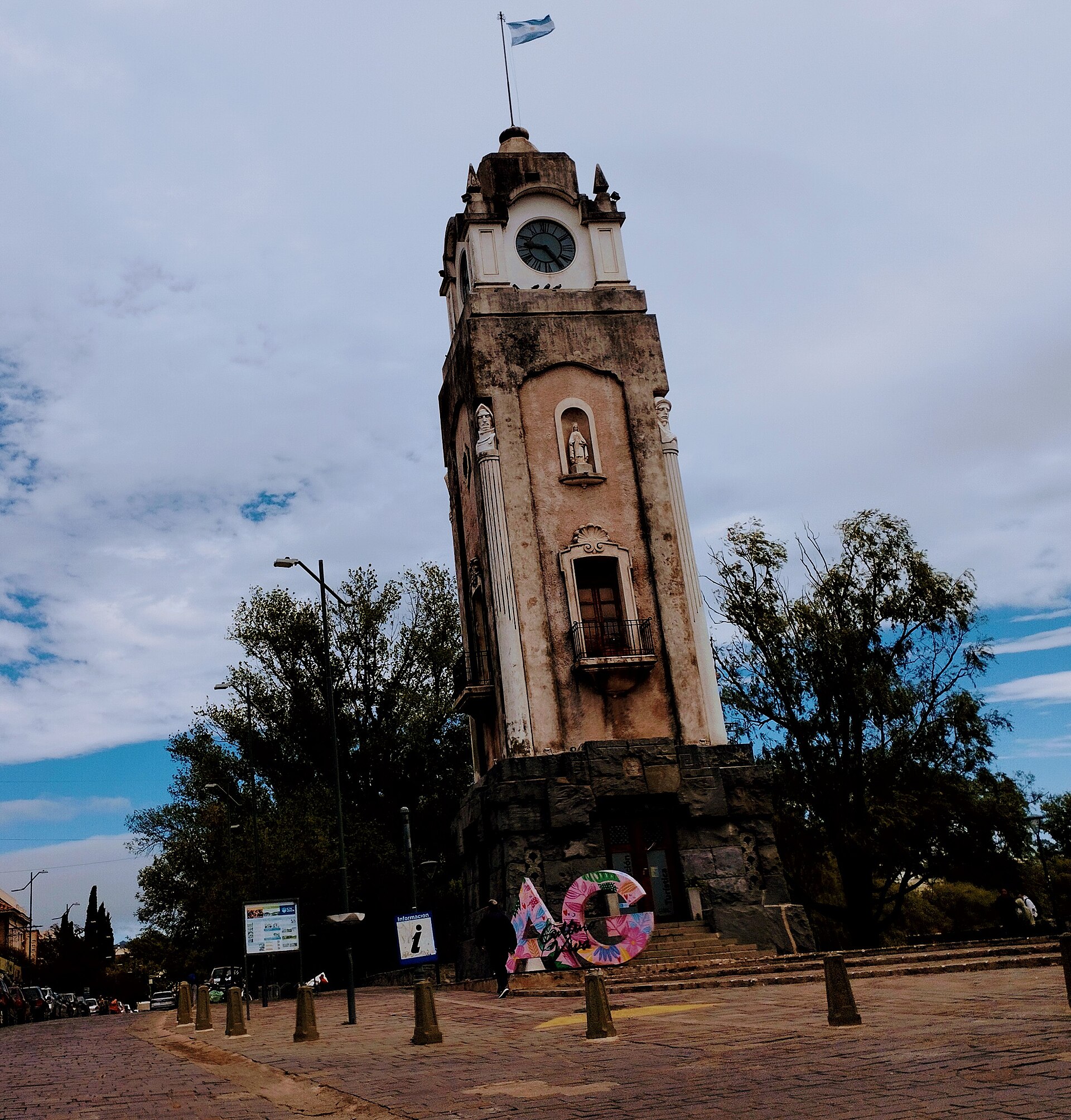
Alta Gracia also features the Manuel de Falla Museum, located in the house where the celebrated Spanish composer lived his final years of exile (1942-1946). The Tajamar, the former Jesuit reservoir converted into a public space with promenades and dining, and the Public Clock on the municipal tower complete a compact and rich cultural circuit that can be explored in half a day.
The Lesser-Visited Estancia: La Candelaria
Beyond the four main estancias on the tourist circuit (Alta Gracia, Caroya, Jesús María and Santa Catalina), the UNESCO inscription includes a fifth, less accessible site: the Estancia de La Candelaria, located 220 km northwest of Cordoba city in the sierras of the Cruz del Eje department. Founded in 1683, it was dedicated primarily to mule ranching — a fundamental business in the colonial economy since mules were the means of transport for crossing the Andes to the mines of Upper Peru (present-day Bolivia). Its stone and adobe church, built in an austere Baroque style, integrates naturally into the highland landscape with remarkable architectural harmony. The remote setting and lack of complete restoration give it an authentic, wild character that the more tourist-oriented estancias have lost.
Historically there was a sixth estancia, the Estancia de San Ignacio de los Ejercicios in the Calamuchita department. It was actually the largest of all the Córdoba Jesuit estancias (~280,000 ha) and was used primarily for the Spiritual Exercises. However, it is today completely in ruins — most of its buildings have disappeared into the vegetation — and for that reason it is NOT part of the UNESCO inscription and cannot be visited. When this site refers to "the complex" we mean the six official sites: the Jesuit Block plus the five surviving estancias.