The Sierras de Cordoba are Argentina's most popular domestic tourism destination, welcoming over 8 million visitors per year. This mountain system running north to south through the province offers a diversity of landscapes ranging from green valleys with crystal-clear rivers to peaks exceeding 2,700 meters in altitude. Each valley has its own personality: the Punilla Valley is lively and theatrical, the Calamuchita Valley is alpine and tranquil, and the Traslasierra Valley is rugged and authentic. Here you will find everything you need to plan your perfect sierra getaway.
Getting there — distances & times
| From | Distance | Flight | Bus | Drive |
|---|---|---|---|---|
| New York (JFK) | 8500 km | 11 h via Buenos Aires | — | — |
| Miami (MIA) | 7100 km | 9 h via Buenos Aires | — | — |
| Madrid (MAD) | 10000 km | 13 h via Madrid + AR domestic | — | — |
| Buenos Aires (EZE) | 700 km | 1 h 15 | 10 h | 8 h |
| Mendoza | 670 km | 1 h 10 | 9 h | 7 h |
| Iguazu (IGR) | 1100 km | 1 h 30 | — | — |
Month-by-month climate
| Month | Temp. | Rain | Crowds | Note |
|---|---|---|---|---|
| Jan | 19° / 31°C | 120 mm | Summer, peak season | |
| Feb | 18° / 30°C | 105 mm | ||
| Mar | 16° / 28°C | 90 mm | ||
| Apr | 12° / 25°C | 50 mm | ||
| May | 8° / 21°C | 20 mm | ||
| Jun | 5° / 18°C | 12 mm | ||
| Jul | 4° / 18°C | 10 mm | Winter break | |
| Aug | 6° / 21°C | 12 mm | ||
| Sep | 9° / 23°C | 30 mm | ||
| Oct | 13° / 26°C | 70 mm | ||
| Nov | 15° / 28°C | 95 mm | ||
| Dec | 18° / 30°C | 125 mm |
Essential Facts: Cordoba Sierras
- Extent: Over 500 km north to south, three mountain ranges
- Highest peak: Cerro Champaqui, 2,790 m
- Main valleys: Punilla, Calamuchita, Traslasierra
- National Park: Quebrada del Condorito (37,344 hectares)
- Distance from Cordoba: Carlos Paz 36 km, La Cumbrecita 120 km, Mina Clavero 150 km
- Summer average: 22-28C (72-82F); Winter: 8-16C (46-61F)
- Daily budget: USD 50-120 per person
Villa Carlos Paz: The Sierra Entertainment Capital
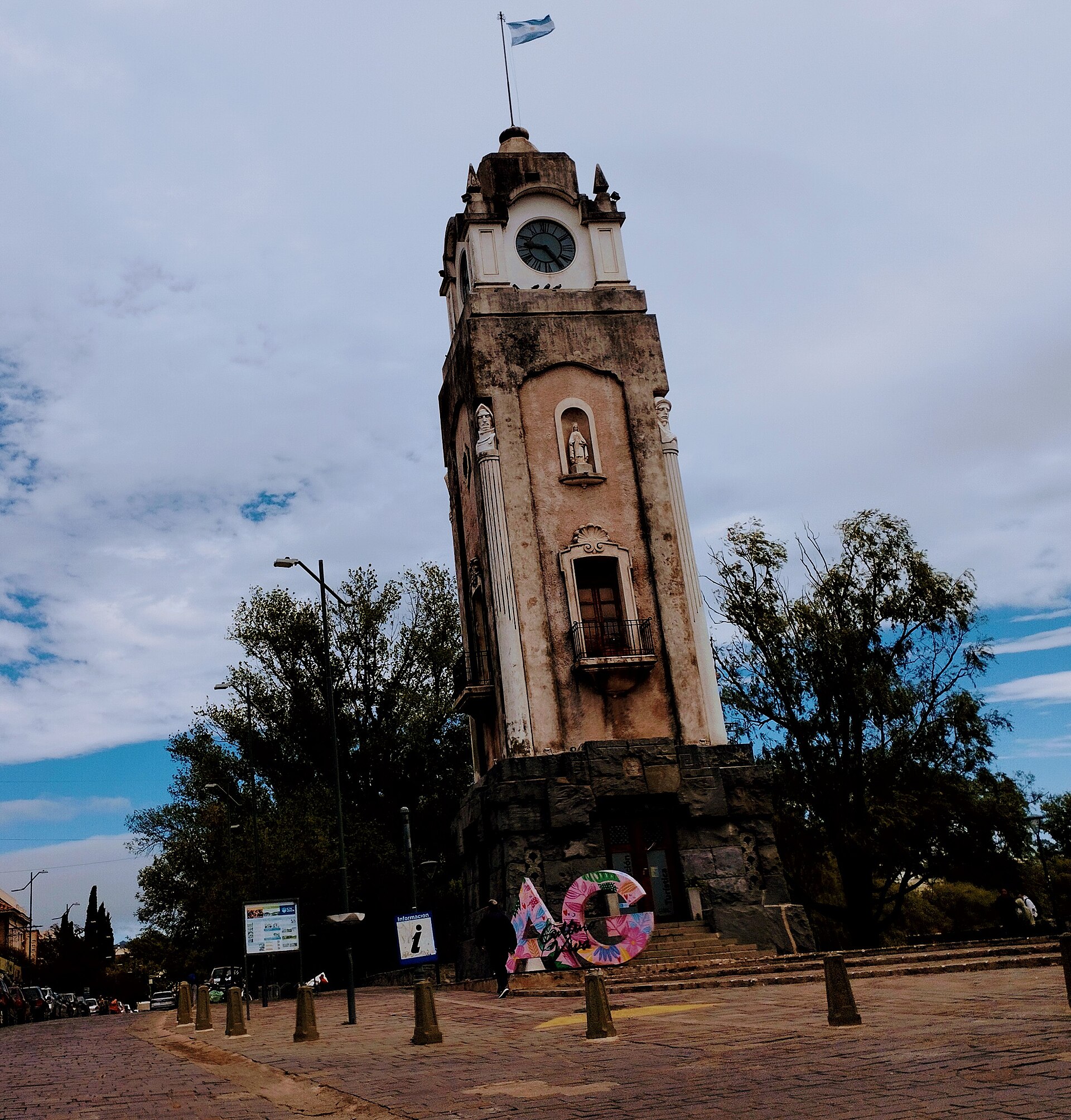
Villa Carlos Paz is the gateway to the Cordoba sierras and the most important tourist center in the province after the capital. Perched on the shores of Lake San Roque, this city of 100,000 inhabitants (which can triple during summer season) combines entertainment, nature and gastronomy in a privileged highland setting. The iconic Reloj Cucu (Cuckoo Clock), a Swiss-style construction from 1958 on the waterfront, is the most photographed postcard of the city and its undisputed symbol.
During summer (December to March), Carlos Paz transforms into the theater capital of Argentina's interior. Over 30 venues offer shows ranging from comedies starring national celebrities to musicals and children's productions. Avenida San Martin, the commercial heart, comes alive with restaurants, ice cream shops, souvenir stores and street performers. The chairlift to Cerro de la Cruz provides panoramic views of the lake and the sierras, while catamaran rides on Lake San Roque let you appreciate the coastline from the water.
For nature lovers, the surroundings of Carlos Paz offer hikes to Cerro Uritorco (if you extend the trip to the Punilla Valley), the San Roque Dam with its historic wall, and hiking circuits through the Sierras Chicas. ATV excursions and horseback rides through the hills are popular for those seeking adventure. The local cuisine features lake-view grill restaurants, artisanal ice cream shops and the classic sierra picada with regional cured meats.
La Cumbrecita: The Car-Free Forest Village
La Cumbrecita is an experience that challenges conventional tourism. Founded in 1934 by the German physician Helmut Cabjolsky, this small village nestled in a forested valley in the Calamuchita Valley was declared a car-free village in 1996, becoming one of the first in Argentina to ban vehicular traffic within its urban core. Visitors leave their cars at the entrance parking area and explore the village on foot along dirt paths that wind through pines, cypresses and poplars.
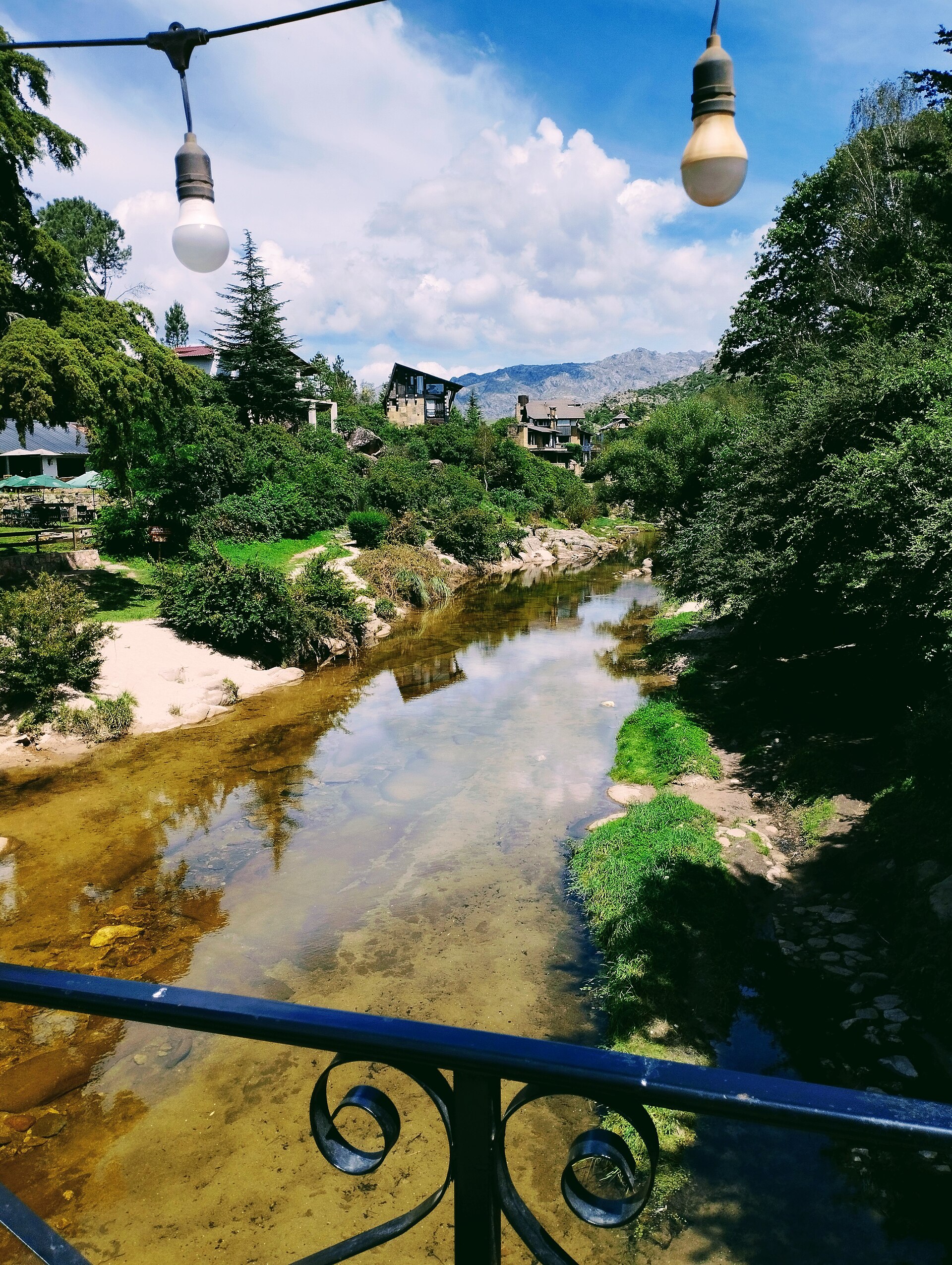
The natural attractions of La Cumbrecita are its greatest treasure. La Olla is a natural pool formed by the Rio del Medio, surrounded by rocks and vegetation, perfect for a refreshing swim in summer. The River Trail leads to small waterfalls and crystal-clear swimming holes. The Cascada Grande (about 14 meters high) is reached after a 45-minute hike along a signposted forest trail. For the more adventurous, the hike to Cerro Wank (1,715 m) offers spectacular panoramic views of the valley and surrounding sierras -- the ascent takes about 2 hours.
La Cumbrecita maintains an Alpine-Bavarian architectural style that gives it a character unique in Argentina. The lodges and restaurants serve Central European-inspired dishes: apple strudel, goulash, cheese fondue, river trout and artisanal hot chocolate. The Confiteria del Lago and the Tea House are obligatory stops. In winter, when temperatures drop and snow occasionally falls, La Cumbrecita acquires an even more special charm, with lit fireplaces and a highland silence that invites introspection.
Villa General Belgrano: Central European Tradition in the Sierras
Villa General Belgrano was founded on October 11, 1932 by German, Swiss and Austrian immigrants, and its Central European identity lives on in the architecture, gastronomy and festivals. The town is world-famous for the National Beer Festival -- Argentina's Oktoberfest -- held during the first two weeks of October, attracting over 200,000 visitors. During this festival, local breweries compete with their finest productions, there are parades in traditional costumes, German music bands and an incomparable festive atmosphere.
Outside the beer festival season, Villa General Belgrano offers quiet charm with its main avenue lined with craft breweries, chocolate shops, tea houses and German-style restaurants. The craft beers are the great local pride, with brands like Brunnen and Berlina producing varieties from classic lagers to experimental IPAs. The Chocolateria Via Veneto and Panaderia Vieja Baviera are institutions. Nearby, Los Molinos Dam offers sandy beaches and watersports, and the Calamuchita Valley wineries are an emerging attraction gaining followers.
Mina Clavero and the Traslasierra Valley
On the other side of the Sierras Grandes, crossing the spectacular Altas Cumbres road (Provincial Route 34), you find Mina Clavero, the capital of the Traslasierra Valley. This town is famous for its natural swimming spots on the Mina Clavero and Los Sauces rivers, with rock pools, natural water slides and sandy beaches forming some of the most beautiful bathing spots in the sierras. The Balneario de los Elefantes, with rock formations resembling elephants, and Nido de Aguilas are the most popular.
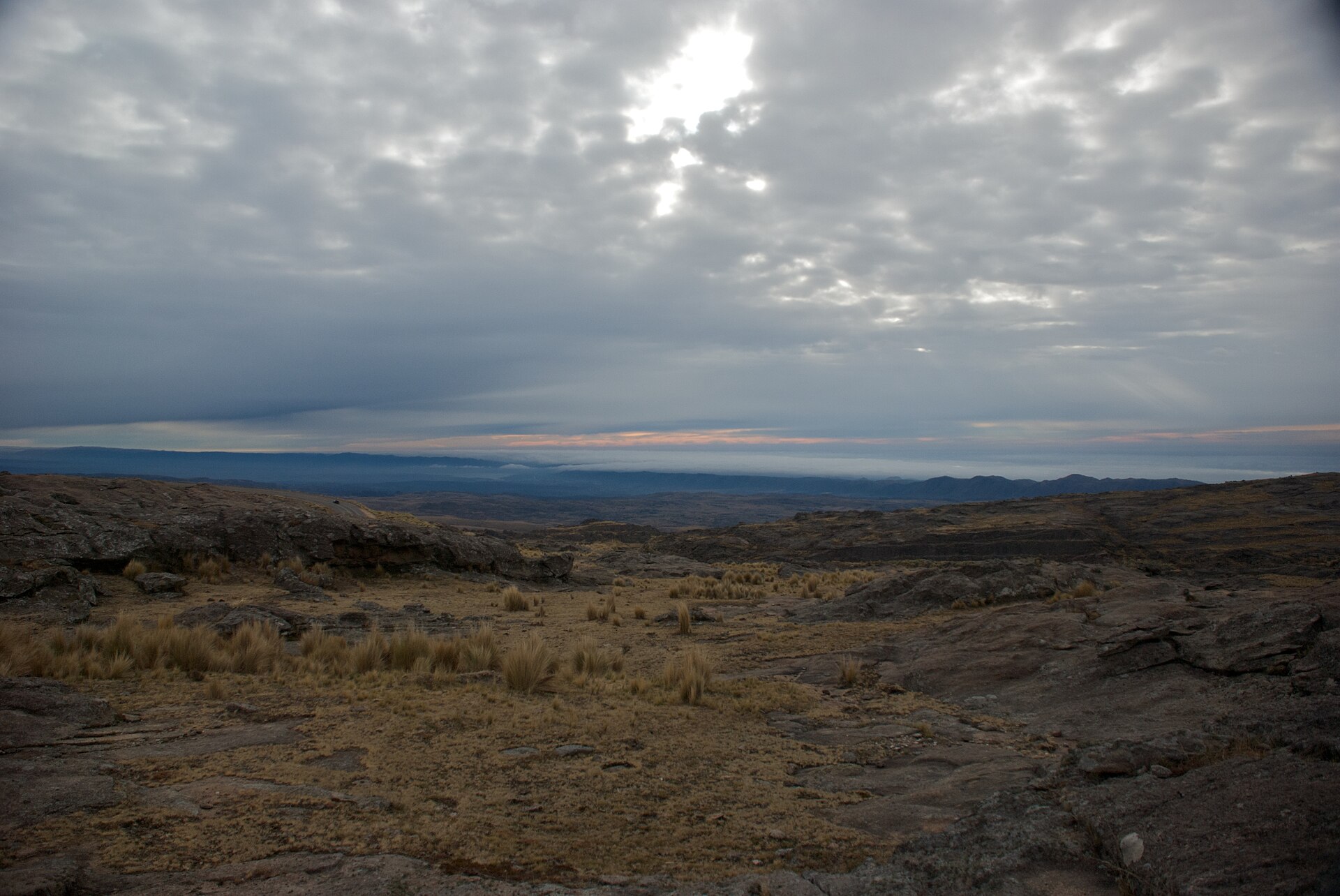
The road to Mina Clavero is an adventure in itself. The Altas Cumbres road winds through the Sierras Grandes reaching 2,000 meters altitude, with viewpoints offering vertiginous views over the Punilla and Traslasierra valleys. At the highest point of the route you find the entrance to Quebrada del Condorito National Park, created in 1996 to protect the Andean condor's habitat. The hike to the North Balcony (6 km one way, about 2-3 hours) is the most popular and allows you to observe condors soaring over the canyon from a viewpoint 800 meters above the gorge floor.
The Traslasierra Valley maintains a more relaxed and less crowded profile than Punilla or Calamuchita. The towns of Nono, Las Rosas and San Javier offer rural lodging, horseback rides through the hills, and authentic sierra cuisine with goat, empanadas and regional sweets. It is the ideal destination for travelers seeking to disconnect from mass tourism and connect with the nature and local culture of the sierras.
Sierras Chicas: The Closest Escape from Cordoba
The Sierras Chicas are the easternmost mountain range and the closest to Cordoba city, making them the favorite escape for locals seeking a day outdoors. Towns like La Calera, Saldan, Rio Ceballos, Unquillo and Agua de Oro are less than 30 kilometers from the city and offer immediate contact with highland nature. The La Quebrada Dam in Rio Ceballos is a reservoir surrounded by sierras where kayaking, stand-up paddleboarding and sport fishing are practiced, with a waterfront promenade for walks and panoramic viewpoints.
The Sierras Chicas circuit also includes the Artisan Road between Unquillo and Rio Ceballos, a route of workshops and ateliers where ceramicists, weavers, sculptors and other artists open their spaces to the public on weekends. The Vaquerias Nature Reserve offers hiking trails through native forests of espinillos and molle trees with views over the valley. For adventure lovers, there are mountain biking, rappelling and zipline circuits at various points. It is an ideal half-day excursion when you do not have time to go to Carlos Paz or further afield.