You do not need to be a wine expert to enjoy Mendoza's wineries. But knowing a few basics about the grapes, regions and tasting etiquette will enrich your experience enormously. This guide covers everything from Malbec 101 to how to taste like a pro — without the pretentiousness.
The key grape varieties
Malbec — The king of Argentine wine
Malbec is Argentina's signature grape and Mendoza produces 85% of the country's Malbec. Originally from Cahors, France, the grape found its true home in Mendoza's high-altitude vineyards. Argentine Malbec is typically fuller, fruitier and less tannic than its French counterpart. Look for notes of plum, blackberry, dark chocolate and violet. The best Malbec comes from old vines in Lujan de Cuyo and high-altitude vineyards in Valle de Uco.
- Entry level: USD 3-8 per bottle (great daily drinkers)
- Mid-range: USD 10-25 per bottle (excellent quality)
- Premium: USD 30-100+ per bottle (single vineyard, old vines)
Torrontes — Argentina's white star
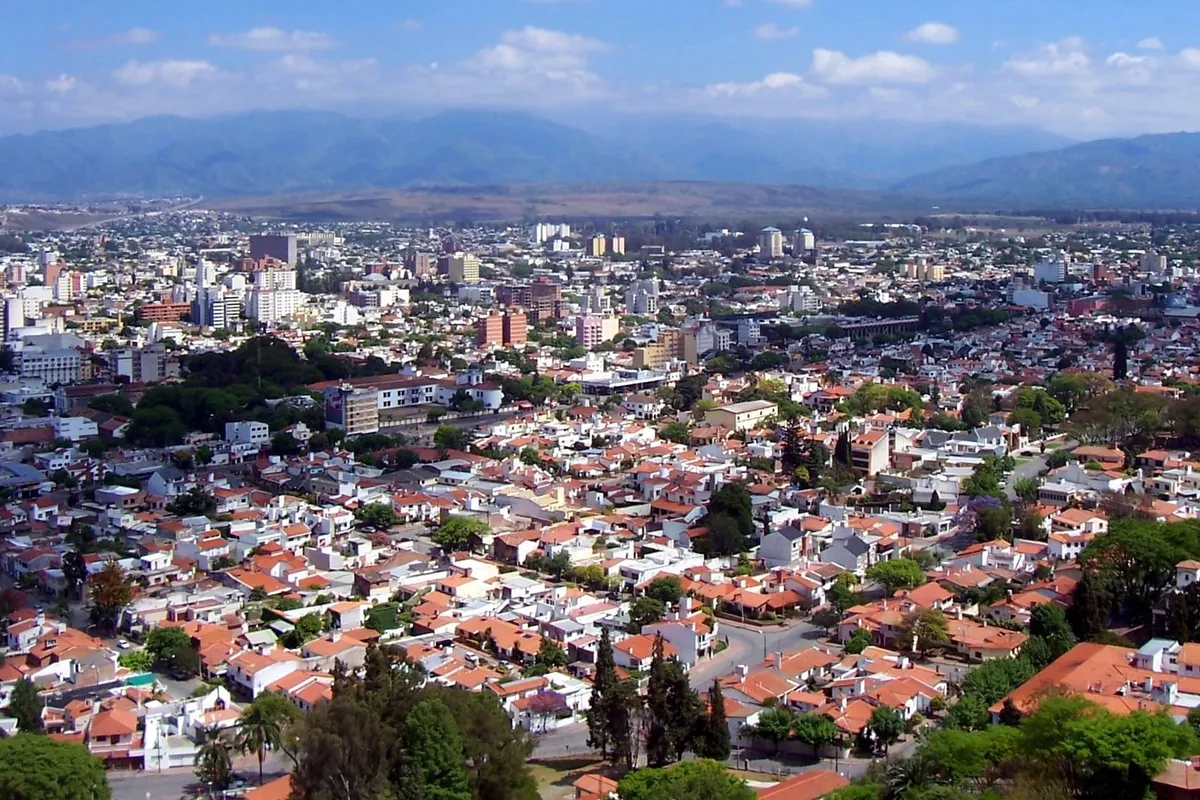
Torrontes is Argentina's most distinctive white grape, producing aromatic wines with notes of rose petals, peach and lychee. It thrives in high-altitude vineyards, particularly in Salta (northern Argentina) and the high zones of Mendoza. If you think Argentine wine is all about reds, a glass of Torrontes will change your mind. It pairs beautifully with seafood, spicy food and as an aperitif.
Cabernet Franc — The rising star
While Malbec gets all the headlines, Cabernet Franc is the grape that has wine insiders most excited. Argentine Cabernet Franc is elegant, peppery and complex, often compared to Loire Valley versions but with more fruit. Wineries like Catena Zapata and Zuccardi are producing outstanding examples. Ask about it during tastings — winemakers love talking about Cab Franc.
Other varieties worth trying
- Cabernet Sauvignon: Classic structure, often blended with Malbec
- Bonarda: Argentina's second most planted red grape. Juicy, fruit-forward, great value.
- Chardonnay: Excellent high-altitude versions, especially from Valle de Uco
- Sparkling wines: Chandon and Cruzat produce outstanding traditional method bubbles
Understanding terroir: altitude matters
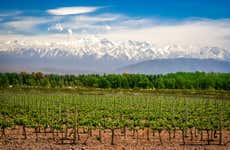
What makes Mendoza wine special is the altitude. Vineyards sit between 600 and 1,500 meters above sea level. Higher altitude means:
- More intense UV radiation = thicker grape skins = deeper color and more tannins
- Greater day-night temperature difference = better acidity and freshness
- Less humidity = fewer diseases = less need for pesticides
- Mineral-rich alluvial soils from the Andes
Wine tasting tips
Whether this is your first tasting or your hundredth, these tips will help:
- Eat breakfast: Tasting on an empty stomach is a bad idea, especially if you are visiting multiple wineries.
- Use the spit bucket: Professionals spit. It is not rude — it is expected. You will taste better and last longer.
- Ask questions: Winemakers and guides love curious visitors. "What makes this vineyard special?" is always a great opener.
- Take notes: After winery 3, they all start to blur. Photograph the labels of wines you liked.
- Buy at the source: Winery prices are 30-50% cheaper than retail. Many offer shipping.