Skip to content
Best Time to Visit Salta

Best Time to Visit Salta

Month-by-month climate, seasons, festivals and travel recommendations

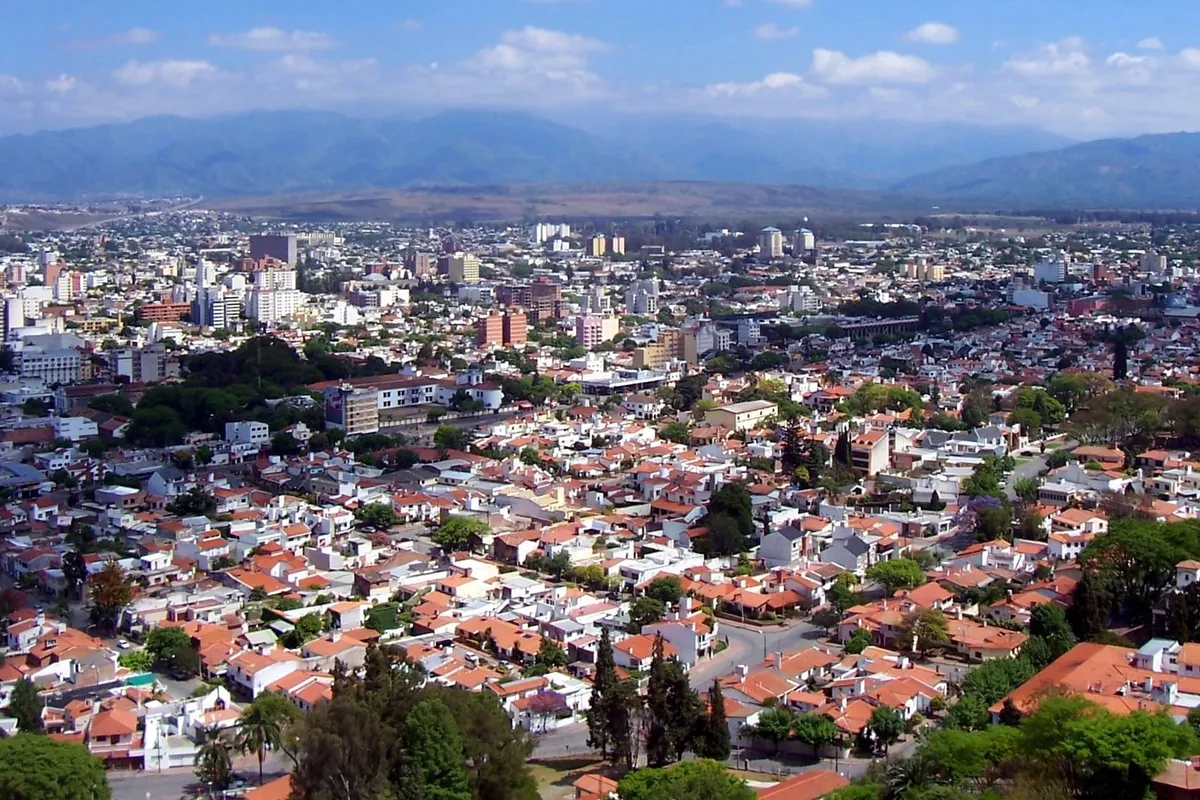
Salta sits at 1,187 meters (3,894 feet) in Northwestern Argentina and has a subtropical climate with a distinct dry season (April-November) and wet season (December-March). The best time to visit is from March to November, with the peak excellence windows in April-May (autumn with spectacular vineyard colors in Cafayate and perfect weather) and August-September (end of dry winter, few tourists, excellent value). The annual average temperature in Salta city is 17°C (63°F), with summer highs of 30°C (86°F) and winter lows of 3°C (37°F). One of the defining features of the NOA climate is the extreme temperature range — up to 25°C (45°F) difference between midday and midnight, especially in the Puna and Quebrada de Humahuaca — so layered clothing is absolutely essential no matter when you visit. Eighty percent of annual rainfall is concentrated between December and February, when roads to Cachi and Iruya can be cut by flooding and landslides. Peak tourist season aligns with Easter (April), Argentine winter school holidays (July), and the Cafayate Vendimia harvest festival (late February). This guide breaks down every month, every season, and every major festival so you can plan the perfect trip.

Season-by-Season Breakdown

Autumn (March-May) — THE BEST TIME TO VISIT

Autumn in the NOA is nothing short of magical. The vineyards of Cafayate and the Calchaqui Valley transform into a tapestry of yellows, oranges and deep reds. The summer rains retreat, skies clear to an impossibly deep blue, and temperatures settle into a perfect range of 14-26°C (57-79°F). March marks the end of the vendimia (grape harvest) season in Cafayate, meaning you can catch the tail end of harvest activities and freshly pressed wines. April brings Semana Santa (Easter), which is peak season — powerful religious processions fill Salta's streets, and every hotel in the NOA sells out. Book 2-3 months ahead if you're visiting during Easter. May is the hidden gem: virtually no tourists, the lowest prices of the year, crystal-clear skies, golden light, and perfect hiking weather. The only caveat is that nights start getting cold (especially in the Quebrada and Puna), so bring warm layers.

Best for: photography, wine tasting, hiking, cultural festivals. Pack: layers, sunscreen, hat, light jacket for evenings.

Winter (June-August) — DRY, SUNNY AND UNDERRATED

Contrary to what many travelers expect, winter in Salta is an excellent time to visit. Days are sunny and pleasant at 18-22°C (64-72°F), with deep blue cloudless skies that stretch from horizon to horizon. There is virtually zero rainfall. The catch is the cold nights — temperatures drop to 3-8°C (37-46°F) in Salta city, and well below freezing in the Quebrada de Humahuaca, Cachi and the Puna. The morning golden light is extraordinary, and the bone-dry air creates exceptional visibility for mountain views and stargazing. June and August are low-season bargains with thin crowds. July is the exception — Argentine winter school holidays flood the NOA with domestic tourism, pushing prices up 30-50% and filling hotels. If you can visit in June or August instead, you get the same weather at a fraction of the cost. August 1 brings the Pachamama ceremony — an ancestral Andean celebration where communities bury offerings to Mother Earth.

Best for: clear skies, stargazing, budget travel (June/August), cultural immersion. Pack: warm layers, thermal base layer, fleece, gloves and hat for evening/early morning excursions.

Spring (September-November) — WARMING UP, FLOWERS AND FESTIVALS

Spring brings warming temperatures, lengthening days and a renewed landscape. September is anchored by the Fiesta del Milagro — Salta's most important religious celebration, drawing hundreds of thousands of pilgrims to honor the Cristo and Virgen del Milagro, patron saints since 1692. The city pulses with fervor, music and street food. October is full spring with wildflowers blooming in the Yungas cloud forest around San Lorenzo and Finca El Carmen. The weather is warm and pleasant without the oppressive summer heat. November starts getting hot and brings the first spring rain showers, but they are brief afternoon thunderstorms that rarely disrupt morning excursions. Overall, spring offers good weather, moderate crowds and fair prices — an underrated time to visit.

Best for: hiking, birdwatching (Yungas cloud forest), Fiesta del Milagro experience. Pack: light layers, rain jacket (November), sunscreen.

Summer (December-February) — NOT RECOMMENDED (WITH EXCEPTIONS)

Summer is the wet season and generally the worst time to visit the NOA. Daily afternoon thunderstorms dump 120-150mm of rain per month, roads flood and can be cut (especially the unpaved routes to Cachi via RP 33, the road to Iruya, and Ruta 40 between Cachi and Cafayate). Temperatures regularly exceed 30°C (86°F) with high humidity in the Yungas and Salta city. The landscape is at its greenest, which has its own dramatic beauty, but the practical challenges are significant.

The exceptions that justify a summer visit: the Vendimia grape harvest festival in Cafayate (last weekend of February) is a once-a-year celebration with grape stomping, open-air tastings, live folk music and the election of the Vendimia queen. And Carnaval in the Quebrada de Humahuaca (February, dates vary) is a raw, ancestral Andean celebration — Tilcara and Humahuaca come alive with diabladas, comparsas, Andean brass bands, and the ceremonial burial and unearthing of the devil. Both are spectacular and worth braving the rain if you plan carefully.

Best for: Vendimia, Carnaval, lush green landscape photography. Pack: rain gear, insect repellent, lightweight breathable clothing, waterproof bag for electronics.

Climate Quick Reference

Salta's climate varies dramatically by sub-region. The city itself (1,187m) is subtropical. The Quebrada de Humahuaca (2,000-3,000m) is arid and cooler. The Puna (3,500-4,500m) is a high-altitude desert with extreme temperature swings. Cafayate (1,660m) is noticeably warmer and drier than Salta. Understanding these micro-climates helps you pack and plan appropriately:

Zone Altitude Summer Winter Rain
Salta City1,187m16-30°C3-20°C~700mm/yr
Cafayate1,660m18-33°C2-22°C~200mm/yr
Quebrada / Tilcara2,461m10-25°C-3-18°C~150mm/yr
Cachi2,280m12-28°C-2-18°C~150mm/yr
Puna / Salinas3,450m+5-22°C-10-15°C~50mm/yr

What to Expect Each Month — Detailed Breakdown

The following month-by-month guide covers temperatures, rainfall, crowd levels and an overall verdict. Click any month to expand its full detail with specific recommendations.
Month by Month

January
16-28°C (61-82°F) Not recommended
Temperature16-28°C (61-82°F)
RainfallHeavy (150mm)
CrowdsHigh
VerdictNot recommended

Peak summer with heavy daily rainfall. Roads to Cachi and Iruya can be cut by flooding and landslides. Intense heat and humidity. Heavy domestic Argentine tourism. The worst month to visit the NOA. If you must travel in January, stay in Salta city and plan indoor activities for afternoon thunderstorms.

February
15-27°C (59-81°F) Only for Vendimia
Temperature15-27°C (59-81°F)
RainfallHeavy (130mm)
CrowdsHigh
VerdictOnly for Vendimia

Still rainy but less than January. The Vendimia grape harvest festival in Cafayate (last weekend of February) is a unique cultural experience with grape stomping, wine tastings, live music and the election of the Vendimia queen. Carnaval in Tilcara and Humahuaca is spectacular but chaotic — ancestral Andean celebrations with diabladas, comparsas and the burial of the devil. If coming for either festival, book accommodation months in advance.

March
14-26°C (57-79°F) Very good
Temperature14-26°C (57-79°F)
RainfallModerate (80mm)
CrowdsMedium
VerdictVery good

The rains taper off rapidly. Vineyards in Cafayate begin changing color from green to gold and red. Temperatures are perfect for both hiking and city exploration. Good balance of weather, prices and availability. The beginning of the best window of the year. Roads reopen after the wet season and the landscape is lush from recent rains.

April
11-24°C (52-75°F) Excellent
Temperature11-24°C (52-75°F)
RainfallLow (20mm)
CrowdsHigh during Easter
VerdictExcellent

Peak autumn with spectacular vineyard colors — golden yellows, burnt oranges and deep reds blanket the Calchaqui Valley. Dry, sunny weather with crystal-clear skies. Semana Santa (Easter) is absolute peak season — book hotels 2-3 months in advance and expect 40-50% price increases. Outside Easter week, April is ideal: perfect weather, thinning crowds, reasonable prices. One of the two best months overall.

May
7-22°C (45-72°F) Excellent
Temperature7-22°C (45-72°F)
RainfallVery low (5mm)
CrowdsLow
VerdictExcellent

One of the absolute best months to visit. Deep blue skies without a single cloud, zero rainfall, golden autumn foliage still clinging to the vines, very few tourists, and the lowest prices of the year. Nights start getting cold (pack warm layers and a hat for the Quebrada). The light is extraordinary for photography — golden hour lasts longer and the dry air creates exceptional clarity. Best value month of the year.

June
4-20°C (39-68°F) Very good
Temperature4-20°C (39-68°F)
RainfallMinimal (2mm)
CrowdsLow
VerdictVery good

Winter arrives but it is dry and sunny. Daytime temperatures are pleasant (20°C/68°F), nights are cold (4°C/39°F in the city, below freezing in the Quebrada). Cloudless skies are perfect for stargazing and photography. June 17 is Guemes Day — a cultural celebration honoring Salta's gaucho hero with horseback parades through the city center. Low season prices and thin crowds make it excellent for budget travelers.

July
3-20°C (37-68°F) Good (expensive)
Temperature3-20°C (37-68°F)
RainfallMinimal (2mm)
CrowdsHigh
VerdictGood (expensive)

Argentine winter school holidays bring domestic tourism flooding into the NOA. The weather is excellent — dry, sunny, crystal-clear — but hotels and tours fill up quickly and prices surge 30-50%. The Quebrada de Humahuaca and Cafayate are packed. If you can, choose June or August instead for the same weather at half the price. July works well if you book early and don't mind sharing viewpoints with school groups.

August
5-22°C (41-72°F) Excellent
Temperature5-22°C (41-72°F)
RainfallMinimal (3mm)
CrowdsMedium
VerdictExcellent

Post-holiday lull. Prices drop, crowds thin, and the weather remains superb — dry and sunny with warming days. The first buds appear on the grapevines in Cafayate, signaling the coming spring. August 1 is Pachamama Day (Mother Earth Day) — the most important Andean spiritual ceremony, with offerings of food, coca leaves and chicha buried in the ground. Especially visible in the Quebrada and Puna communities. An extraordinary cultural experience.

September
8-24°C (46-75°F) Excellent
Temperature8-24°C (46-75°F)
RainfallLow (10mm)
CrowdsMedium
VerdictExcellent

Early spring brings warming temperatures and lengthening days. The Fiesta del Milagro (second week of September) is Salta's most important religious celebration — hundreds of thousands of pilgrims process through the city honoring the Christ and Virgin of the Miracle, patron saints since 1692. The city comes alive with fervor, music and food stalls. Outside the festival, September offers excellent weather, moderate crowds and fair prices. Highly recommended.

October
12-27°C (54-81°F) Very good
Temperature12-27°C (54-81°F)
RainfallLow (25mm)
CrowdsMedium
VerdictVery good

Full spring. Wildflowers bloom in San Lorenzo and the surrounding Yungas cloud forest. Temperatures are warm and pleasant without the summer heat. Still mostly dry with occasional brief afternoon showers that rarely disrupt plans. Good shoulder season with reasonable prices and availability. The landscape is green and fresh from the approaching warm season. Excellent for hiking.

November
14-29°C (57-84°F) Good
Temperature14-29°C (57-84°F)
RainfallModerate (50mm)
CrowdsMedium
VerdictGood

It starts getting warm. The first spring rains arrive but they are brief, intermittent afternoon thunderstorms — rarely problematic for travel. Still good weather for excursions if you plan outdoor activities for the morning. Hotel prices are reasonable and availability is good. The transition month before the wet season begins in earnest in December.

December
16-30°C (61-86°F) Not recommended
Temperature16-30°C (61-86°F)
RainfallHeavy (120mm)
CrowdsHigh
VerdictNot recommended

The wet season begins. Intense heat (regularly hitting 30°C+), daily afternoon thunderstorms with dramatic lightning, and growing domestic tourism toward the end-of-year holidays. Road conditions start deteriorating on unpaved sections. Not the best time to visit unless you specifically want to see the landscape at its greenest and most lush. Better to wait until March when rains recede.

Festival & Event Calendar

The NOA has a rich calendar of festivals blending Catholic traditions with ancestral Andean spirituality. These events transform the region — planning your trip around one can be the highlight of your entire Argentina experience.

February

Carnaval in the Quebrada de Humahuaca

Tilcara and Humahuaca celebrate Carnaval with diabladas (devil dances), comparsas (dance troupes), Andean brass bands and the ceremonial unearthing and burial of the devil. This is not the polished Carnaval of Rio — it is raw, ancestral, powerful and deeply connected to pre-Columbian Andean traditions. The streets fill with confetti, flour, paint and dancing. Book accommodation at least 2 months ahead.

Feb-Mar

Vendimia — Cafayate Grape Harvest Festival

The Fiesta de la Vendimia celebrates the grape harvest in Cafayate, Argentina's premier high-altitude wine region. Activities include grape stomping in wooden barrels, open-air wine tastings, live folk and chacarera music, artisan food stalls and the election of the Vendimia queen. The main celebration is the last weekend of February. Wineries open their doors for special harvest events. This is the only time of year you can see (and participate in) the actual grape harvest.

April

Semana Santa (Easter)

Absolute peak season across the entire NOA. In Salta city, solemn religious processions carry the Cristo and Virgen del Milagro through colonial streets. Every hotel, hostel, cabin and campsite across the region books out completely. Prices surge 40-50%. The upside: the weather is usually perfect (dry, sunny April) and the cultural atmosphere is electric. Book everything 2-3 months in advance.

June 17

Guemes Day — Gaucho Celebration

A tribute to Martin Miguel de Guemes, Salta's gaucho hero who defended the northern frontier during the wars of independence. Hundreds of gauchos on horseback parade through the city center in full traditional dress. Cultural festivities, folk music, traditional food. A uniquely Salteno experience that shows the gaucho identity still alive and thriving.

August 1

Pachamama — Day of Mother Earth

The most important date in the Andean spiritual calendar. Communities across the Quebrada de Humahuaca and Puna dig holes in the earth and bury offerings — food, coca leaves, chicha (corn beer), cigarettes and miniature items representing their wishes for the year. This is not a tourist show; it is a living, deeply felt spiritual practice that has been performed for thousands of years. Visitors who participate respectfully are warmly welcomed. Particularly visible in Purmamarca, Tilcara, Humahuaca and rural Puna communities.

September

Fiesta del Milagro

The most important religious celebration in Salta, honoring the Cristo and Virgen del Milagro — patron saints of the city since the earthquake of 1692. Over a week, hundreds of thousands of pilgrims and faithful walk from across the province to reach the Cathedral. The main procession fills every street in the city center. A profoundly moving spectacle regardless of your religious beliefs. The surrounding streets become a massive fair with food, crafts and music.

Planning Your Trip — Practical Recommendations

The Absolute Best Time (If You Can Choose Freely)

If you have complete flexibility, aim for late April to mid-May or mid-August to late September. These windows combine excellent weather (dry, sunny, pleasant temperatures), thin crowds, reasonable prices and interesting cultural events (Pachamama in August, Fiesta del Milagro in September). You will have the landscapes largely to yourself, hotels will have availability, and you'll pay the lowest rates of the year.

Best Time for Photography

May and June. The bone-dry air creates extraordinary clarity, golden hour extends for longer at this latitude during autumn/winter, and the complete absence of clouds means every sunrise and sunset paints the quebradas and mountains in warm, saturated tones. The Quebrada de Humahuaca and Quebrada de las Conchas are at their most photogenic when the low-angle winter light catches the mineral-rich rock formations.

Best Time for Wine

Late February through April. The vendimia harvest happens in late February/early March. April brings newly pressed wines, autumn vineyard colors and excellent tasting conditions. But Cafayate is a year-round wine destination — wineries are open and operational every month.

Best Time for Budget Travel

May, June, and September-October. These months offer the lowest hotel rates, the cheapest flights from Buenos Aires, and thin crowds at every attraction. The weather is excellent. You can find 3-star hotels in Salta for $25-40 USD/night and quality Airbnbs in Cafayate for $30-50 USD/night.

Months to Avoid

January is the worst month — heavy rain, flooding roads, intense heat and crowds. December is nearly as bad. July is weather-perfect but expensive and crowded due to school holidays. If your only option is July, book well in advance and accept the premium pricing.

What to Pack — Season by Season

Autumn (March-May)

Winter (June-August)

Spring (September-November)

Summer (December-February)

How Altitude Affects the Weather Experience

One crucial factor that many travel guides overlook: the NOA spans from 1,187m (Salta city) to over 4,000m (Salinas Grandes, Train to the Clouds) in just a few hours of driving. This means you can leave Salta in a comfortable t-shirt at 22°C and arrive at Salinas Grandes to face 5°C winds two hours later. The temperature drop is roughly 6°C per 1,000m of altitude gain. Always carry warm layers in your daypack, even in summer. The Puna and high Quebrada also receive much less rainfall than Salta city — even during the wet season, the salt flats and high-altitude desert remain relatively dry.

Wind is another factor at altitude. The Puna is exposed and windy, particularly in the afternoons. Wind chill can make a 10°C day feel like 0°C. A windproof layer is essential for any excursion above 3,000m.

Rainfall and Road Conditions — Critical Information

The wet season (December-February) doesn't just affect your comfort — it affects your ability to reach certain destinations. The following routes are particularly vulnerable to rain disruption:

From April through November, all major routes are reliably passable. The paved routes (Ruta 68 to Cafayate, RN 9 to the Quebrada, Ruta 52 to Salinas Grandes) are passable year-round.

Plan Your Trip

Top Rated

Salta Multi-Day Tour

4-7 day guided tour covering Cafayate, Quebrada de Humahuaca, Salinas Grandes. All logistics handled.

From USD 350
View options
GetYourGuide

Hotels in Salta

Find the best deals on hotels in Salta city, Cafayate, Purmamarca and Tilcara.

From USD/night 35
Book now
Booking.com Affiliate

Flights to Salta

Compare prices across all airlines. Direct flights from Buenos Aires in 2 hours.

From USD 80
Book now
Booking.com Affiliate

Find flights

Compare prices across all airlines

Your city
Buenos Aires (EZE)
Powered by Aviasales

Frequently Asked Questions

What is the best time to visit Salta?

March to November. Autumn (March-May) has the best vineyard colors and post-rain clear skies. Winter (June-August) is dry and sunny with cold nights. September brings the Fiesta del Milagro. Avoid December-February for heavy rain. July has great weather but peak prices due to school holidays.

When is the cheapest time to visit Salta?

May-June and September-October offer the best value: excellent weather, few tourists, and the lowest hotel and flight prices of the year. Avoid Easter (April), July (school holidays) and Vendimia weekend (late February) if budget is a priority.

Is it cold in Salta during winter?

Sunny days of 18-22°C (64-72°F) in Salta city, nights of 3-8°C (37-46°F). In the Quebrada and Puna, nights drop below freezing. The temperature swing between day and night can reach 25°C (45°F). Layered clothing is essential — you'll peel and add layers throughout the day.

Can I visit the NOA during the rainy season?

You can, but it's not ideal. Rain typically falls in heavy afternoon thunderstorms, so mornings are usually clear. The main risk is road closures — unpaved routes to Cachi, Iruya and along Ruta 40 can flood. Paved routes (Ruta 68 to Cafayate, RN 9 to the Quebrada) remain passable year-round.

What festivals should I plan my trip around?

The top five: Carnaval in Tilcara/Humahuaca (February) for ancestral Andean celebrations; Vendimia in Cafayate (late February) for the grape harvest festival; Semana Santa (Easter, April) for religious processions; Pachamama (August 1) for Andean spiritual ceremonies; and Fiesta del Milagro (September) for Salta's most important religious event.

Keep exploring Argentina

Buenos Aires 🏙️ Buenos Aires

Tango, steak and the porteño lifestyle

Mendoza 🍷 Mendoza

Malbec, Andes and high-altitude adventure

Patagonia 🧊 Patagonia

Glaciers, trekking and the end of the world