This 5-day itinerary covers the essential highlights of Argentina's northwest (NOA) starting from Salta: the colonial city center and MAAM museum, the UNESCO World Heritage Quebrada de Humahuaca, the Salinas Grandes salt flats at 3,450 meters, and the Cafayate wine region via the spectacular Route 68 canyon drive. This is the classic NOA circuit followed by roughly 60% of visitors to the region and the one we recommend for a first visit. It works with a rental car (maximum flexibility) or with organized day trips departing daily from Salta ($35--55 USD per excursion). The itinerary covers approximately 1,200 kilometers of driving across five days, all on paved roads in good condition. Estimated budget excluding flights and accommodation: $180--300 USD per person for tours, entrance fees, winery tastings, and meals. Hotel costs in Salta average $40--80 USD per night for mid-range options; Cafayate runs $50--90 USD. Total trip budget (flights from Buenos Aires, 5 nights accommodation, all activities and meals): approximately $600--1,200 USD per person depending on comfort level, making this one of the best-value multi-day itineraries in South America.
Day 1: Salta City — Colonial Center, MAAM Museum & San Bernardo Hill
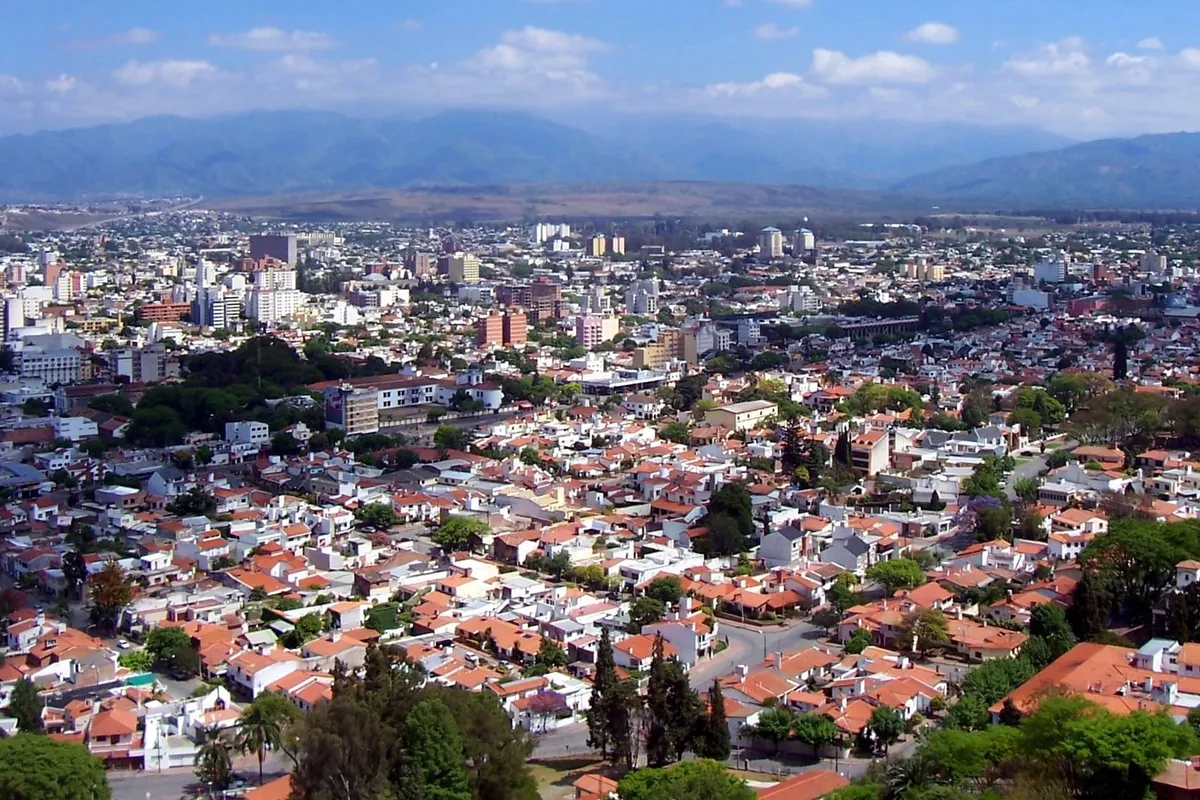
Arrive in Salta and spend your first day exploring the colonial capital. Start at Plaza 9 de Julio, the main square framed by 17th to 19th century buildings including the Cathedral Basilica (housing the Cristo del Milagro, patron of the city since 1692) and the Cabildo (now the Northern History Museum). Walk two blocks to the Iglesia San Francisco with its iconic red-terracotta facade and South America's tallest bell tower at 54 meters. Visit the MAAM (High Mountain Archaeology Museum), one of South America's most important museums, housing the "Children of Llullaillaco" — three 500-year-old Inca mummies discovered at 6,739 meters altitude, the world's highest archaeological site. Allow 1.5-2 hours for the MAAM. For lunch, head to the Mercado Central (two blocks from the plaza) for empanadas salteñas — Salta's famous baked empanadas are widely considered the best in Argentina, costing roughly $0.50-1 USD each. In the afternoon, ride the Teleferico (cable car) to the summit of San Bernardo Hill (1,454m) for panoramic views over the entire city, the Lerma Valley, and the surrounding Andean foothills. The ride takes 8 minutes each way and costs approximately $5-8 USD. In the evening, experience a peña folklorica on Calle Balcarce — traditional folk music venues where live bands play zambas and chacareras while you feast on regional dishes like locro (Andean corn stew), tamales, and humita, accompanied by Torrontés wine. Peñas typically start around 9:00 PM and are a genuine local tradition, not a tourist show. Expect $15-25 USD per person for food and drinks.
- Plaza 9 de Julio and colonial historic center
- MAAM — High Mountain Archaeology Museum (Inca mummies)
- San Bernardo Hill cable car — panoramic views
- Peña folklorica on Calle Balcarce — live music and regional cuisine
Day 2: Quebrada de Humahuaca — Purmamarca, Tilcara & Humahuaca (UNESCO)
Early departure (around 7:00 AM) for the Quebrada de Humahuaca, a 155-kilometer UNESCO World Heritage mountain valley that is one of the most spectacular drives in South America. The route follows National Route 9 north from San Salvador de Jujuy, passing through millions of years of geological history exposed in multicolored cliff faces. First stop: Purmamarca (2,324 m), a tiny village at the foot of the Cerro de los Siete Colores (Hill of Seven Colors). Arrive early for the best light on the hill — the stripes of red, green, purple, yellow, white, pink, and brown result from mineral deposits spanning 600 million years. Browse the permanent artisan market for woven textiles, llama wool goods, and carved stone. Continue north to Tilcara (2,461m), the cultural capital of the Quebrada. Visit the Pucará de Tilcara, a pre-Columbian fortified settlement covering several hectares on a strategic hilltop — partially reconstructed, it gives an excellent sense of indigenous life in this ancient corridor. Below the Pucará, hike 45 minutes to the Garganta del Diablo (Devil's Throat), a narrow canyon with a waterfall. Lunch in Tilcara at one of several restaurants serving modern Andean cuisine — try llama steak, quinoa dishes, or locro. Continue to Humahuaca (2,939m), the northernmost town on the standard circuit. Visit the Monumento a los Héroes de la Independencia on the hilltop above town, commemorating the battles fought here during Argentina's war of independence. At the town's Cabildo, a mechanical clock features a life-sized figure of San Francisco Solano that emerges at noon. Return to Salta in the evening (approximately 2.5 hours) or stay overnight in Purmamarca or Tilcara for a more relaxed pace.
- Purmamarca — Cerro de los Siete Colores (Hill of Seven Colors)
- Tilcara — Pucará ruins and Garganta del Diablo hike
- Humahuaca — Independence monument and colonial Cabildo
- Artisan markets with traditional weavings and crafts
Day 3: Salinas Grandes — Salt Flats at 3,450m via the Cuesta del Lipán
Today's destination is the Salinas Grandes, a vast salt flat covering 212 square kilometers at 3,450 meters elevation — the third-largest salt flat in South America. Depart Salta early morning or, if you overnighted in Purmamarca, you're already at the starting point of the Cuesta del Lipán, the mountain switchback road that climbs to 4,170 meters before descending to the salt flat. The paved road twists through increasingly dramatic high-altitude scenery, with the air getting thinner and the landscape turning from brown scrubland to stark Puna desert. At the summit, stop for photos of the vast Puna plateau stretching in every direction. The descent to the Salinas reveals the salt flat gradually: first a white shimmer on the horizon, then an overwhelming expanse of geometric salt crystal patterns extending to the vanishing point. On the flat itself, local artisans from indigenous communities demonstrate traditional salt extraction and carve figures and containers from blocks of pure salt. The UV exposure here is extreme — the white surface reflects sunlight from every direction — so bring strong sunscreen, quality sunglasses, and a hat. After rains (most common in January-February, so unlikely during the recommended March-November travel window), a thin layer of water creates a perfect mirror effect reflecting the sky. In the dry season, the hexagonal salt crystal patterns are the main photographic draw, along with forced-perspective photos made possible by the vast, featureless white surface. There is basic food service at the salt flat (simple meals and drinks), but bringing snacks and extra water is recommended. Return to Salta via Purmamarca in the late afternoon (if you didn't visit Purmamarca on Day 2, include a stop). Total driving time from Salta: approximately 3 hours each way.
- Cuesta del Lipán — mountain switchbacks reaching 4,170m
- Salinas Grandes — 212 km² of salt desert at 3,450m
- Salt artisans from indigenous communities
- Perspective photography on the vast white surface
Day 4: Cafayate via Route 68 — Canyons, Wine & the World's Highest Vineyards
The drive from Salta to Cafayate along National Route 68 is one of Argentina's most scenic journeys and among the most dramatic drives in South America. The 180-kilometer route traverses the Quebrada de las Conchas (Canyon of Shells), where millions of years of erosion have carved sandstone into surreal formations that glow red and orange in the sunlight. Stop at the named landmarks along the way: the Garganta del Diablo (a narrow red-rock canyon you can walk into), the Anfiteatro (a natural amphitheater with astonishing acoustics — clap your hands inside and hear the echo multiply), the Obelisco (a towering rock spire), El Fraile (the Friar), and Los Castillos (the Castles). Each has a pull-off with a short walking trail and interpretive sign. The morning light (eastward-facing) is best for photography of the red formations, so departing Salta by 8:00 AM is ideal. Arrival in Cafayate (1,660m elevation) in the late morning. Cafayate sits in the Calchaquí Valley and is the epicenter of Argentina's Torrontés grape — a floral, aromatic white wine unique to the region that thrives at extreme altitude. More than 30 wineries are open for visits. Recommended first stops: Bodega El Esteco (historic estate, excellent Torrontés and Malbec, beautiful grounds) and Piattelli Vineyards (modern architecture, stunning mountain-backed views, excellent wine and food pairing lunch available for approximately $25-40 USD). Tasting fees are nominal, typically $5-10 USD for a flight of 3-4 wines. After winery visits, explore Cafayate's charming central plaza with craft shops and cafes. Don't miss the helado de vino (wine-flavored ice cream) at Heladería Miranda, a beloved local institution facing the plaza. Overnight in Cafayate — this allows you to enjoy the spectacular sunset light over the vineyards and visit more wineries in the morning.
- Quebrada de las Conchas — Garganta del Diablo, Anfiteatro, Obelisco
- Route 68 scenic drive through red sandstone formations
- Torrontés wine tasting at Cafayate's top wineries
- Cafayate plaza, artisan shops, and wine ice cream
Day 5: Cafayate Morning + Return to Salta via Route 68
Start your final day with a leisurely morning in Cafayate. Visit the Museo de la Vid y el Vino (Museum of Vine and Wine), which traces the history of viticulture in the Calchaquí Valley from pre-Columbian times through the modern wine industry — well-curated and informative, allow 45 minutes. Then visit one or two additional wineries: Bodega Nanni (organic, family-run, intimate setting) and Finca Las Nubes (José Luis Mounier's artisanal wines, high altitude vineyard with panoramic valley views) are excellent choices that offer a different experience from the larger estates visited on Day 4. Purchase a few bottles to take home — Torrontés is almost impossible to find outside Argentina at this quality level, and it travels well. A special varietal to look for: late-harvest Torrontés, a sweet wine that pairs beautifully with desserts. Around midday, begin the return drive to Salta via Route 68. Use this second pass through the Quebrada de las Conchas to stop at any formations you missed the day before — the afternoon light creates different colors and shadows on the rock faces, offering entirely new photographic opportunities. Arrive in Salta by late afternoon. For your final evening in Salta, consider a farewell dinner at a traditional restaurant in the center: try dishes you haven't had yet — carbonada (sweet squash stew served in a pumpkin), cabrito (roast kid goat, a regional specialty), or a proper asado (Argentine barbecue) at one of the parrillas on the outskirts. If you still have energy, return to Calle Balcarce for one last peña evening.
- Museo de la Vid y el Vino — wine history of the Calchaquí Valley
- Additional winery visits: Nanni, Finca Las Nubes
- Afternoon return through Quebrada de las Conchas with new light
- Farewell dinner with regional specialties in Salta