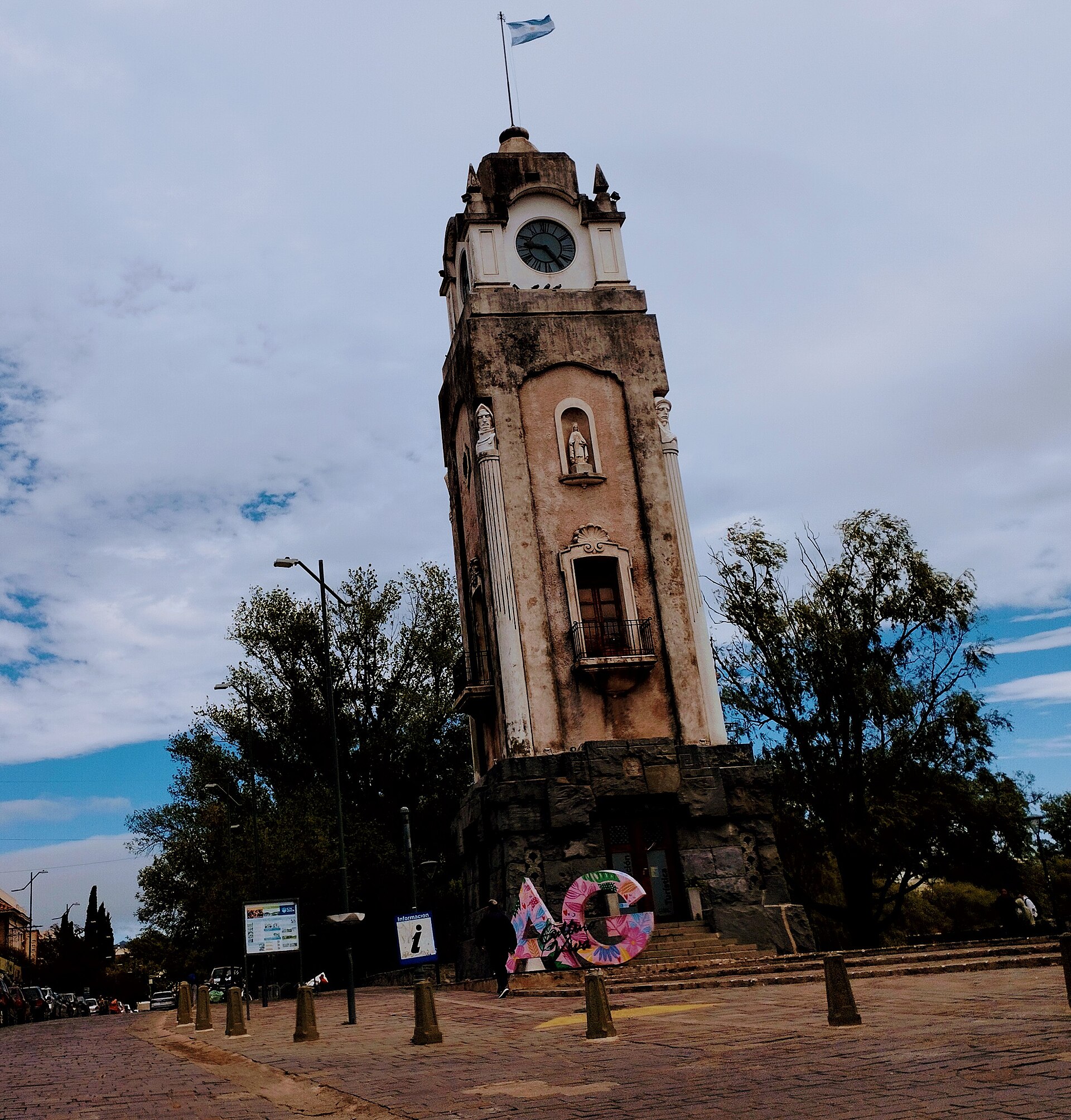
Alta Gracia packs more history into a few square kilometers than many cities ten times its size. This sierra town of roughly 60,000 people (2022 Census), just 36 kilometers from Cordoba city, is home to a UNESCO World Heritage Jesuit Estancia, the Che Guevara House Museum where Latin America's most famous revolutionary spent his childhood, the Manuel de Falla Museum where the Spanish composer lived out his exile, and a historic center with a small-town charm that invites you to walk without rushing. It is an essential day trip from Cordoba that you can do in half a day or combine with other sierra destinations for a full day.
Getting there — distances & times
| From | Distance | Flight | Bus | Drive |
|---|---|---|---|---|
| New York (JFK) | 8500 km | 11 h via Buenos Aires | — | — |
| Miami (MIA) | 7100 km | 9 h via Buenos Aires | — | — |
| Madrid (MAD) | 10000 km | 13 h via Madrid + AR domestic | — | — |
| Buenos Aires (EZE) | 700 km | 1 h 15 | 10 h | 8 h |
| Mendoza | 670 km | 1 h 10 | 9 h | 7 h |
| Iguazu (IGR) | 1100 km | 1 h 30 | — | — |
Month-by-month climate
| Month | Temp. | Rain | Crowds | Note |
|---|---|---|---|---|
| Jan | 19° / 31°C | 120 mm | Summer, peak season | |
| Feb | 18° / 30°C | 105 mm | ||
| Mar | 16° / 28°C | 90 mm | ||
| Apr | 12° / 25°C | 50 mm | ||
| May | 8° / 21°C | 20 mm | ||
| Jun | 5° / 18°C | 12 mm | ||
| Jul | 4° / 18°C | 10 mm | Winter break | |
| Aug | 6° / 21°C | 12 mm | ||
| Sep | 9° / 23°C | 30 mm | ||
| Oct | 13° / 26°C | 70 mm | ||
| Nov | 15° / 28°C | 95 mm | ||
| Dec | 18° / 30°C | 125 mm |
Essential Alta Gracia Facts
- Location: 36 km southwest of Cordoba city
- Altitude: 553 meters above sea level
- Getting there: 40 minutes by car or bus via Provincial Route 5
- UNESCO attractions: Jesuit Estancia (declared 2000)
- Che Museum: Tuesday to Sunday, ARS 3,000-5,000
- Recommended time: Half day minimum, full day ideal
- Tour from Cordoba: From USD 44 with Civitatis
The Jesuit Estancia of Alta Gracia: UNESCO Heritage
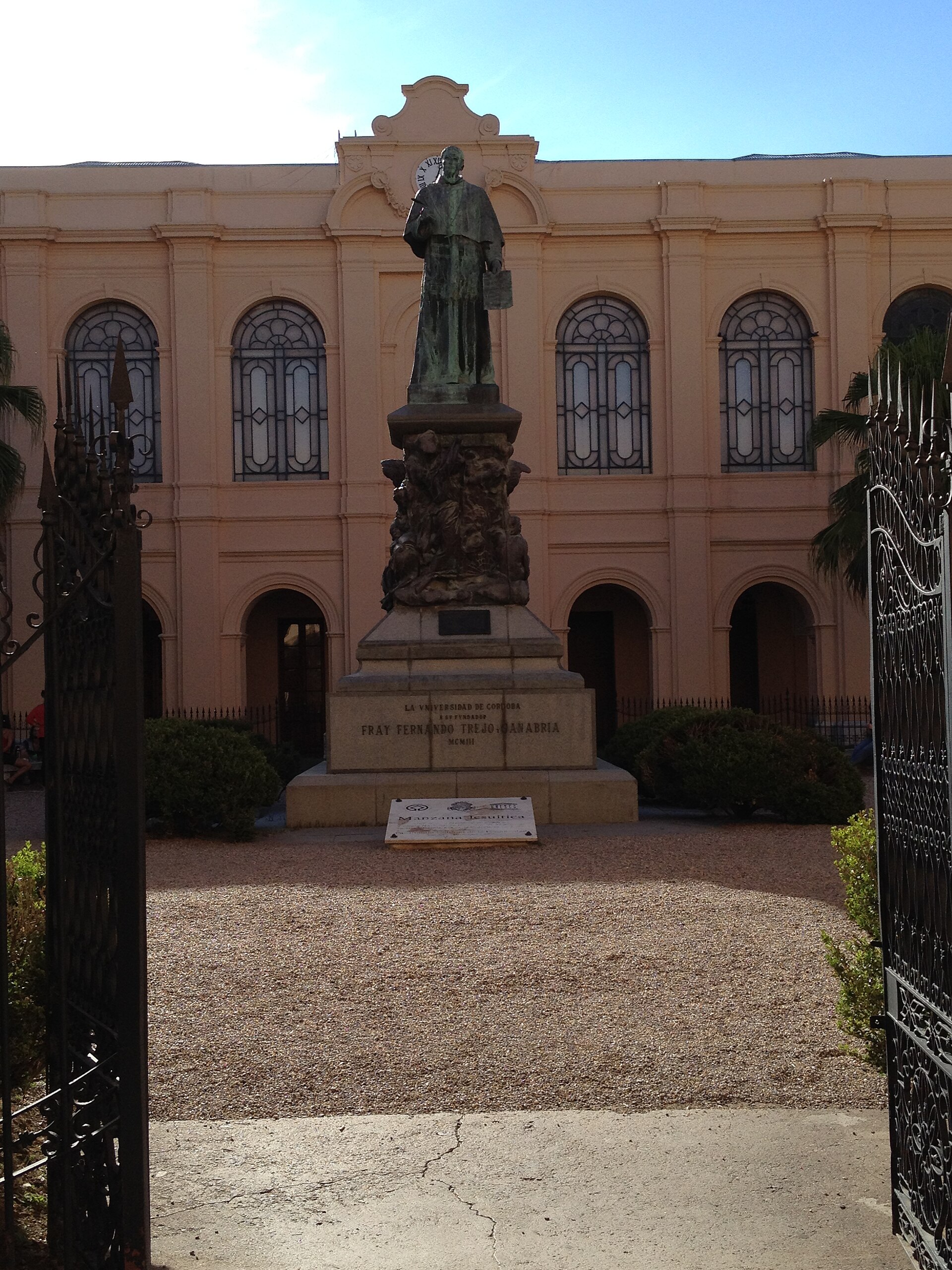
The Jesuit Estancia of Alta Gracia is one of six estancias that, together with the Manzana Jesuitica in Cordoba, were declared a UNESCO World Heritage Site in 2000. Built in the late 17th century by the Society of Jesus, this estancia was a self-sufficient productive complex that included a church, cloister, residence, workshops, flour mill, forge and irrigation channels. The Jesuits used it as a production center to finance the University of Cordoba and the Monserrat School, producing grain, meat, leather and manufactured goods.
Today the estancia operates as the National Museum of the Jesuit Estancia of Alta Gracia and House of Viceroy Liniers. The tour includes the impressive baroque church with its carved stone facade and interior of gilded altarpieces, the cloister with round arches framing a central garden courtyard, and museum rooms with exhibits on Jesuit life, construction techniques, the relationship with indigenous peoples and the productive system of the estancia. The guided tours (included in admission) provide fascinating historical context that turns the visit from a tourist walk-through into an educational immersion.
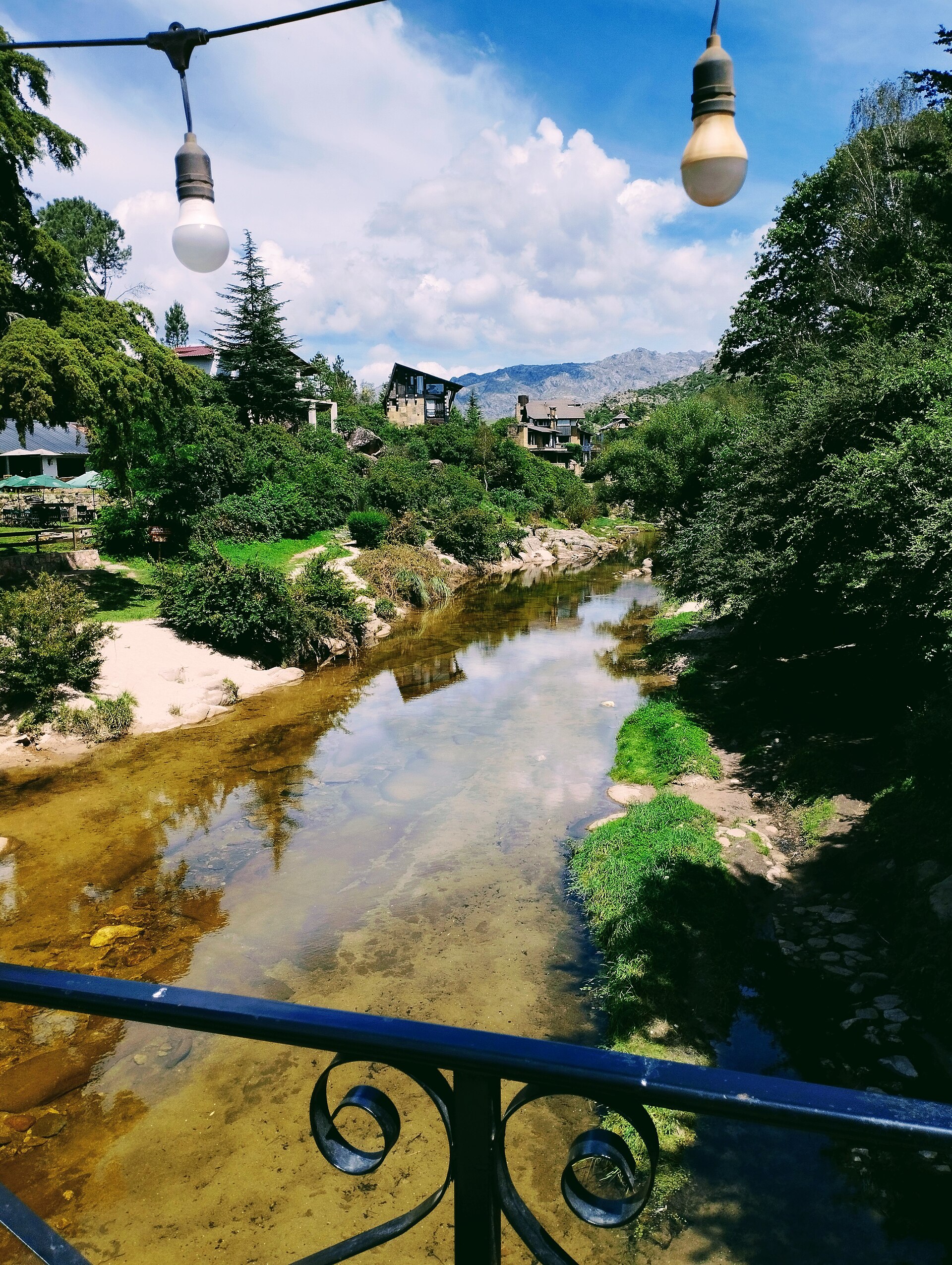
The Tajamar, the old dam the Jesuits built to regulate water from the Chicamtoltina stream, is today a mirror of water surrounded by a public promenade with benches, gardens and sierra views. It is one of the most beautiful spaces in Alta Gracia for a walk, a photo or simply sitting to take in the mountain landscape. On weekends and during tourist season, the Tajamar promenade fills with families, couples and visitors enjoying the restaurants and ice cream parlors in the area.
Che Guevara House Museum: Villa Nydia
Villa Nydia is the house where Ernesto "Che" Guevara lived his childhood and adolescence between 1932 and 1943. The Guevara de la Serna family moved to Alta Gracia in search of the dry sierra climate that would help young Ernesto's respiratory health, since he had suffered from severe asthma since the age of two. In this house, on the streets of a quiet sierra town, the personality of one of the most influential figures of the 20th century took shape.
The museum displays family photographs showing Ernesto as a boy and teenager playing rugby, swimming in sierra rivers and hanging out with friends from the local school. There are personal items, school report cards, letters and documents that reconstruct Che's formative years in Alta Gracia. The tour walks you through the rooms where the family lived, the garden where Ernesto played despite his asthma, and a timeline that connects his Cordoba childhood with his later life as a doctor, traveler and revolutionary. For history lovers, it is a deeply moving visit.
Manuel de Falla Museum
The Manuel de Falla Museum, located in the chalet "Los Espinillos" where the celebrated Spanish composer lived his final years of exile (1942-1946), is a lesser-known but equally fascinating cultural gem. Manuel de Falla, the composer of masterpieces like "El amor brujo" and "The Three-Cornered Hat," chose Alta Gracia as his refuge after the Spanish Civil War. In this sierra home he worked on his last unfinished piece, "Atlantida," and here he passed away in November 1946.
The museum preserves the composer's grand piano, handwritten scores, personal objects, original furniture and photos from his life in Alta Gracia. The garden of the house, with sierra views, keeps the intimate, contemplative atmosphere the maestro sought for his creative work. The visit takes about 45 minutes and is a perfect complement to the Alta Gracia cultural circuit.
The Town of Alta Gracia: Strolling and Dining
The historic center of Alta Gracia invites a leisurely stroll. Plaza Manuel Solares, facing the Jesuit estancia, is the heart of town with century-old trees, wrought-iron benches and a fountain. The colonial buildings and early 20th-century mansions give the center a distinctive architectural character. The streets near the Tajamar concentrate the best dining, with restaurants serving regional cuisine (Cordoba empanadas, asado, trout) and Syrian-Lebanese-influenced dishes inherited from the local Arab community.
The Sierras Hotel (now closed as a hotel but still worth admiring from the outside) is a Neo-Mudejar building from 1908 that was once one of the most luxurious hotels in Argentina. It welcomed presidents, artists and Buenos Aires aristocracy who came to Alta Gracia drawn by the fame of its healthy climate. Its monumental facade, visible from the Tajamar, is one of the architectural icons of the town.
For lunch, the restaurants along the Tajamar are the best option, with outdoor tables and views over the water. Arab empanadas (a legacy of the Syrian-Lebanese community), homemade tarts and grilled meats are the local specialties. For dessert, artisanal alfajores and the ice cream parlors in the center round out a top-notch sierra dining experience.