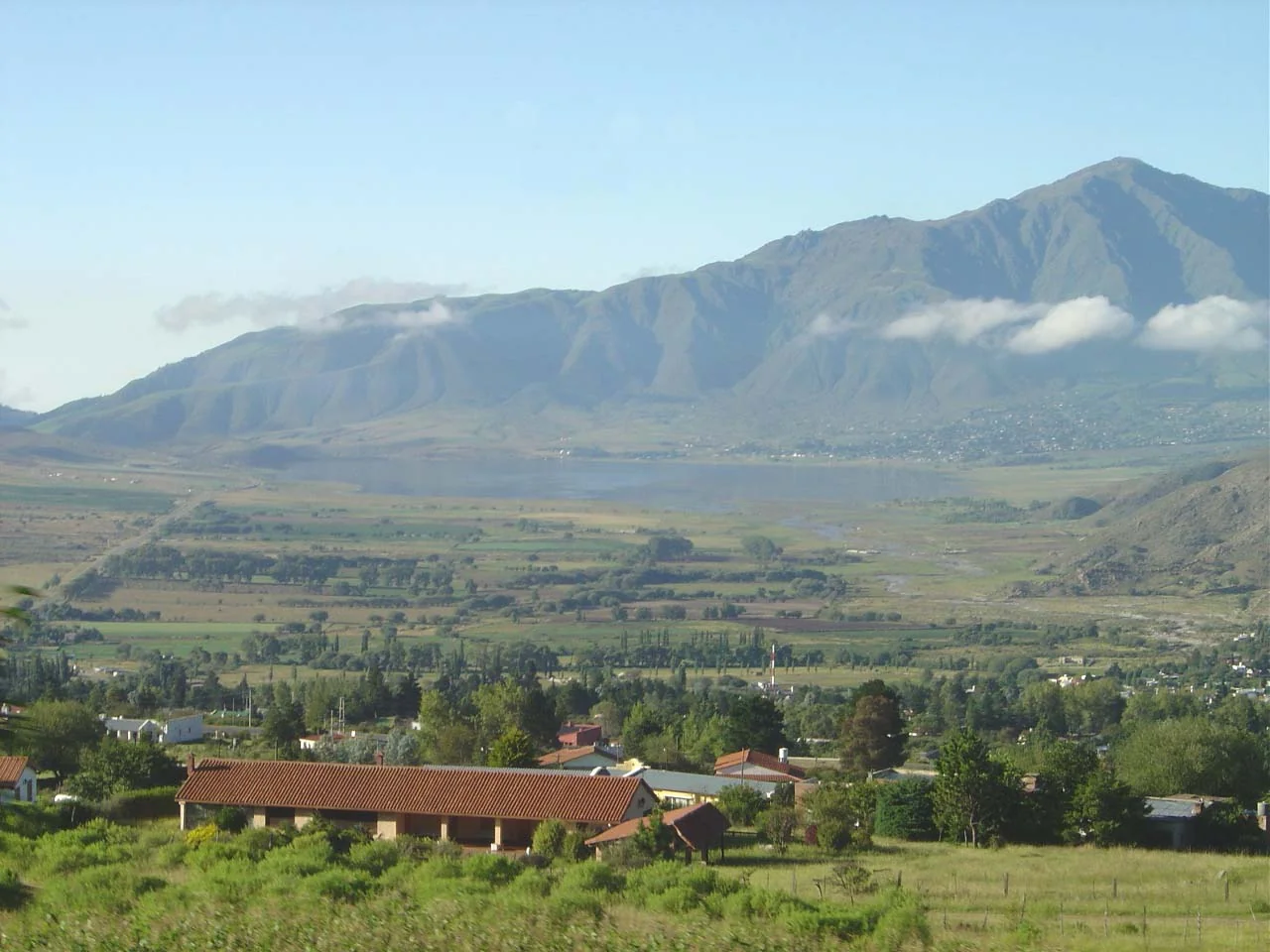
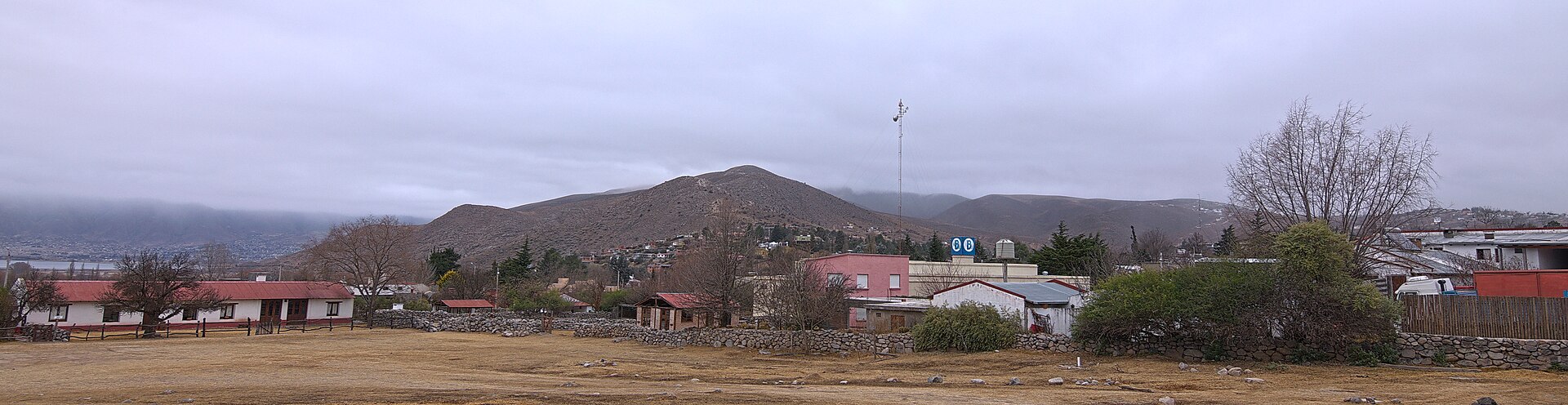
The Quilmes Ruins are the largest pre-Hispanic city in Argentina, covering 30 hectares on a hillside in the Calchaqui Valley, Tucuman province (lat -26.4658, lng -66.0397). Inhabited for over 1,000 years by the Quilmes people, this stone city once held 5,000 inhabitants who resisted Spanish colonization for 130 years until their forced march to Buenos Aires in 1667. The preserved stone walls, terraces and ceremonial spaces offer a powerful glimpse into pre-Columbian life. The hilltop provides sweeping views of the entire Calchaqui Valley. Located 56 km from Amaicha del Valle and accessible from Tafi del Valle.
Getting there — distances & times
| From | Distance | Flight | Bus | Drive |
|---|---|---|---|---|
| New York (JFK) | 8500 km | 11 h via Buenos Aires | — | — |
| Miami (MIA) | 7100 km | 9 h + 2 h domestic | — | — |
| Madrid (MAD) | 10000 km | 13 h via Madrid + AR domestic | — | — |
| Buenos Aires (EZE) | 1240 km | 1 h 45 | 14–16 h | — |
| Salta | 300 km | — | 4 h | 3 h 30 |
| Córdoba | 570 km | — | 7 h | 6 h |
Month-by-month climate
| Month | Temp. | Rain | Crowds | Note |
|---|---|---|---|---|
| Jan | 19° / 31°C | 210 mm | Rainy summer | |
| Feb | 19° / 30°C | 180 mm | ||
| Mar | 17° / 28°C | 160 mm | ||
| Apr | 14° / 25°C | 50 mm | ||
| May | 11° / 22°C | 15 mm | ||
| Jun | 8° / 19°C | 8 mm | ||
| Jul | 7° / 19°C | 8 mm | ||
| Aug | 9° / 21°C | 8 mm | ||
| Sep | 12° / 24°C | 15 mm | ||
| Oct | 15° / 27°C | 50 mm | ||
| Nov | 17° / 29°C | 120 mm | ||
| Dec | 19° / 31°C | 180 mm |
How to Get to Quilmes Ruins
From Cafayate (Salta) — easiest option
70 km north on RN 40 (1 hour drive), fully paved. The site sits 5 km off the highway on a clearly signposted dirt road. Many tour operators in Cafayate run morning excursions that include Amaicha del Valle and the Pachamama Museum.
From Tafi del Valle
119 km via Amaicha del Valle (2 hours), crossing the Abra del Infiernillo pass at 3,042 m. Spectacular landscape change from highland grassland to arid Calchaqui desert. Common 1-day excursion from Tafi.
From Tucuman city
194 km, 3 hours via RN 38 (Yungas) → Tafi del Valle → Amaicha → Quilmes. Too long for a comfortable day trip; better as part of a 2-day or 3-day Calchaqui circuit. Organised tours run from Tucuman with overnight in Tafi or Amaicha.
By bus
Limited service. The closest bus stops are Amaicha del Valle (15 km away) or Cafayate. From either, a taxi or remise to the ruins costs USD 15–25 round trip with waiting time. Self-driving or organised tours are far more practical.
What to See and Do
The lower city
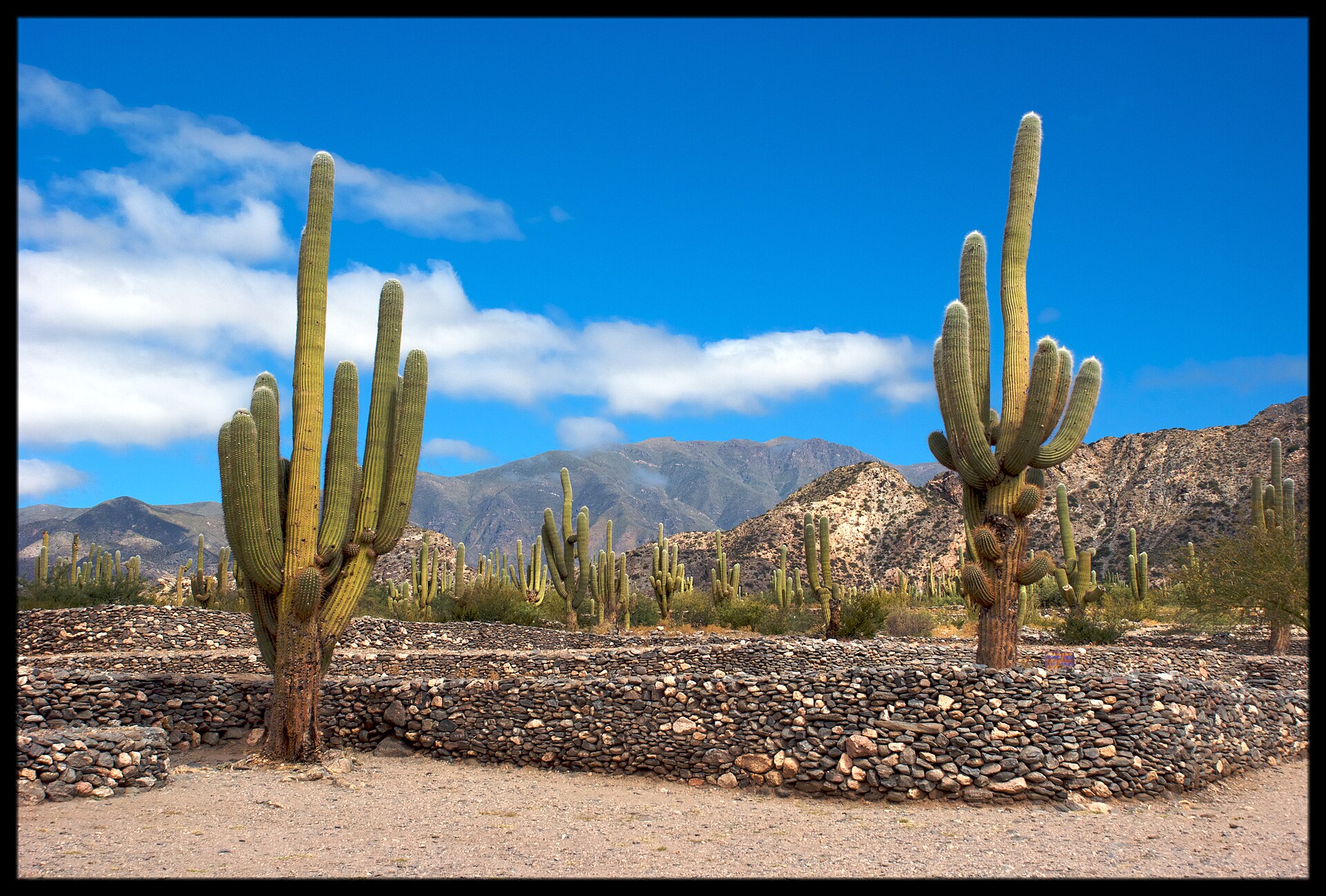
The first thing you see when entering: an extensive grid of stone walls forming houses, plazas, food storage cells, terraces and a central ceremonial space. The masonry is dry-stone (no mortar) and was built between 1000 and 1600 AD. Walk slowly, look up — many walls preserve original height.
The hilltop fortress (Pucara)
The defensive citadel at the top of the hill, 100 m above the city. Climb the stone staircase (25–35 minutes, moderate effort) to reach the upper terraces. The view across the entire Calchaqui Valley with the Sierra del Cajon as backdrop is unforgettable. Look for the cardo cactus growing inside ancient rooms.
Site museum
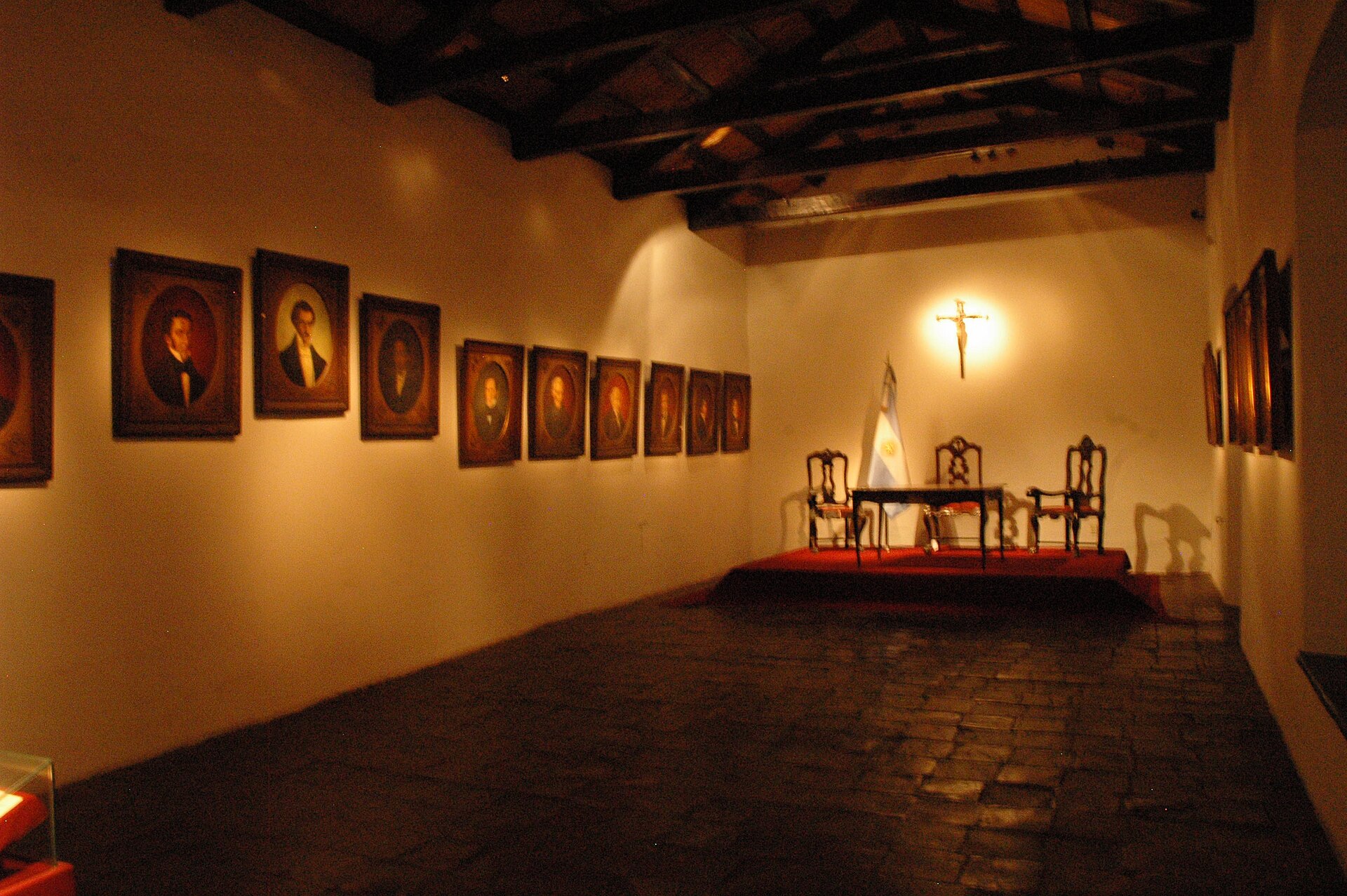
Small but well-curated, with ceramics, textiles, weapons and artifacts found on site. Explanatory panels in Spanish (some English). Allow 30 minutes.
Indigenous community guides
Available at the entrance for an additional fee. They tell the story of the Quilmes people from their perspective: not just dates and stones but the meaning of the resistance, the trauma of displacement and the modern struggle to recover their land. Recommended.
When to Visit
- Best: April-November. Dry, sunny, clear skies, mild temperatures (15–25 C).
- Time of day: Early morning (8–10 am) or late afternoon (4–6 pm) for the best light and lowest heat. The hilltop offers stunning sunset views.
- Avoid: Midday in summer (December-February) when the hill becomes uncomfortable at 35 C+.
Practical Information
Entry and hours
Open daily, 8 am to 6 pm (winter closes earlier). Entry approximately USD 3–5 in Argentine pesos. Site managed by the Comunidad Indigena Quilmes — fees support preservation. Photography permitted; do not climb on or remove stones.
What to bring
Water (at least 1.5 L per person), sun protection (high UV at 1,800 m), hat, sunscreen, sturdy walking shoes for the climb, and small bills in pesos for the entry fee and any souvenirs.
Where to stay
The closest accommodation is in Amaicha del Valle (15 km), which has basic family-run inns and cabins from USD 20. Cafayate (70 km) has the widest range of hotels, hostels and boutique wineries with stays. Tafi del Valle (119 km) is the third option.
Distances
- Amaicha del Valle: 15 km (20 min)
- Cafayate (Salta): 70 km (1 h)
- Tafi del Valle: 119 km (2 h)
- San Miguel de Tucuman: 194 km (3 h)
- Salta capital: 260 km (4 h)