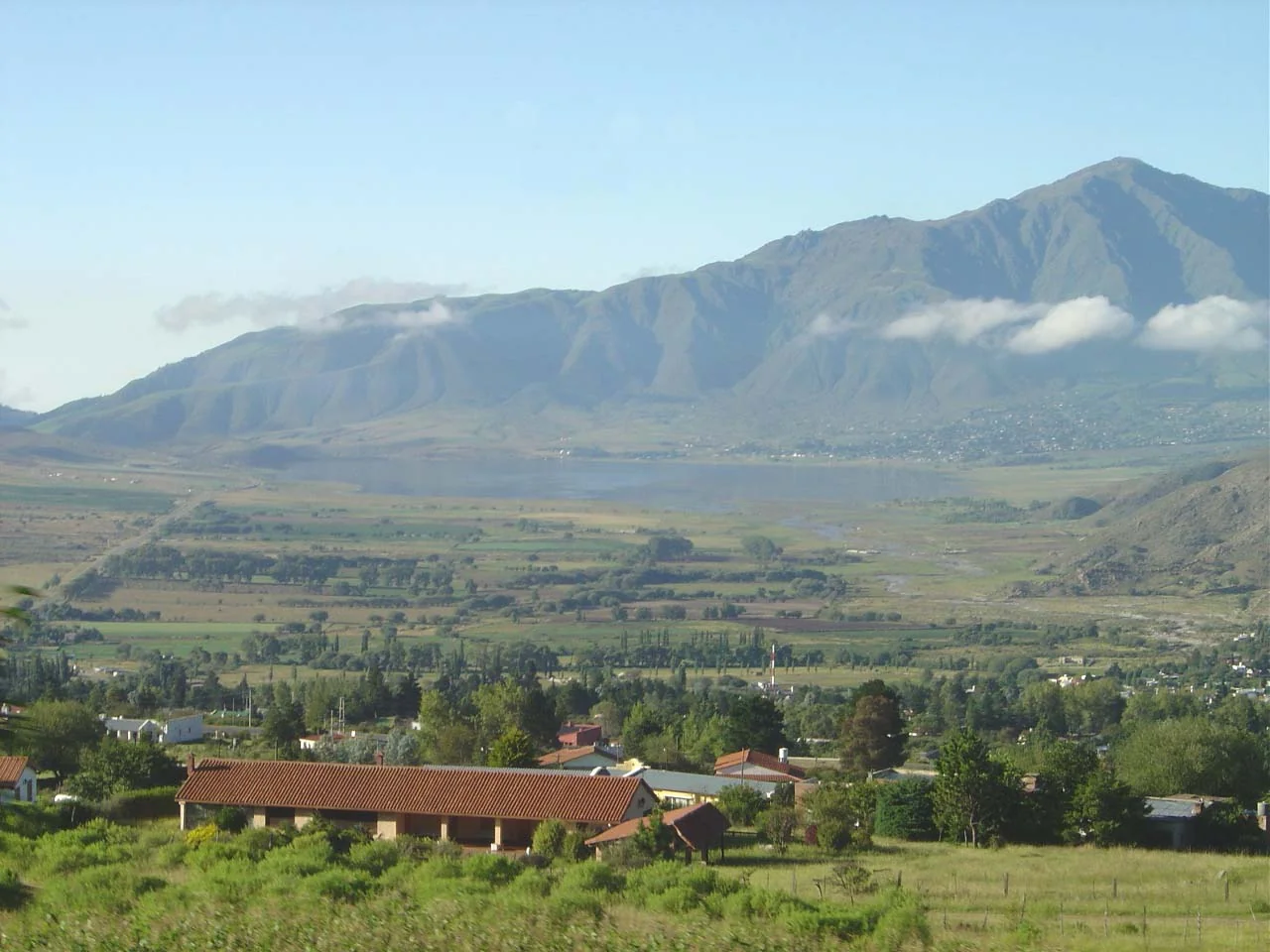
The Tucuman Yungas are a subtropical mountain rainforest covering the western mountain ranges of Tucuman province, Argentina (lat -26.7833, lng -65.3833). This cloud forest ecosystem rises from 400 m to 3,000 m, harboring extraordinary biodiversity: over 300 bird species, tree ferns, orchids, tapirs and the endangered Tucuman parrot. Key areas include the Sierra de San Javier (20 km west of Tucuman city), Villa Nougues (a hilltop village with colonial charm), Aconquija National Park (formerly Campo de los Alisos) (wild, remote) and San Pedro de Colalao (rural gateway). Activities include canopy ziplines, trekking, birdwatching and mountain biking.
Getting there — distances & times
| From | Distance | Flight | Bus | Drive |
|---|---|---|---|---|
| New York (JFK) | 8500 km | 11 h via Buenos Aires | — | — |
| Miami (MIA) | 7100 km | 9 h + 2 h domestic | — | — |
| Madrid (MAD) | 10000 km | 13 h via Madrid + AR domestic | — | — |
| Buenos Aires (EZE) | 1240 km | 1 h 45 | 14–16 h | — |
| Salta | 300 km | — | 4 h | 3 h 30 |
| Córdoba | 570 km | — | 7 h | 6 h |
Month-by-month climate
| Month | Temp. | Rain | Crowds | Note |
|---|---|---|---|---|
| Jan | 19° / 31°C | 210 mm | Rainy summer | |
| Feb | 19° / 30°C | 180 mm | ||
| Mar | 17° / 28°C | 160 mm | ||
| Apr | 14° / 25°C | 50 mm | ||
| May | 11° / 22°C | 15 mm | ||
| Jun | 8° / 19°C | 8 mm | ||
| Jul | 7° / 19°C | 8 mm | ||
| Aug | 9° / 21°C | 8 mm | ||
| Sep | 12° / 24°C | 15 mm | ||
| Oct | 15° / 27°C | 50 mm | ||
| Nov | 17° / 29°C | 120 mm | ||
| Dec | 19° / 31°C | 180 mm |
How to Visit the Tucuman Yungas
Sierra de San Javier (the easy option)
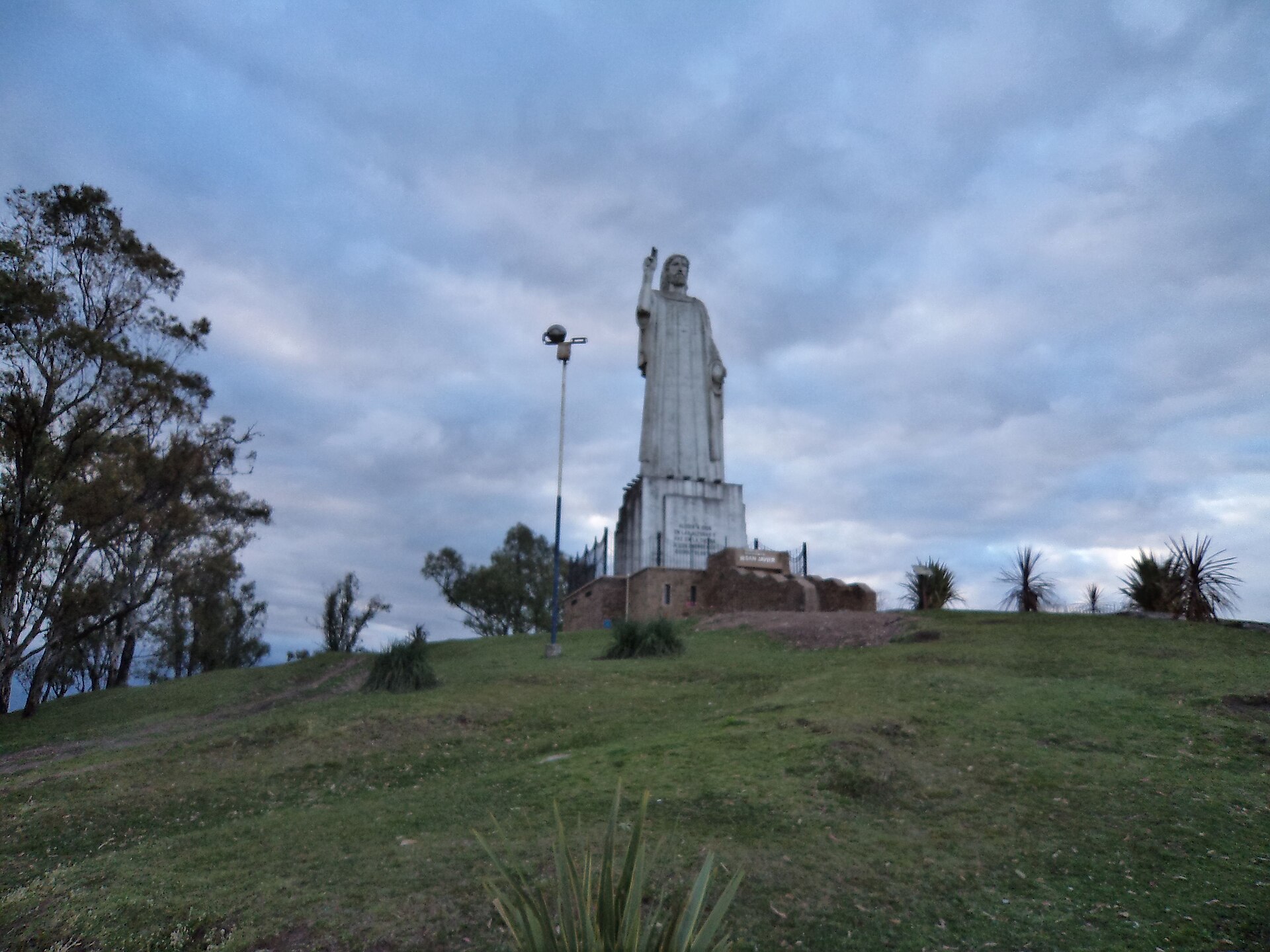
20 km west of Tucuman city, 30 minutes by car. Paved road climbs through dense Yungas to a hilltop village (also called San Javier) at 1,200 m. Trails of various difficulties, viewpoints over Tucuman city, restaurants, the famous Cristo Bendicente statue and the canopy zipline. Half-day from the city.
Villa Nougues
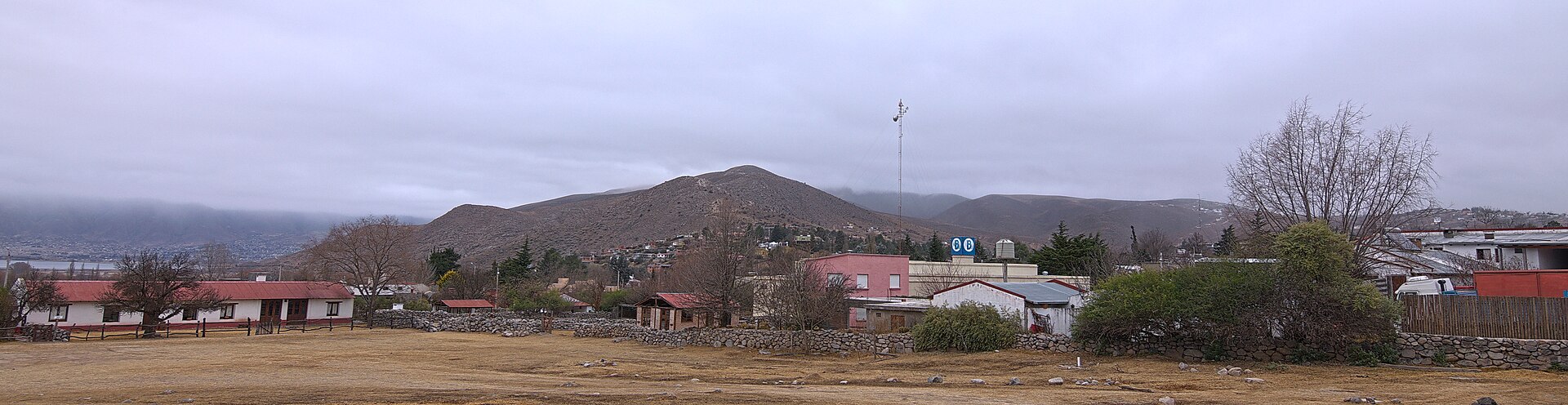
25 km from Tucuman, 40 minutes. A small hilltop village founded in the early 20th century by sugar industry families as a summer retreat. Charming wooden chalets, cooler air, scenic views. Several boutique lodges and restaurants. Combine with Sierra de San Javier.
Aconquija National Park
110 km southwest of Tucuman, 2.5 to 3 hours including dirt road. Formerly Campo de los Alisos National Park, recently expanded and renamed. 76,000 hectares of Yungas and high-altitude grassland. No developed infrastructure — ideal for experienced trekkers with their own gear. Multi-day routes lead to high passes. Local guides essential for safety.
San Pedro de Colalao
110 km north of Tucuman, 2 hours. A rural Yungas village famous for its mineral springs and traditional NOA atmosphere. Simple lodging, hot springs, hiking trails. Off the main tourist circuit but rewarding for travellers seeking authenticity.
The RN 38 drive to Tafi del Valle
The 2-hour drive from Tucuman to Tafi (107 km) crosses the densest section of Yungas in the province. Climbs from 450 m to 2,000 m with multiple viewpoints, waterfalls and Yungas villages. Many travellers rate it the highlight of the entire trip.
What to See and Do
Canopy Zipline
The biggest operation runs in Sierra de San Javier — a 4–6 station circuit over the cloud forest canopy. USD 15–30 per person. Safety gear and brief instruction included. Suitable for ages 8+. Spectacular views.
Trekking
Trails for every level. Easy: 1–2 hour walks in San Javier and Villa Nougues. Medium: half-day routes with viewpoints and waterfalls. Difficult: multi-day expeditions in Aconquija National Park. Local guide companies in Tucuman city offer organised treks USD 30–80 per day.
Birdwatching
300+ species in the Argentine Yungas, including the endangered Tucuman amazon (Amazona tucumana), found almost nowhere else. Hire a specialist guide (USD 50–80/day) for early-morning sessions in Sierra de San Javier or San Pedro de Colalao.
Cristo Bendicente
An 8-metre statue of Christ blessing Tucuman at the highest point of San Javier. Great viewpoint over the entire valley and the city below. Free access. Especially scenic at sunset.
Mountain biking and horseback riding
Rentals and guided tours available in San Javier. Scenic forest trails of various difficulties. USD 25–50 for half-day rides.
When to Visit
- Best: April-November. Drier, clearer skies, better trail conditions, easier wildlife spotting.
- Birdwatching: Winter (June-August) when leaves drop in the understorey.
- Avoid: Heavy summer rains (December-February) can flood lower trails and trigger landslides.
- Year-round: Sierra de San Javier is accessible all year as a half-day from the city.
Practical Information
Cost
Sierra de San Javier free access; canopy USD 15–30; guided birdwatching USD 50–80/day; trekking tours USD 30–80/day. Aconquija National Park: free entry but you need 4x4 or guided transport. Restaurants in San Javier and Villa Nougues USD 10–20 per meal.
What to bring
Layers (Yungas microclimate is humid and changes fast), rain jacket, sturdy shoes or boots, insect repellent, water (1+ L), sunscreen, binoculars for birdwatching, camera. In winter add a warm jacket.
Safety
Stay on marked trails. The Yungas can be disorienting in fog or rain. Tell someone your plan if going alone. Mobile signal is patchy outside main villages. For Aconquija and remote areas, hire a local guide.
Distances
- Sierra de San Javier: 20 km from Tucuman (30 min)
- Villa Nougues: 25 km (40 min)
- San Pedro de Colalao: 110 km (2 h)
- Aconquija National Park entrance: 110 km (2.5–3 h)
- Tafi del Valle (via Yungas drive): 107 km (2–2.5 h)