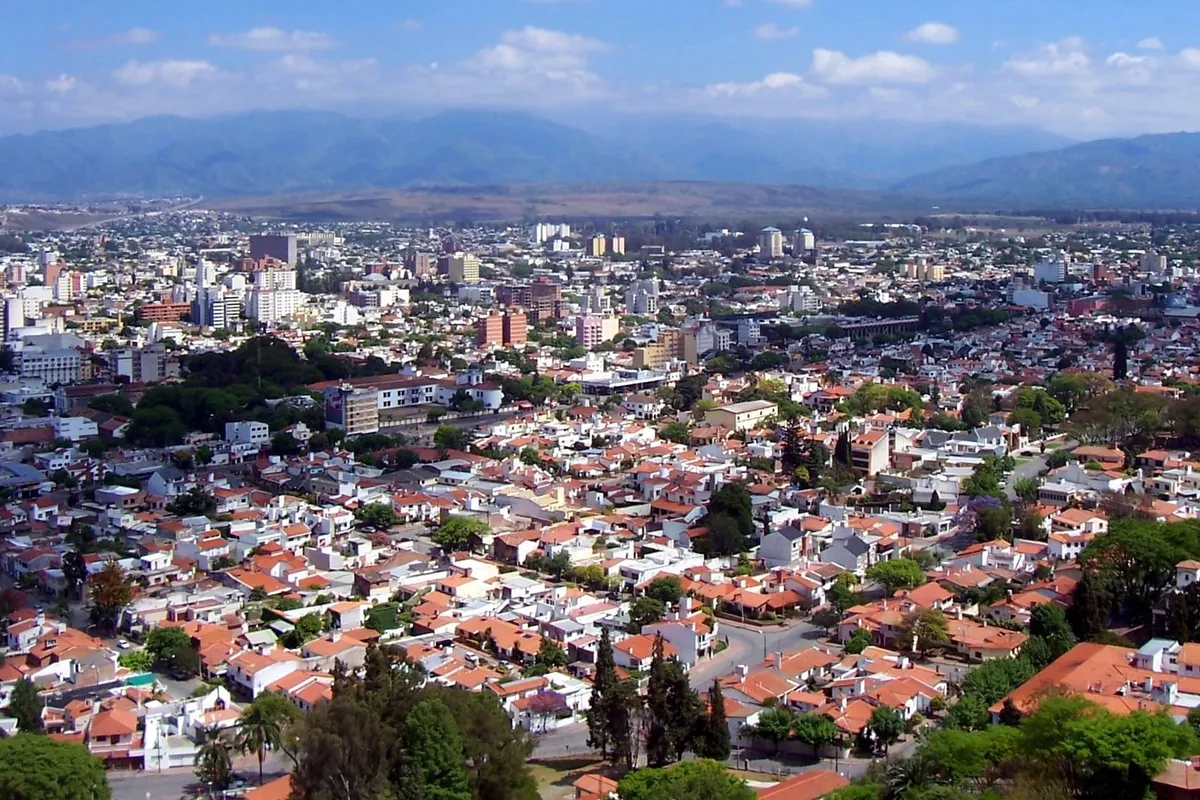
Salta vs Jujuy is a comparison many travellers raise — but the right answer is almost always "do both". These two NOA twin provinces (Argentine Northwest) are geographically and culturally continuous: they share the Quebrada de Humahuaca (UNESCO World Heritage), the Calchaquí Valleys, Andean peaks with giant cardones, Kolla high-altitude communities, and a unique colonial-Andean identity. Most tourist trips cover them together in a week, using Salta city as base (better airport and hotel offer) and doing day trips to Jujuy. But each province has its own personality. Salta is "La Linda" — colonial and elegant, with Jesuit colonial architecture, premium gastronomy, and the Calchaquí Valleys with high-altitude wineries (Cafayate, Colomé). Jujuy is "the Andean" — more rural, more colourful, with the country\'s highest concentration of Instagram landscapes (Cerro 7 Colours, Hornocal 14 Colours, Salinas Grandes, Cuesta del Lipán at 4,170 m), Andean villages with living pre-Columbian identity (Tilcara, Purmamarca, Humahuaca), and a lower cost of living. In this 2026-updated comparison guide we analyse both provinces across 8 critical dimensions and give recommendations by traveller profile. Executive summary: if your trip is 5 days or fewer, base Salta + Cafayate (greatest gastro-cultural-landscape diversity). If you have 7-10 days: combine them (4 days Salta + Cafayate + 3-4 days Quebrada de Humahuaca with base in Tilcara or Purmamarca). If you only care about coloured landscapes and want a more authentic-rural trip: Jujuy.
Side-by-Side Comparison
| Dimension | Salta | Jujuy |
|---|---|---|
| Capital | Salta (650,000 inhabitants) | San Salvador de Jujuy (270,000) |
| Airport | SLA (5-7 daily flights from AEP) | JUJ (3-5 daily flights) |
| Flight from BA | 2h, USD 100-200 | 2h, USD 110-220 |
| Recommended days | 4-5 days | 3-4 days |
| Top attraction | Cafayate + Quebrada de las Conchas | Cerro 7 Colours + Hornocal + Salinas Grandes |
| Mid-range hotel | USD 60-180/night | USD 50-130/night |
| Premium hotel | USD 200-480 (Patios de Cafayate, House of Jasmines) | USD 150-280 (Manantial del Silencio) |
| 2-course dinner | USD 15-45 | USD 8-25 |
| Total cost 5 days | USD 600-1,300 per person | USD 450-950 per person |
| Wines | Cafayate (iconic Torrontés), Colomé (3,111 m) | No wine production |
| Tourist train | Train to the Clouds (4,220 m, La Polvorilla) | No |
| UNESCO heritage | Shared: Quebrada de Humahuaca + circuit wineries | Quebrada de Humahuaca + Carnival (intangible) |
| Cultural identity | Spanish colonial + Calchaquí Valleys | Andean Kolla + pre-Columbian |
| Formal dining | Better (Salta city, Cafayate) | More authentic but fewer restaurants |
| Best village | Cafayate or Cachi | Tilcara or Purmamarca |
| Best time | Apr-Nov (May-Aug optimal) | Apr-Nov (May-Aug optimal) |
Salta — When to Pick It
Pick Salta as base if:
- You\'re a wine lover — Cafayate has the world\'s best Torrontés, unique high-altitude Malbecs, and Bodega Colomé with its Altura Máxima at 3,111 m.
- You want formal gastronomy: Salta city has the NOA\'s best restaurants (José Balcarce, La Gaditana, El Solar del Convento) and Cafayate has Piattelli #1 on TripAdvisor + El Esteco with Magic Nights.
- You\'re into colonial architecture: Salta city is one of Argentina\'s best-preserved colonial cities (Cabildo, Cathedral, San Francisco Convent, Plaza 9 de Julio).
- You want to do the Train to the Clouds: the world\'s highest tourist railway (4,220 m), departing from Salta.
- You travel mid-to-high budget: 5-star hotels and premium restaurants are in Salta-Cafayate.
- It\'s your first NOA visit: Salta\'s tourism infrastructure makes everything easier.
Jujuy — When to Pick It
Pick Jujuy as base (with base in Tilcara or Purmamarca) if:
- You want the most photographically striking landscapes: Cerro 7 Colours, Hornocal 14 Colours, Salinas Grandes, Cuesta del Lipán — the highest concentration of Instagram landscapes in any Argentine province.
- You\'re interested in living pre-Columbian and Kolla culture: high-altitude communities still speak Quechua-Aymara, Pucará de Tilcara archaeological site (Tiwanaku-Inca), Humahuaca Carnival with misachicos and diablitos (UNESCO intangible).
- You want a more rural, authentic destination: Tilcara has 6,000 inhabitants with living Andean identity, Purmamarca is a 2,000-person village at the foot of Cerro 7 Colours.
- Your budget is tight: 15-25% cheaper than Salta for comparable scenic experiences.
- You want to combine with wellness: Termas de Reyes (sulphate-bicarbonate at 56°C in the Yungas) is 19 km from Jujuy city.
- You\'re into subtropical nature: the Yungas (subtropical jungle) in eastern Jujuy are unique in Argentina.
Suggested Itineraries
Salta only — 5 days
- Day 1: Salta city — Cabildo, Cathedral, MAAM, Cerro San Bernardo by cable car, dinner at peña.
- Day 2: Quebrada de las Conchas en route to Cafayate (Anfiteatro, Garganta del Diablo, Castillos).
- Day 3: Cafayate — El Esteco + Piattelli + Domingo Hermanos wineries. Magic Nights at El Esteco.
- Day 4: Bodega Colomé excursion (Altura Máxima 3,111 m + Turrell Museum) or Cachi-Molinos circuit.
- Day 5: Train to the Clouds (full day, 4,220 m, La Polvorilla) or return to Salta + SLA flight.
Jujuy only — 4 days
- Day 1: JUJ arrival. Afternoon: Termas de Reyes in Yungas (relax at 56°C).
- Day 2: San Salvador de Jujuy → Purmamarca (Cerro 7 Colours, Paseo de los Colorados). Afternoon: craft fair.
- Day 3: Purmamarca → Tilcara (Pucará, Garganta del Diablo) → Salinas Grandes (3,450 m) → Tilcara.
- Day 4: Humahuaca → Hornocal 14 Colours → Iruya (optional, requires extra night). Return to JUJ in afternoon.
Salta + Jujuy combo — 8 days (recommended)
- Days 1-2: Salta city + Train to the Clouds (optional).
- Days 3-4: Cafayate + wineries + Quebrada de las Conchas.
- Day 5: Salta → Purmamarca (via RN 9 + RP 52, 4h). Afternoon: Cerro 7 Colours.
- Day 6: Purmamarca → Salinas Grandes → Tilcara. Night in Tilcara.
- Day 7: Tilcara → Humahuaca → Hornocal 14 Colours. Return to Tilcara or Salta city.
- Day 8: Salta city. SLA evening departure.
Summary — Which to Choose
- 5 or fewer days in NOA → Salta + Cafayate (greatest concentrated diversity).
- 7+ days in NOA → Combine both (no doubt).
- Focus on Instagram landscapes → Jujuy with Tilcara/Purmamarca base.
- Focus on premium wines → Salta (Cafayate + Colomé).
- Focus on living pre-Columbian culture → Jujuy.
- Family with kids → Salta city + Cafayate (easier logistics).
- Backpackers on a budget → Jujuy (Tilcara is Argentina\'s classic backpacker destination).
- Foodies / wine lovers → Salta first, then Jujuy.
- Carnival (February) → Jujuy (Humahuaca Carnival is UNESCO intangible).
Book your NOA trip
Cafayate + Quebrada de las Conchas tour
Full day Salta → Quebrada de las Conchas (Anfiteatro) → Cafayate (3 wineries + lunch) → return to Salta. Bilingual guide.
Quebrada de Humahuaca + Hornocal
Full day from Salta or Jujuy: Purmamarca → Salinas Grandes → Tilcara → Humahuaca → Hornocal. Bilingual.
8-day full NOA combo
Salta city + Cafayate + Quebrada de Humahuaca with AEP-SLA flights, 4-star hotels, tours, transfers. For 2 people.
Related pages
- Complete Salta guide
- Cafayate and high-altitude wines
- Mendoza vs Salta — wine regions comparison.
- Bariloche vs Calafate — Patagonia decision.