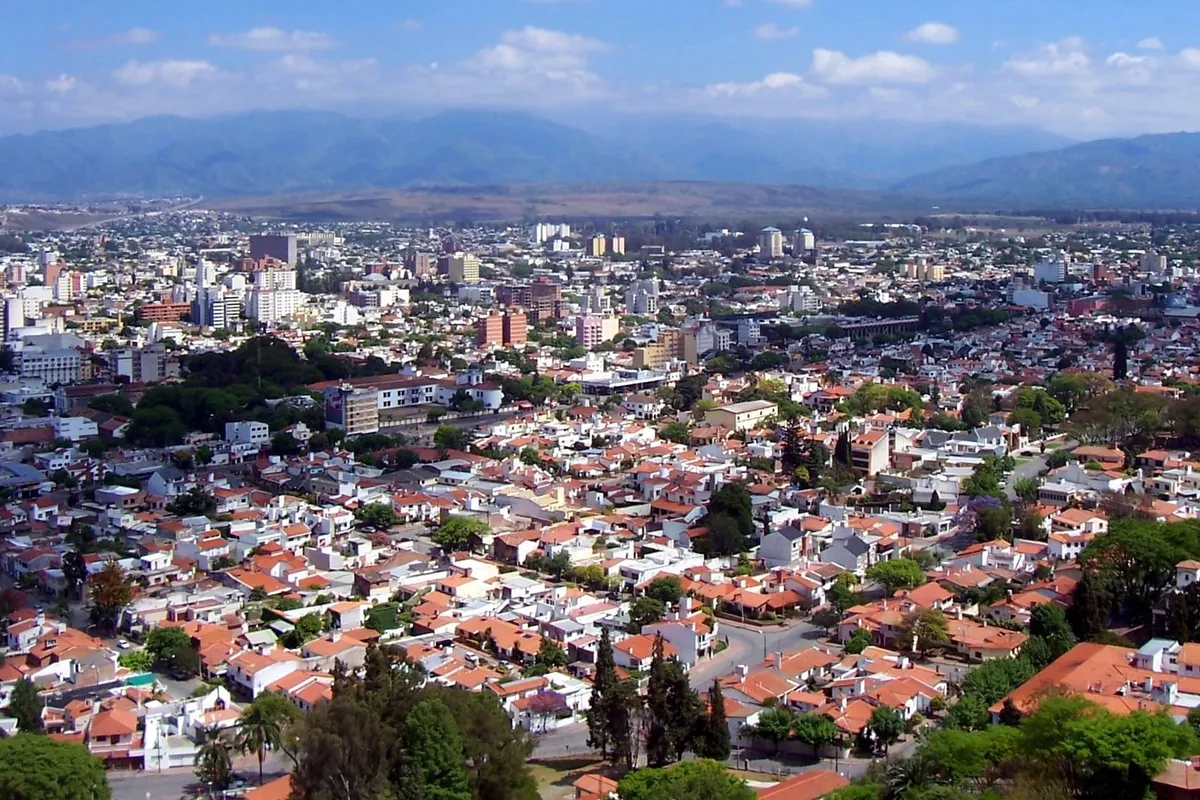
The Torrontés is the only native Argentine wine grape with international recognition, and the country\'s emblematic white wine alongside Malbec for reds. Genetically it is a natural cross that occurred in Argentina in the 17th-18th centuries between the Criolla Chica (descendant of grapes brought by Spanish colonisers) and Muscat of Alexandria. Three official sub-varieties exist: Torrontés Riojano (the most cultivated, dominant in Cafayate, La Rioja and northern Argentina, and the focus of this guide), Torrontés Sanjuanino (San Juan) and Torrontés Mendocino (Mendoza), each with subtly different profiles. The Torrontés Riojano grown in the high-altitude Calchaquí Valleys of Salta — especially in Cafayate at 1,700 m above sea level, and reaching 3,111 m at Bodega Colomé\'s Altura Máxima vineyard (one of the highest commercial vineyards in the world) — is consistently rated by international critics (Wine Spectator, Wine Advocate, James Suckling) as the best Torrontés in the world. The defining characteristic is its "deceptive nose": intensely aromatic with floral and fruity notes (jasmine, orange blossom, rose, white peach, lychee, grapefruit) that suggest a sweet wine, but on the palate it reveals itself as a dry wine with fresh acidity, medium body, 12.5-14% alcohol and a characteristic slight bitter finish — perfect for accompanying Asian cuisine, ceviche, goat cheeses, NOA empanadas, and white meats. Argentine production reaches around 85 million bottles per year, with prices in Argentina ranging from USD 5-12 (entry-level) to USD 50-100 (icon premium like Yacochuya). For wine lovers visiting Argentina, a Cafayate Torrontés tasting is a sensory experience comparable to discovering an Alsatian Gewürztraminer or an iconic German Riesling: a different way of understanding aromatic white wine. In this guide we explain what Torrontés is, its grape parents, the four producing regions, the best wineries, food pairings, why Cafayate wines are unique, and the 2026 prices.
Origin and Genetics — A Native Argentine Hybrid
The Torrontés story begins with the Spanish conquest. Colonisers brought grape varieties from Spain in the 16th century to evangelise (sacramental wine) and consume. The first cultivated grape was Criolla Chica (also known as Mission, País in Chile, Listán Prieto in the Canaries — a single variety with multiple names depending on country). Muscat of Alexandria arrived later, also from Spain, as table grape and aromatic wine variety.
At some point in the 17th-18th centuries, in colonial Argentine vineyards (probably La Rioja or northern Mendoza, exact site unknown), a natural cross occurred between Criolla Chica and Muscat of Alexandria. The new variety, baptised "Torrontés" (a generic name probably borrowed from a Spanish variety with similar aromatic profile but no genetic kinship), inherited aromatics from the Muscat (intense flowers and fruits) and acidity and structure from the Criolla (vigour, fresh finish). The result was a unique grape that could not be replicated outside Argentina, since it requires the specific genetic combination plus continental climate with thermal range.
Genetic confirmation came with DNA studies in the 2000s by INTA (National Institute of Agricultural Technology) and the University of Davis (California), which validated the parentage and confirmed that Argentine Torrontés is genetically distinct from any other "Torrontés" in the world (Spanish Galician, Portuguese Fernão Pires) — these are different varieties that only share the name.
The Top 5 Torrontés Wineries
- Bodega El Esteco (Cafayate) — Don David Reserve Torrontés is the global reference. Patios de Cafayate Hotel 5★ Marriott Luxury on the property with Magic Nights folklore evenings. USD 12-25 retail.
- Piattelli Vineyards (Cafayate) — Reserve Torrontés rated 90+ by Wine Spectator. Gravity-flow winery, restaurant #1 on Cafayate TripAdvisor. USD 18-30.
- Bodega Colomé (Calchaquí Valleys) — Argentina\'s oldest winery (1831). Torrontés from the Altura Máxima vineyard at 3,111 m. World\'s only James Turrell Museum. USD 35-65.
- Susana Balbo (Mendoza) — known as the "Queen of Torrontés", her Crios and Late Harvest are international references. USD 18-50.
- Domingo Hermanos (Cafayate) — historic family winery, traditional Torrontés and unique late-harvest. USD 14-28.
Pairings — What to Drink Torrontés With
- Asian cuisine: sushi, salmon rolls, Thai stir-fries, Vietnamese pho. Aromatics counter salt and spice.
- Peruvian ceviche and raw fish in general — Torrontés acidity complements citrus marinades.
- Goat and sheep cheeses: from Cabra de los Andes (Cafayate), pecorinos, fresh chèvre.
- Argentine NOA cuisine: salteñas empanadas (perfect, the local choice), tamales, humita, locro, oven-roasted lamb with herbs.
- Fruit salads with citrus vinaigrette: mango, peach, papaya.
- White meats: lemon chicken, turkey, pheasant.
- Desserts with tropical fruits: mango mousse, lychee panna cotta, lemon tart.
Avoid: heavy red meats (better Malbec), Mediterranean charcuterie boards, very fatty dishes (the wine\'s acidity gets lost).
Where to Try and Where to Buy
The most intense Torrontés experience is in Cafayate: 1.5h drive from Salta capital, you can do a 3-winery tour with tastings (USD 75-125 with lunch and bilingual guide). Standard: El Esteco (with Magic Nights folklore evenings) + Piattelli (gourmet lunch) + Domingo Hermanos (history).
To buy: in supermarkets in Argentina (Carrefour, Coto, Disco, Día) prices are USD 5-15 per bottle in entry/mid-premium segment. In specialised wine shops (Vinopolis, Grand Cru, Lo de Joaquín in Buenos Aires) you find premium reserves USD 15-50. Pack your suitcase with 4-6 bottles (most countries allow it for personal consumption).
Discover Torrontés in Cafayate
Cafayate 3-Winery Tour
El Esteco + Piattelli + Domingo Hermanos with bilingual guide. Premium tastings + gourmet lunch.
Patios de Cafayate (5★ Marriott)
The icon hotel of Argentine wine. Stay at El Esteco winery with included tastings.
Bodega Colomé + Turrell Museum
Premium full day excursion to Colomé (Argentina's oldest winery, 1831) with Turrell light installations + lunch.
Related pages
- Cafayate complete guide
- Bodega Colomé — the oldest winery in Argentina (1831)
- Bodega El Esteco — Don David Reserve Torrontés icon
- Bodega Piattelli
- Mendoza vs Salta — wine regions comparison